
Complete Guide to Mt Kilimanjaro: Preparing for Your Journey
Rising above the plains of northern Tanzania, Mount Kilimanjaro stands as the highest mountain in Africa and one of the most iconic natural landmarks in the world. Reaching an impressive height of 5,895 meters, this free-standing volcanic mountain dominates the landscape within Kilimanjaro National Park, drawing thousands of travelers each year who come not just to see it, but to climb it. Unlike many of the world’s highest peaks, Kilimanjaro does not require technical climbing skills, making it accessible to a wide range of adventurers while still offering a powerful sense of challenge and achievement.
What makes Kilimanjaro especially unique is the journey itself. The climb is not simply about reaching the summit; it is about moving through a series of dramatically changing environments that feel like traveling across continents in just a few days. Trekkers begin in lush rainforest filled with birds and monkeys, gradually ascend through open moorlands and alpine deserts, and finally reach the icy summit zone where glaciers and snow define the landscape. This incredible ecological diversity is one of the reasons why Kilimanjaro holds UNESCO World Heritage status, recognized globally for its natural significance and beauty. At Nihapa Tours, we design each climb to allow travelers to fully experience these transitions at a comfortable and well-paced rhythm.
Kilimanjaro is widely regarded as the most popular climb in Africa, and one of the most sought-after trekking experiences in the world. Its reputation comes from a rare combination of accessibility, beauty, and prestige. For many travelers, standing on the summit at Uhuru Peak represents more than just reaching the highest point on the continent; it symbolizes personal achievement, determination, and the realization of a long-held dream. The emotional impact of the climb is often described as life-changing, as the physical effort, mental resilience, and connection to nature come together in a single unforgettable moment.
Part of this global appeal also lies in the fact that Kilimanjaro offers a true adventure without requiring advanced mountaineering experience. This is where the important distinction between trekking and mountaineering becomes clear. Trekking, as experienced on Kilimanjaro, involves walking along established trails with the support of guides and porters, focusing on endurance and acclimatization rather than technical climbing skills. Mountaineering, on the other hand, typically involves the use of ropes, ice axes, and specialized equipment to navigate steep or dangerous terrain. Kilimanjaro sits firmly in the trekking category, which is why it attracts both experienced hikers and first-time adventurers alike.
Despite its accessibility, Kilimanjaro should never be underestimated. The altitude alone presents a serious challenge, and reaching the summit requires preparation, patience, and the guidance of experienced professionals. This balance between approachability and difficulty is part of what makes the mountain so compelling. It invites people from all walks of life to test their limits while offering the support needed to succeed.
For travelers seeking both adventure and meaning, Mount Kilimanjaro delivers an experience unlike any other. It is not just a climb, but a journey through nature, culture, and personal endurance. With Nihapa Tours, climbers benefit from local expertise, carefully planned itineraries, and a strong commitment to safety and sustainability, ensuring that every step toward the summit is both rewarding and unforgettable.
Table of contents
- Complete Guide to Mt Kilimanjaro: Preparing for Your Journey
- Where Is Kilimanjaro Located?
- Can Anyone Climb Mount Kilimanjaro?
- Kilimanjaro Routes Explained
- Best Time to Climb Mount Kilimanjaro
- Kilimanjaro Weather & Climate Zones
- What to Pack for Mount Kilimanjaro
- Accommodation on Mount Kilimanjaro
- Guides, Porters & Crew on Mount Kilimanjaro
- Altitude Sickness & Safety on Mount Kilimanjaro
- Success Tips for Reaching the Summit of Mount Kilimanjaro
- Wildlife & Nature on Mount Kilimanjaro
- Travel Logistics & How to Get to Mount Kilimanjaro
- Combine Kilimanjaro with a Tanzania Safari
- Why Climb with Nihapa Tours
- Final Thoughts
- FAQs
Where Is Kilimanjaro Located?
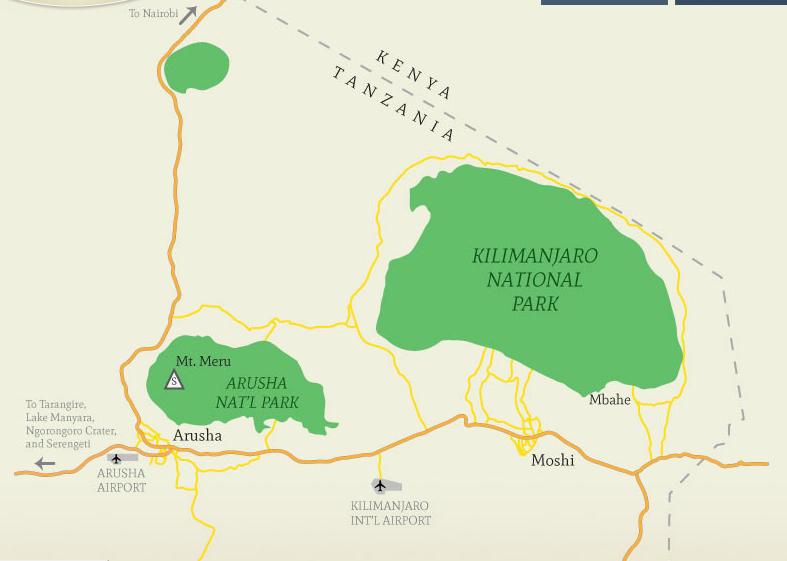
Mount Kilimanjaro is located in northern Tanzania, close to the border with Kenya, and stands as the highest mountain in Africa. It rises prominently from the surrounding plains, making it one of the most recognizable natural landmarks on the continent. The mountain is protected within Kilimanjaro National Park, a UNESCO World Heritage Site that preserves its unique ecosystems, wildlife, and trekking routes.
Kilimanjaro National Park surrounds the upper slopes of the mountain, starting from the montane forest zone and extending all the way to the summit at Uhuru Peak. The lower areas, including farmland and small villages, lie just outside the park boundaries, creating a transition between local communities and the protected wilderness. This setup allows travelers to experience both cultural interactions and natural beauty within a relatively short distance.
The mountain is most commonly accessed from the nearby town of Moshi, which sits at the base of Kilimanjaro. Moshi is considered the main gateway for climbers and is where most expeditions begin. It offers a range of accommodations, gear shops, and pre-climb facilities, making it the ideal starting point for trekking preparations. Another major city in the region is Arusha, located about 80 kilometers away. While Arusha is better known as the safari capital of Tanzania, many travelers combine their Kilimanjaro climb with a safari experience starting from this city.
Access to Kilimanjaro is convenient for international travelers thanks to Kilimanjaro International Airport, often referred to as JRO. This airport is located roughly halfway between Moshi and Arusha and serves as the primary entry point for visitors heading to Kilimanjaro. From the airport, travelers can reach Moshi in about one hour by road, depending on traffic and route conditions. Most safari operators, including Nihapa Tours, provide airport transfers to ensure a smooth and comfortable arrival experience.
From a geographical perspective, Kilimanjaro lies just south of the equator, which makes its snow-capped summit even more fascinating. Despite being in a tropical region, the mountain’s high altitude creates its own climate system, allowing glaciers and ice fields to exist at the top. On a map, Kilimanjaro appears as an isolated massif rather than part of a mountain range, which is why it is often referred to as the world’s tallest free-standing mountain.
Understanding the location of Kilimanjaro helps travelers plan their journey more effectively. Its proximity to major safari destinations, easy airport access, and connection to towns like Moshi and Arusha make it one of the most accessible high-altitude adventures in the world. Whether you are arriving for a climb or combining it with a safari, Kilimanjaro’s location offers both convenience and extraordinary natural beauty.
Can Anyone Climb Mount Kilimanjaro?
One of the most common questions travelers ask about Mount Kilimanjaro is whether anyone can actually climb it. The encouraging answer is yes, most reasonably fit people can attempt Kilimanjaro successfully, because it is not a technical mountaineering peak. Unlike many high mountains around the world, Kilimanjaro does not require ropes, ice axes, or specialized climbing skills. Instead, it is a trekking mountain, meaning climbers follow established trails while gradually ascending through different ecological zones inside Kilimanjaro National Park.
However, while technical skills are not required, physical fitness and mental strength play a very important role in reaching the summit. The climb is long, often lasting between five and nine days depending on the chosen route, and each day involves several hours of walking at high altitude. The real challenge is not steep climbing but the reduced oxygen levels as you get closer to Uhuru Peak. Because of this, endurance and steady pacing are far more important than speed or athletic performance. At Nihapa Tours, we always encourage a slow and consistent approach, often described locally as “pole pole,” meaning “slowly, slowly,” which helps the body adjust to altitude safely.
Mental strength is equally important. Many climbers find that the final push to the summit is more psychological than physical. Cold temperatures, fatigue, and altitude effects can test determination, especially during the final night ascent. Staying positive, trusting the guide, and focusing on small steps rather than the full distance ahead often makes the difference between turning back and reaching the top. This is where experienced support from operators like Nihapa Tours becomes essential, as guides provide encouragement, monitoring, and pacing strategies throughout the journey.
Age is another factor that often surprises people. Kilimanjaro has been successfully climbed by teenagers as well as older adults in their 60s and even 70s. There is no strict age limit, but good health is essential. Most operators require medical clearance for older climbers or those with pre-existing conditions. Children can also climb, but only if they meet minimum age requirements and demonstrate sufficient physical capability. Ultimately, fitness level matters more than age itself.
When it comes to success rates, Kilimanjaro is achievable but not guaranteed. Depending on the route and number of days spent on the mountain, summit success rates can vary significantly. Longer routes that allow better acclimatization generally have higher success rates, while shorter climbs are more challenging due to rapid altitude gain. Proper preparation, hydration, and pacing all influence the outcome.
At Nihapa Tours, we design itineraries that prioritize acclimatization and safety, increasing the chances of a successful summit while ensuring guests enjoy the journey itself. We believe that climbing Kilimanjaro is not just about reaching the top but about experiencing the transformation that happens along the way, from rainforest trails to icy summit views. For most travelers, it becomes a personal journey of endurance, discovery, and achievement that stays with them long after they descend.
Kilimanjaro Routes Explained
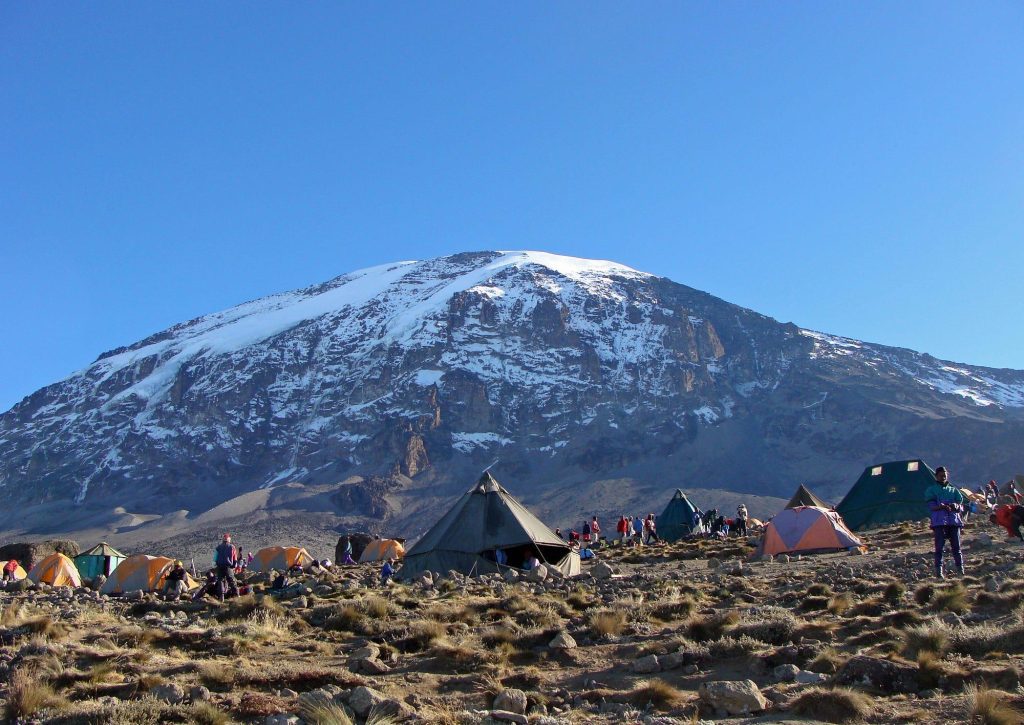
Climbing Mount Kilimanjaro is not a single fixed experience because the mountain offers several different routes, each with its own level of difficulty, scenery, duration, and success rate. All routes lead to the same summit at Uhuru Peak, but the journey varies greatly depending on the path chosen. Inside Kilimanjaro National Park, these routes are carefully managed to balance conservation, safety, and visitor experience.
Choosing the right route is one of the most important decisions for any climber. It directly affects acclimatization, comfort, crowd levels, and overall enjoyment of the climb. At Nihapa Tours, we help climbers select routes based on fitness level, experience, and personal goals to ensure the highest chance of a successful and memorable summit.
Machame Route (Whiskey Route)
The Machame Route is one of the most popular climbing routes on Kilimanjaro. It is known for its stunning scenery and strong success rate due to good acclimatization opportunities. The route approaches the mountain from the southwest and offers dramatic landscapes, including rainforest, lava ridges, and alpine desert.
In terms of difficulty, Machame is considered moderate to challenging. The terrain includes steep ascents and longer trekking days, which require good endurance but no technical climbing skills. Most climbers complete the route in 6 to 7 days.
The success rate is relatively high, especially on 7-day itineraries, because the “climb high, sleep low” profile helps the body adjust to altitude gradually. Scenic value is excellent, making it one of the most photogenic routes on the mountain.
Marangu Route (Coca-Cola Route)
The Marangu Route is the oldest and most established route on Kilimanjaro. It is often referred to as the “Coca-Cola Route” because it is considered the most comfortable option due to hut accommodation along the way instead of camping.
This route is generally easier in terms of terrain, with a more gradual ascent compared to other routes. However, it has a lower acclimatization profile because climbers ascend and descend along the same path, which can reduce the success rate. Most trekkers complete it in 5 to 6 days.
The success rate is moderate, and it is often recommended for beginners who prefer more structured accommodation. Scenic value is lower compared to other routes, as the ascent and descent share the same path.
Lemosho Route
The Lemosho Route is widely considered one of the best overall routes for climbing Kilimanjaro. It begins on the western side of the mountain and passes through remote, less crowded areas, offering a more peaceful trekking experience.
Difficulty is moderate, but the longer duration makes it one of the safest routes for acclimatization. Most climbers take 7 to 8 days to complete it, which significantly increases the chances of reaching the summit successfully.
The success rate on Lemosho is very high due to gradual altitude gain. Scenic value is also exceptional, with diverse landscapes ranging from rainforest to panoramic ridges and views of the Shira Plateau. Many climbers choose this route for its balance between beauty and success probability.
Rongai Route
The Rongai Route approaches Kilimanjaro from the northern side near the Kenyan border. It is the only route that starts from this direction, making it quieter and less crowded.
In terms of difficulty, Rongai is considered easier compared to steeper southern routes because it has a more gradual ascent profile. Most treks take 6 to 7 days, allowing reasonable acclimatization.
The success rate is moderate to high, especially on longer itineraries. Scenic value is more subtle but unique, as it offers a different perspective of Kilimanjaro’s drier northern landscapes. Wildlife sightings are also more common in the lower forest zones due to the less disturbed environment.
Northern Circuit Route
The Northern Circuit is the longest and most scenic route on Kilimanjaro. It circles the northern slopes of the mountain, offering nearly 360-degree views and a highly gradual ascent.
Difficulty is considered moderate, but the extended duration, usually 8 to 9 days, makes it one of the easiest routes in terms of acclimatization. This long approach significantly increases the summit success rate, making it one of the most reliable options for reaching Uhuru Peak.
Scenic value is outstanding. Climbers experience remote wilderness, fewer crowds, and some of the most diverse views on the mountain. Because of its length and low traffic, it is often recommended for travelers seeking a premium and less crowded experience.
Route Comparison Summary (Conceptual Overview)
Each Kilimanjaro route offers a different balance of challenge and reward. Shorter routes like Marangu are more direct but harder for acclimatization, while longer routes like Lemosho and Northern Circuit provide higher success rates due to gradual altitude gain. Machame sits in the middle as a popular all-rounder, while Rongai offers a quieter and drier alternative.
At Nihapa Tours, route selection is never random. We carefully match each traveler with the most suitable path based on fitness level, time availability, and climbing goals. This personalized approach ensures not only higher success rates but also a more meaningful and enjoyable journey to the summit of Africa.
Best Time to Climb Mount Kilimanjaro
Choosing the best time to climb Mount Kilimanjaro is one of the most important decisions for a successful and enjoyable trekking experience. While the mountain is open for climbing throughout the year, weather conditions, trail safety, visibility, and crowd levels vary significantly depending on the season. Understanding these patterns helps climbers prepare better and increases the chances of reaching the summit at Uhuru Peak.
The two main seasons on Kilimanjaro are the dry season and the rainy season. Each offers a very different experience. The dry season is generally considered the best time to climb because trails are more stable, skies are clearer, and visibility is excellent. The rainy season, on the other hand, brings fewer crowds and greener landscapes but also more challenging trekking conditions due to mud, cloud cover, and reduced visibility.
The primary dry season runs from June to October. During these months, conditions in Kilimanjaro National Park are at their most reliable. Skies are often clear, temperatures are cold but stable, and the chances of rainfall are low. This is also the busiest period on the mountain, meaning climbers will meet more groups along popular routes such as Machame and Lemosho. Despite the crowds, this is the peak season for a reason: the weather supports better acclimatization and higher summit success rates.
Another excellent climbing window is from January to March. This period is slightly colder than mid-year but generally offers very good visibility and fewer climbers compared to the June–October peak season. One of the highlights of this time is the possibility of snow at the summit, creating dramatic and beautiful scenery. Many climbers prefer this season for a quieter experience while still benefiting from relatively stable weather conditions.
The rainy seasons occur from April to May and again in November. These months are less popular due to heavier rainfall, especially on the lower slopes of Kilimanjaro National Park. Trails can become muddy and slippery, and cloud cover may reduce visibility of the surrounding landscapes. However, this season also has advantages. The mountain is far less crowded, allowing for a more private and peaceful trekking experience. Vegetation is lush and green, and accommodation availability is often easier to secure.
Weather patterns on Kilimanjaro vary greatly depending on altitude. At the base of the mountain, temperatures are warm and tropical, while higher elevations become increasingly cold and dry. As climbers ascend, they pass through multiple climate zones, each with its own micro-weather conditions. Rain is more common in the forest zones, while the upper alpine and summit zones are typically dry but extremely cold, especially at night. Wind also becomes a major factor closer to the top, particularly during summit attempts.
Visibility is one of the most noticeable differences between seasons. During dry months, climbers enjoy panoramic views of the surrounding plains, distant Mount Meru, and clear sunrise and sunset skies. In the rainy seasons, cloud cover can limit long-distance views, especially in the lower and mid-altitude zones. However, clouds often clear at higher elevations, revealing dramatic views above the cloud line.
Crowd levels also play an important role in the climbing experience. The June to October period sees the highest number of climbers, especially on popular routes like Machame and Marangu. This creates a social atmosphere on the trails, but also means campsites and huts are busier. In contrast, the rainy seasons offer solitude and quieter trails, which can appeal to climbers seeking a more personal and reflective journey.
Ultimately, the best time to climb Kilimanjaro depends on personal preference. Those who prioritize clear weather and higher summit success rates often choose the dry seasons, while those seeking fewer crowds and lower prices may consider the shoulder or rainy months. At Nihapa Tours, we help climbers choose the ideal timing based on their goals, fitness level, and travel expectations, ensuring every journey to the summit is both well-prepared and deeply rewarding.
Kilimanjaro Weather & Climate Zones
The weather on Mount Kilimanjaro is one of the most unique in the world because the mountain creates its own climate system. Unlike most destinations where the weather is relatively consistent, Kilimanjaro features multiple ecological and climate zones stacked vertically on top of each other. As climbers ascend through Kilimanjaro National Park, they experience a dramatic shift from tropical heat to freezing summit conditions within just a few days.
This transformation happens because of altitude. Every 1,000 meters climbed brings noticeable changes in temperature, oxygen levels, vegetation, and weather patterns. Understanding these zones helps climbers prepare mentally and physically for what to expect each day on the mountain.
The first zone is the cultivated or farmland zone, located at the base of Kilimanjaro. Here, temperatures are warm and humid, and local communities grow crops such as coffee and bananas. This is where most climbers begin their journey, often feeling the contrast between everyday life and the wilderness ahead.
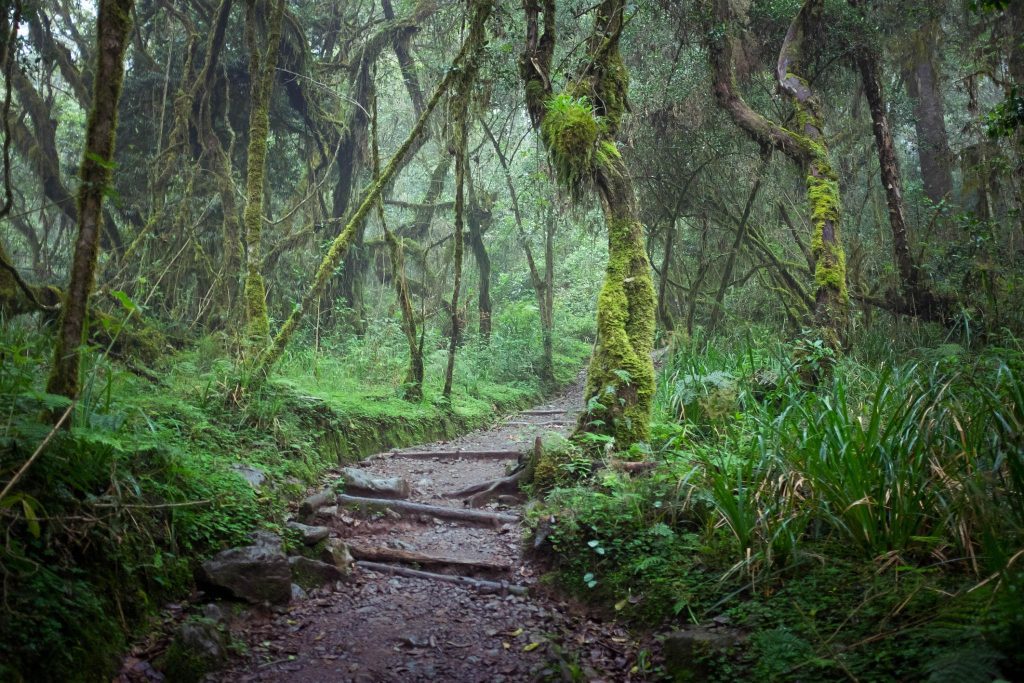
Next is the rainforest zone, one of the most lush and biodiverse areas of the climb. This zone is characterized by dense vegetation, tall trees, and frequent mist or light rain. Temperatures are generally mild but humid, and trails can be wet and slippery. Wildlife such as colobus monkeys and a variety of birds are commonly seen here. This section often feels like walking through a tropical jungle.
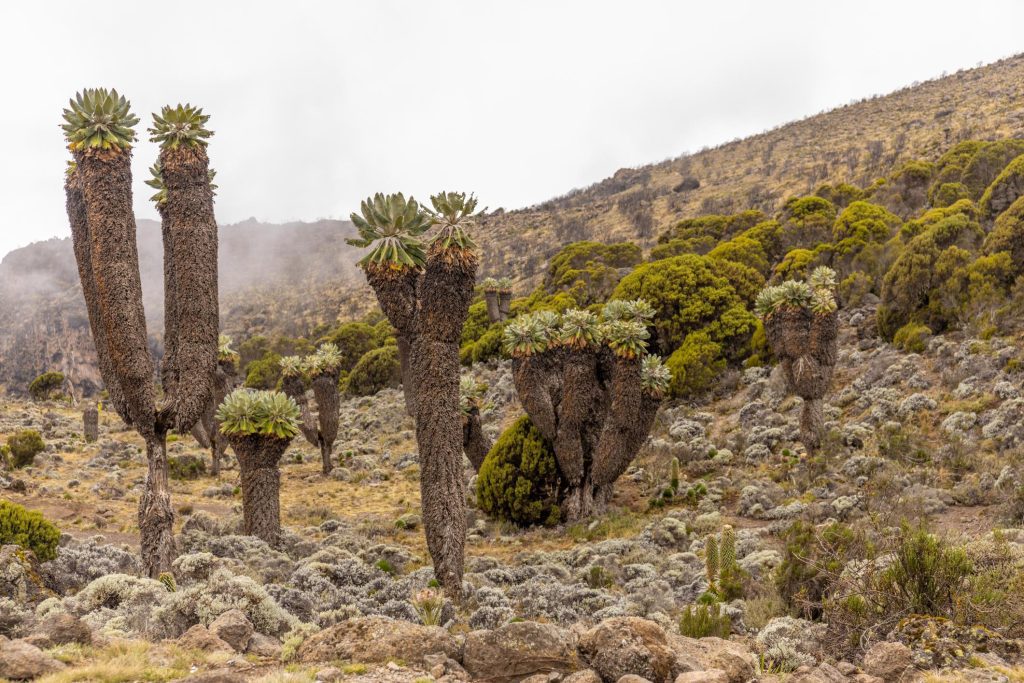
Above the rainforest lies the heath and moorland zone, where vegetation becomes shorter and more unusual. Giant heathers, lobelias, and unique alpine plants dominate the landscape. Temperatures begin to drop noticeably, especially at night, and the air becomes thinner. The scenery opens up, offering wider views of the mountain and surrounding plains.
Higher still is the alpine desert zone. This area is dry, rocky, and exposed to strong sunlight during the day and freezing temperatures at night. Vegetation is minimal, and the landscape feels almost lunar. Wind becomes a significant factor here, and climbers often feel the effects of altitude more strongly as oxygen levels continue to decrease.
The final and highest zone is the Arctic summit zone, found near Uhuru Peak. This is where glaciers, ice fields, and freezing winds dominate the environment. Temperatures can drop well below freezing, especially during nighttime summit attempts. The air is extremely thin, making every step slow and demanding. Despite the harsh conditions, reaching this zone is the ultimate goal for climbers and offers breathtaking sunrise views above the clouds.
Temperature changes on Kilimanjaro are extreme and rapid. At the base, conditions can be warm and tropical, often above 20°C during the day. However, at the summit, temperatures can fall below -10°C, especially when wind chill is factored in. Climbers must be prepared for both heat and extreme cold within the same journey.
Daily weather conditions vary depending on altitude and time of day. Mornings often start cool and clear, with increasing cloud cover in the afternoon. Rain is more common in lower zones, while higher zones tend to be dry but cold. Nights are significantly colder at all elevations, requiring proper insulation and layering.
At Nihapa Tours, we emphasize preparation for all climate zones to ensure climbers are fully equipped for the rapid environmental changes they will experience. Understanding these zones not only improves safety but also enhances appreciation of the mountain’s incredible natural diversity, making the journey to the summit even more rewarding.
What to Pack for Mount Kilimanjaro
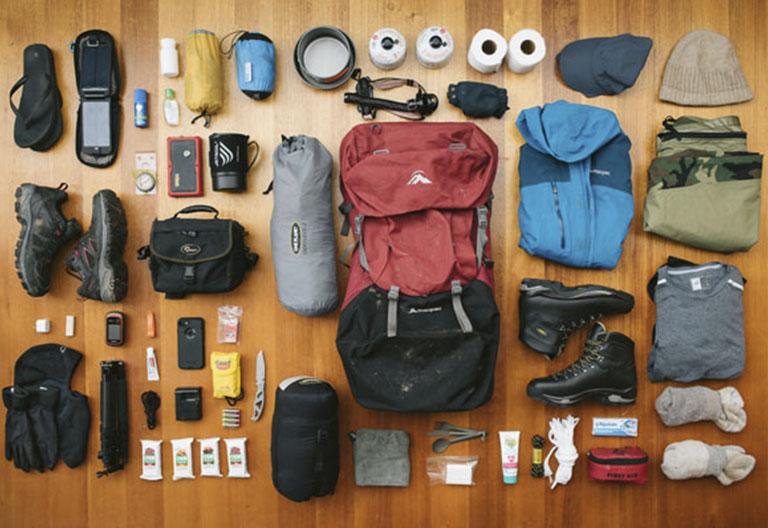
Packing correctly for Mount Kilimanjaro is one of the most important parts of preparing for the climb. Unlike a normal holiday, a Kilimanjaro trek takes you through multiple climate zones inside Kilimanjaro National Park, ranging from warm rainforest conditions at the base to freezing temperatures at the summit. This means your packing list must be carefully planned, layered, and functional rather than focused on fashion or excess items. At Nihapa Tours, we guide climbers on what to bring so they are fully prepared for every stage of the journey.
Clothing Layers: The Key to Comfort on Kilimanjaro
Layering is the most important principle when packing for Kilimanjaro because temperatures change drastically as you ascend. Instead of heavy clothing, climbers should focus on multiple thin, functional layers that can be added or removed depending on conditions.
The base layer is worn directly on the skin and is designed to manage sweat and moisture. Thermal tops and leggings made from moisture-wicking materials are ideal. Cotton should be avoided because it absorbs moisture and becomes cold quickly.
The middle layer provides insulation. Fleece jackets or lightweight down jackets are commonly used to trap body heat, especially in the moorland and alpine zones where temperatures drop significantly at night.
The outer layer is your protection against wind, rain, and snow. A high-quality waterproof and windproof jacket and trousers are essential, especially when passing through rainforest zones or during summit night conditions.
Other essential clothing items include trekking trousers, warm socks, thermal gloves, a hat for sun protection, and a thick beanie for summit night. Gaiters are also useful for keeping mud and dust out of boots in lower zones.
Essential Gear for the Climb
Proper gear can make a huge difference in comfort and safety during the climb. A well-fitted backpack is essential for carrying daily items such as water, snacks, a jacket, and personal items. Most climbers use a daypack of around 30–40 liters.
A waterproof rain cover for the backpack is also important due to unpredictable weather in rainforest zones. Sunglasses with UV protection are necessary because sunlight becomes stronger at higher altitudes.
Headlamps are required for early morning starts and summit night ascents. Spare batteries should always be carried due to cold temperatures draining power faster than normal.
Hydration systems such as water bottles or hydration bladders are critical. Staying hydrated helps reduce the risk of altitude sickness and keeps energy levels stable throughout the climb.
Trekking Equipment You Should Not Ignore
Trekking boots are one of the most important items on your Kilimanjaro packing list. They should be waterproof, well broken-in before the climb, and provide strong ankle support for uneven terrain. New boots should never be worn for the first time on the mountain.
Trekking poles are highly recommended because they reduce pressure on knees, especially during long descents. Many climbers underestimate how helpful poles are on both steep climbs and downhill sections.
Sleeping bags rated for cold temperatures are essential, particularly for summit nights where temperatures can drop below freezing. A high-quality sleeping bag ensures proper rest and recovery during the trek.
Gloves, both lightweight and thermal, are necessary for protecting hands from cold wind and frost. Similarly, warm hats and neck gaiters help retain body heat in high-altitude zones.
Common Packing Mistakes to Avoid
One of the most common mistakes climbers make is overpacking. Carrying too much weight slows you down and increases fatigue. It is important to remember that porters carry the main luggage, but your personal comfort depends on what you choose to bring in your daypack.
Another mistake is wearing cotton clothing. Cotton absorbs moisture and takes a long time to dry, making it unsuitable for cold and wet conditions. Synthetic or wool-based materials are far more effective.
Many climbers also underestimate cold temperatures at the summit. Even if the base of the mountain is warm, summit night can be extremely cold, and failing to bring proper thermal layers can make the final ascent very difficult.
New hiking boots are another major mistake. Without breaking them in beforehand, climbers often experience blisters and discomfort that can affect performance.
Finally, forgetting essential small items like sunscreen, lip balm, and personal medication can lead to unnecessary discomfort during the climb. These small items often make a big difference in overall comfort.
Final Packing Advice from Nihapa Tours
Preparing for Kilimanjaro is not about bringing everything you own; it is about bringing the right items that will support you through changing environments, long trekking days, and extreme weather conditions. At Nihapa Tours, we provide detailed pre-climb packing guidance to ensure every traveler is fully prepared before stepping onto the mountain.
With the right gear, proper layering, and smart preparation, climbers can focus less on discomfort and more on the incredible journey through one of the most iconic mountains in the world.
Accommodation on Mount Kilimanjaro
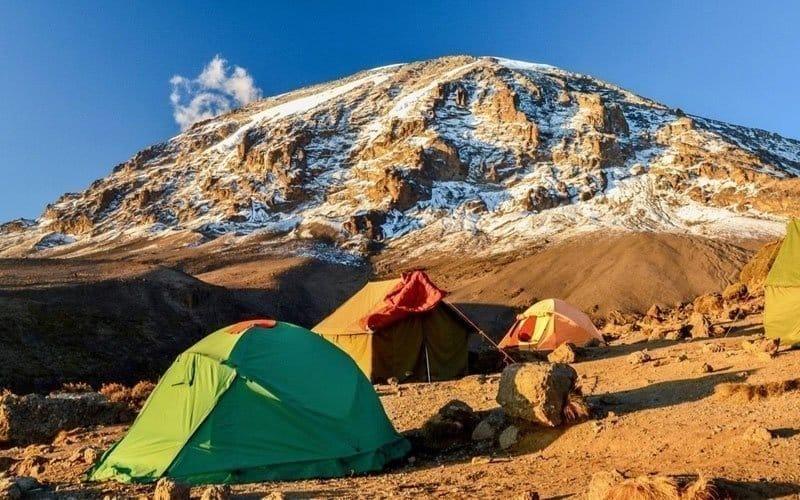
Accommodation on Mount Kilimanjaro is very different from a typical hotel stay because climbers spend their nights in either mountain campsites or designated huts inside Kilimanjaro National Park. The type of accommodation depends entirely on the route chosen, and it plays an important role in the overall trekking experience. At Nihapa Tours, we help climbers understand these differences so they can choose the route that best matches their comfort level and expectations.
Camping on Kilimanjaro
Most Kilimanjaro routes, including Machame, Lemosho, Rongai, and the Northern Circuit, use a camping system. Climbers sleep in high-quality dome tents that are set up and taken down by the support team each day. These tents are designed to withstand cold temperatures, wind, and occasional rain, especially in higher altitude zones.
Camping provides a more immersive wilderness experience because climbers are fully surrounded by nature. Nights are quiet, except for natural sounds like wind, distant animal calls, or fellow climbers settling into their tents. The feeling of sleeping under the stars at high altitude is often described as one of the most memorable parts of the journey.
At Nihapa Tours, camping setups are designed for comfort and safety, including insulated sleeping mats and well-maintained tents that protect against harsh mountain conditions.
Marangu Route Huts vs Other Routes
The Marangu Route is unique because it is the only Kilimanjaro route that offers hut accommodation instead of camping. These huts provide dormitory-style sleeping arrangements with bunk beds and shared facilities. While they are more basic than hotel rooms, they offer slightly more shelter from cold weather and rain.
However, huts are shared among climbers, which can reduce privacy compared to tented camping. The Marangu huts also follow a fixed route structure, meaning climbers ascend and descend along the same path, unlike other routes that offer more variety in scenery and terrain.
Other routes, such as Machame and Lemosho, offer a more flexible and scenic experience through camping, allowing climbers to explore different sides of the mountain.
Food and Dining on the Mountain
Meals on Kilimanjaro are prepared by professional mountain chefs who travel with the trekking team. Food is designed to provide high energy, nutrition, and warmth, which are essential for endurance at high altitude. Climbers can expect a mix of carbohydrates, proteins, fruits, and warm beverages throughout the journey.
Breakfast usually includes items such as porridge, eggs, toast, and tea or coffee. Lunch and dinner are more substantial, often featuring rice, pasta, vegetables, and protein-rich dishes to restore energy after long trekking hours.
One of the highlights of the trekking experience is the hot dining tent, where climbers gather for meals. This space provides warmth, social interaction, and a chance to relax after challenging hiking sessions.
At Nihapa Tours, we also provide hot, packed lunches in insulated safari-style hampers on certain routes or long trekking days, ensuring that food remains fresh and energizing even in remote sections of the climb.
Sleeping Arrangements and Comfort
Sleeping conditions on Kilimanjaro are simple but carefully managed for safety and rest. In camping routes, each climber is provided with a tent and sleeping mat, while sleeping bags must be suitable for sub-zero temperatures. Proper insulation is essential because nights can become extremely cold, especially above 4,000 meters.
In hut-based accommodation, climbers sleep in bunk beds with mattresses, but they still need warm sleeping bags due to low nighttime temperatures. Regardless of accommodation type, rest is crucial for acclimatization and recovery between trekking days.
At Nihapa Tours, we prioritize comfort and hygiene in all sleeping arrangements, ensuring that climbers can recover properly and continue their ascent with strength and confidence.
Accommodation on Mount Kilimanjaro is very different from a typical hotel stay because climbers spend their nights in either mountain campsites or designated huts inside Kilimanjaro National Park. The type of accommodation depends entirely on the route chosen, and it plays an important role in the overall trekking experience. At Nihapa Tours, we help climbers understand these differences so they can choose the route that best matches their comfort level and expectations.
Guides, Porters & Crew on Mount Kilimanjaro
Climbing Mount Kilimanjaro is not a solo adventure. Every successful summit inside Kilimanjaro National Park depends on a dedicated mountain team made up of professional guides, porters, and support crew. These individuals are the backbone of every expedition, ensuring safety, comfort, and logistical support throughout the climb. At Nihapa Tours, we consider our mountain teams the most important part of the entire experience.
Why Guides Are Mandatory on Kilimanjaro
Guides are legally required for all Kilimanjaro climbs, and no one is allowed to trek independently. This regulation exists to protect both climbers and the fragile mountain environment. The altitude, weather conditions, and terrain can change rapidly, making local expertise essential for safety.
A professional Kilimanjaro guide does far more than lead the way. Guides monitor climbers for signs of altitude sickness, adjust pacing to match group ability, and make critical decisions about when to rest, acclimatize, or descend. Their experience is often the difference between a successful summit and an unsafe attempt.
Guides also provide navigation through multiple ecological zones, ensuring climbers stay on the correct trail across vast and sometimes confusing landscapes. At Nihapa Tours, our guides are trained not only in safety and rescue procedures but also in first aid and high-altitude response protocols.
The Essential Role of Porters
Porters are the unsung heroes of Kilimanjaro expeditions. Their primary responsibility is to carry essential equipment such as tents, cooking supplies, food, and climbers’ luggage. Without porters, it would be impossible for most trekkers to complete the climb safely or comfortably.
Each day, porters move ahead of the group to set up campsites, prepare sleeping tents, and ensure everything is ready by the time climbers arrive. This allows trekkers to focus entirely on walking and acclimatization rather than logistics.
Porters also play a crucial role in maintaining morale and efficiency on the mountain. Despite challenging conditions, they work with incredible dedication, often in cold, high-altitude environments. Their contribution is vital to the overall success of every expedition.
Ethical Trekking and Fair Treatment of Crew
Ethical trekking is an important part of modern Kilimanjaro tourism. In the past, porter welfare was often overlooked in the industry, but today, responsible operators follow strict guidelines to ensure fair wages, proper equipment, and safe working conditions.
Ethical standards include fair pay for guides and porters, appropriate weight limits for loads, access to food and shelter, and respect for working hours. These practices are supported by organizations that promote responsible tourism in Tanzania.
At Nihapa Tours, we are committed to ethical trekking principles. We ensure that every member of our mountain crew is treated with dignity and fairness, and that their work conditions meet high industry standards. This not only improves the quality of service but also contributes to sustainable tourism development in the region.
The Nihapa Tours Team Advantage
One of the key reasons climbers choose Nihapa Tours is the strength and experience of our mountain team. Our guides are highly trained, locally experienced, and deeply familiar with every Kilimanjaro route. Their knowledge of weather patterns, altitude management, and emergency response ensures a safer and more successful climb.
Our porters and support staff work as a coordinated team, ensuring smooth logistics from start to summit. Camps are set up efficiently, meals are prepared with care, and climbers receive continuous support throughout the journey.
At Nihapa Tours, we also emphasize personalized attention. Group sizes are managed carefully so that each climber receives adequate support and guidance. This allows our team to closely monitor health conditions and provide encouragement during challenging sections of the climb.
Altitude Sickness & Safety on Mount Kilimanjaro
Climbing Mount Kilimanjaro is a life-changing experience, but it also comes with one of the most important challenges in high-altitude trekking: altitude sickness. Inside Kilimanjaro National Park, the rapid gain in elevation exposes climbers to lower oxygen levels, which can affect the body in different ways. Understanding altitude sickness, how to prevent it, and what to do in emergencies is essential for a safe and successful summit attempt.
At Nihapa Tours, safety is always the top priority. Every itinerary is designed with proper acclimatization days, trained guides, and emergency protocols to ensure climbers are well supported throughout the journey.
Symptoms of Altitude Sickness
Altitude sickness, also known as Acute Mountain Sickness (AMS), can occur when the body struggles to adjust to reduced oxygen levels at higher elevations. Symptoms can begin as early as 2,500 meters and become more noticeable as climbers approach higher camps.
Common mild symptoms include headache, dizziness, fatigue, nausea, loss of appetite, and difficulty sleeping. These symptoms are often manageable if addressed early with rest, hydration, and slower pacing.
Moderate symptoms may include persistent vomiting, increased shortness of breath even while resting, and worsening headaches that do not respond to medication. At this stage, immediate attention from guides is required.
Severe altitude sickness is rare but serious. It can involve confusion, difficulty walking, chest tightness, and fluid buildup in the lungs or brain. These conditions require immediate descent and emergency intervention.
Prevention of Altitude Sickness
Preventing altitude sickness is far more effective than treating it. The most important principle on Kilimanjaro is gradual ascent. Routes that allow more days on the mountain significantly reduce the risk of AMS by giving the body time to adapt.
Hydration is another critical factor. Climbers are encouraged to drink plenty of water throughout the day because dehydration can worsen altitude symptoms. Balanced nutrition also helps maintain energy levels and body strength during the climb.
Avoiding alcohol and smoking is strongly recommended because they can interfere with oxygen absorption and worsen symptoms. Rest and pacing are equally important; walking too fast increases strain on the body and reduces acclimatization efficiency.
At Nihapa Tours, our guides continuously monitor climbers for early signs of altitude sickness, allowing for quick adjustments in pace or rest stops when needed.
Acclimatization Strategies for Success
Acclimatization is the process of allowing the body to adjust to lower oxygen levels. The most effective strategy is choosing a longer route with gradual ascent, such as Lemosho or the Northern Circuit. These routes give climbers more time to adapt before reaching higher camps.
Another key strategy is the “climb high, sleep low” principle, where climbers ascend to higher elevations during the day but return to lower sleeping altitudes when possible. This helps the body adjust more efficiently.
Walking slowly, often referred to as “pole pole” in Swahili, is one of the most important techniques for successful acclimatization. Maintaining a steady pace reduces fatigue and allows the body to conserve oxygen.
Regular health checks by guides also form part of acclimatization management. Oxygen levels and general well-being are monitored daily to ensure climbers are adapting properly.
Emergency Protocols on Kilimanjaro
Although most climbs proceed safely, emergency preparedness is essential. Every reputable operator, including Nihapa Tours, follows strict safety protocols to handle altitude-related emergencies.
If a climber shows signs of moderate or severe altitude sickness, guides will immediately assess the situation and decide whether rest, medication, or descent is necessary. In most cases, descending to a lower altitude quickly leads to significant improvement.
In serious situations, evacuation procedures are activated. Porters and guides assist the climber down the mountain to safer elevations, where recovery is more likely. In rare cases, stretcher evacuation or coordinated rescue support may be used.
Communication systems are maintained throughout the climb to ensure that help can be coordinated quickly if needed. Guides are trained in first aid and high-altitude response techniques, allowing them to act decisively in emergencies.
At Nihapa Tours, we maintain a strict “safety-first” policy. No summit is ever prioritized over a climber’s health. If conditions become unsafe, our team makes responsible decisions to ensure the well-being of every guest.
Kilimanjaro Climbing Cost Breakdown
| Cost Component | What It Includes | Why It Matters |
|---|---|---|
| Park Fees | Entry fees, camping/hut fees, rescue fees, conservation charges | Funds conservation, park maintenance, and rescue services inside Kilimanjaro National Park |
| Guide & Crew Costs | Professional guides, assistant guides, cooks, porters, insurance, wages | Ensures safety, navigation, food preparation, and logistics throughout the climb |
| Equipment | Sleeping bags, jackets, boots, trekking poles, backpacks, rental gear | Essential for survival in changing climate zones from rainforest to summit |
| Budget Climbs | Group tours, basic camping, shared services | More affordable option for travelers seeking cost-effective adventure |
| Luxury Climbs | Private guides, upgraded tents, better meals, smaller groups | Higher comfort, personalized experience, and increased flexibility |
Success Tips for Reaching the Summit of Mount Kilimanjaro
Reaching the summit of Mount Kilimanjaro at Uhuru Peak is a life-changing achievement, but success on the mountain is not only about fitness or strength. It is about strategy, patience, and understanding how your body responds to high altitude inside Kilimanjaro National Park. Many climbers underestimate the importance of pacing and mindset, yet these factors often determine whether someone reaches the top or turns back before the summit.
At Nihapa Tours, we have seen that climbers who follow the right approach almost always perform better, feel stronger, and enjoy the journey far more. The summit is not rushed; it is earned step by step.
The “Pole Pole” Principle (Slowly, Slowly)
One of the most important secrets to success on Kilimanjaro is the Swahili principle of “pole pole,” meaning “slowly, slowly.” This is not just advice; it is a survival strategy. At high altitude, the body needs time to adjust to reduced oxygen levels, and moving too quickly can lead to fatigue or altitude sickness.
Walking slowly allows your breathing and heart rate to stabilize. It conserves energy and helps your body adapt naturally to the changing environment. Many successful climbers are surprised to learn that speed is not important on Kilimanjaro; consistency is. Guides from Nihapa Tours continuously remind climbers to maintain a steady rhythm, especially on steep sections and summit night.
By embracing “pole pole,” climbers reduce stress on the body and significantly improve their chances of reaching the summit safely.
Mental Strategy for the Climb
Mental strength plays a bigger role on Kilimanjaro than most people expect. The climb is long, repetitive, and physically demanding, especially during summit night when temperatures drop, and oxygen levels are at their lowest.
A strong mental strategy begins with breaking the climb into small, manageable sections instead of focusing on the final goal all at once. Thinking in terms of “next step” or “next checkpoint” helps reduce psychological pressure.
Positive thinking is also crucial. Many climbers face moments of doubt, but maintaining focus on progress rather than discomfort makes a significant difference. Trusting your guide, staying calm, and accepting temporary discomfort as part of the journey helps maintain motivation.
At Nihapa Tours, our guides are trained not only in safety but also in encouragement and morale support. Their presence helps climbers stay mentally strong, especially during the most challenging parts of the ascent.
Hydration and Pacing: The Hidden Success Factor
Hydration is one of the most overlooked factors in climbing Kilimanjaro, yet it has a direct impact on energy levels, altitude adaptation, and overall performance. At high altitude, the body loses water faster due to dry air and increased breathing rate.
Climbers are encouraged to drink water regularly throughout the day, even if they do not feel thirsty. Proper hydration helps reduce headaches, improves circulation, and supports the body’s ability to adjust to altitude changes.
Pacing works closely with hydration. Walking too fast leads to early exhaustion and increases the risk of altitude sickness. A steady, controlled pace ensures that energy is distributed evenly across long trekking days. This balance is especially important on steep sections and during summit night, where endurance becomes more important than speed.
Rest breaks also play a key role. Short, frequent stops allow the body to recover without losing momentum. Guides from Nihapa Tours carefully manage group pacing to ensure no one is left behind and everyone climbs at a safe, sustainable rhythm.
Wildlife & Nature on Mount Kilimanjaro
While Mount Kilimanjaro is best known as Africa’s highest peak, it is also home to a surprising variety of wildlife and plant life, especially within the lower slopes of Kilimanjaro National Park. As climbers ascend the mountain, they pass through distinct ecological zones that support different forms of nature, making the journey not only a physical challenge but also a rich natural experience.
The forest zone at the base of Kilimanjaro is where most wildlife can be found. This lush, tropical environment is dense with tall trees, vines, and thick vegetation that provides shelter for various animals. One of the most commonly spotted species is the black-and-white colobus monkey, often seen leaping between treetops. Blue monkeys are also frequently observed along the trails. Although larger wildlife such as elephants and buffalo do exist in the wider ecosystem, they are rarely encountered on climbing routes due to controlled park access and human presence.
Birdlife on Kilimanjaro is particularly diverse, especially in the rainforest and moorland zones. Colorful species such as turacos, hornbills, and sunbirds are often seen or heard along the trails. Their calls add a vibrant soundtrack to the trekking experience, especially in the early morning hours when the forest is most active. Birdwatchers often find Kilimanjaro to be unexpectedly rewarding due to the variety of species across different elevations.
As climbers move higher, vegetation begins to change dramatically. The moorland zone introduces unique and striking plant species such as giant lobelias and giant groundsels. These plants have adapted to survive harsh high-altitude conditions, including cold nights and strong sunlight during the day. Their unusual size and shape make the landscape feel almost otherworldly.
Further up, in the alpine desert zone, vegetation becomes sparse, and survival becomes more difficult for plant life. Only the most resilient species can survive the extreme temperature shifts and dry conditions. Finally, near the summit, the environment becomes largely barren, with ice, rock, and glacier formations dominating the landscape.
At Nihapa Tours, we encourage climbers to appreciate these natural transitions as part of the Kilimanjaro experience. The mountain is not only about reaching Uhuru Peak but also about witnessing one of the most unique ecological journeys in the world.
Travel Logistics & How to Get to Mount Kilimanjaro
Planning a trip to climb Mount Kilimanjaro begins long before stepping onto the mountain trails. Understanding travel logistics is essential for a smooth and stress-free journey, especially for international travelers arriving in East Africa. Most climbers enter the country through northern Tanzania, where access to Kilimanjaro National Park is most convenient and well organized.
The primary gateway for international travelers is Kilimanjaro International Airport (JRO). This airport is located between the towns of Moshi and Arusha and serves as the main entry point for climbers and safari travelers. Many international flights connect through major hubs such as Doha, Amsterdam, Istanbul, and Nairobi before arriving in Tanzania. From JRO, travelers are already within a short driving distance of the mountain, making it one of the most accessible high-altitude trekking destinations in the world.
Upon arrival, airport transfers are typically arranged by tour operators like Nihapa Tours. These transfers take climbers either to Moshi, which is the closest town to Kilimanjaro, or to Arusha, which is a larger city known as the safari capital of Tanzania. The drive from the airport to Moshi usually takes about one hour, depending on traffic and weather conditions. Transfers are done using private safari vehicles, ensuring comfort and safety after long international flights.
Moshi is the most common base for Kilimanjaro climbers. The town offers a wide range of services, including hotels, gear rental shops, restaurants, and pre-climb briefing centers. It provides a calm and convenient environment where travelers can rest, recover from jet lag, and prepare for the trek ahead. Arusha, on the other hand, is often used by travelers who plan to combine their climb with a safari experience in parks such as the Serengeti or Ngorongoro.
Pre-climb accommodation is an important part of preparation. Most climbers spend at least one night in a hotel before starting the trek. This allows time for gear checks, briefing sessions, and final medical or safety preparations. Hotels in Moshi range from budget guesthouses to comfortable mid-range lodges, offering options for different travel styles. At Nihapa Tours, we carefully select pre-climb accommodations that provide comfort, good food, and a relaxed atmosphere to ensure climbers are fully prepared.
In addition to rest and preparation, pre-climb logistics include equipment checks and meeting your mountain guide. This is when climbers receive important safety instructions, route briefings, and final packing guidance. It is also an opportunity to ask questions and ensure everything is ready before heading into the mountain environment.
With proper planning, traveling to Kilimanjaro is straightforward and well-supported. From international flights to airport transfers and pre-climb hotels, every step is designed to make the journey smooth and stress-free. At Nihapa Tours, we handle these logistics with care so that climbers can focus entirely on the adventure ahead, knowing that every detail has been professionally managed.
Combine Kilimanjaro with a Tanzania Safari
A journey to climb Mount Kilimanjaro becomes even more rewarding when combined with a wildlife safari across northern Tanzania. Many travelers choose this combination because it brings together two of Africa’s most iconic experiences: conquering the highest mountain and exploring world-famous safari destinations. Since both experiences are located within reach of Kilimanjaro National Park and nearby regions, it is easy to design a seamless itinerary that includes both adventure and wildlife.
At Nihapa Tours, we specialize in combining Kilimanjaro climbs with carefully planned safari extensions, allowing travelers to experience the full diversity of Tanzania in one journey.
Serengeti National Park
One of the most popular safari extensions after a Kilimanjaro climb is the Serengeti National Park. Known worldwide for the Great Migration, the Serengeti offers endless plains filled with wildlife, including lions, elephants, giraffes, zebras, and massive herds of wildebeest.
After days of trekking on Kilimanjaro, the Serengeti provides a completely different but equally powerful experience. Instead of climbing altitude, travelers explore vast open landscapes in safari vehicles, watching predators and prey interact in their natural environment. The contrast between the mountain and the savannah makes the combination especially memorable.
Ngorongoro Crater
Another highlight often included in combined itineraries is the Ngorongoro Crater, one of the most unique wildlife ecosystems in the world. Formed by a collapsed volcano, the crater creates a natural enclosure that supports a dense concentration of wildlife.
Visitors can expect to see lions, elephants, buffalo, hippos, and even the rare black rhino in a single game drive. The crater’s compact size makes wildlife viewing highly efficient, offering some of the best chances to see the Big Five in a short time.
The dramatic landscape of steep crater walls and open grasslands creates a breathtaking backdrop that feels very different from both Kilimanjaro and the Serengeti.
Tarangire National Park
Tarangire National Park is another excellent addition to a Kilimanjaro and safari combination. Known for its large elephant population and iconic baobab trees, Tarangire offers a more peaceful and less crowded safari experience compared to other parks.
During the dry season, large herds of elephants gather around the Tarangire River, creating some of the most impressive wildlife scenes in Tanzania. The park is also home to lions, leopards, giraffes, and a wide variety of bird species.
Its slower pace and rich landscapes make it an ideal way to unwind after the physical challenge of climbing Kilimanjaro.
Why Combine Kilimanjaro with Safari?
Combining Kilimanjaro with a safari creates a complete Tanzania experience that balances adventure, nature, and wildlife. The climb challenges the body and mind, while the safari offers relaxation and immersive wildlife viewing. Together, they provide a deeper understanding of Tanzania’s natural diversity.
This combination also maximizes travel value. Since international travelers already fly into Kilimanjaro International Airport, it is efficient to continue directly into nearby safari circuits without long additional travel.
At Nihapa Tours, we design customized itineraries that connect both experiences smoothly. Whether it is a short safari after summit success or a longer exploration of northern Tanzania’s parks, we ensure every journey is well-paced, comfortable, and unforgettable.
For many travelers, standing on the summit of Kilimanjaro is a dream fulfilled, but seeing elephants in Tarangire, lions in the Serengeti, and wildlife in Ngorongoro completes the full African adventure.
Why Climb with Nihapa Tours
Choosing the right operator for climbing Mount Kilimanjaro is just as important as choosing the right route. The experience inside Kilimanjaro National Park depends heavily on the quality of guides, safety standards, logistics, and overall support system. This is where Nihapa Tours stands out as a trusted local operator dedicated to delivering safe, ethical, and unforgettable mountain experiences.
Local Expertise
Nihapa Tours is built on deep local knowledge of Kilimanjaro and Tanzania’s tourism landscape. Our guides are born and trained in the region, giving them an unmatched understanding of weather patterns, trail conditions, altitude behavior, and emergency response procedures.
This local expertise ensures climbers are always guided on the safest routes, with real-time adjustments made based on mountain conditions. From rainforest navigation to summit night strategy, every decision is backed by years of hands-on experience on the mountain.
Sustainability & Responsible Tourism
We believe that climbing Kilimanjaro should protect the mountain, not harm it. Nihapa Tours follows responsible tourism practices that support conservation efforts within Kilimanjaro National Park and surrounding communities.
We work with ethical porter policies, proper waste management systems, and environmentally conscious trekking operations. A portion of tourism impact also supports local community development and conservation awareness initiatives, ensuring that tourism benefits both nature and people.
Safety First Approach
Safety is the foundation of every Kilimanjaro climb we operate. Our guides are trained in high-altitude first aid, emergency response, and altitude sickness management. Every itinerary is designed with proper acclimatization days to increase summit success rates while reducing health risks.
Daily health monitoring, oxygen checks, and constant guide supervision ensure that climbers are never left unsupported. At Nihapa Tours, no summit is ever more important than the safety of our guests.
Custom Climbing Experiences
Every climber is different, and we design personalized experiences to match individual goals, fitness levels, and travel styles. Whether it is a private luxury climb, a family-friendly adventure, or a budget group expedition, we tailor every detail to fit the traveler.
Custom options include route selection, acclimatization pacing, accommodation style, and post-climb safari extensions. This flexibility ensures that every journey is unique and aligned with the traveler’s expectations.
Final Thoughts
Climbing Mount Kilimanjaro is more than a trek; it is a personal journey of endurance, discovery, and achievement. From the first steps in the rainforest to the final push toward Uhuru Peak, every moment shapes a story that lasts a lifetime.
With the right support, preparation, and guidance, the summit is not just a dream but a real and achievable goal. Nihapa Tours is committed to walking beside every climber through this journey, ensuring safety, comfort, and unforgettable memories along the way.
If you are ready to take on Africa’s highest mountain, we are here to make it happen. Contact Nihapa Tours today to request a personalized quote, explore climbing routes, or begin planning your Kilimanjaro adventure. Your journey to the roof of Africa starts here.
FAQs
1. What is the best time to climb Mount Kilimanjaro?
For an optimal Mount Kilimanjaro climbing experience, it is advisable to plan your expedition during the dry seasons, which generally extend from late June to October and from late December to early March. These periods boast favorable weather conditions characterized by clear skies, enhanced visibility, and more stable trekking conditions.
The absence of heavy rainfall during these times reduces the risk of slippery and challenging trails, creating a more conducive environment for a successful ascent. The dry seasons also provide a more enjoyable overall experience, allowing climbers to marvel at the stunning landscapes and panoramic views along the ascent.
Choosing to climb during these windows not only increases the likelihood of reaching the summit but also ensures that you can fully appreciate the awe-inspiring beauty of Mount Kilimanjaro without the hindrance of adverse weather conditions.
2. How challenging is the climb to the summit of Mount Kilimanjaro?
Climbing Mount Kilimanjaro is an inherently challenging undertaking, primarily due to the significant altitude and the potential for altitude-related symptoms. Success relies on physical fitness, mental resilience, and careful acclimatization.
Selecting an appropriate route and allowing ample time for acclimatization breaks are vital components for a safe and successful ascent. Careful consideration of the chosen route is crucial, as each presents unique challenges and vistas.
Balancing physical exertion with gradual acclimatization helps mitigate the risks associated with higher altitudes. By prioritizing these factors and maintaining open communication with guides, climbers can enhance their chances of a safe and rewarding summit experience on Mount Kilimanjaro.
3. Do I need to hire a guide for climbing Mount Kilimanjaro?
Securing the services of a guide is not just a recommendation but a mandatory requirement when embarking on the ascent of Mount Kilimanjaro. The stringent park regulations dictate that all climbers must be accompanied by a certified guide throughout their journey.
These guides play a pivotal role in ensuring the safety and well-being of climbers, drawing on their extensive experience and knowledge of the mountain’s terrain and ever-changing weather conditions. Beyond the safety aspect, experienced guides contribute significantly to the overall success and enjoyment of the climb.
They act as invaluable resources, offering insights into the diverse ecosystems encountered along the ascent and sharing anecdotes about the mountain’s history and cultural significance.
4. Are there age limitations for climbing Mount Kilimanjaro?
Experienced guides do more than just help climbers stay safe on Mount Kilimanjaro. They also make the climb more enjoyable and successful. These guides know a lot about the mountain. They can explain the plants and animals you can see during the climb.
Guides also tell stories about the mountain’s history and why it’s essential to the people who live nearby. They make the climb more than just an exercise. They help climbers learn about the local culture and traditions.
So, having a good guide makes the Kilimanjaro climb much better. Climbers don’t just reach the top of the mountain. They also learn about its nature, history, and culture.
5. What permits are required to climb Mount Kilimanjaro?
Climbing Mount Kilimanjaro requires climbers to get several permits for a smooth and controlled climb. They need a park entry permit to go into the Kilimanjaro National Park. They also need camping and conservation fees to help keep the park clean and safe.
Besides, there is a rescue fee permit in emergencies where climbers need help. Usually, tour operators handle getting these permits. They know the rules and help climbers follow the park’s orders.
Taking care of these permits shows that climbers and tour operators care about responsible tourism. Climbers should work with their tour operators to get the necessary permits. This way, their climb to the top of Mount Kilimanjaro will go smoothly.
6. What accommodation options are available during the climb?
The accommodation options during the ascent of Mount Kilimanjaro cater to the diverse preferences of climbers and vary based on the chosen route. The Marangu Route distinguishes itself by featuring designated huts strategically positioned along the trail.
These huts provide climbers with a more sheltered and structured lodging experience. While the huts on the Marangu Route are equipped with basic amenities, including sleeping quarters and communal spaces, climbers should be mindful of the shared nature of these facilities.
Conversely, other routes on Kilimanjaro predominantly involve camping arrangements. Climbers opting for routes like Machame or Lemosho will find themselves immersed in the natural surroundings of the mountain as they camp at designated sites.
Camping provides a more intimate connection with Kilimanjaro’s pristine environment, allowing climbers to experience the sounds and sights of the mountain in a closer, more authentic manner. While camping options lack the structured facilities of huts, they offer a unique and immersive camping experience where climbers can genuinely appreciate the rugged beauty of Mount Kilimanjaro’s landscapes.
7. Can I climb Mount Kilimanjaro solo, or is a group necessary?
Solo climbs on Mount Kilimanjaro are allowed, but joining a group or hiring a guide is much better. Being in a group gives you safety, helps you get used to the altitude, and provides a better overall experience. If you climb alone, you should already be skilled at climbing mountains.
But even experienced climbers should use a guide because of the difficult climb on Kilimanjaro. Guides offer local knowledge, safety tips, and assistance along the way. Trusting a guide is a wise choice to make your climb safe and memorable.
Nestled in Tanzania, Kilimanjaro National Park is a captivating destination that offers a unique blend of natural beauty, cultural immersion, and adventure. This travel guide provides a comprehensive overview of what to expect when visiting this remarkable region in 2023/2024.
From the vibrant Maasai people to the awe-inspiring landscapes, we will explore the attractions, activities, and practical information to help you make the most of your journey to the home of the Maasai people.