5-Day Tanzania Safari: Tips, Accommodation, and Expert Advice
Estimated reading time: 38 minutes
When travelers first tell me they have only a 5-Day Tanzania Safari, I know exactly what they’re hoping for: big wildlife, stunning landscapes, and a sense of adventure, but I also know the challenge: five days is a short window in a country as vast and diverse as Tanzania. It’s a common choice for first-time visitors because it’s enough to see the highlights of the Northern Circuit, Tarangire, Serengeti, and Ngorongoro Crater, without feeling like the trip is just a blur of long drives and missed sightings.
Having planned hundreds of safaris for travelers from around the world, I’ve learned that the difference between a “good” safari and an unforgettable one often comes down to small but critical choices. Things like selecting a lodge in the right location to maximize morning and evening game drives, timing your travel between parks to avoid losing hours on the road, or knowing which routes give the best chance of seeing predators without sacrificing scenery, these are details that most itinerary pages don’t cover.
In this blog, I want to give you a behind-the-scenes view of how a professional safari specialist approaches a five-day trip. You’ll get practical planning tips, insights into accommodations and logistics, and advice on experiences that aren’t obvious from a standard itinerary. My goal is simple: by the time you finish reading, you’ll understand not just where to go, but how to plan a 5-day safari in a way that feels immersive, well-paced, and uniquely Tanzanian, the way we design them for our guests at Nihapa Tours.
Table of contents
- 5-Day Tanzania Safari: Tips, Accommodation, and Expert Advice
- Why Five Days is the Perfect Length, When Planned by an Expert
- 5-Day Tanzania Safari Cost: What to Expect and What It Includes
- Travel Logistics: How a 5-Day Tanzania Safari Can Flow Smoothly
- Accommodation Choices That Shape a 5-Day Tanzania Safari
- Budget Accommodations
- Mid-Range Safari Lodges & Camps
- Luxury Safari Lodges & Tented Camps
- Why Location Matters More Than Luxury
- 5-Day Luxury Tanzania Safari Itinerary
- Other Option for 5 Day Tanzania Safari Itinerary
- Luxury Add-Ons for Your 5-Day Tanzania Safari
- Frequently Asked Questions About a 5-Day Tanzania Safari
Why Five Days is the Perfect Length, When Planned by an Expert
Many travelers wonder if five days is enough to experience Tanzania’s Northern Circuit. From my experience planning hundreds of safaris with Nihapa Tours, I can confidently say that five days is just the right amount, as long as each day is carefully structured by an expert. With the right planning, you can experience Tarangire’s majestic elephants, the endless plains of the Serengeti, and the breathtaking Ngorongoro Crater, all without feeling rushed.
The key is knowing how to balance travel and game drives. Distances between parks can feel long if you try to see everything on your own, but with the right vehicle, timing, and guide strategy, every moment becomes meaningful. For example, starting early morning game drives and timing transfers to coincide with optimal wildlife activity allows you to maximize sightings while still enjoying comfortable rest and meals.
Another advantage of working with a specialist is understanding how to prioritize. Instead of simply “checking off” parks, we focus on what will make the safari memorable, spotting predators in the Serengeti, enjoying sundowners near Tarangire’s baobabs, or descending into Ngorongoro at just the right time to catch the wildlife concentration at its peak. In a 5-Day Tanzania Safari, every experience can be intentional, immersive, and unforgettable.
When planned the right way, a five-day safari isn’t short; it’s concise, perfectly paced, and expertly orchestrated to give you the best of Tanzania’s wildlife and landscapes without wasting a single day.

Plan Your Trip to Tanzania
Chat with a local specialist who can help organize your trip.
5-Day Tanzania Safari Cost: What to Expect and What It Includes
One of the first questions travelers ask me is: “How much does a five‑day Tanzania safari cost?” It’s a completely reasonable question, especially when planning a journey that combines once‑in‑a‑lifetime wildlife encounters with comfort, service, and logistics across multiple national parks.
The answer isn’t one single number; it depends on the choices you make around accommodation, vehicle type, experiences, and season, but what I can share is a clear framework that helps you understand why safaris are priced the way they are and what influences the cost the most.
At Nihapa Tours, we break costs into a few core components: park fees, accommodation, safari vehicle & guide, meals, transfers, and optional experiences. Park entry fees are fixed by the Tanzanian government and vary by park and season; they tend to be higher in Serengeti and Ngorongoro than in Tarangire, because of infrastructure and conservation levies. Accommodation is one of the biggest factors; luxury lodges inside or near the parks cost more than budget options outside, but they save you time on the road and increase wildlife viewing opportunities.
A mid‑range five‑day safari typically falls into a comfortable value bracket with quality lodges, experienced guides, private vehicle use, and most meals included. A luxury safari, with premium lodges, exclusive experiences (like private game drives or hot air balloon rides), and elevated service, will sit at a higher range. Budget safaris reduce cost by using simpler camps or guesthouses and shared vehicle arrangements.
What most travelers don’t realize until they experience it is that cost is closely tied to convenience and quality of experience, not just nights and parks visited. For example, choosing a lodge inside the Serengeti allows you to start game drives before sunrise and return after sunset, a time you would otherwise spend driving, and that difference dramatically increases your chances of witnessing big predator activity.
In the next part of this section, we can go deeper into approximate price ranges per traveler for budget, mid‑range, and luxury safaris, including what’s typically included and excluded, so you can make an informed decision before booking.
The table below summarizes typical costs per person for a 5-day Tanzania safari, including accommodations, park fees, private 4×4 vehicle with guide, and most meals. Actual prices vary by season and availability, but this provides a clear guideline for planning.
| Safari Type | Cost | Accommodation | Vehicle | Meals | Highlights |
|---|---|---|---|---|---|
| Budget | $1,800 – $2,400 | Standard lodges or guesthouses outside/near parks | Shared 4×4 vehicle with guide | Meals on safari | Good wildlife viewing, simple comfort, longer drives possible |
| Mid-Range | $2,800 – $4,200 | Comfortable lodges or tented camps near parks | Private or small-group 4×4 with experienced guide | Most meals in lodges/camps | Better locations, more relaxed pace, higher comfort & service |
| Luxury | $5,000 – $8,500+ | High-end lodges or boutique tented camps inside parks | Private 4×4 with dedicated expert guide | Gourmet meals & premium beverages | Exclusive experiences, early starts, optional add-ons like balloon safari |
Note: Prices vary by season (dry season is higher), and international flights, visas, travel insurance, and tips are not included.
Park Choice & Flow
When you plan a five-day safari, the route you take is just as important as the parks themselves. Over the years, I’ve found that the Northern Circuit, starting in Tarangire, then moving to the Serengeti, and finishing in Ngorongoro Crater, offers the best combination of wildlife diversity, scenery, and ease of travel. Each park has its own character, and the sequence matters when you only have five days.
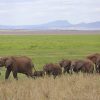
Tarangire is usually the perfect starting point. Its vast plains dotted with ancient baobab trees and large elephant herds make for a gentle introduction to Tanzania’s wildlife. It’s also close to Arusha, so you can start your adventure without spending hours on the road on the first day. From there, moving into the Serengeti allows you to experience the iconic endless plains and, depending on the season, the Great Migration. Spending two days here maximizes your chances of seeing predators, herds of wildebeest and zebra, and the famous acacia-lined horizons that make the Serengeti world-famous.
Finishing in the Ngorongoro Crater is intentional. The crater’s unique ecosystem means wildlife is concentrated in a smaller area, so even on a half-day game drive, you can see rhino, buffalo, lions, and other species that might be harder to spot elsewhere. Ending here also provides a spectacular finale, dramatic scenery combined with high wildlife density, before returning to Arusha or connecting to the next part of your trip.
Some travelers consider alternatives, like starting in Ngorongoro or skipping Tarangire, but these often lead to lost time and missed opportunities. For example, beginning in Ngorongoro can make the first day feel rushed, and skipping Tarangire means missing the iconic baobabs and large elephant herds that make it a photographer’s favorite.
By following this flow, carefully sequenced for wildlife activity, travel efficiency, and scenic value, your five-day safari feels complete and immersive. Each day builds on the last, and by the time you finish, you’ve seen the highlights of Northern Tanzania without feeling overwhelmed or rushed. This is the kind of planning that comes naturally when working with a specialist who knows the parks inside and out.
Travel Logistics: How a 5-Day Tanzania Safari Can Flow Smoothly
When planning a five-day safari, logistics matter just as much as wildlife. Tanzania’s parks are vast, and distances between them are often underestimated by first-time visitors. One of the biggest advantages of working with a safari specialist is knowing how to turn travel time into part of the experience rather than something that feels like a burden.
On the Northern Circuit, most transfers are done by road in a well-equipped 4×4 safari vehicle. Driving allows you to see rural landscapes, local villages, and changing scenery as you move from one ecosystem to another. With proper planning, these drives are scheduled at times that don’t interfere with prime wildlife viewing hours. For example, longer transfers are best done after breakfast, while early mornings and late afternoons are reserved for game drives when animals are most active.
In some cases, especially for travelers who want to minimize time on the road, short domestic flights can be added between parks like Arusha and the Serengeti. These flights are not necessary for everyone, but when used thoughtfully, they can free up extra time for game viewing and relaxation. Knowing when a flight adds value, and when it doesn’t, is part of expert planning and helps keep the safari both efficient and enjoyable.
Another important aspect is flexibility. Wildlife doesn’t follow schedules, and roads inside the parks can change with weather conditions. A well-planned safari leaves room for unexpected sightings, short detours, or extended game drives when something special appears. This kind of flexibility is difficult to achieve without local knowledge and experience on the ground.
When travel logistics are handled correctly, five days feel well-paced and complete. There’s time to explore, time to rest, and time to simply absorb the beauty of Tanzania’s landscapes and wildlife. Good logistics don’t call attention to themselves; they quietly support the entire safari, allowing you to focus on the experience rather than the distances in between.
Safari Vehicles & Guide Strategy
Many travelers focus on the parks they will visit, but from my experience, the quality of the safari vehicle and the skill of the guide have just as much impact on what you see and how you experience it. In a five-day safari, these elements become even more important because every game drive counts.
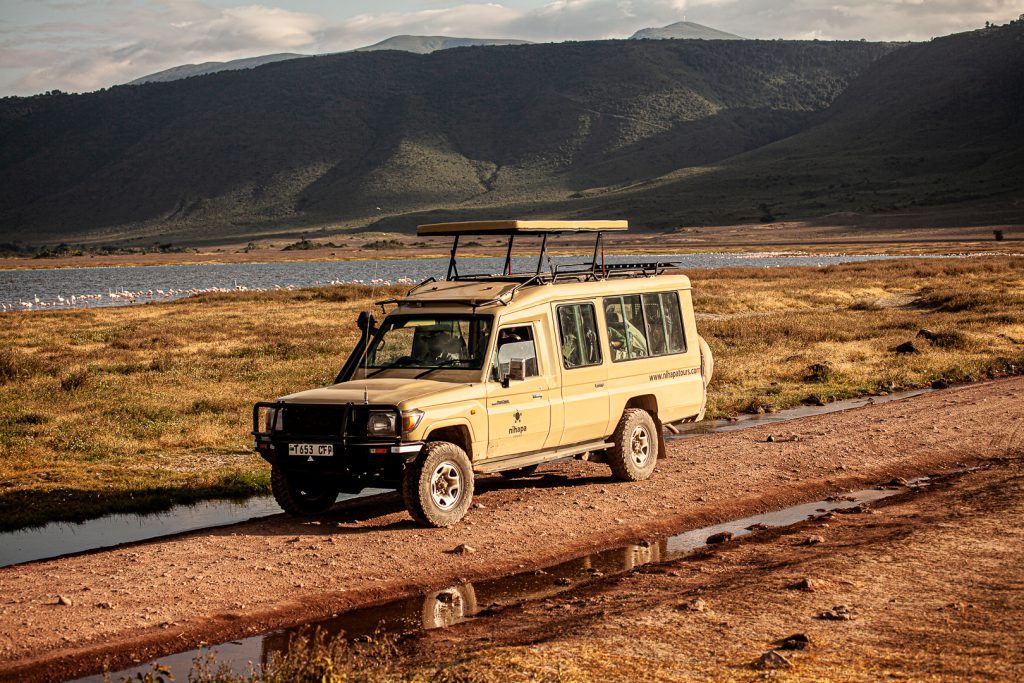
A proper 4×4 safari vehicle is designed for Tanzania’s terrain. High ground clearance, reliable suspension, and a pop-up roof are not just comfort features; they allow better visibility, safer driving on rough tracks, and more flexibility when following wildlife. A well-prepared vehicle also means fewer interruptions, whether that’s handling dusty roads, muddy conditions during the green season, or long hours inside the parks. When the vehicle works as it should, the focus stays on the wildlife, not the journey itself.
Just as important is the guide behind the wheel. A knowledgeable guide doesn’t rely on luck; they read the landscape, understand animal behavior, and communicate with other guides to track wildlife movements throughout the day. Knowing when lions are likely to be resting, where elephants tend to cross, or how the weather affects animal activity can turn an ordinary drive into a memorable one. These insights come from years of experience and daily presence in the parks, not from a script.
Guide strategy also matters in how the day is paced. An experienced guide knows when to linger at a sighting and when to move on, how to avoid crowded areas, and how to position the vehicle for the best light and viewing angle. In a shorter safari, this kind of decision-making ensures that each drive feels purposeful rather than rushed.
When the right vehicle and the right guide come together, a five-day safari becomes far more than a checklist of parks. It becomes a fluid, immersive experience shaped by local knowledge, timing, and instinct, the kind of safari that stays with travelers long after they’ve returned home.
Insider Planning Steps Most Travelers Overlook
One thing I’ve learned after planning so many safaris is that most challenges don’t come from wildlife or weather; they come from small planning decisions made too late or not at all. These details rarely appear on itinerary pages, yet they have a direct impact on how smooth and enjoyable a five-day safari feels.
The first step is always understanding priorities. Some travelers want big predators above all else, others care more about scenery, comfort, or photography. Without clarifying this early, it’s easy to design a safari that looks good on paper but feels unbalanced in reality. In a five-day trip, there is no room for guesswork; every choice should serve a clear purpose.
Another overlooked detail is the order in which bookings are made. Park fees, lodge availability, and vehicle logistics must align perfectly. Certain lodges fill up months in advance, especially in peak season, and changing one element can affect the entire flow of the safari. This is why professional planning starts with accommodation availability and park access, then builds the daily schedule around those fixed points.
Timing inside the parks is equally important. Knowing which picnic sites are best, when to descend into Ngorongoro Crater, or how long to stay in a particular Serengeti area can prevent unnecessary delays and crowded experiences. These aren’t things you find on maps; they come from experience and daily feedback from guides in the field.
Finally, flexibility is built into every well-planned safari. Wildlife encounters don’t follow strict schedules, and road conditions can change with the season. A good plan leaves space to adapt without sacrificing the overall experience. This balance between structure and flexibility is what turns a five-day safari into something that feels relaxed, immersive, and thoughtfully designed.
When these planning steps are handled correctly, travelers rarely notice them, and that’s exactly the point. Everything flows naturally, allowing you to focus on the wildlife, the landscapes, and the feeling of being in one of Africa’s most extraordinary destinations.
Accommodation Choices That Shape a 5-Day Tanzania Safari
Camping Accommodation
Camping is the most immersive accommodation style you can choose on a Tanzanian safari. This option is ideal for travelers who want to feel truly connected to nature and don’t mind simple facilities. Camping usually involves either public campsites or private mobile camps set up close to or inside the parks. You sleep under canvas, often hearing wildlife during the night, which adds a raw and memorable dimension to the experience. Camping works best for adventurous travelers who value experience over comfort and are traveling with an experienced guide and support team.
Budget Accommodations
Budget accommodations are typically simple lodges, guesthouses, or permanent tented camps located just outside national parks. They offer clean rooms, basic amenities, and reliable meals, making them suitable for travelers who want to keep costs manageable while still enjoying a well-organized safari. The main consideration with budget options is location, as staying farther from the park can mean longer drives each morning. With proper planning, however, these accommodations can still support a rewarding five-day safari experience.
Mid-Range Safari Lodges & Camps
Mid-range accommodations are the most popular choice for five-day safaris, and for good reason. These include well-established lodges and permanent tented camps that combine comfort, character, and strategic locations. Rooms are comfortable, service is warm and professional, and meals are consistently good. Many mid-range camps are located inside or very close to the parks, which helps maximize game drive time. For most travelers, this category offers the best balance between comfort, authenticity, and value.
Luxury Safari Lodges & Tented Camps
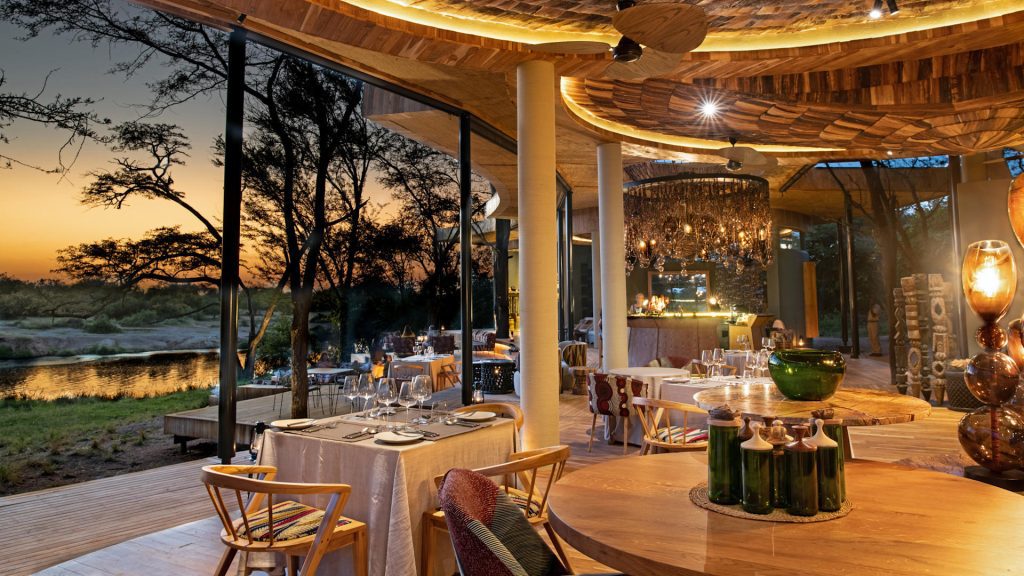
Luxury accommodations elevate the safari experience through prime locations, refined design, and personalized service. These lodges and exclusive tented camps are often found inside national parks or private conservation areas. Guests enjoy spacious rooms, high-quality dining, attentive staff, and sometimes added experiences such as private sundowners or guided nature walks. Luxury works best for travelers who want privacy, comfort, and a slower, more refined pace without sacrificing proximity to wildlife.
Choosing the Right Accommodation for Your Safari
The best accommodation choice always depends on personal priorities, travel style, and expectations. Some travelers prefer simplicity and adventure, others want comfort after long game drives, and some are looking for a once-in-a-lifetime luxury experience. As a safari specialist, my role is to align the accommodation type with the overall safari plan, the season, and the daily flow of the itinerary, ensuring that each night supports the experience of the day before and prepares you well for the next.
Why Location Matters More Than Luxury
When travelers think about safari accommodation, the first question is often about luxury, but from my experience, location is far more important than star ratings, especially on a five-day safari. Where you sleep determines how much time you spend on game drives, how early you can reach wildlife areas, and even the quality of your mornings and evenings in the parks.
In places like the Serengeti, staying inside the park can make a noticeable difference. It allows for early morning game drives when animals are most active and eliminates long entry drives from outside the park. Waking up to the sounds of wildlife and watching the plains come alive at sunrise adds a depth to the experience that can’t be replicated by accommodations farther away, no matter how luxurious they are.
That said, comfort still matters. Mid-range lodges and well-managed tented camps often strike the best balance for a five-day safari. They provide comfortable beds, hot showers, and excellent service while keeping you close to wildlife corridors and key viewing areas. Luxury lodges offer added privacy, refined dining, and special touches, but they should always be chosen with location and daily routing in mind, not just amenities.
In Tarangire and near the Ngorongoro Conservation Area, accommodation choices also affect how smoothly your days begin and end. A lodge closer to the park entrance means less time on the road and more time enjoying game drives or relaxing after a long day. In Ngorongoro, staying on or near the crater rim offers breathtaking views and a strategic advantage for early descents into the crater floor.
The best accommodation choices are always the result of matching traveler expectations, seasonal conditions, and park logistics. When these elements align, your safari feels effortless. You rest well, start each day at the right time, and experience the parks at their best, all without feeling rushed or overwhelmed. This thoughtful approach to accommodation planning is one of the quiet details that turns a five-day safari into something truly memorable.
From Planning to Practice: Your 5-Day Tanzania Safari Itinerary
Now that we have explored why five days is enough, how park choice and flow matter, when wildlife is most active, and how accommodation types shape the experience, the next step is to bring everything together into a real safari plan.
This itinerary is built on the principles discussed above: efficient routing, early starts, balanced driving times, and staying in the right locations rather than simply adding more nights. With proper planning by experienced safari specialists at Nihapa Tours, a 5-day safari can feel complete, immersive, and unhurried.
Below is a carefully structured 5-day Tanzania safari itinerary that follows the Northern Circuit and delivers maximum wildlife value in a limited timeframe.
5-Day Luxury Tanzania Safari Itinerary
Tarangire, Serengeti, Ngorongoro Crater
This itinerary is designed for travelers seeking a luxury safari experience. Every detail, from accommodations to transfers, game drives, and dining, is carefully curated to maximize wildlife viewing while offering comfort, privacy, and refinement. With expert planning, a 5-Day Tanzania Safari is more than enough to experience the highlights of Northern Tanzania in style.
Day 1: Arusha to Tarangire National Park
Your safari begins with a private transfer from your Arusha hotel to Tarangire National Park. Upon arrival, enjoy a luxury game drive in a 4×4 open-roof vehicle equipped with refreshments and expert commentary from your dedicated guide. Tarangire is renowned for its majestic elephant herds and iconic baobab trees, which make for unforgettable photography.
In the late afternoon, check into a luxury lodge or premium tented camp inside or near the park, where fine dining and attentive service await. Spend the evening enjoying sundowners on the lodge terrace, listening to the sounds of the African bush.
Overnight: Luxury lodge or premium tented camp in Tarangire
Day 2: Tarangire to Serengeti National Park
After an early breakfast, enjoy a scenic private drive to the Serengeti, passing through the Ngorongoro Conservation Area. En route, take a personalized game drive, with your guide identifying predators and guiding you to the best photo spots.
Arrive at your luxury lodge or tented camp in central Serengeti in the late afternoon, where you can relax and enjoy gourmet cuisine. The lodge’s prime location allows for early morning wildlife excursions without long drives.
Overnight: Luxury lodge or premium camp in the Serengeti
Day 3: Full Day in Serengeti National Park
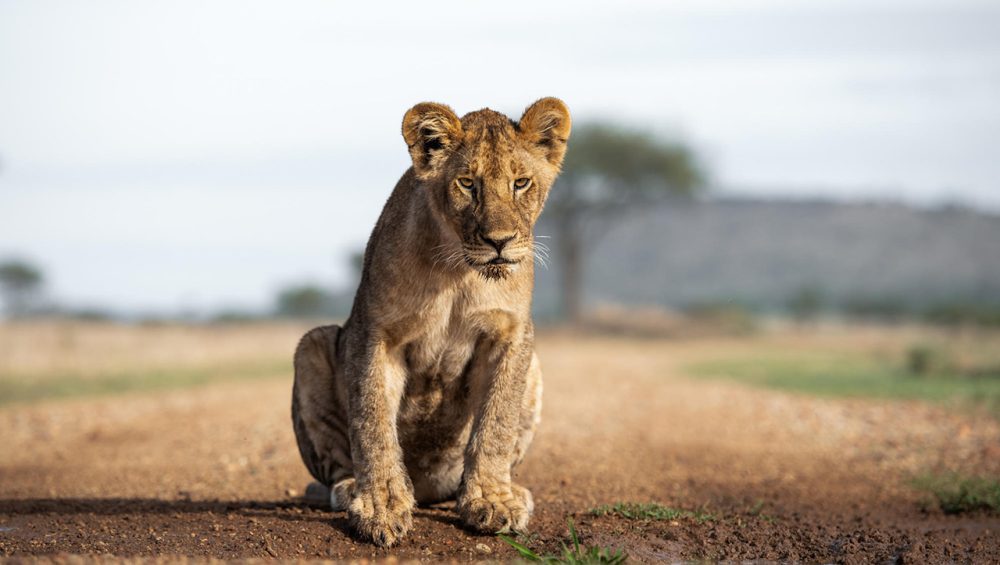
Wake up for a private early morning game drive when wildlife activity is at its peak. Explore the Serengeti plains with your expert guide, watching for lions, cheetahs, leopards, and, if in season, migratory herds of wildebeest and zebra.
Midday is reserved for lunch at your lodge or a specially arranged bush picnic, allowing you to relax while surrounded by nature. Continue with an afternoon game drive, returning at sunset for drinks on your lodge deck.
Optional experience: Hot air balloon safari at sunrise, followed by a champagne breakfast in the bush.
Overnight: Luxury lodge or tented camp in Serengeti
Day 4: Serengeti to Ngorongoro Conservation Area
Begin the day with another morning game drive in the Serengeti before transferring to Ngorongoro. Stop for private visits to a Maasai village along the way if desired, adding a cultural touch to the safari.
Arrive at your luxury lodge on the crater rim in the afternoon, where panoramic views and refined amenities await. Enjoy a sunset sundowner overlooking the crater while reflecting on your Serengeti adventures.
Overnight: Luxury lodge on Ngorongoro Crater rim
Day 5: Ngorongoro Crater to Arusha
Depart early for a half-day game drive inside Ngorongoro Crater, the world’s largest intact volcanic caldera. With a private guide and 4×4 vehicle, you can explore key wildlife hotspots efficiently, increasing your chances of seeing rhinos, lions, buffalo, and flamingos.
After a gourmet bush picnic lunch inside the crater, ascend and enjoy a private transfer back to Arusha, where your luxury safari concludes.
Highlights: Big Five wildlife, crater views, private luxury game drives, seamless transfers
Plan Your Trip to Tanzania
Chat with a local specialist who can help organize your trip.
Other Option for 5 Day Tanzania Safari Itinerary
A 5-day Tanzania safari Tour can be tailored in several ways, depending on your travel style, budget, and interests. Rather than following a one-size-fits-all route, offering multiple itinerary options allows travelers to choose an experience that best matches their expectations, while still covering Tanzania’s most rewarding safari destinations. Below are the most popular and proven 5-day safari itinerary options, each carefully designed to deliver a comprehensive and unforgettable wildlife experience.
Classic 5 days Northern Circuit Safari(Tarangire – Serengeti – Ngorongoro)
Day 1: Arusha to Tarangire National Park
The safari begins with a morning departure from Arusha, driving through scenic countryside toward Tarangire National Park. After entering the park, the first game drive introduces you to Tanzania’s wildlife, with a strong chance of seeing large elephant herds, giraffes, zebras, and a variety of antelope. The Tarangire River often attracts wildlife throughout the day, especially during the dry season. In the late afternoon, you exit the park and continue to your accommodation.
Overnight near Tarangire National Park.
Day 2: Tarangire to Central Serengeti
After breakfast, the journey continues toward the Serengeti, passing through the Ngorongoro Conservation Area with changing landscapes along the way. As you approach the Serengeti plains, wildlife sightings become more frequent. An afternoon game drive allows time to explore the central Serengeti, an area known for resident predators such as lions and cheetahs. The vast open spaces and dramatic skies create a true safari atmosphere.
Overnight in the Central Serengeti.
Day 3: Full Day in Serengeti National Park
This day is dedicated entirely to game drives in the Serengeti. Early morning and late afternoon drives maximize wildlife encounters, when animals are most active. Depending on the season, you may encounter large herds of wildebeest and zebras, along with predators following closely behind. The flexibility of a full day allows your guide to adapt routes based on recent sightings and animal movements.
Overnight in the Central Serengeti.
Day 4: Serengeti to Ngorongoro Conservation Area
After a morning game drive in the Serengeti, the safari heads toward the Ngorongoro Conservation Area. The drive offers opportunities to spot wildlife along the way while transitioning from open plains to highland scenery. Upon arrival, the rest of the day is spent relaxing and preparing for the early descent into the crater the following morning.
Overnight on the Ngorongoro Crater rim or nearby highlands.
Day 5: Ngorongoro Crater to Arusha
An early start allows for a descent into the Ngorongoro Crater, one of Africa’s most remarkable natural wildlife sanctuaries. The crater floor supports a dense concentration of animals, including buffalo, lions, hippos, and, with some luck, rhinos. After a memorable game drive, you ascend from the crater and begin the return journey to Arusha, arriving in the late afternoon.
Serengeti-Focused 5 Day Safari
For travelers whose main goal is exceptional wildlife viewing, particularly big cats and the Great Migration, a Serengeti-focused 5-day Tanzania safari is an excellent choice. Instead of spreading limited time across several parks, this itinerary concentrates most safari days within the Serengeti ecosystem, where wildlife density and predator activity are at their highest.
By spending more time in one region, travelers benefit from longer, unhurried game drives and greater flexibility to follow animal movements as they happen. This approach significantly increases the chances of witnessing natural behavior such as lion hunts, cheetah chases, and large herds moving across the plains. With fewer long transfers between parks, more time is spent where it matters most — out in the field with wildlife.
This safari style is especially rewarding during migration seasons, when vast numbers of wildebeest and zebras dominate different areas of the Serengeti depending on the time of year. An experienced guide can adjust daily routes to match seasonal movements, ensuring the best possible sightings within a short timeframe. For guests who value depth over variety, a Serengeti-focused 5 day Tanzania safari delivers an immersive and highly satisfying wildlife experience.
5 Day Safari Family-Friendly Option
The Family-Friendly 5 Day Tanzania Safari Tour is designed specifically for travelers with children, focusing on comfort, safety, and an easy pace throughout the journey. Unlike standard itineraries, this option prioritizes shorter driving distances and thoughtfully timed game drives, ensuring that younger travelers can enjoy wildlife without becoming fatigued.
Accommodations are chosen with families in mind, offering spacious rooms, family suites, or interconnected tents that make staying together comfortable and convenient. Game drives are flexible, allowing for breaks, meals, and rest periods while still providing excellent opportunities to see elephants, lions, zebras, and other wildlife.
This itinerary balances adventure and relaxation, giving adults and children alike a memorable experience. By pacing the days carefully and selecting lodges or camps in strategic locations, families can explore the highlights of Tarangire, Serengeti, and Ngorongoro Crater without long hours in the vehicle. Beyond wildlife, it also provides opportunities for educational encounters, such as learning about local ecosystems or interacting safely with Maasai communities, making the safari both fun and enriching for the entire family.
Luxury Add-Ons for Your 5-Day Tanzania Safari
One of the joys of a luxury safari is that every day can be tailored to your preferences, adding layers of exclusivity and personalization. Over the years, I’ve learned that these extra touches create memories that last long after the safari ends.
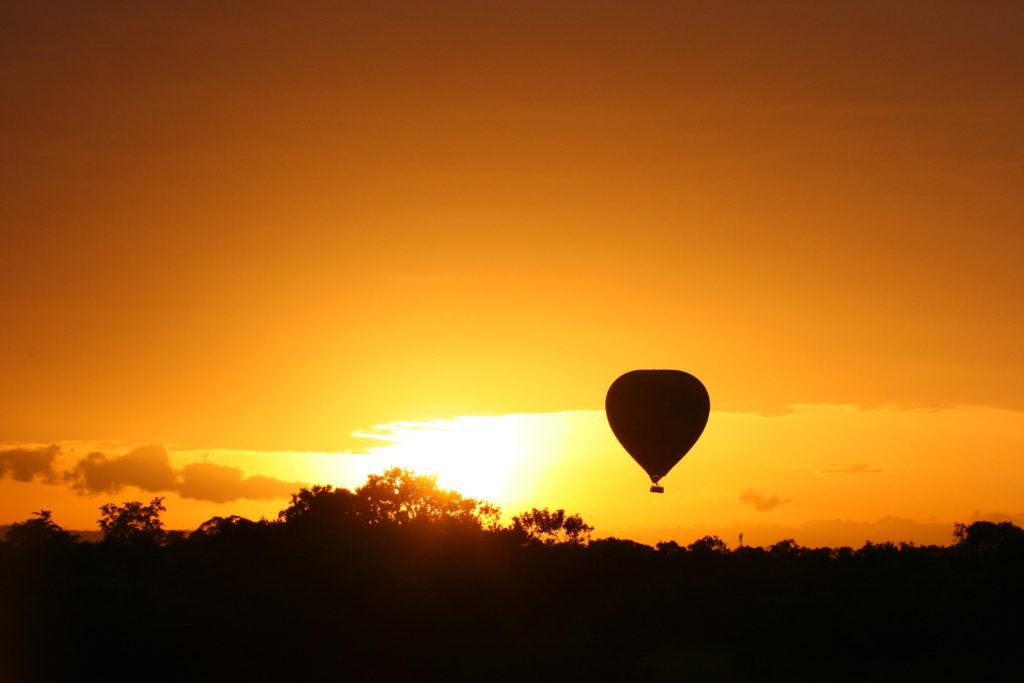
Private Hot Air Balloon Safari: Few experiences compare to drifting above the Serengeti plains at sunrise. A balloon safari gives a unique perspective on the endless plains, herds of wildebeest, and predator activity below. Most packages include a champagne breakfast in the bush after landing, combining adventure and elegance.
Gourmet Bush Picnics and Private Dining: Instead of standard park lunches, luxury safaris allow for personalized bush picnics or exclusive meals at your lodge terrace. These are prepared to order, often featuring local ingredients, and are timed to avoid crowds, so you can enjoy wildlife sightings uninterrupted.
Cultural Encounters: Visiting a Maasai village or meeting local communities provides insight into Tanzanian life and traditions. In a luxury setting, these experiences are private, respectful, and immersive, often guided by someone who ensures meaningful interaction while protecting cultural integrity.
Private Walking or Night Safaris: For travelers seeking deeper immersion, guided walking safaris around lodge grounds or private night drives offer an intimate look at smaller wildlife and nocturnal behavior. These experiences are carefully managed for safety, comfort, and exclusivity.
Tailored Photography Opportunities: Expert guides can position vehicles, plan drives, and recommend times for the best light, ensuring every moment is photo-ready. Some lodges even offer private photography lessons or equipment support for enthusiasts.
These optional experiences are designed to maximize your time in the parks, creating a luxury safari that is not just seen but deeply felt. With careful planning, each day becomes a combination of wildlife adventure, relaxation, and refined enjoyment.
Best Season for a 5-Day Tanzania Safari
Planning a five-day Tanzania safari means choosing the right time to visit. The timing of your trip can make a huge difference in wildlife sightings, park conditions, and overall enjoyment. Over the years, guiding countless travelers, I’ve learned that understanding the seasons and their impact is one of the most important steps in planning a successful safari. In this guide, I’ll break down the best months to go, what to expect in each park, and why proper timing elevates your safari experience.
Understanding Tanzania’s Seasons
Tanzania’s climate is divided into distinct wet and dry seasons, and each influences wildlife behavior differently. The dry season runs roughly from June to October, while the long rains occur between March and May, and the short rains happen in November and December. Each season brings its advantages and trade-offs. Knowing this allows you to plan your five-day Tanzania safari for maximum impact, whether you’re focused on seeing the Great Migration, big cats, or elephants.
The dry season is often considered the prime time for wildlife viewing. During this period, animals concentrate near rivers, waterholes, and remaining green areas. This makes spotting lions, elephants, giraffes, and other iconic species easier and more predictable. The landscape is also clearer, providing unobstructed views for photography. Roads in parks like the Serengeti and Tarangire are generally in good condition, meaning you spend less time navigating mud and more time observing wildlife.
Conversely, the wet season brings lush landscapes, fewer tourists, and vibrant birdlife. The short rains in November and December slightly affect accessibility, but many travelers prefer this period for the dramatic scenery, newborn animals, and lower prices. The long rains from March to May, however, can make some park roads difficult, and wildlife tends to disperse, so sightings may require more patience and flexibility.
Dry Season Advantages for a 5-Day Tanzania Safari
When I plan five-day Tanzania safaris, I often recommend June to October because the dry season offers the most consistent wildlife encounters. During these months, Tarangire is famous for its large elephant herds congregating around water sources. The Serengeti plains are ideal for observing predators, as prey gathers in open areas. Ngorongoro Crater, meanwhile, maintains year-round resident wildlife, but the dry season enhances viewing visibility and photography.
Early mornings and late afternoons are particularly rewarding during the dry season. Animals are most active during cooler hours, so scheduling game drives at these times is crucial. Choosing a five-day Tanzania safari in the dry season ensures that you maximize your limited time, experiencing iconic wildlife moments without the frustration of heavy rains or inaccessible areas.
Wet Season Opportunities and Considerations
Although less popular, the wet season offers unique experiences. The short rains bring vibrant greenery, abundant wildflowers, and dramatic skies over the plains. Migratory herds often give birth during this time, creating opportunities to witness newborn wildebeest calves and predator-prey interactions. Birdwatchers find this season especially rewarding, with thousands of migratory birds adding color and activity to the parks.
If you consider a wet-season five-day Tanzania safari, it’s important to work with a knowledgeable tour specialist. At Nihapa Tours, we plan routes and game drives to avoid muddy tracks and ensure your experience remains smooth. Even in the rain, wildlife is still present; it’s just more dispersed, so timing, guides, and park selection become even more critical.
Timing the Great Migration
For many visitors, the highlight of a five-day Tanzania safari is the Great Migration. Timing your trip to coincide with the movement of wildebeest and zebra dramatically enhances your experience. The migration moves seasonally: the Southern Serengeti sees calving from January to March, while Northern Serengeti and Mara crossings occur from July to October. Understanding these seasonal patterns allows me to craft itineraries that increase the likelihood of witnessing river crossings and predator interactions.
For example, a July to September five-day Tanzania safari often includes Tarangire, Northern Serengeti, and Ngorongoro. This timing ensures access to predator-rich plains and river crossings while avoiding muddy roads common in the rains. Planning around migration peaks adds immense value to your safari, making even a short five-day itinerary feel comprehensive and memorable.
Park-Specific Seasonal Insights
Each park has its own seasonal dynamics that affect a five-day Tanzania safari. Tarangire is known for dry-season elephant gatherings. The Serengeti plains offer expansive game drives in open landscapes during dry months, while the Ngorongoro Crater provides consistent wildlife year-round but is best seen with clear skies for photography. Knowing these seasonal patterns allows me to optimize routes and game drives, ensuring guests experience the most iconic moments without wasting time.
The dry season also reduces the risk of safari fatigue. Roads are smoother, drives are predictable, and animals are concentrated. Even in a short five-day Tanzania safari, you can cover multiple parks without spending excessive time traveling between destinations. Proper planning and timing make the itinerary feel luxurious, efficient, and rich in wildlife encounters.
Choosing the Best Season
Ultimately, the best season for a five-day Tanzania safari depends on your priorities. If you want predictable wildlife, easy travel, and dramatic landscapes, the dry season from June to October is ideal. If you prefer lush scenery, newborn wildlife, and fewer tourists, consider the short rains in November and December. Either way, working with an experienced tour specialist ensures that even a short itinerary is packed with unforgettable moments.
By understanding Tanzania’s seasons, migration patterns, and park-specific dynamics, a five-day Tanzania safari becomes a perfectly timed adventure. Proper preparation, combined with expert guidance, ensures that your limited days deliver maximum wildlife encounters, spectacular scenery, and a seamless travel experience. Choosing the right season is not just about seeing animals; it’s about crafting memories that last a lifetime.
Plan Your Trip to Tanzania
Chat with a local specialist who can help organize your trip.
Packing List & Essentials for a 5-Day Tanzania Safari
One of the most common questions I get from travelers is: “What should I pack for a five-day Tanzania safari?” After guiding hundreds of guests through the parks, I’ve learned that a carefully planned packing list can make the difference between a smooth, enjoyable safari and one filled with small frustrations. On a five-day Tanzania safari, every item matters because you’ll move between different parks, climates, and activities.
Clothing and Layering
Tanzania’s weather can vary dramatically during the day, even in the dry season. I always recommend layering: lightweight, breathable clothing for daytime drives, warmer layers for early mornings and late afternoons, and a waterproof jacket in case of unexpected rain. Neutral colors like khaki, olive, or beige work best; they help you blend into the environment, making wildlife encounters more likely. A wide-brimmed hat, sunglasses, and a scarf for dust are essential.
Footwear
Comfortable walking shoes or light hiking boots are a must. While most game drives happen in vehicles, you may want to walk around lodges, camps, or short trails. Flip-flops or sandals are useful for relaxing at your lodge or camp.
Gear and Accessories
Binoculars and a camera are indispensable. I recommend at least a 200mm lens for wildlife photography. Extra memory cards, batteries, and chargers are essential since access to stores is limited inside parks. A small backpack for water, snacks, and sunscreen is handy for game drives.
Health and Safety Essentials
Sunscreen, insect repellent, and a basic medical kit should never be forgotten. For longer safaris, motion sickness tablets or personal medications may be needed. Staying hydrated is key, so always carry a refillable water bottle.
Travel Documents and Money
Carry your passport, visas, travel insurance, park permits, and confirmations from your tour operator. Cash in small denominations is useful for tips, souvenirs, or small local purchases.
With this packing list, you’re fully prepared for a five-day Tanzania safari. Every layer, every piece of gear, and every precaution helps you stay comfortable, safe, and ready for the incredible wildlife and scenery ahead.
Cultural & Local Experiences on a 5-Day Tanzania Safari
While wildlife is undoubtedly the highlight of a five-day Tanzania safari, I’ve found that the cultural experiences you include often become the most memorable moments. Visiting local communities adds depth, context, and authenticity to your adventure, allowing you to connect with the people and traditions that make Tanzania so unique.
Visiting Maasai Villages
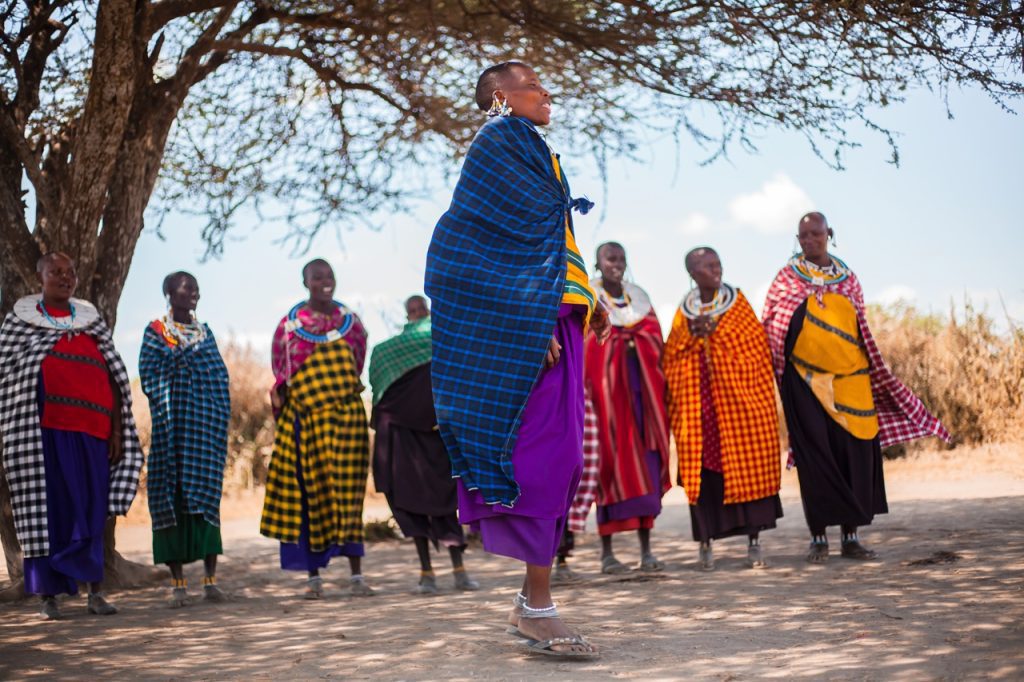
One of the most rewarding experiences is visiting Maasai villages. These communities have preserved their traditions for centuries, and a guided visit allows you to learn about their way of life, customs, and colorful attire. You can observe traditional dances, see how homes are built, and even participate in cultural activities. For a five-day Tanzania safari, I always schedule these visits carefully so they complement the wildlife itinerary without feeling rushed.
Exploring Coffee Farms and Local Agriculture
Tanzania is famous for its coffee, and touring a coffee farm offers insight into daily life beyond the parks. You can see the cultivation process, learn about harvesting techniques, and sample freshly brewed coffee. It’s a hands-on experience that engages all your senses and gives a break from game drives while still connecting to the local culture.
Connecting with Small Local Communities
Smaller villages along your safari route often provide spontaneous cultural encounters, meeting local artisans, seeing traditional crafts, or sampling regional foods. These interactions bring a personal touch to your safari, making it feel less like a checklist and more like a journey.
Including cultural stops in a five-day Tanzania safari adds richness to your experience. It reminds travelers that Tanzania is not just about wildlife; it’s about people, traditions, and stories that have shaped the land you explore. With proper planning, you can balance game drives with cultural immersion, ensuring your safari feels complete, meaningful, and unforgettable.
Photography Tips & Best Times for a 5-Day Tanzania Safari
Capturing your safari memories on camera is one of the highlights of a five-day Tanzania safari, but it requires a little planning and insider knowledge. Over the years, I’ve guided countless travelers, and I’ve learned that timing, equipment, and positioning make all the difference between ordinary snapshots and stunning wildlife photographs.
Optimal Times of Day
The best wildlife photos are taken during the early morning and late afternoon. Animals are most active in these cooler hours, and the light is soft and golden, perfect for photography. Midday sun can create harsh shadows, making it harder to capture details in animals’ features or landscapes. On a five-day Tanzania safari, I always structure game drives around these golden hours to ensure my guests have prime opportunities for photos.
Recommended Equipment
A DSLR or mirrorless camera with a zoom lens of at least 200mm is ideal for capturing wildlife from a safe distance. Binoculars are useful for spotting animals before photographing them, and a tripod or monopod helps stabilize long shots. Always carry extra batteries and memory cards, as access to charging points is limited in the parks.
Practical Photography Tips
Neutral clothing helps you blend into the environment, reducing the chance of startling animals. Keep your camera ready at all times, as wildlife sightings can be sudden. Shooting through vehicle windows requires patience. I often recommend waiting for the right light and angle rather than snapping immediately. Capturing landscapes is just as important; the Serengeti plains, Tarangire’s baobabs, and Ngorongoro Crater views make incredible wide shots.
Beyond Wildlife
A five-day Tanzania safari offers opportunities to photograph more than animals. Cultural visits, local markets, and scenic landscapes add depth to your photo collection. Take candid shots of Maasai dancers, sunrise over the plains, or elephants drinking at a waterhole; these moments tell the story of your journey in a way that words alone cannot.
By planning your photography approach and following these tips, a five-day Tanzania safari becomes not just an adventure, but a collection of memories captured beautifully to relive long after your trip ends.
Health & Safety Considerations on a 5-Day Tanzania Safari
A safe and healthy safari is essential to truly enjoy the magic of Tanzania. Over my years guiding travelers, I’ve seen that those who prepare properly have the most comfortable and memorable experiences. On a 5-Day Safari in Tanzania, taking the right precautions allows you to focus on wildlife, scenery, and cultural encounters without unnecessary stress.
Vaccinations and Medical Preparations
Before traveling, I always advise guests to consult a travel doctor for recommended vaccinations, which may include yellow fever, typhoid, hepatitis A and B, and routine immunizations. Malaria is present in many areas, so preventive medication is strongly recommended. Carrying a small personal medical kit with basic items like painkillers, bandages, antiseptics, and any personal prescriptions ensures you’re prepared for minor issues during your safari.
Safe Drinking Water and Food
Dehydration is a common risk during safaris, especially under the African sun. I recommend carrying a refillable water bottle and drinking regularly. Lodges and camps usually provide safe, filtered water. When it comes to food, most accommodations serve freshly prepared meals, but it’s always wise to follow guidance from your tour specialist regarding street food or unfamiliar local dishes.
Vehicle and Park Safety
Safari vehicles are designed for safe wildlife viewing, but following guide instructions is critical. Stay seated during game drives, keep arms and cameras inside the vehicle, and never approach animals on foot unless accompanied by a professional guide. I always emphasize safety without compromising the experience, knowing when to stop, wait, or reposition makes the difference between an amazing encounter and a risky situation.
Pacing and Fatigue
A five-day Tanzania safari can be intense if not paced properly. I plan early morning and late afternoon game drives with rest breaks in between. This schedule avoids fatigue, allows time for meals and relaxation, and ensures guests enjoy each park fully without feeling rushed. Proper rest and hydration keep energy high and spirits up throughout the trip.
By prioritizing health and safety, a 5-Day Safari in Tanzania becomes not only thrilling but comfortable, worry-free, and fully immersive. With the right preparation, you can focus on what really matters: incredible wildlife, stunning landscapes, and unforgettable cultural experiences.
How to Book a 5-Day Safari in Tanzania
Booking a 5-Day Safari in Tanzania might seem overwhelming at first, but with the right guidance, the process can be simple, efficient, and tailored to your preferences. Having arranged hundreds of safaris myself, I always emphasize planning with a specialist to ensure every detail from accommodations to game drives matches your expectations.
Start with a Tour Specialist
I always recommend beginning your journey by contacting an experienced tour specialist like Nihapa Tours. Our team provides personalized advice, answers all questions, and helps design itineraries that make the most of your five days. Working with a specialist ensures you don’t miss key wildlife sightings, cultural experiences, or park logistics, which is particularly important on a shorter safari.
Plan Your Trip to Tanzania
Chat with a local specialist who can help organize your trip.
Choose Your Ideal Itinerary
Even with only five days, there are multiple ways to structure your safari. At Nihapa, we help guests select the right parks, plan optimal routes, and schedule game drives around wildlife activity and photography opportunities. The Northern Circuit, Tarangire, Serengeti, and Ngorongoro Crater- is usually ideal, but alternatives are possible depending on your priorities and travel dates.
Select Accommodations and Safari Style
Your choice of lodges, tented camps, or boutique properties directly impacts your experience. We guide travelers through budget, mid-range, and luxury options, ensuring comfort, location, and amenities align with your preferences. On a five-day Tanzania safari, lodging close to park entrances helps maximize wildlife viewing while reducing long drives.
Confirm Details and Payments
Once your itinerary and accommodations are selected, the next step is confirming park permits, vehicle and guide bookings, and any optional activities. At Nihapa Tours, we handle all logistics, including park fees and transfers, so you can focus on your safari experience. Transparent pricing ensures there are no surprises, and payment is straightforward and secure.
Plan for Travel Essentials
Before departure, I advise preparing documents, packing appropriately, and reviewing health and safety recommendations. With everything organized in advance, your five-day Tanzania safari begins smoothly, leaving you free to enjoy the incredible wildlife, landscapes, and cultural encounters.
Booking with an experienced specialist like Nihapa Tours ensures your safari is seamless, memorable, and tailored entirely to you. Even a short, five-day itinerary can feel luxurious, immersive, and perfectly timed with the guidance of a knowledgeable local expert.
Frequently Asked Questions About a 5-Day Tanzania Safari
Yes, five days is enough when the safari is properly planned. With an experienced tour specialist, you can visit key parks like Tarangire, Serengeti, and Ngorongoro Crater without feeling rushed. The key is smart routing, early game drives, and choosing accommodations close to wildlife areas.
The best time is generally during the dry season from June to October, when wildlife is easier to spot, and roads are in good condition. However, the short rainy season in November and December also offers excellent wildlife viewing, fewer crowds, and beautiful green landscapes.
Costs vary depending on accommodation level, season, and group size. Budget safaris start at a lower price point, while mid-range and luxury safaris offer increased comfort and exclusivity. A well-organized five-day Tanzania safari typically includes park fees, accommodation, meals, a professional guide, and private transport.
The Northern Circuit is ideal. Tarangire offers large elephant herds, the Serengeti provides vast plains and predators, and Ngorongoro Crater delivers one of the highest wildlife densities in Africa. This combination works perfectly within a five-day timeframe.
Yes, it’s very suitable. With proper pacing and comfortable lodges, families and first-time travelers can enjoy the experience without exhaustion. Activities are flexible, and the itinerary can be adjusted to suit different ages and interests.
You can choose between camping, lodges, or luxury tented camps. Budget travelers often prefer camping or simple lodges, while mid-range and luxury options provide more comfort, privacy, and prime locations inside or near the parks.
There is a very strong chance, especially when visiting the Serengeti and Ngorongoro Crater. While wildlife sightings can never be guaranteed, proper planning, experienced guides, and well-timed game drives greatly increase your chances.
I recommend booking at least 2–4 months in advance, especially during peak season. This ensures better accommodation availability, smoother logistics, and enough time to customize your safari according to your preferences.