The Impact of Climate Change on Wildlife in Tanzania: What You Need to Know
Table of contents
- The Impact of Climate Change on Wildlife in Tanzania: What You Need to Know
- What climate change means in a global and local context
- Changing climate patterns affecting wildlife ecosystems
- Wildlife population trends influenced by climate change
- Impact on Wildlife Species in Tanzania
- Regulations and Conservation Efforts
- How Travelers Can Contribute to Conservation
- Conclusion
- Read More of our Articles
What climate change means in a global and local context
Climate change refers to long-term shifts in temperature, rainfall patterns, wind systems, and overall climate behavior caused primarily by increased greenhouse gas emissions. While it is a global phenomenon, its effects are not evenly distributed. Countries like Tanzania, which rely heavily on natural ecosystems and biodiversity, are especially vulnerable because small environmental changes can significantly disrupt wildlife habitats and ecological balance.
Globally, rising temperatures have led to melting glaciers, rising sea levels, and more frequent extreme weather events such as floods, droughts, and heatwaves. In East Africa, including Tanzania, climate change is strongly reflected through irregular rainfall patterns, prolonged dry seasons, and increasingly unpredictable weather cycles. These shifts directly affect wildlife behavior, migration patterns, and survival rates.
Tanzania’s ecosystems—ranging from the Serengeti plains to the Ngorongoro highlands and coastal mangroves—are highly sensitive to rainfall and temperature changes. Wildlife depends on seasonal rains to trigger grass growth, water availability, and breeding cycles. When these patterns change, the entire food chain is affected.
Changing climate patterns affecting wildlife ecosystems
One of the most noticeable changes in Tanzania is the shift in rainfall timing and intensity. The long rains and short rains are becoming less predictable, with some seasons delayed or shortened. This has led to extended dry periods in key wildlife areas such as the Serengeti and Tarangire National Parks.
Increased temperatures also contribute to faster evaporation of water sources, shrinking rivers, and drying of seasonal wetlands. These changes force animals to travel longer distances in search of water and food, increasing competition and stress within ecosystems.
Another major concern is the increasing frequency of droughts. Severe drought events have been recorded across northern Tanzania in recent years, reducing vegetation cover and affecting herbivore populations. At the same time, occasional heavy rainfall events lead to flooding, which disrupts breeding grounds and damages habitats.
Wildlife population trends influenced by climate change
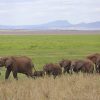
Although Tanzania remains one of Africa’s strongest wildlife strongholds, several species have shown population stress linked to environmental changes. Elephant populations, while recovering in some protected areas due to anti-poaching efforts, still face habitat pressure as dry seasons intensify. Lions and other large predators are indirectly affected as prey availability becomes less predictable.
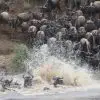
Migratory species, particularly wildebeest and zebras in the Serengeti ecosystem, rely heavily on rainfall-driven grass growth patterns. When rains shift, migration timing can become irregular, affecting calving success and survival rates of young animals.
Bird populations, especially migratory species traveling along the East African flyway, are also influenced by changing wetland conditions. Reduced water levels in lakes such as Manyara and Natron impact breeding and feeding habitats for flamingos and other water birds.
While exact numbers vary by region and species, conservation studies indicate that climate-related stress is becoming an increasingly important factor alongside poaching and human-wildlife conflict in shaping wildlife population dynamics in Tanzania.
Impact on Wildlife Species in Tanzania
Elephants, lions, and other key species are under pressure
Tanzania is home to some of Africa’s most iconic wildlife species, but many are now facing new challenges linked to climate variability. Elephants, for example, require large amounts of water and vegetation daily. During prolonged droughts, they are forced to travel outside protected areas, increasing the risk of human-wildlife conflict. This movement also places additional pressure on already fragmented habitats.
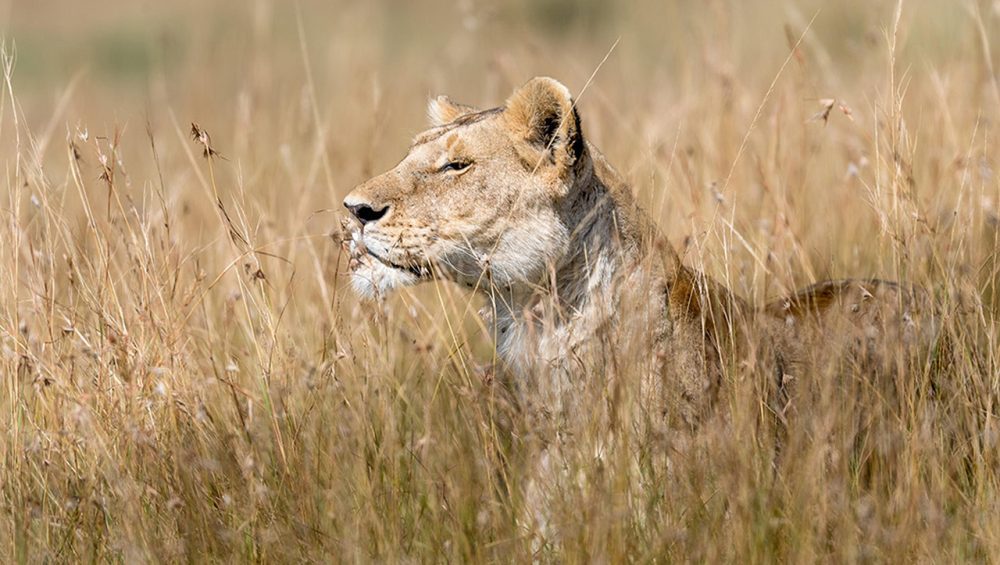
Lions depend on stable prey populations such as wildebeest, zebras, and buffalo. When drought reduces herbivore numbers or disrupts migration routes, lions face food scarcity. This can lead to increased territorial range expansion and occasional conflict with livestock keepers near conservation areas.
Smaller species such as antelopes and gazelles are also affected, as grass quality and availability decline during dry periods. These changes ripple upward through the food chain, influencing predator survival and ecosystem stability.
Habitat loss and shifting ecosystems
Climate change does not only affect temperature and rainfall; it also transforms habitats. In Tanzania, savannah ecosystems are gradually experiencing bush encroachment in some areas due to altered rainfall patterns and reduced fire frequency. This changes open grasslands into denser shrubland, which is less suitable for grazing species.
Wetlands are shrinking or becoming seasonal rather than permanent. For example, areas around Lake Manyara and parts of the Rufiji Delta experience fluctuating water levels that impact both resident and migratory species.
Forest ecosystems in places like the Eastern Arc Mountains are also under pressure. Rising temperatures shift suitable habitats to higher elevations, forcing species to move uphill where available space is limited. This can lead to reduced biodiversity in lower forest zones.
Food chain disruptions and survival challenges
One of the most critical impacts of climate change is disruption to food availability. Herbivores depend on fresh grass growth following rains, but inconsistent rainfall leads to patchy vegetation. This forces animals to travel longer distances, increasing energy expenditure and vulnerability to predators.
Predators, in turn, struggle with inconsistent prey availability. This imbalance can lead to population decline or increased conflict as predators seek alternative food sources near human settlements.
Aquatic ecosystems are also affected. Fish populations in rivers and lakes fluctuate with water levels and temperature changes, impacting species that rely on aquatic food sources, including birds and reptiles.
Adaptation and resilience among wildlife species
Despite these challenges, some wildlife species in Tanzania show remarkable adaptability. Elephants, for instance, are known for their memory and ability to track distant water sources during droughts. Wildebeest migration patterns, although influenced by climate, still follow long-established routes that allow partial adaptation to changing conditions.
Certain bird species adjust their breeding cycles based on rainfall timing. However, the speed of climate change is becoming a concern, as not all species can adapt quickly enough to survive rapidly shifting conditions.
Conservationists have observed that ecosystems with strong protection and minimal human disturbance tend to show greater resilience. This highlights the importance of maintaining intact habitats to support natural adaptation processes.
Regulations and Conservation Efforts
Tanzania’s conservation framework and protected areas
Tanzania has one of the most extensive protected area networks in Africa, including national parks, game reserves, and conservation areas. Institutions such as the Tanzania National Parks Authority (TANAPA), Ngorongoro Conservation Area Authority (NCAA), and the Tanzania Wildlife Management Authority (TAWA) play a central role in protecting wildlife and ecosystems.
These organizations enforce regulations that limit human activity in sensitive habitats, control tourism activities, and manage wildlife populations. Anti-poaching laws and patrol systems have also contributed significantly to the recovery of species such as elephants in some regions.
Climate change adaptation is increasingly being integrated into conservation planning. This includes monitoring water sources, managing fire regimes, and protecting migration corridors that allow wildlife to move freely in response to environmental changes.
Key organizations involved in wildlife protection
In addition to government bodies, several international and local organizations contribute to conservation efforts in Tanzania. Groups such as the World Wildlife Fund (WWF), African Wildlife Foundation (AWF), and various community-based conservation initiatives support habitat protection, research, and community engagement programs.
Local NGOs play an especially important role in linking conservation with community development. Since many rural communities depend on natural resources, conservation programs often include education, alternative livelihoods, and compensation schemes to reduce human-wildlife conflict.
Tourism companies also contribute indirectly through park fees, conservation levies, and partnerships with local organizations that fund wildlife protection and community projects.
Effectiveness of conservation efforts in a changing climate
While Tanzania’s conservation system is strong compared to many regions, climate change introduces new challenges that are harder to control than poaching alone. Protected areas cannot fully shield wildlife from droughts, shifting rainfall, or ecosystem degradation caused by global climate systems.
However, conservation efforts have been effective in maintaining wildlife populations within core protected zones. Serengeti, Ngorongoro, and Ruaha ecosystems continue to support large populations of mammals despite environmental pressures.
The main limitation is connectivity. Wildlife needs corridors to move between habitats, especially during extreme weather events. Expansion of agriculture and human settlements sometimes restricts these movements, making climate adaptation more difficult for wildlife.
Ongoing efforts now focus on landscape-level conservation rather than isolated parks, ensuring ecosystems remain connected and resilient.
How Travelers Can Contribute to Conservation
Supporting wildlife protection through responsible travel
Travelers play an important role in conservation by choosing responsible tourism practices. One of the most effective ways to contribute is by selecting eco-conscious tour operators that prioritize sustainability, ethical wildlife viewing, and community engagement.
Reducing environmental impact during safaris is also essential. This includes minimizing plastic waste, respecting park rules, avoiding disturbance to wildlife, and staying on designated routes. Responsible behavior helps reduce stress on animals already affected by climate-related challenges.
Supporting local guides and businesses ensures that tourism revenue directly benefits communities living near wildlife areas. This strengthens the relationship between conservation and local livelihoods.
Eco-tourism practices that protect fragile ecosystems
Eco-tourism in Tanzania focuses on low-impact travel that preserves natural habitats while providing meaningful visitor experiences. This includes using solar-powered camps, water conservation systems, and eco-lodges built with minimal environmental disruption.
Small-group safaris are increasingly encouraged because they reduce pressure on wildlife and allow for better-managed tourism flow in sensitive areas. This is especially important in regions experiencing environmental stress due to climate change.
Visitors are also encouraged to travel during off-peak seasons when possible, helping distribute tourism pressure more evenly throughout the year.
Community partnerships and conservation-driven tourism
Many conservation programs in Tanzania are linked with local communities. Travelers contribute indirectly by supporting tourism companies that invest in education, healthcare, and conservation initiatives.
Some programs involve community conservancies where local residents share in tourism revenue in exchange for protecting wildlife habitats. This model has proven effective in reducing poaching and encouraging sustainable land use.
By choosing operators who actively support conservation partnerships, travelers help fund long-term wildlife protection strategies that address both environmental and social challenges.
Conclusion
Climate change is reshaping Tanzania’s wildlife ecosystems in complex and far-reaching ways. From shifting rainfall patterns and habitat transformation to food chain disruptions and migration changes, its impact is already visible across major national parks and conservation areas.
While species such as elephants, lions, and migratory birds continue to adapt, the pace of environmental change presents serious challenges that require coordinated action. Tanzania’s strong conservation framework provides a solid foundation, but long-term resilience depends on protecting habitats, maintaining wildlife corridors, and integrating climate adaptation strategies into conservation planning.
Travelers also play a meaningful role in this effort. Through responsible tourism, eco-friendly choices, and support for community-based conservation programs, every safari becomes part of a larger solution. Organizations such as Nihapa Tours continue to contribute by promoting sustainable safari experiences that balance wildlife protection with community benefit, ensuring that Tanzania’s natural heritage remains strong for future generations.