How Much Does an African Safari Cost?
An African safari typically costs 200 to 2,500 USD per person per day, depending on the destination, season, and level of accommodation. Budget safaris usually fall between 200 and 350 USD, mid-range safaris average 350 to 700 USD, and luxury or fly-in safaris can range anywhere from 800 to over 2,500 USD per person per day. Countries such as Tanzania, Kenya, Botswana, and Rwanda tend to be more expensive because they offer premium wildlife areas and strong conservation standards, while South Africa and Namibia often have more affordable options. Understanding these price patterns makes it easier to plan a safari that matches your expectations and budget.
Table of contents
Typical Price Range for an African Safari
The average price of a safari depends heavily on the style of travel you choose. Budget options keep costs low by using simple lodges, shared vehicles, and low-season rates. Mid-range safaris offer a comfortable balance, with reliable accommodations, skilled guides, and well-managed itineraries. Luxury safaris focus on exclusivity, high-end camps, private guides, and prime wildlife locations, especially in destinations like the Serengeti, Maasai Mara, or the Okavango Delta. These categories help travelers understand where they fit and how much they should expect to spend before comparing specific packages.
What Influences the Cost of a Safari?
Several major factors determine how much your safari will cost. The first is the destination. Tanzania and Kenya are famous for iconic wildlife events such as the Great Migration, which takes place in parks that charge higher conservation fees. Botswana is known for low-impact tourism, meaning far fewer visitors and more exclusive lodges, which increases the price. South Africa is typically more budget-friendly because of its larger infrastructure and wider lodging choices.
The level of accommodation you choose also has a major impact. Budget lodges provide the basics, while mid-range properties offer comfortable rooms, private bathrooms, and good service. Luxury camps provide spacious tents, fine dining, private decks, excellent locations, and a higher staff-to-guest ratio. The most exclusive camps operate in remote areas accessible only by small planes, adding convenience but also raising the cost.
Seasonality plays an important role, too. High season usually runs from June to October and brings the best wildlife viewing conditions, which makes it the most expensive time to travel. The green season, from November to March, offers lower rates, fewer crowds, and beautiful landscapes, although some parks have more scattered wildlife. Peak periods, such as July to September, especially in the Serengeti and Maasai Mara, experience the highest demand because of the river crossings associated with the Great Migration.
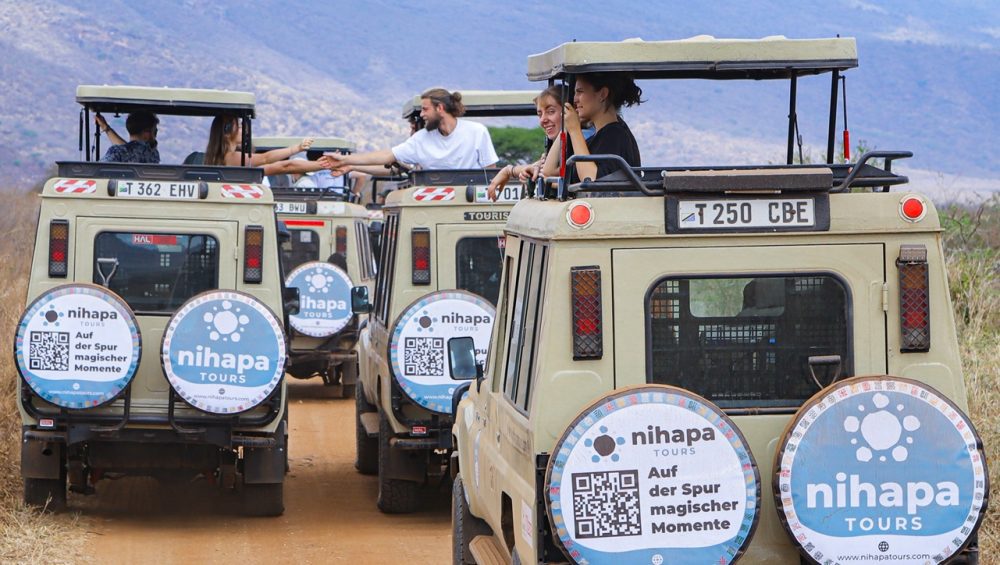
The type of safari also affects the cost. A private safari offers flexibility and personal attention but costs more than a shared or group option. Fly-in safaris, where travelers move between parks by small aircraft, add convenience and save time but increase the overall price. Overland safaris, which involve road travel between parks, generally remain the most affordable.
Example of Safari Costs in Tanzania
Tanzania serves as a valuable reference point, being one of Africa’s most renowned safari destinations. A four-day mid-range safari typically costs between 1,400 and 2,000 USD per person. A five-day itinerary usually ranges from 1,700 to 2,500 USD, depending on accommodation choices. Longer safaris of seven or eight days typically range from $ 2,400 to $ 3,800 per person. Luxury fly-in safaris to exclusive Serengeti camps can cost 5,000 to more than 12,000 USD per person, depending on season and camp tier. These prices often include accommodations, meals, park fees, a professional guide, and a dedicated safari vehicle.
Click Here For More Details About Tanzania Tour Cost
How to Reduce Safari Costs
Travelers can lower safari expenses without compromising the quality of the experience. Choosing the green season is one of the best ways to secure lower prices while still enjoying excellent wildlife viewing. Selecting mid-range lodges instead of luxury camps reduces overall costs substantially while maintaining comfort. Joining a small group or sharing a vehicle helps spread expenses among several travelers. Reducing internal flights also keeps the budget on track, as these can be one of the most expensive components of a safari itinerary.
What Most Travelers Should Expect to Spend
For most visitors, a mid-range private safari offers the ideal balance of comfort, expert guiding, and value. Travelers visiting Tanzania, especially the Serengeti or Ngorongoro Crater, should plan for an average of 350 to 700 USD per person per day. Prices increase if traveling during peak Migration months or when choosing exclusive camps. Booking early ensures better availability, especially in high season.
Conclusion
An African safari can suit a wide range of budgets as long as travelers understand the factors that influence pricing. Budget options provide an authentic adventure at a lower cost, while mid-range safaris deliver excellent comfort and reliable guiding. Luxury safaris elevate the experience with premium locations and personalized service. With early planning, the right season, and a reputable tour operator, you can enjoy a memorable safari that fits your budget while delivering the wildlife experience you’ve been dreaming about.