Marangu Route Kilimanjaro: The Classic Coca-Cola Trail
The Marangu Route, also known as the Coca-Cola Route, is the oldest and most established path to the summit of Mount Kilimanjaro. Its fame comes from being the only route that offers hut accommodations instead of tents. Climbers sleep in dormitory-style huts at Mandara, Horombo, and Kibo, providing shelter from wind and rain. This makes the route appealing for beginners and those seeking a more comfortable experience.
The trail begins at Marangu Gate on the southeastern side of Kilimanjaro and follows a steady, gradual ascent through rainforest, moorland, alpine desert, and glacier zones. While the path is considered easier compared to steeper routes, the altitude remains a challenge. Many climbers underestimate this aspect, especially on the five-day itinerary, which allows less time for acclimatization.
Despite this, the Marangu Route remains a favorite among first-time climbers, offering a classic Kilimanjaro experience with breathtaking landscapes and a clear, well-marked trail all the way to Uhuru Peak.
Ready to Book, try this Kilimanjaro Marangu Route 5 Days
Why Choose the Marangu Route for Your Kilimanjaro Climb
The Marangu Route is chosen for its combination of comfort and efficiency. Huts along the trail provide basic bedding and shelter, removing the need to carry tents or heavy camping gear. This allows climbers to focus on pacing and enjoying the scenery. The route ascends gradually, making it appear less strenuous than others like Machame or Lemosho. For travelers with limited time, the five or six-day itineraries make it possible to reach the summit without a lengthy trek.
The trail passes through several ecosystems, from lush rainforest filled with wildlife to barren alpine deserts near the summit. Its accessibility and structure also make it a reliable choice during the rainy season, as huts protect from wet conditions. Climbers value the predictability of the trail and the chance to experience Kilimanjaro in a classic, traditional way while still challenging themselves physically and mentally.
Marangu Route Success Rates: 5 Days vs 6 Days
Success rates on the Marangu Route vary depending on the itinerary. Climbers who attempt the five-day option often face higher risks of altitude sickness due to limited time for acclimatization. Studies and trekking reports indicate that the five-day itinerary has a success rate of roughly 50 percent. In contrast, the six-day route allows an additional day at Horombo Huts to acclimatize, significantly increasing the chance of reaching Uhuru Peak.
Experienced guides recommend the longer itinerary to reduce fatigue and altitude-related challenges. While the route itself is gradual and considered easier than other paths, the mountain does not forgive poor preparation. Those who respect acclimatization schedules, maintain a steady pace, and stay hydrated improve their likelihood of a successful summit. Choosing the six-day route not only boosts success rates but also provides climbers with more time to enjoy the changing landscapes and observe wildlife along the way.
Detailed Marangu Route Itinerary: Day by Day Guide
Marangu Route 6-Day Itinerary Overview
The Marangu Route climb begins at Marangu Gate and returns there after reaching the summit. This classic six-day itinerary allows for proper acclimatization and maximizes your chance of success. It includes three main huts, Mandara, Horombo, and Kibo, offering dormitory-style accommodations along the way. For those who prefer a shorter climb, the five-day option skips the acclimatization day at Horombo Huts. It proceeds directly to Kibo, but this increases the risk of altitude-related challenges.
Day 1: Marangu Gate to Mandara Huts
After leaving Arusha, you reach Marangu Gate, the southeastern entrance to Kilimanjaro National Park. Here you check in, register, and begin your ascent. The first section winds through lush rainforest, where you will encounter eucalyptus trees and diverse bird species. Colobus monkeys sometimes make an appearance, their black and white fur standing out among the green canopy. The soil can be wet and muddy, so proper footwear is essential. You hike for approximately five to seven hours, ascending to Mandara Huts at around 2,700 meters, where you spend the night and take in the surroundings.
Day 2: Mandara Huts to Horombo Huts
Day two moves from rainforest into heath and moorland, with the majestic Mawenzi peaks rising ahead. Altitude sickness can begin to affect climbers at these heights, so it is important to communicate any discomfort with your guide. The terrain gradually opens up, revealing panoramic views of Kibo. After five to seven hours of hiking, you arrive at Horombo Huts at roughly 3,720 meters. Here you can settle in, enjoy the scenery, and prepare for the next day’s acclimatization activities.
Day 3: Acclimatization at Horombo Huts
Spending an extra day at Horombo Huts helps your body adjust to higher altitudes. You can rest, or if you feel acclimatized, take a short hike to Zebra Rocks or Mawenzi Hut. These excursions provide stunning views of Kibo and the surrounding landscape. The climb to Zebra Rocks is approximately 310 meters, giving you light exercise while your body adapts. Hiking during acclimatization is done at a steady pace to avoid fatigue. After returning to Horombo Huts, you enjoy dinner and rest in preparation for the challenging day ahead.
Day 4: Horombo Huts to Kibo Huts
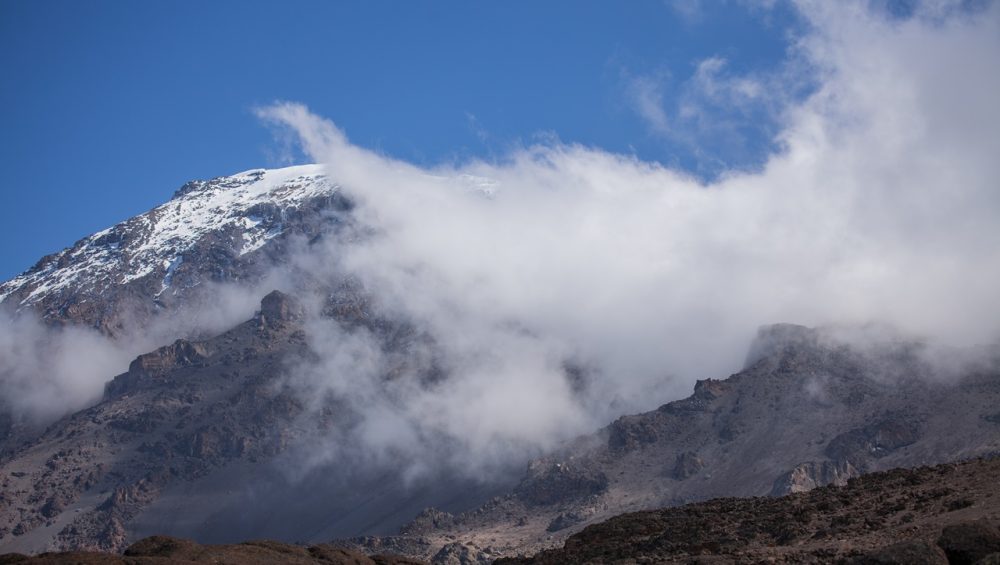
The fourth day takes you through the heath into the desolate alpine desert between Mawenzi and Kibo. The landscape is scattered with volcanic rocks, a reminder of Kilimanjaro’s volcanic history. The final stretch to Kibo Huts is steep and physically demanding. Upon arrival, you organize gear and warm clothing for the summit attempt. Carry water in a thermos to prevent freezing and get an early night’s rest, as the midnight departure for the summit requires full energy. The huts sit at approximately 4,700 meters in the alpine desert zone.
Day 5: Kibo Huts to Gilman’s Point, Uhuru Peak, and Back to Horombo Huts
The summit day begins around midnight with a small pre-dawn meal. The trail to Gilman’s Point is challenging, with loose volcanic rocks and extreme altitude. Reaching Gilman’s Point by sunrise allows you to continue along the crater rim to Uhuru Peak at 5,895 meters. Snow or ice may be present near the summit. After capturing photos and taking in the view, you descend to Kibo Huts for lunch, then continue to Horombo Huts for an overnight rest at approximately 3,720 meters. The descent is faster but still requires care due to fatigue and altitude.
Day 6: Horombo Huts to Marangu Gate and Return to Arusha
The final day descends through the heath and rainforest back to Marangu Gate. Hikers enjoy lunch en route and bid farewell to their mountain crew. From Marangu Gate, you drive back to Arusha for a well-earned shower and a celebratory dinner. This final day typically takes five to seven hours, completing the six-day circuit and marking a successful climb of Kilimanjaro via the historic Marangu Route.
Marangu Route Difficulty and Distance Explained
The Marangu Route covers approximately 82 kilometers round trip, making it the shortest route to Kilimanjaro’s summit. The trail is steady and gradual, which contributes to its reputation as one of the easier paths. However, climbers must not underestimate the challenge, especially on summit day when the altitude reaches nearly 5,900 meters.
The combination of thin air, cold temperatures, and physical exertion tests even experienced trekkers. The five-day itinerary can be especially demanding due to compressed acclimatization. The six-day itinerary spreads the ascent, allowing the body to adapt more comfortably to high altitude.
Climbers need moderate fitness levels and preparation, including cardiovascular training and leg strength. Proper gear, layering, and pacing are essential for success. While the distance is shorter than other routes, the changing terrains, from rainforest to alpine desert, require adaptability and endurance.
Hut Accommodation on Marangu Route: Comfort Above the Clouds
One of the defining features of the Marangu Route is the availability of huts, which provide a level of comfort unique to this trail. Mandara, Horombo, and Kibo Huts have dormitory-style rooms with mattresses and pillows, giving climbers a dry, safe place to rest. Some huts offer cold showers and flush toilets, which are rare on other Kilimanjaro routes. Meals are typically provided, and snacks or drinks can often be purchased.
These amenities make the trail accessible to those who prefer minimal camping. Huts also protect from harsh weather, particularly during rainy months, allowing climbers to conserve energy for the ascent. This combination of comfort and shelter is why the Marangu Route earned the nickname Coca-Cola Route and remains the preferred choice for many first-time Kilimanjaro climbers.
Flora, Fauna, and Scenic Highlights of the Marangu Route
The Marangu Route passes through diverse landscapes, each offering unique natural beauty. Rainforests at lower altitudes are dense with eucalyptus trees and home to colobus monkeys and unfamiliar birds. As climbers ascend, the forest gives way to heath and moorland dotted with giant heathers and lobelias. The alpine desert near Kibo is stark and dramatic, with volcanic rock formations and panoramic views of Mawenzi and Kibo peaks.
Wildlife sightings are common, and the variety of terrain creates stunning photographic opportunities. Zebra Rocks, a unique geological formation, is a notable highlight. The route’s scenery is part of its enduring appeal, offering both natural beauty and a sense of adventure. Climbers experience the full ecological range of Kilimanjaro, from lush forests to the glacier-strewn summit.
Best Time to Climb the Marangu Route and Weather Conditions
The ideal months to climb the Marangu Route are July to September and January to February, when the weather is most stable. These periods offer dry trails, clear skies, and reduced chances of rain. April and May are the wettest months and can make the lower sections slippery and challenging.
Temperature varies widely by altitude, from warm rainforest days to freezing nights near the summit. Early preparation, layered clothing, and awareness of weather forecasts are essential. Proper planning ensures climbers maintain energy, prevent altitude sickness, and enjoy scenic views. The Marangu Route is accessible year-round, but choosing optimal months increases both comfort and summit success.
Tips for a Successful Climb on the Marangu Route
Climbers on the Marangu Route must prioritize pacing, hydration, and acclimatization. Taking the six-day itinerary significantly improves success rates. Maintaining a steady, slow ascent helps the body adapt to thinner air. Proper footwear and layered clothing are essential for comfort across changing terrain and temperatures. Nutritional planning, including snacks and water, supports energy levels.
Listening to guides and responding promptly to signs of altitude sickness can prevent serious issues. Adequate sleep-in huts allow recovery for summit day. Mental preparation is equally important, as the final ascent is physically and psychologically demanding. Combining preparation, discipline, and respect for the mountain greatly increases the chance of reaching Uhuru Peak.
Marangu Route vs Other Kilimanjaro Routes: Which Should You Choose?
Compared to Machame, Lemosho, and Rongai, the Marangu Route is shorter, more predictable, and offers hut accommodations, making it ideal for first-time climbers or those with limited time. Its steady gradient and shorter distance make it less physically demanding in some ways. However, shorter itineraries provide less acclimatization, leading to lower summit success rates.
Longer routes allow more time for adaptation, higher chances of reaching the top, and varied scenic experiences. Climbers who value comfort and tradition may prefer Marangu, while those seeking adventure, solitude, or higher success rates might choose other paths. Selecting the right route depends on fitness, experience, and personal priorities.