Ngorongoro Crater Safari from Zanzibar: A Complete Guide
Dreaming of a Tanzania holiday that blends pristine beaches with thrilling wildlife encounters? A Ngorongoro Crater Safari from Zanzibar is your perfect answer, an unforgettable journey that fuses the calm rhythm of the Indian Ocean with the raw drama of East Africa’s most iconic wildlife destination. Begin your adventure in Zanzibar, where white-sand beaches stretch endlessly and warm turquoise waters invite you to unwind. Spend your mornings exploring the cultural heart of Stone Town, with its winding alleys, spice markets, and centuries-old Swahili architecture. As the sun sets, enjoy seafood feasts under palm trees or take a dhow cruise along the coast. After soaking in the island’s laid-back charm, it’s time to trade the shoreline for safari tracks.
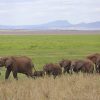
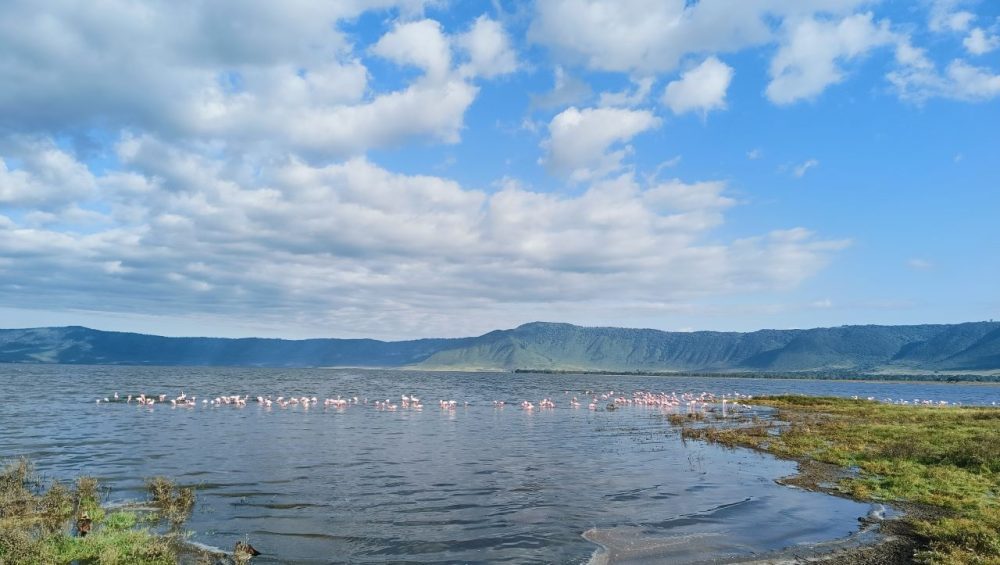
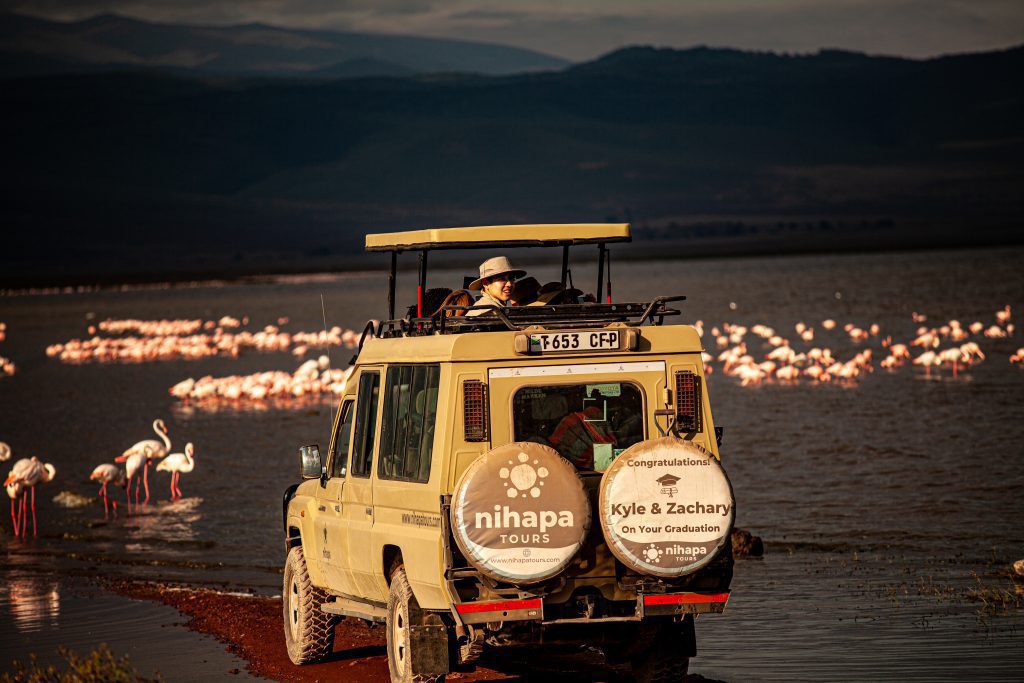
Just a short flight inland transports you to a completely different world, the Ngorongoro Crater, a UNESCO World Heritage Site and the largest unbroken caldera on Earth. Here, the scenery changes dramatically as you ascend into the highlands and arrive at the crater rim, peering into a 600-meter-deep bowl teeming with wildlife. Lions, elephants, buffalo, hippos, flamingos, and the rare black rhino all coexist within this ancient volcanic sanctuary. The contrast between beach and bush is striking, yet perfectly complementary. In just one trip, you experience both the tranquility of the coast and the untamed spirit of the African savannah. For travelers seeking diversity, comfort, and the best of Tanzania’s landscapes, a Ngorongoro Crater safari from Zanzibar promises the ideal blend of luxury, culture, and wilderness in one seamless adventure.
Table of contents
Why Choose a Safari from Zanzibar?
Most travelers picture a beach vacation and an African safari as two entirely different experiences, separate in mood, location, and pace. But in Tanzania, these two worlds merge effortlessly into one. This unique country allows you to explore both the turquoise waters of the Indian Ocean and the rugged heart of the African wilderness in a single itinerary. On one hand, Zanzibar welcomes you with its warm breeze, coral reefs, spice-scented markets, and centuries of Swahili culture. On the other hand, the Ngorongoro Crater offers a journey into the primeval, a volcanic basin where some of the world’s most iconic wildlife thrives in a setting unchanged for millennia.
Starting your adventure in Zanzibar gives you the perfect soft landing. After a few days of coastal relaxation, whether lounging on the beaches of Nungwi or navigating the stone-paved alleys of Stone Town, you’ll be physically rested and mentally primed for the wild. From the moment your small plane lifts off over the Indian Ocean and heads inland toward Arusha, a subtle shift begins. The pace quickens, the terrain changes, and anticipation builds. Soon, you’ll find yourself standing on the rim of the Ngorongoro Crater, wrapped in the cool highland air, looking down at elephants, rhinos, and lions roaming freely in a landscape as ancient as time. It’s a natural transition from serenity to spectacle, making your safari not just a trip, but a complete immersion into the soul of Tanzania.
How to Get to Ngorongoro Crater from Zanzibar
Traveling from Zanzibar to Ngorongoro may sound like a big leap, from sea level to volcanic highlands, but it’s a surprisingly smooth journey, thanks to Tanzania’s well-connected domestic travel network. Whether you’re planning a fly-in safari or a more classic overland approach, there are multiple ways to reach the crater with ease.
The most convenient option is to fly from Zanzibar (ZNZ) to Arusha Airport (ARK) or Kilimanjaro International Airport (JRO). Several daily flights are available with reliable local airlines such as Coastal Aviation, Auric Air, or Precision Air. The flight takes about 1 hour and 15 minutes, offering stunning aerial views of the East African landscape along the way. Upon arrival in Arusha, you’ll be met by your safari guide and begin your journey by road toward the Ngorongoro Conservation Area.
The drive from Arusha to Ngorongoro takes approximately 3.5 to 4 hours, traveling westward through Tanzania’s scenic highlands, passing coffee farms, rural villages, and expansive views of the Great Rift Valley. Most safaris include a comfortable 4×4 Land Cruiser, bottled water, and a knowledgeable local driver-guide, making the ride both enjoyable and informative.
For those who prefer to save time or want a more exclusive experience, fly-in safaris to Lake Manyara or Ndutu Airstrips are also available. From these smaller bush airstrips, the crater is only a short drive away. This option is ideal for luxury travelers or those with tighter schedules who want to maximize their time inside the park.
Best Time to Visit Ngorongoro Crater from Zanzibar
Ngorongoro Crater is a year-round safari destination, but the experience can vary significantly depending on the season. If you’re starting your journey from Zanzibar, it’s wise to consider both the weather on the coast and the wildlife conditions inland to create the perfect balance.
June to October – The Dry Season (Best Overall)
This is considered the peak safari season. During these months, the weather in Zanzibar is dry, sunny, and ideal for beach activities, while the Ngorongoro Crater offers excellent wildlife viewing. With shorter grass and fewer water sources, animals gather around the crater floor’s remaining waterholes, making them easier to spot. The roads are in their best condition, and the visibility is perfect for photography.
December to March – The Green Season (Best for Calving & Photography)
While Zanzibar remains sunny and pleasant, the Crater turns lush and green after the short rains. This is the calving season in nearby Ndutu (southern Serengeti), which means predators are highly active. The landscapes are vibrant, and migratory birds are abundant, ideal for photographers. Lodges are slightly less crowded than in peak months, offering a more peaceful experience.
April to May – The Long Rains (Least Recommended)
This is the wettest time of year, and while Zanzibar can still be warm, rain showers are common. In Ngorongoro, roads may become muddy, and visibility can be reduced. However, this is also the low season, with fewer crowds and discounted rates at many lodges.
Accommodations: Where to Stay Near Ngorongoro Crater
The Ngorongoro region offers a wide range of accommodations that cater to every traveler, from luxury seekers to budget-conscious adventurers. Whether you’re coming straight from Zanzibar’s coastline or blending your safari with other parks, you’ll find a lodge or camp that complements your journey.
Luxury Lodges
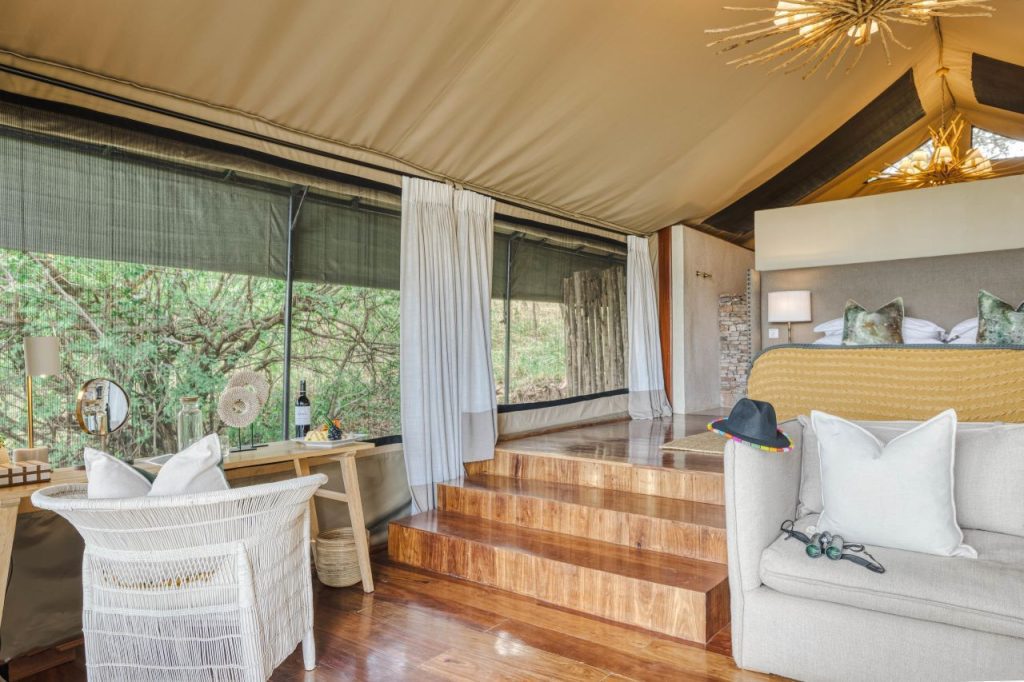
For those seeking indulgence and spectacular crater views, few places rival the iconic &Beyond Ngorongoro Crater Lodge. Perched on the rim with dramatic design and fine dining, it’s often called the “game lodge at the top of the world.” Other excellent luxury options include The Highlands by Asilia, a stylish and secluded tented camp on the forested slopes of Olmoti Volcano, and Neptune Ngorongoro Luxury Lodge, known for its expansive cottages and warm hospitality.
Mid-Range Comfort
If you want comfort without the high price tag, Ngorongoro Serena Safari Lodge offers stunning crater views and a traditional stone-and-wood design that blends seamlessly into the landscape. Kitela Lodge, located in Karatu just outside the conservation area, features a working coffee plantation, lush gardens, and relaxed elegance.
Budget-Friendly & Campsites
Travelers on a budget can opt for Rhino Lodge, a rustic yet charming option on the crater rim with cozy fireplaces and good food. For the adventurous, Simba Public Campsite offers basic facilities but unbeatable proximity to the crater gate, a great choice for those wanting a true back-to-nature experience.
Tips for a Smooth Safari from Zanzibar
Combining a Zanzibar beach escape with a Ngorongoro Crater safari is one of Tanzania’s most rewarding experiences, but a few practical tips can ensure your journey flows effortlessly from coast to crater.
1. Book Flights Early
Domestic flights from Zanzibar to Arusha or Manyara airstrips can fill up quickly, especially during peak travel seasons (June–October and December–March). To secure ideal timings and better fares, it’s best to book flights well in advance, especially if you’re coordinating with a private or group safari.
2. Pack Light, Pack Right
Soft-sided bags are required on many small domestic aircraft and are easier to store in safari vehicles. Include layers for changing temperatures: mornings in Ngorongoro are cold, but midday can get warm. Don’t forget binoculars, a good camera, insect repellent, sunscreen, and a wide-brimmed hat.
3. Time Your Arrival Wisely
If possible, arrive in Arusha the day before your crater safari begins. This avoids tight schedules and gives you time to rest after your flight from Zanzibar. It also allows room for any minor travel delays.
4. Go Private if You Can
A private safari vehicle offers greater comfort, flexibility in timing, and the ability to explore at your own pace. It’s especially valuable in Ngorongoro, where early entry to the crater means better wildlife sightings.
5. Respect Local Culture & Wildlife
Whether visiting a Maasai village or photographing a game in the crater, always follow your guide’s lead. Respectful tourism ensures a better experience for everyone and helps preserve these places for future generations
Final Thoughts
A Ngorongoro Crater Safari from Zanzibar is more than just a holiday; it’s a journey from the turquoise waters of the Indian Ocean to the raw heart of Africa’s wildlife kingdom. The contrast is stunning, the logistics surprisingly easy, and the memories unforgettable.
Let the rhythm of the island lead you into the wild, where ancient volcanic walls cradle life in its most primal form