
🐃 Seasonal Safari Serengeti Great Migration Safari This 6 Days Shared Group Safari is Designed for travelers seeking…
Serengeti National Park – The Heart of the Great Migration
The Serengeti National Park is Tanzania’s most renowned safari park and a UNESCO World Heritage Site, most noted for the Great Wildebeest Migration and Africa’s Big Five. The park covers 14,750 km² of grass plains, riverine woodlands, and acacia scrub, providing year-round wildlife viewing with over 70 large mammal species and over 500 bird species. The park’s name is a translation of “endless plains” from Maasai, which aptly mentions its boundless expanses stretching into Kenya’s Masai Mara in north Tanzania.
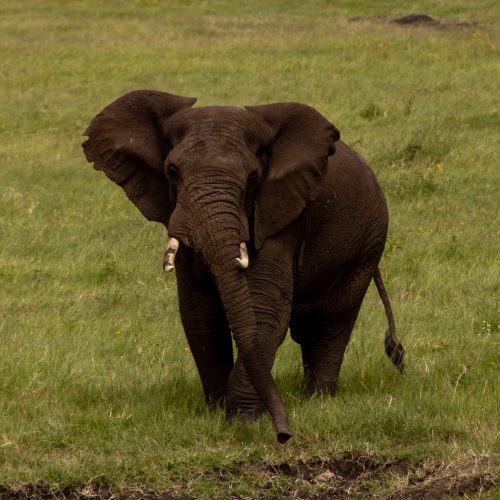
Over 1.5 million wildebeest, 250,000 zebras, and gazelles travel through the Serengeti annually in search of new pastures, ranking it as one of the world’s most spectacular natural wonders. Travelers can go on game drives, hot air balloon safaris, and safari tours by experienced safari guides. The Serengeti is also one of Africa’s top places to view lions, leopards, cheetahs, elephants, giraffes, and hippos.
Best Time to Visit Serengeti National Park
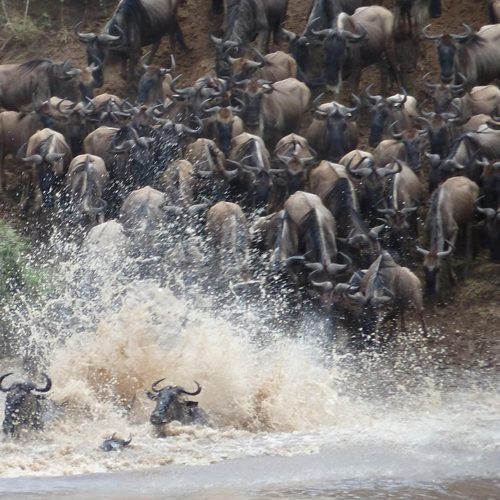
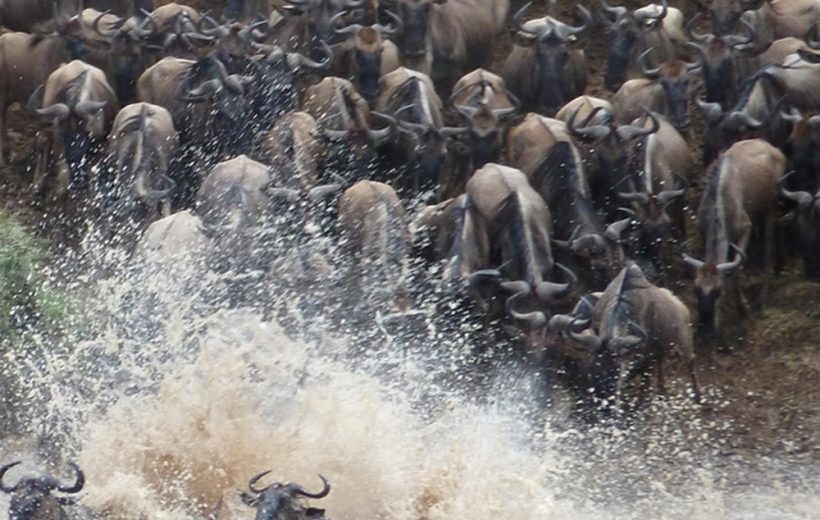
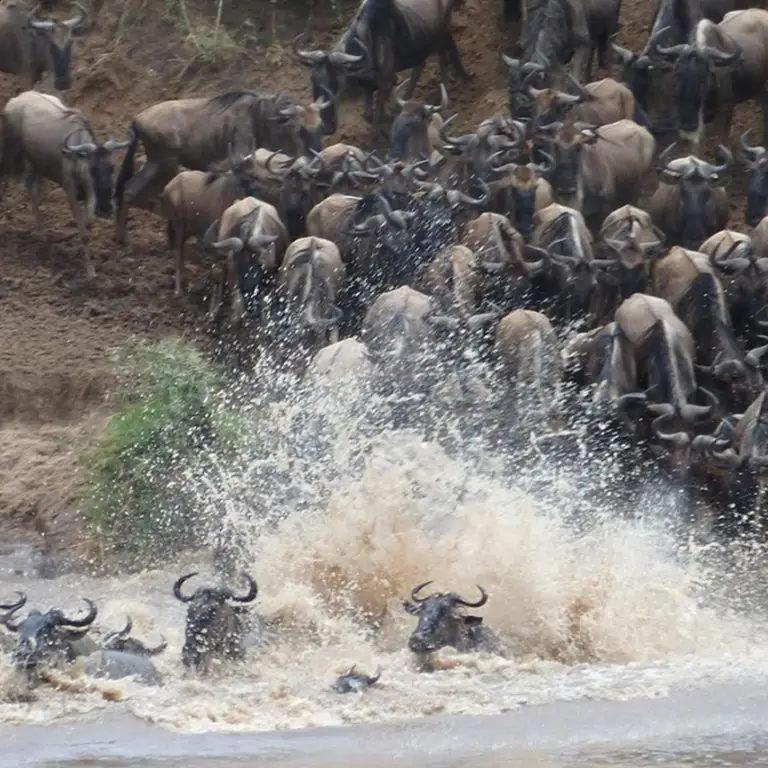
The Best time to visit Serengeti National Park depends on the type of wildlife experience you seek. From June to October, the Great Wildebeest Migration enters the northern Serengeti, and Mara River crossings are the season’s highlight.
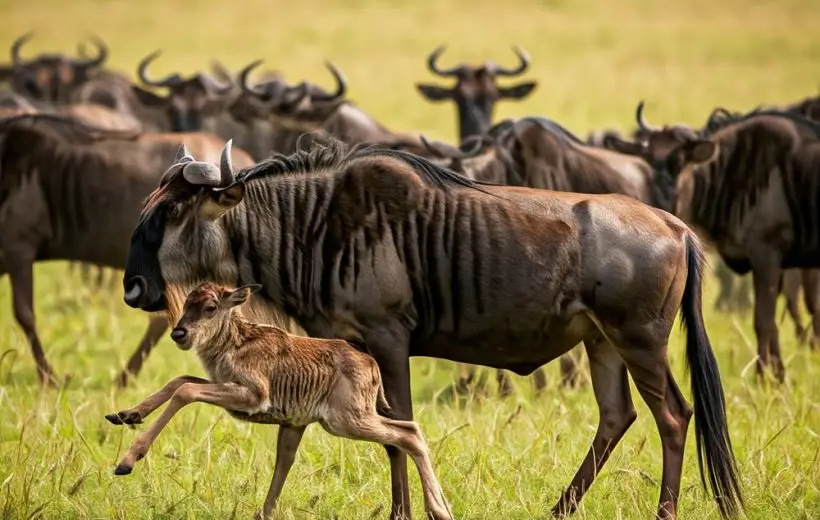
During this time, animals accumulate at water points, offering excellent opportunities for game viewing, predator observation, and photography. January to March is calving season in the southern Serengeti and Ndutu Plains, where wildebeest calves come in their thousands. Predators such as lions, cheetahs, and hyenas are highly active, offering thrilling safari experiences and once-in-a-lifetime wildlife encounters.
April to May is green season, with expanses of green, dramatic skies, and fewer tourists. This suits one who loves peaceful safaris, colorful views, and fantastic bird-watching. November and December have short rains, and slowly the herds return south.
Game is still abundant, and migrating birds make the park heaven for bird watchers. The roads will be very slightly muddy, but the quiet ambiance and fewer crowds are well worth a visit.
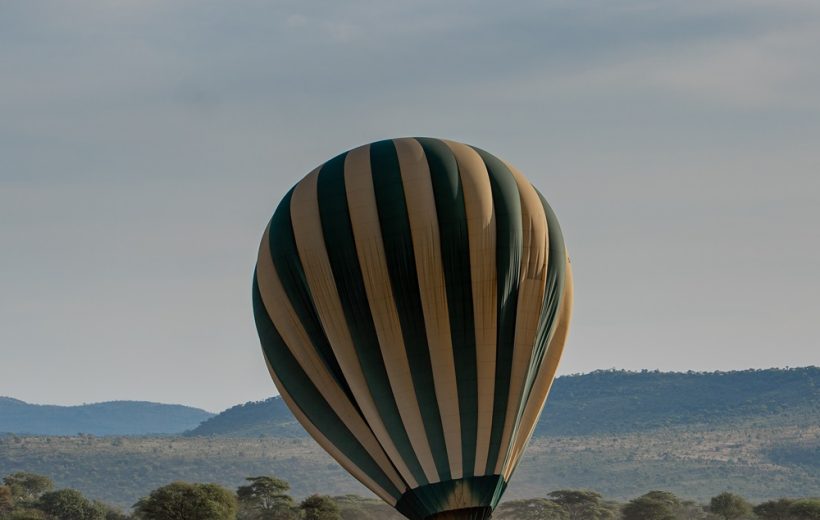
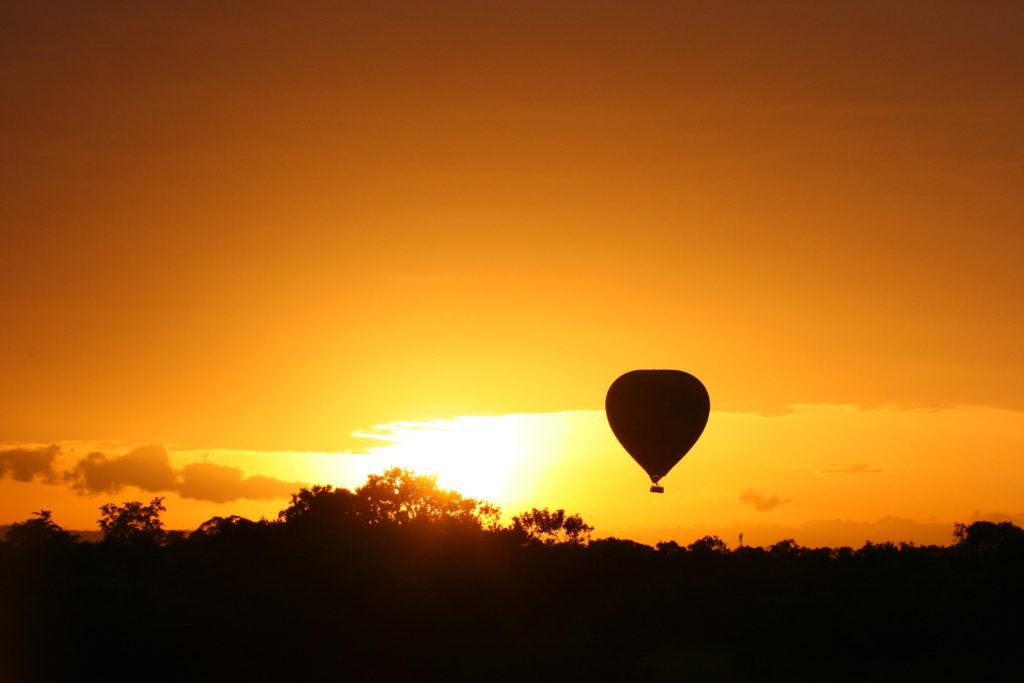
See What Awaits: Serengeti Balloon Safari in Motion
Wildlife in Serengeti National Park
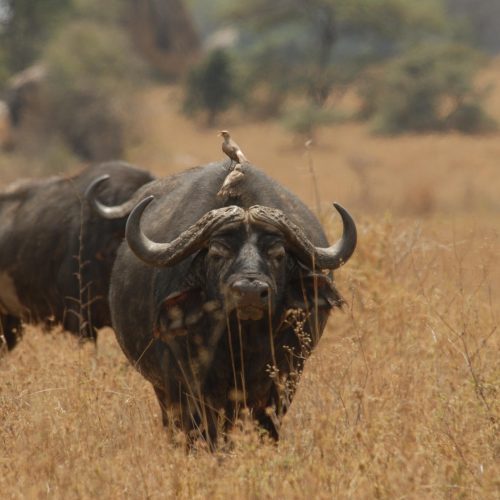
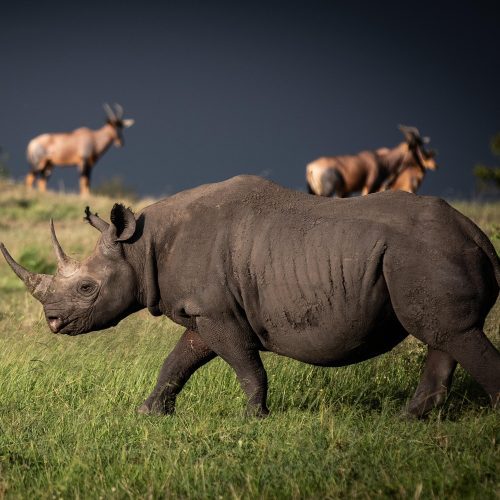
Serengeti National Park is a richest wildlife ecosystem in the world and a top destination for watching Africa’s most iconic animals. The park is home to more than seventy species of big mammals and more than five hundred species of birds, which makes it a paradise for wildlife lovers. It is especially famous for the Big Five, lion, leopard, elephant, buffalo, and rhino, though rhinos are rare and only seen in the northern areas of the park.
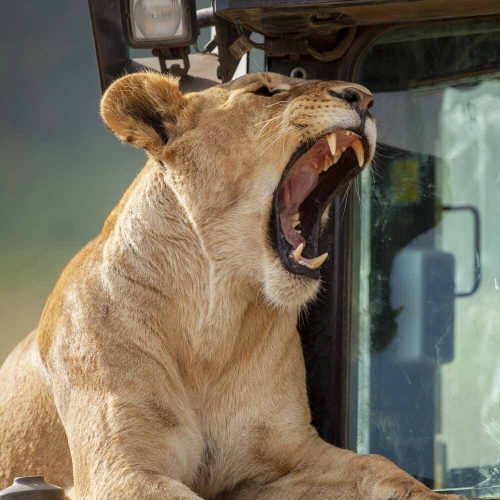
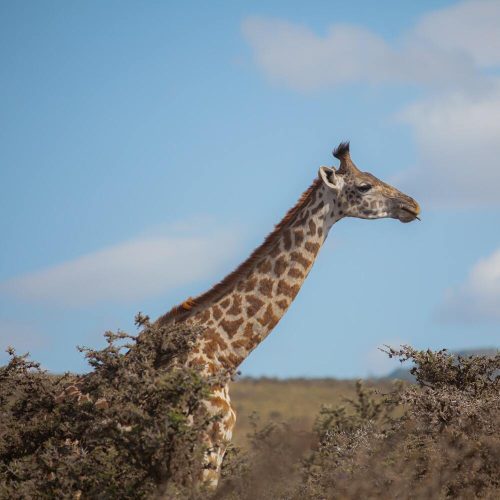
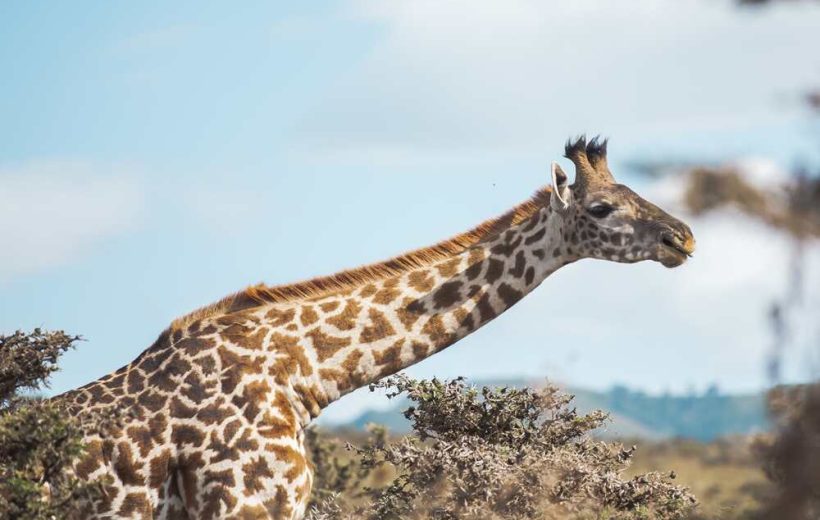
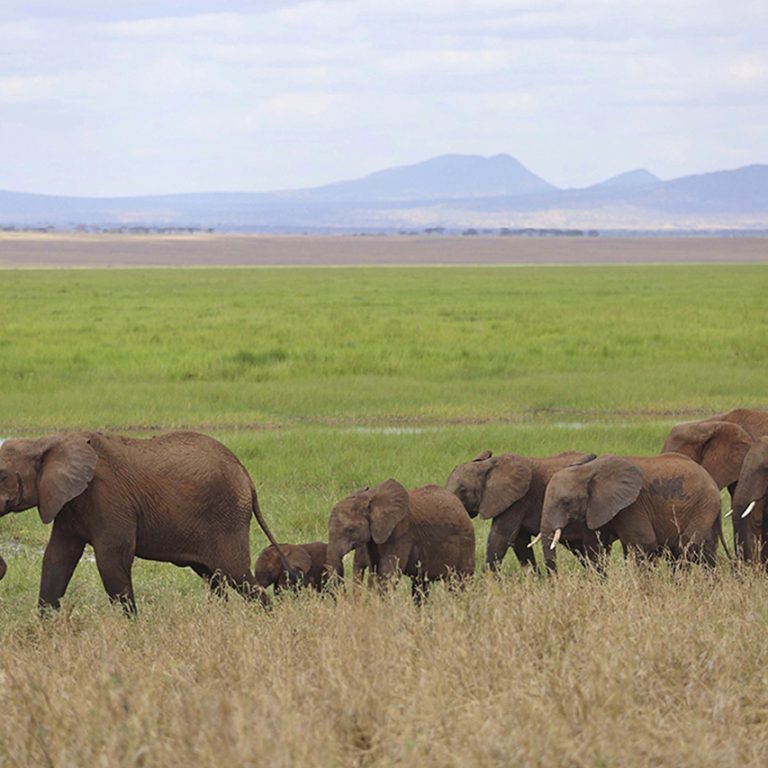
Predators are flourishing in the Serengeti because of the enormous abundance of prey. Lions reside in some of Africa’s largest prides, leopards are often discovered dozing in acacia trees, and cheetahs sneak up on their prey across the open grasslands. Hyenas, jackals, and wild dogs are as well widely distributed and help make the park a bastion of predators. Herbivores cover the ground with giraffes, zebras, impalas, Topis, gazelles, and hippos offering endless game-viewing opportunities.
The highlight of Serengeti wildlife is the Great Migration of wildebeests, the largest terrestrial migration in the world. In a round trip every year, more than 1.5 million wildebeest, along with hundreds of thousands of zebras and gazelles, migrate across the Serengeti in search of fresh pastures. This phenomenon is closely observed by predators, which results in belligerent encounters making the Serengeti stand apart.
Safari Experiences in Serengeti National Park
A Serengeti National Park safari offers more than a mere game drive. The park provides an array of experiences through which people have the opportunity to see wildlife, landscape, and local culture in unique ways. The best known one is the conventional game drive, which may be done in the morning, afternoon, or for the day. Game drives cover the different areas of the Serengeti, ranging from Seronera’s grassy plains to the remote northern reaches along the Mara River.
For the ultimate thrill, most visitors go for a hot air balloon safari. Floating over the plains at sunrise offers a breathtaking view of landscape and wildlife, to be topped with champagne breakfast in the bush. Walking safaris can also be found in some parks, where visitors are able to explore the environment on foot accompanied by an experienced guide and ranger. The pace is slower, giving better knowledge of the habitat and appreciation of small details that can so easily be missed while in a vehicle.
Cultural tours of nearby Maasai villages are also optional in a Serengeti safari. These offer tourists a chance to see the traditional way of life, culture, and connection with nature of Maasai. Adding to wildlife experiences, they make a safari more real and memorable.
Popular Serengeti Safari Tours
Nihapa Tours offers a range of Serengeti safari itineraries designed to suit different schedules, budgets, and travel styles. Each tour is guided by experienced safari experts who know the best routes and times to maximize wildlife sightings.
One of the most popular options is the 5-Day Serengeti and Ngorongoro Safari, which combines game drives in the central Serengeti with a visit to the Ngorongoro Crater, one of Africa’s most spectacular natural wonders. For travelers seeking to focus more time in the Serengeti, the 6-Day Migration Safari follows the wildebeest herds through key areas of the park, offering the chance to witness the Great Migration up close.
For those with limited time, a 3-Day Serengeti Fly-In Safari is ideal. This option uses domestic flights to skip long drives, maximizing time in the park for game drives and photography. Travelers who prefer a longer adventure can choose a 10-Day Tanzania Safari, which includes Serengeti, Ngorongoro, Tarangire, and Lake Manyara for a complete northern circuit experience.
When Is the Best Time to Go on a Safari in Tanzania?
Tanzania is a true year-round safari destination, offering something unique in every season. The country’s diverse ecosystems ensure rewarding wildlife encounters whether you visit during the dry months or the lush green season.
Best Time to Go on a Safari
Dry Season (June to October)
This is the most popular time for Tanzania safari. Clear skies, sparse vegetation, and concentrated wildlife around water sources make game viewing easier.
- Best for: Big Five sightings, general wildlife, and iconic migration scenes
- Highlights: Wildebeest river crossings in northern Serengeti (July–September)
- Conditions: Comfortable temperatures, minimal rain, high visibility
Green Season (November to May)
Often overlooked, this season offers lush landscapes, dramatic skies, and fewer tourists.
- Best for: Photography, birdwatching, and calving season in Ndutu
- Calving Peak: January to March — when over 400,000 wildebeest are born in southern Serengeti
- Conditions: Occasional showers, but highly rewarding wildlife action
Shoulder Months (April & May)
These are the quietest months, with the lowest rates and fewer crowds. Though some areas receive heavier rain, many parks remain accessible and beautiful.
No matter when you go, Tanzania offers unforgettable safari moments. The key is choosing the right region and timing based on what you want to see.
Where to Stay in Serengeti – Safari Lodges & Camps
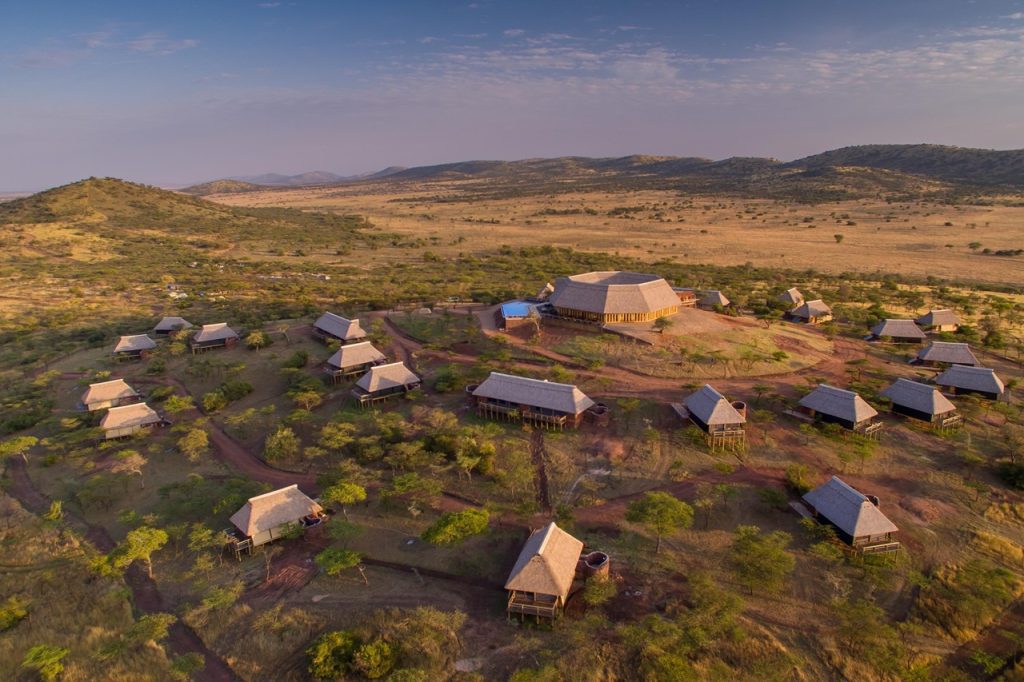
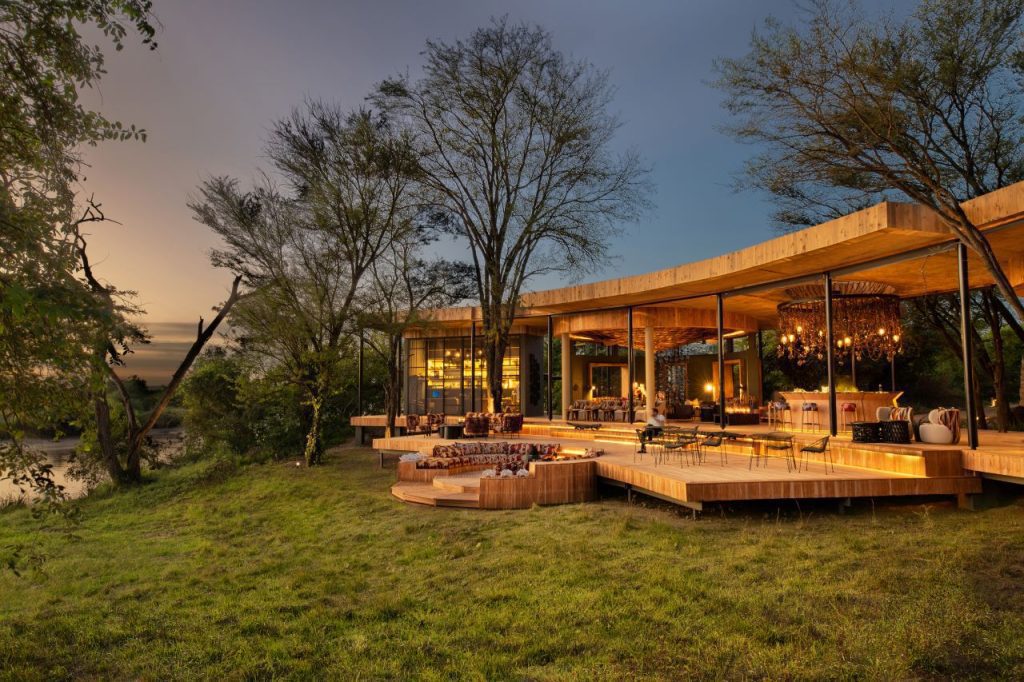
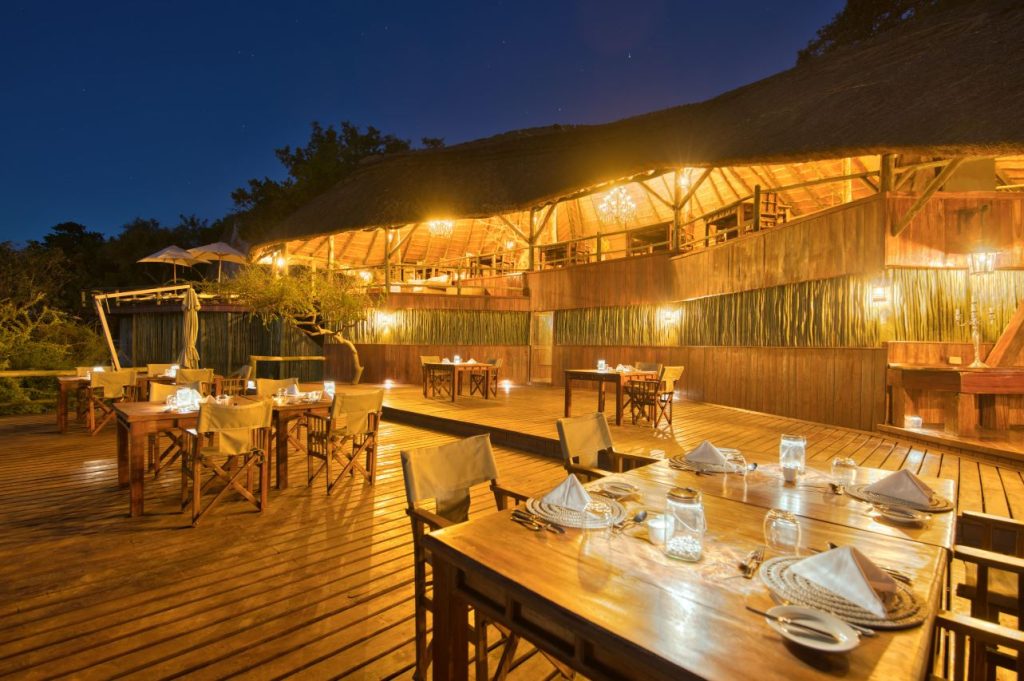
Accommodation in Serengeti National Park ranges from budget-friendly campsites to luxury tented lodges, allowing every traveler to find an option that matches their comfort and budget. Staying inside or close to the park ensures easy access to game drives and the best chance of experiencing wildlife activity at sunrise and sunset.
The Central Serengeti (Seronera area) is the most popular location for first-time visitors. It offers year-round wildlife viewing and a wide range of accommodation options, from mid-range lodges to high-end tented camps. This area is also convenient for travelers with limited time.
The Northern Serengeti is ideal between July and October, when the wildebeest herds cross the Mara River. Lodges and tented camps here provide front-row seats to one of the most dramatic events in the animal kingdom. The Western Serengeti is best from May to July during the Grumeti River crossings, with a mix of exclusive lodges and tented camps. The Southern Serengeti and Ndutu Plains are popular between December and March for calving season, with mobile camps set up close to the action.
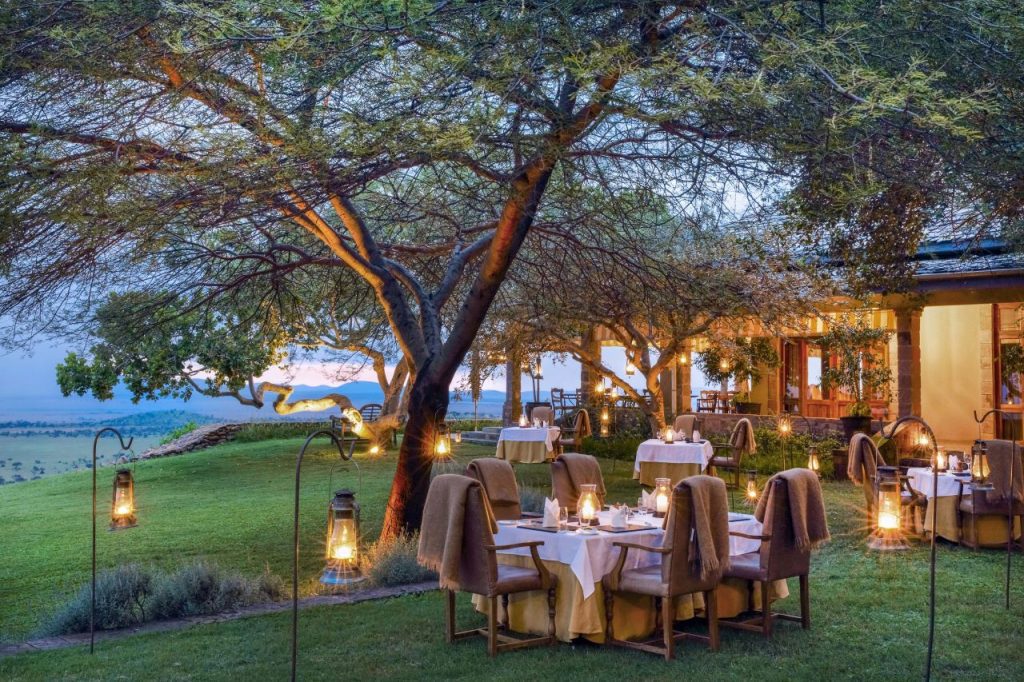
No matter the choice, accommodations in Serengeti emphasize comfort in the wilderness, offering en-suite tents or lodges with excellent dining, stunning views, and warm hospitality.
Best Hotels and Lodges in Serengeti
Ready to plan your Tanzania Safari?
Tell us your trip ideas, and we’ll craft a personalized travel itinerary within 2 hours.
How to Get to Serengeti National Park
The easiest way to get to Serengeti National Park is either by road from Arusha, which takes about 6–8 hours, or by flight from Arusha, Kilimanjaro, or Zanzibar, which takes just over an hour. Road trips are scenic and often combined with game drives through other parks like Ngorongoro, while flights land directly at airstrips inside Serengeti such as Seronera, Kogatende, or Ndutu.
By Air
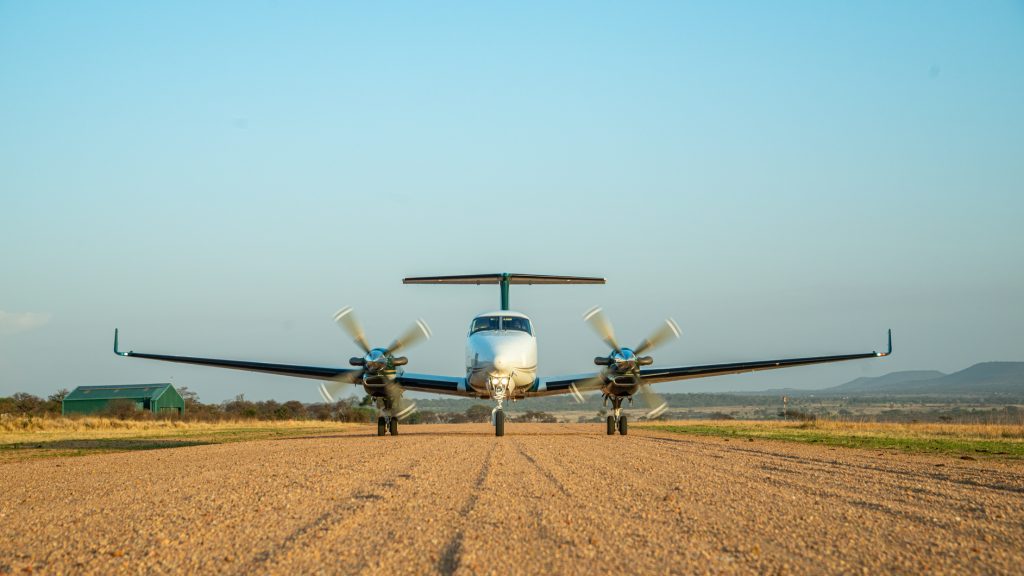
Flying is the fastest and most convenient way to get to Serengeti National Park. Daily bush flights operate from Arusha, Kilimanjaro, and Zanzibar, with arrivals at Serengeti airstrips such as Seronera, Kogatende, and Ndutu. The flight takes just over an hour, saving valuable safari time.
This option is especially popular with travelers who prefer comfort and efficiency. Flying eliminates long road transfers and allows you to start your game drives almost immediately after landing. It also provides a breathtaking bird’s-eye view of Tanzania’s landscapes, from highland forests to sweeping savannah plains.
Flying is highly recommended during the Great Migration, as it allows you to land closest to where the herds are moving. This ensures you don’t waste time on the road and can instead spend more of your safari witnessing the spectacle of migrating wildebeest and zebra.
By Road
Traveling by road from Arusha to Serengeti takes about 6–8 hours and is one of the most popular ways to begin a safari. The journey is long but rewarding, offering a chance to experience Tanzania’s diverse landscapes and vibrant culture along the way.
The route passes through the Great Rift Valley, small towns, and the Ngorongoro Conservation Area, giving travelers the opportunity to see more of the country before reaching the Serengeti gates. Many safaris also include game drives in Tarangire, Lake Manyara, or Ngorongoro on the way, making the drive part of the overall safari adventure.
Road travel is ideal for adventurous visitors who want to maximize their time exploring different parks. While it may be slower than flying, it provides a deeper, more connected experience of Tanzania’s land and people.
Visa for Tanzania
Tanzania is one of Africa’s most peaceful and visitor-friendly destinations, renowned for its world-famous safaris and stunning white sand beaches. Traveling here is smooth and rewarding, with straightforward visa procedures—many countries benefit from visa-on-arrival or visa-free access. Planning your vacation in Tanzania is incredibly easy; all you need to do is choose your adventure, as the doors are open to everyone.
For most travelers, a Tanzanian tourist visa costs $50 USD, while U.S. citizens pay $100 USD. Some, like citizens of neighboring African countries, can enter visa-free. Use our Visa Type Checker Tool below to find out what applies to you…
Apply Your Tanzania Visa Now
Wondering if your country is visa-exempt or need a Tanzanian visa? Click the Passport icon for the official visa application and exemption list.
Nihapa Tours Visa Checker Tool
Ready to plan your Tanzania Safari?
Tell us your trip ideas, and we’ll craft a personalized travel itinerary within 2 hours.
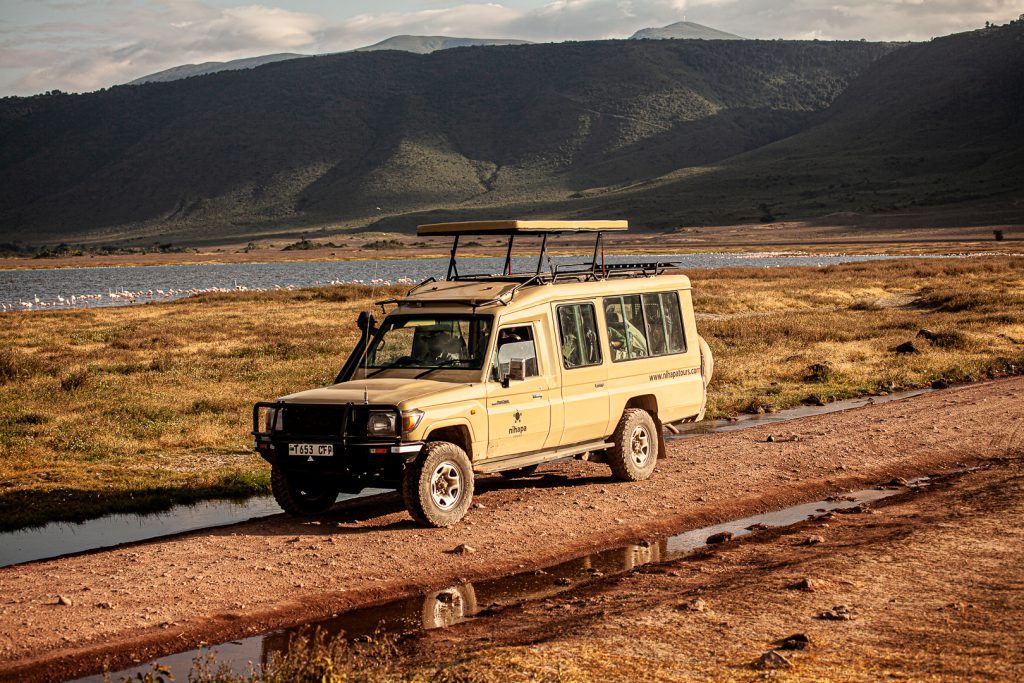
Serengeti Safari Vehicles
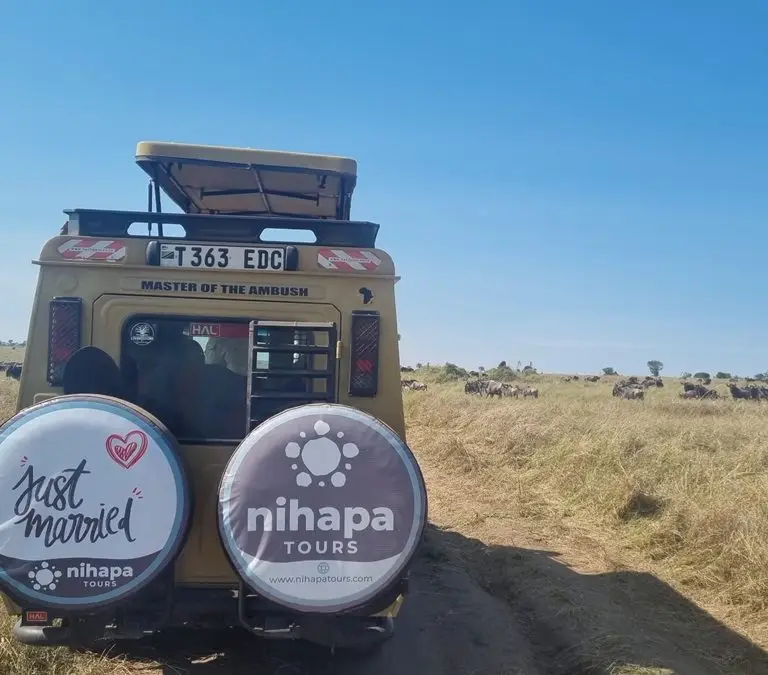
A safari vehicle is a core part of the overall safari experience. Since most game drives last between 5 to 8 hours a day, the vehicle becomes your main base for exploring the national parks. These 4×4 vehicles are specially built to handle the country’s rugged terrain, offering comfort, safety, and clear views of the wildlife.
A good safari vehicle is essential in Tanzania, whether you’re tracking big cats in the Serengeti or observing elephants in Tarangire. Most vehicles feature large sliding windows, pop-up roofs, and modified seating for better visibility. While some itineraries may include walking safaris or lodge rest days, much of your adventure will take place inside the vehicle.
What Are The Features of Tanzania Safari Vehilces?
- Robust 4×4 system with heavy-duty suspension and all-terrain tires.
- Front snorkel, skid plates, and recovery points for harsh terrain.
- UHF/VHF radio communication and GPS tracking.
- Well-stocked first-aid kit and fire extinguisher.
- Extended, widened body with 6 recliner window seats and ample legroom.
- Air-conditioning, mini-fridge/cool box, and onboard charging sockets.
- Free Wi‑Fi and beverage station (hot drinks/snacks).
- Spacious boot and external rack for soft luggage, picnic tables/chairs.
- Large sliding windows and pop‑up roof hatch on both front and back seats.
- Binoculars, field guidebooks (birds/animals/plants), and maps.
- Wide front windshield for unobstructed front views.
- Camera-friendly features, stable seating, and 360° angles viewing perches.
Types of Serengeti Safaris
Serengeti offers a wide range of safari styles to suit different interests, travel styles, and budgets. Whether you’re dreaming of a private luxury experience or a shared group adventure, the country’s safari infrastructure allows you to customize your journey in a way that feels personal and meaningful.
- Private Serengeti safaris give you full control over your schedule, vehicle, and lodge choices. You’ll travel with a dedicated guide in a 4×4 Land Cruiser, ideal for families, couples, photographers, or anyone wanting a flexible and immersive experience. These safaris can be tailored to your pace, whether you want to rise early for game drives or relax at camp longer.
- Group Serengeti safaris are more budget-friendly and often follow fixed routes with scheduled departures. They’re a great way to meet other travelers and still enjoy the major parks. For something different, consider walking safaris, fly-in safaris, or mobile tented safaris that follow the migration. Each type offers a unique way to experience Tanzania, from high-end comfort to raw, off-the-grid adventure.
Ready to plan your Tanzania Safari?
Tell us your trip ideas, and we’ll craft a personalized travel itinerary within 2 hours.
Serengeti Safari Costs – Budget to Luxury
Tanzania offers safari experiences for a wide range of budgets, from affordable group tours to ultra-luxurious fly-in safaris. The table below outlines the typical price ranges and what you can expect at each level of comfort:
| Safari Type | Price (Per Person/Day) | What’s Included | Ideal For |
|---|---|---|---|
| Budget Safari | $180 – $250 | Shared vehicle, basic tents or campsites, park fees, guide, meals | Backpackers, solo travelers, groups |
| Mid-Range Safari | $350 – $600 | Private 4x4, en-suite tented camps or lodges, full board, personalized itinerary | Couples, families, first-time safari-goers |
| Luxury Safari | $700 – $1,500+ | Fly-in options, high-end lodges or tented suites, private guide, gourmet dining, concierge services | Honeymooners, VIP travelers, photographers |
💡 Note: Prices vary based on season, park selection, group size, and accommodation type. Peak migration months and holiday periods typically cost more.
Ready to plan your Tanzania Safari?
Tell us your trip ideas, and we’ll craft a personalized travel itinerary within 2 hours.
Luxury Serengeti Tours
A luxurySerengeti safari offers an elegant twist on the classic adventure. These safaris stand apart thanks to their exceptional lodges, rivaling Europe’s finest hotels with impeccable service and gourmet dining. At these lodges, guests indulge in exquisite culinary journeys featuring luxury gourmet foods from Europe alongside top-quality local organic dishes. Expect high-end wines and champagnes, a curated selection of gourmet cheeses and cured meats, and much more. The rooms themselves radiate luxury, boasting spacious interiors elegantly furnished with handcrafted pieces. This level of opulence makes them the preferred choice for celebrities and discerning travelers alike.
Booking early is essential, especially during peak seasons, from late December to early March and late June to mid-October, when lodge availability is limited. We recommend reserving 3 to 4 months in advance to secure your place.
We partner with prestigious hotel chains such as Four Seasons, Singita, One Nature, and others to guarantee a premium stay. Additionally, we offer tailored charter logistics between parks and lodges, including private jet transfers for an exclusive and seamless travel experience, particularly valuable during peak season.
Activities to Do on a Serengeti Safari
Game Drives
Game drives are the foundation of every Tanzania safari. From sunrise to sunset, these guided adventures take you deep into national parks and conservation areas, where wildlife roams freely and the landscape changes with every kilometer. It’s where most of your sightings happen, and where the magic begins.
Morning drives often start early, catching predators on the move and herds grazing in the cool air. In the afternoon, the golden light paints the plains, perfect for photography and dramatic views. Skilled guides use their knowledge of animal behavior to take you close, always respectfully.
Every game drive is different. One day brings lion cubs playing in the grass; the next, elephants drinking at a waterhole. Whether in Serengeti, Ngorongoro, or Tarangire, these drives deliver the real essence of Tanzania’s wilderness — wild, unpredictable, and unforgettable.
Walking Safaris
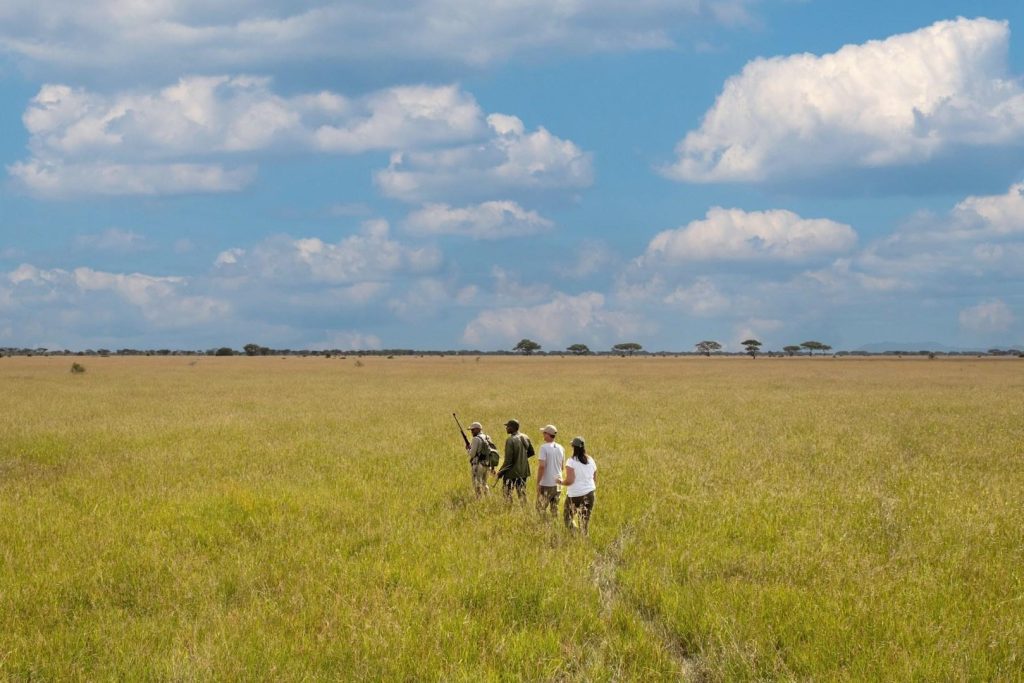
Walking safaris reconnect you to the raw heart of Africa. Without the hum of an engine, every sound becomes sharper, birds calling, leaves rustling, the distant grunt of a buffalo. Led by armed guides and expert trackers, you step into the bush not just as an observer, but as a participant.
You notice the small wonders often missed from a vehicle: animal tracks in the dust, medicinal plants, and signs of life hidden in plain sight. It’s a slower, more immersive way to experience the land — where each footstep brings a deeper appreciation of nature’s rhythm and detail.
Walking safaris are available in select areas like Tarangire, Ruaha, and private reserves. They’re safe, educational, and deeply personal. Whether it’s your first or fifth safari, walking among wildlife, at a respectful distance, offers a perspective that’s grounded, unforgettable, and quietly thrilling.
Hot Air Baloon Safaris
Hot air balloon safaris in Tanzania offer a once-in-a-lifetime perspective of the wild. As the sun begins to rise, you quietly lift off above the Serengeti or Tarangire, watching the golden light sweep across the plains. Herds of wildebeest, elephants, and giraffes move below you, peaceful and unaware, as the savannah wakes in silence.
The experience is unlike anything else on safari. From the sky, the vastness of Tanzania’s landscapes comes into full view, and you can truly appreciate how wildlife flows naturally through rivers, woodlands, and open grasslands. Every moment is cinematic, and every photograph tells a deeper story.
After landing, a champagne bush breakfast awaits you under the acacia trees, a classic safari tradition. The balloon safari may last only an hour, but it leaves an impression that stays with you for years. It’s a peaceful, awe-inspiring activity that adds beauty, elegance, and perspective to your safari journey.
Popular questions about Tanzania Safari
To really soak in Tanzania's safari wonders like Ngorongoro Crater, Serengeti, and Tarangire National Park, aim for a 5-7 day trip. This will give you enough time to explore the northern circuit and see the Big Five and other key animals. For those who can stay longer, there are incredible safari journeys lasting 20+ days!
If you're short on time, a quick safari covering Arusha and either Tarangire or Lake Manyara National Park can be done in 1-2 days. It's a great snapshot of Tanzania's wildlife. And, if you're keen on the Serengeti but pressed for time, flying directly there is a good option.
The best time to visit Tanzania is during the dry season from late June to October. Wildlife viewing is spectacular, especially in Serengeti and Ngorongoro. If you wish to witness the Great Wildebeest Migration, plan your safari between June and July for Mara river crossings, or January to March for calving season.
The Great Wildebeest Migration is an annual movement of over 1.5 million wildebeest, along with hundreds of thousands of zebras and gazelles, across the Serengeti in Tanzania and into Kenya's Maasai Mara. It's regarded as one of the most impressive natural events in the world.
The migration is a year-round event, but the dramatic river crossings in the northern Serengeti occur from July to September. Calving season, with lots of predator action, takes place in the southern Serengeti from January to March.
The main international airports are Kilimanjaro International Airport (JRO) near Arusha and Julius Nyerere International Airport (DAR) in Dar es Salaam. Most safari-goers fly into JRO for northern circuit safaris.
Wear comfortable, neutral-colored clothing (avoid blue/black due to tsetse flies). Layers are advised for cool mornings and evenings. Bring a hat, sunglasses, sunscreen, and sturdy shoes.
Both offer world-class safari experiences. Tanzania has larger, less crowded parks and the majority of the Great Migration. Kenya's Maasai Mara is renowned for its classic savannahs and cultural experiences. Your choice may depend on the season and your wildlife priorities.
For safety, you should stay in the vehicle unless your guide gives explicit permission (such as at designated picnic spots or during guided walks).
No, drones are not permitted in Tanzania’s national parks and protected areas. Using a drone without proper permission can lead to fines or confiscation.
Most lodges and camps offer Wi-Fi in common areas. However, coverage can be patchy or slow in remote locations. For reliable access, consider purchasing a local SIM card with a data plan.
Looking for More Things to Do in Tanzania?
Climbing Mount Kilimanjaro is one of Tanzania’s greatest adventures, a journey from the warmth of the African plains to the icy summit of the continent’s highest peak. Standing at 5,895 meters, Kilimanjaro offers trekkers the rare chance to walk through five climate zones in a single climb.
Each day on the mountain brings new scenery: lush rainforest, moorlands, alpine desert, and finally, the snow-dusted summit. The climb doesn’t require technical gear or climbing skills, just determination, preparation, and a good support team. Routes like Machame, Lemosho, and Marangu cater to different fitness levels and preferences.
Reaching Uhuru Peak at sunrise is a moment of silence, achievement, and awe. As the clouds drift below your feet, you realize this isn’t just a physical climb, it’s a personal one. Kilimanjaro isn’t about rushing; it’s about rising, slowly, steadily, and with heart. Whether you summit or not, every step up the mountain becomes part of a story you’ll carry for life.
Climb Mount
Kilimanjaro
- Africa's Highest Peak
Visiting Zanzibar is the perfect way to end a Tanzania safari, where the wild meets the waves, and the pace of life slows to the rhythm of the Indian Ocean. This tropical island invites you to trade your safari boots for bare feet and let the salty breeze wash over you.
The island offers more than white-sand beaches. Stone Town, a UNESCO World Heritage Site, tells a story of Swahili culture, spice traders, and centuries of history carved into narrow alleyways and ornate wooden doors. Spice tours, dhow cruises, and local markets reveal the island’s vibrant character.
Whether you’re snorkeling coral reefs, relaxing at a beachfront resort, or exploring local villages, Zanzibar adds balance and beauty to your journey. After days on the savannah, it offers rest, warmth, and a touch of magic. It’s not just an add-on — it’s an essential part of the full Tanzania experience.
Visit
Zanzibar
& Indian Ocean
Ready to plan your Tanzania Safari?
Tell us your trip ideas, and we’ll craft a personalized travel itinerary within 2 hours.
Our Reviews
We believe the best way to understand the magic of our safaris is through
the experiences of those who have joined us in the Quest for Magical Moments in Tanzania.
Experience Speaks – Hear from Our Happy Travelers!
Our Blog
Travel Updates and Articles
Best Tips for a Memorable Safari Family Vacation in Tanzania A family safari in Tanzania is one of…
The Ultimate Guide to Tanzania’s National Parks and Reserves Tanzania is widely recognized as one of Africa’s greatest…
Tanzania Private Safari Tours: The Ultimate Guide Tanzania private safari tours offer one of the most exclusive and…