How Many Days for a Memorable Tanzania Safari?
Table of contents
- How Many Days for a Memorable Tanzania Safari?
- Introduction to Tanzania Safaris
- Factors Influencing Safari Duration
- Recommended Days for a Classic Safari Itinerary
- Short Safaris: Is 3 to 5 Days Enough?
- Extended Safari Adventures: 7 Days and Beyond
- Combining Safari with Other Activities
- Best Times of Year for Tanzanian Safaris
- Tips for Planning Your Safari Duration
- Conclusion: Tailoring Your Safari Experience
- Other Recommended Tanzania safari itineraries
Introduction to Tanzania Safaris
Tanzania is widely regarded as one of the world’s premier safari destinations, attracting nature enthusiasts and adventure seekers from every corner of the globe. The country’s vast and varied landscapes create a breathtaking backdrop that is home to an incredible array of wildlife. From the expansive Serengeti National Park, famous for its annual wildebeest migration, to the diverse ecosystems of Ngorongoro Crater, Tanzania offers an unparalleled opportunity to witness Africa’s iconic animals in their natural habitats.
Wildlife enthusiasts can expect to see the ‘Big Five’, lions, leopards, elephants, rhinos, and buffaloes, as well as a plethora of other species, including cheetahs, giraffes, and numerous bird species. Each national park in Tanzania presents its unique charm and attractions, enabling visitors to experience a variety of ecosystems, whether they prefer the plains of the Serengeti or the lush forests of the Mahale Mountains. These remarkable environments not only provide a thrilling safari experience but also contribute to Tanzania’s reputation as a prime destination for ecological and conservation tourism.
In addition to its natural wonders, Tanzania offers a rich cultural experience that further enhances the safari experience. Visitors can engage with local groups, such as the Maasai and Chaga, and learn about their traditional lifestyles, customs, and crafts. These encounters with indigenous peoples deepen the travel experience, revealing the vibrant tapestry of Tanzania’s cultures alongside its breathtaking wildlife and landscapes.
As travelers contemplate embarking on a Tanzanian safari, it is crucial to consider the duration of their adventure. Determining the optimal number of days for a memorable safari is essential to fully appreciate the stunning wildlife, landscapes, and cultural experiences that define Tanzania, ensuring a journey that will leave a lasting impression.
Factors Influencing Safari Duration
When planning a safari in Tanzania, several key factors can influence the duration of your trip, ranging from personal interests to practical considerations. Understanding these elements can help determine how many days to allocate to fully experience the breathtaking beauty of Tanzania’s landscapes and wildlife.
Firstly, personal interests play a significant role in deciding the length of your safari. If your primary goal is to observe the Great Migration, which involves millions of wildebeest and zebra moving between the Serengeti and the Ngorongoro Crater, you may want to spend a week or more to witness this phenomenon in detail. Conversely, if your interest lies in birdwatching or exploring flora and fauna, a shorter duration may suffice to visit specific parks known for unique species.
Budget also substantially impacts safari duration. A longer safari typically incurs higher costs for accommodation, transport, and park fees. Travelers must balance their dream of an extended safari with their financial capabilities. It is often advisable to select a few key parks that align with one’s interests rather than attempting to cover extensive terrain in a limited time.
Furthermore, wildlife migration patterns may dictate safari timing. The rainy and dry seasons influence animal behaviors and visibility. For example, visiting during the dry season offers easier wildlife sightings, while the wet season might require a more flexible itinerary. Lastly, the specific parks and reserves chosen will also affect the number of days required, as larger areas typically necessitate more time to explore thoroughly. Overall, a tailored approach considering these factors will ensure a memorable safari experience.
Recommended Days for a Classic Safari Itinerary
To immerse oneself in the natural beauty and wildlife diversity of Tanzania, particularly in esteemed parks such as Serengeti, Ngorongoro Crater, and Tarangire, a well-planned safari itinerary of at least seven to ten days is advisable. This duration allows for a comprehensive exploration of the primary attractions without feeling rushed.
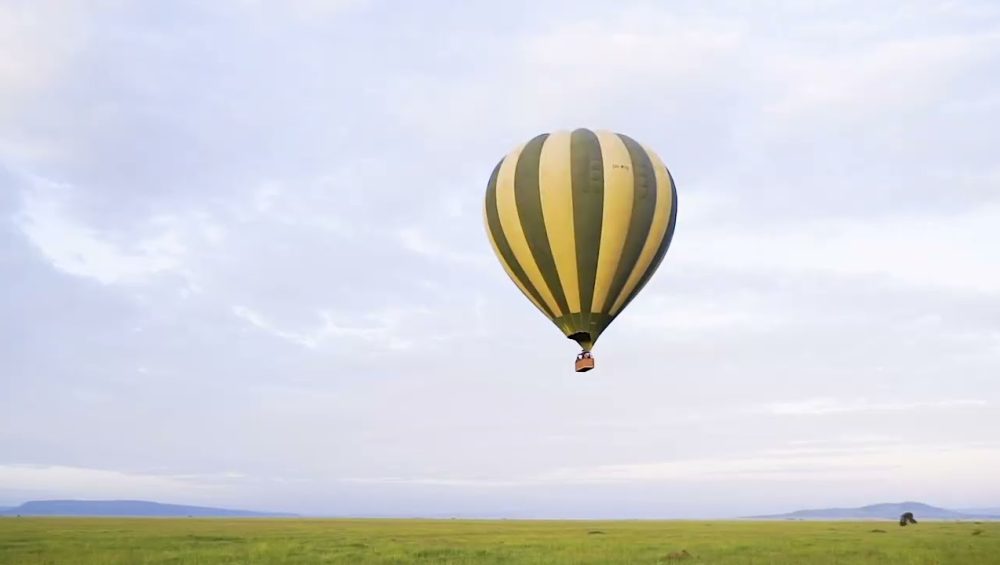
Commencing your journey, a three-day stay in the Serengeti is ideal. This iconic park is famed for its vast savannahs and the annual Great Migration, where millions of wildebeest and zebras traverse the landscape. Day one can be dedicated to a morning game drive, followed by an afternoon relaxation period at your lodge. On the second day, consider an early morning hot air balloon ride to capture stunning aerial views of the park, culminating with a game drive upon landing. Your final day in the Serengeti should focus on tracking specific wildlife or indulging in guided walking safaris.
Following your Serengeti escapade, a visit to the Ngorongoro Crater warrants a two-day itinerary for a truly enriching experience. Enclosed within a collapsed volcano, the crater houses an extraordinary concentration of wildlife. You can spend your first day descending into the crater for a game drive, observing the diversity of species such as lions and elephants. On the second day, a visit to a local Maasai village can be insightful, offering a glimpse into the vibrant culture of the region.
Finally, a two to three-day exploration of Tarangire National Park is recommended. This park, known for its large herds of elephants and impressive baobab trees, provides ample opportunities for unique wildlife encounters. Days here can be spent on game drives, bordered by bush picnics, allowing for leisurely appreciation of the African landscape. With this well-structured itinerary, you can ensure a memorable Tanzanian safari experience that highlights the country’s extraordinary wildlife and picturesque landscapes.
Short Safaris: Is 3 to 5 Days Enough?
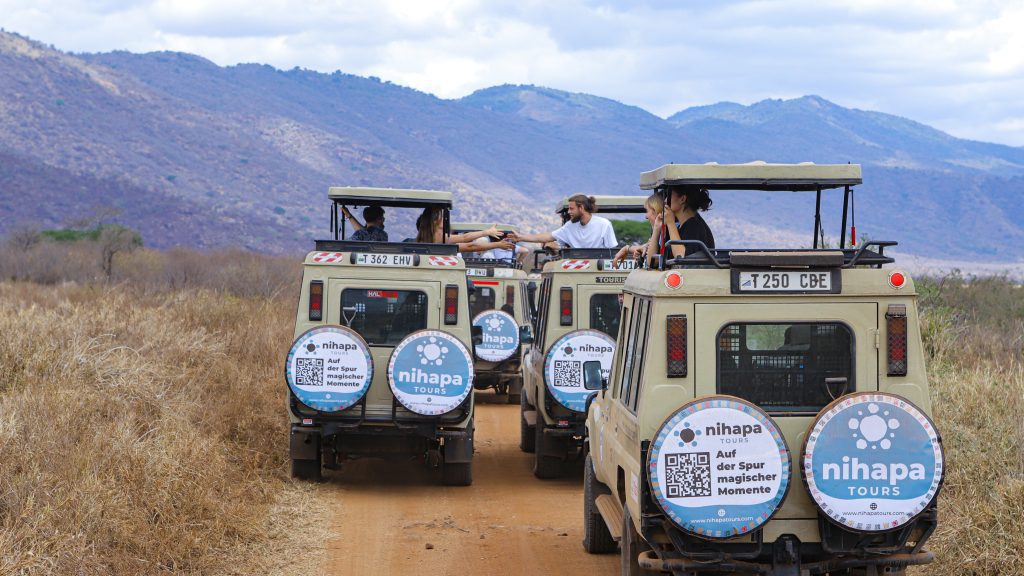
The allure of a Tanzania safari is undeniable, yet many potential travelers find themselves questioning whether a shorter trip of three to five days can offer a satisfying experience. The appeal of short safari packages lies in their accessibility, providing an opportunity for those with limited time to immerse themselves in Tanzania’s breathtaking wildlife and landscapes.
One of the primary advantages of a short safari is the ability to experience key highlights without a prolonged time commitment. In these compact trips, visitors often have the chance to explore iconic national parks such as Tarangire, Ngorongoro Crater, and Serengeti. The fast-paced nature of the itinerary can lead to a whirlwind of unforgettable moments, including witnessing the Great Migration or encountering the Big Five in their natural habitat.
However, the brevity of a 3 to 5-day safari does come with certain trade-offs. While travelers can cover significant ground, the fast pace may limit opportunities for in-depth exploration and appreciation of the diverse ecosystems. Longer safaris tend to allow for a more leisurely experience, providing travelers the chance to engage with local guides, explore remote areas, and connect more deeply with the environment.
Furthermore, the compressed schedule can lead to a feeling of being rushed, particularly during game drives or guided walks. For those who prioritize relaxation and immersion over mere observation, a longer trip might be the superior choice. Ultimately, while a short safari can indeed be fulfilling for those on a tight schedule, potential adventurers should weigh their priorities and desires, deciding if the quick encounter with Tanzania’s wonders aligns with their travel aspirations.
Extended Safari Adventures: 7 Days and Beyond
Opting for an extended Tanzania safari adventure lasting seven days or more offers travelers an unparalleled opportunity to immerse themselves in the rich diversity of wildlife and landscapes that this remarkable country has to offer. Longer itineraries provide a unique experience that allows enthusiasts to venture beyond the more commonly traveled routes and discover hidden gems, often resulting in extraordinary and intimate wildlife encounters.
During a week-long or longer safari, participants can enjoy ample time in iconic national parks such as the Serengeti and Ngorongoro Crater. These destinations are renowned for their incredible wildlife populations, including the famous Big Five: lions, elephants, leopards, buffalo, and rhinos. With extended stays, travelers can experience the natural rhythms of the wildlife, witness migration patterns, and even capture stunning photographs of animals during different times of the day.
Additionally, spending more time on a safari facilitates in-depth cultural experiences. Explorations may include visiting Maasai villages, where visitors can engage with local communities and learn about their traditions and lifestyle. This cultural exposure fosters greater appreciation of Tanzania’s rich heritage and helps promote sustainable tourism practices.
Travelers also benefit from the chance to explore less-visited national parks and reserves, such as Selous Game Reserve or Ruaha National Park. These areas boast diverse ecosystems and are often less crowded, providing opportunities for exclusive wildlife sightings. Extended safari trips not only enhance the scope of exploration but also ensure an enriching experience that goes beyond mere observation, allowing for deep, meaningful connections with the land and its inhabitants.
Combining Safari with Other Activities
When planning a trip to Tanzania, many travelers consider the possibility of extending their itinerary to include activities beyond the traditional safari experience. Tanzania is renowned not only for its stunning wildlife and national parks but also for its breathtaking landscapes, rich culture, and idyllic beaches. By incorporating these alternative activities, visitors can create a more comprehensive travel experience, enhancing the enjoyment and memorability of their trip.
One popular option is to tackle Mount Kilimanjaro. Climbing Africa’s highest peak offers an exhilarating adventure, typically requiring around 6 to 10 days, depending on the chosen route. Many hikers build this trekking experience into their safari schedule, allowing for a well-rounded journey that mixes wildlife encounters with breathtaking vistas. Preparatory considerations, fitness levels, and the selected climbing package will influence how this trek integrates with safari days.
Another alluring addition is visiting the picturesque island of Zanzibar. This tropical paradise is famous for its stunning beaches, exhilarating water sports, and rich cultural history. A few days spent relaxing on the shores of Nungwi or exploring the spice markets in Stone Town can provide a perfect balance to the thrilling safari adventures that precede the beach visit. Many travelers opt for a Zanzibar extension of 4 to 7 days, blending relaxation with their wildlife escapades.
Additionally, engaging with local communities offers a unique opportunity for cultural immersion. Participating in community-based tourism initiatives or village visits can facilitate meaningful interactions with the inhabitants, fostering a deeper understanding of the local way of life. These activities typically require an additional 1 to 3 days and can be well integrated into a broad travel itinerary.
In summary, when planning a Tanzania trip, combining safaris with activities such as climbing Kilimanjaro, beach holidays in Zanzibar, and local community engagement can significantly enhance the overall travel experience. Such combinations not only extend the trip duration but also create lasting memories through diverse encounters in this beautiful country.
Best Times of Year for Tanzanian Safaris
Tanzania is renowned for its diverse wildlife and stunning landscapes, making it a premier destination for safari enthusiasts. The best times of year for embarking on a memorable Tanzania safari can significantly vary based on seasonal wildlife migrations and climatic conditions. Generally, two main seasons dominate the wildlife viewing experiences in Tanzania: the dry season and the wet season.
The dry season, typically from June to October, is considered the optimal time for safaris in Tanzania. During these months, animals congregate around water sources, making wildlife sightings much more frequent and easier to access. Additionally, the clear skies and warm temperatures enhance visibility for photography and overall enjoyment. Areas such as the Serengeti and Ngorongoro Crater attract many visitors eager to witness spectacular wildlife encounters during this peak season.
In contrast, the wet season, from November to May, provides its own unique charm. This period is characterized by lush landscapes and opportunities for witnessing newborn wildlife. The short rains occur in November and December, while the long rains typically last from March to May. While some wildlife may be harder to spot due to the denser foliage, this season supports the migration of wildebeest and zebra as they traverse the Serengeti, creating breathtaking sights for adventurous travelers.
Ultimately, the choice of when to go on a safari in Tanzania will depend on the specific wildlife experiences one seeks. Understanding the seasonal variations in wildlife patterns not only aids in planning but also enhances the likelihood of witnessing the natural beauty and majestic creatures that inhabit this remarkable landscape. Aligning travel plans with peak wildlife viewing periods and considering weather conditions will provide the ultimate safari experience.
Tips for Planning Your Safari Duration
Choosing the right duration for a Tanzania safari is crucial to ensure it meets your expectations and provides a memorable experience. Various factors play a significant role in determining the ideal length of your safari, and addressing these can greatly enhance the journey.
First and foremost, consider the travel time to Tanzania. Depending on your starting point, you may face long-haul flights, which could lead to jet lag. Hence, budget extra days not just for travel but also to acclimatize and embrace the local environment. When planning your itinerary, it is advisable to allocate a couple of days for rest upon arrival before embarking on your safari.
Additionally, the flexibility of your booking is another important factor. Many travel companies offer customizable safari packages, allowing you to extend or shorten your duration based on personal preferences. If your schedule permits it, consider booking a longer safari to visit different parks and experience varied ecosystems, wildlife, and cultures. A few extra days can transform your safari experience from brief animal sightings to an immersive journey through Tanzania’s stunning landscapes.
For first-time travelers, it is often beneficial to opt for a safari duration of at least five to seven days. This timeframe allows ample opportunity to visit premier national parks such as Serengeti and Ngorongoro Crater without feeling rushed. You can savor the moments of wildlife interactions, engage with local communities, and indulge in diverse lodging options, enhancing the overall journey.
Ultimately, the duration of your safari should reflect your personal preferences and logistical considerations. Investing time in planning will help you capture the unforgettable essence of Tanzania.
Conclusion: Tailoring Your Safari Experience
Reflecting on your upcoming Tanzania safari, it becomes evident that the number of days you choose plays a crucial role in shaping your overall experience. A safari in Tanzania offers a plethora of unique landscapes, diverse wildlife, and cultural encounters that warrant thoughtful planning. Typically, a duration of at least five to seven days is recommended for an immersive experience that allows for the exploration of key national parks, such as the Serengeti, Ngorongoro Crater, and Tarangire. However, the length of your journey can be tailored based on your specific interests and the goals of your adventure.
Those who are passionate about wildlife photography may wish to extend their stay to capture the stunning array of fauna throughout the seasons or during migration. Alternatively, travelers seeking a brief yet memorable experience can prioritize key attractions and schedule a mix of guided tours and self-exploration. Whatever your interests, this flexibility enhances the richness of your adventure.
Moreover, considering the time of year is essential; certain months offer more prolific wildlife sightings or favorable weather conditions, allowing you to maximize your experience. It is advisable to research the best times to visit Tanzania based on your specific areas of interest.
As you plan your safari, reflect on what intrigues you the most. Whether it’s the thrill of spotting the Big Five, experiencing local cultures, or enjoying breathtaking landscapes, personal interests will guide your decisions. Engaging with local experts or planning agencies can also provide valuable insights tailored to your preferences. An unforgettable Tanzania safari is not merely about the number of days but crafting an adventure that resonates with your passions and aspirations. Start envisioning your adventure today!