The Complete Guide to Arusha: Top Attractions, Activities, and Dining
Table of contents
- The Complete Guide to Arusha: Top Attractions, Activities, and Dining
- Introduction
- 1. Comprehensive Best Time to Visit Arusha
- 2. Best Things to Do in Arusha: In-depth Sightseeing
- Relax at Kikuletwa (Chemka) Hot Springs
- Embrace Local Culture at the Maasai Market
- Visit Napuru Waterfalls: A Hidden Gem
- 3. Adventure & Activities Around Arusha
- 4. Accommodation Options in Arusha: Comprehensive List
- 5. Free Things to Do in Arusha
- 6. Food in Arusha: A Gourmet Expedition
- 7. Shopping in Arusha: Markets and Souvenirs
- 8. Getting Around Arusha: Transportation Tips
- 9. Essential Travel Information in Arusha
- 10. Responsible & Sustainable Travel in Arusha
- Conclusion
Introduction
The Complete Guide to Arusha, a culturally and historically interesting city at the foot of Mount Meru, is often referred to as the “Safari Capital” of Tanzania. As the major entry point for the northern safari circuit, it serves as a perfect hub for adventurers exploring Tanzania’s national parks, mountains, and iconic wildlife.
But Arusha is more than just a gateway to the Serengeti and Ngorongoro; it is filled with experiences, from cultural tours and local markets to delightful landscapes and historical landmarks. This guide will take you through most of what Arusha has to offer in terms of experiences, ensuring your visit to this vibrant city is truly rewarding.
1. Comprehensive Best Time to Visit Arusha
Arusha has a normally mild climate; however, at different times of the year, it may be different concerning what your mission is.
June to October (Dry Season):
This is the peak tourist season, as this is the best time for Tanzania safaris and other outdoor activities. The vegetation is thinner during these months, and it is very easy to see the wildlife because of the animals congregating at water points. Expect sunny days with cool evenings; temperatures are about 20-25°C in daytime. It is also high tourist season, which means one can expect to encounter a fairly great number of other tourists during this time, thus boisterous social activities and tours.
Short rains and hot seasons are from November to February
Although there is short rain in November and December, normally, it is normally short. Great sunny skies follow. It is the time of the year when birding enthusiasts prefer to visit, with the migratory birds arriving and filling the skies with colored species. The scenery around gets lush and green, so an excellent time for photography. The months of January and February are warm enough, with temperatures rising up to 28°C or 82°F, hence ideal times for spending outdoors in the absence of peak season crowds.
March to May: Long Rains
This is the wettest period in the year, when heavy rains throughout most of the area just keep falling. It would not be the best time to go on safaris since the roads become muddy and wildlife does not show up as well. But this season offers quieter parks and outstandingly beautiful green landscapes. Good for budget travelers since many lodges and safari operators offer their rates at a discount price during this time, rain brings a different beauty to the environment, tranquil.
Start your Tanzania safari journey
2. Best Things to Do in Arusha: In-depth Sightseeing
Arusha offers a lot- from national parks and mountain treks to cultural experiences and historical monuments. Whether one is an adventurous type of person or more prone to exploring history, Arusha certainly won’t disappoint.
Discover Arusha National Park: Nature at Its Finest
Arusha National Park is a special place. It is smaller than Tanzania’s famous parks but offers an intimate connection with nature. The park lies on the slopes of Mount Meru, Tanzania’s second-highest mountain. Its varied landscapes include forests, grasslands, the Ngurdoto Crater, and clear lakes.
Visitors can expect to see a variety of wildlife. Giraffes, zebras, and buffalo roam freely. Black-and-white colobus monkeys leap through the trees. Birdwatchers will enjoy spotting colorful species around the Momella Lakes.
Game drives are a classic way to explore the park. But walking safaris offer a chance to get closer to the environment and its smaller creatures. Canoeing on the lakes adds a peaceful, reflective experience.
Arusha National Park is less crowded than Serengeti or Ngorongoro. This makes it perfect for travelers who want a quiet and authentic safari. The experience here honors the tradition of slow, meaningful exploration.
Hike Mount Meru: A Classic Ascent
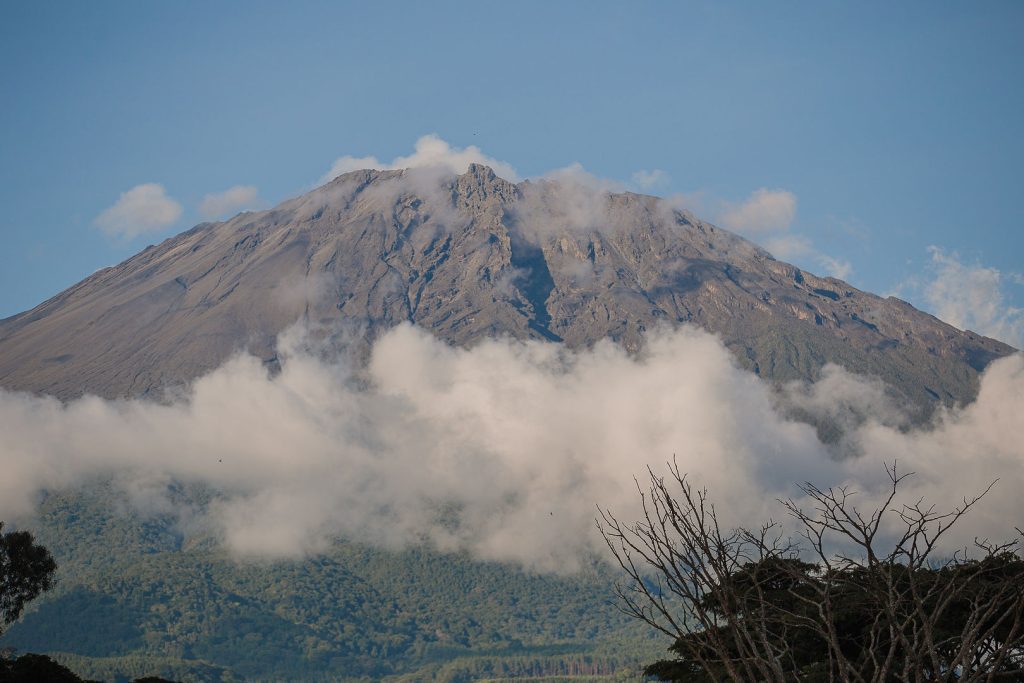
Mount Meru stands tall near Arusha and offers a challenging but rewarding hike. At 4,566 meters, it is the second-tallest mountain in Tanzania. The climb is a favorite among experienced hikers.
The trail winds through forest, bamboo, and alpine moorland. Along the way, hikers can spot wildlife such as monkeys and bushbucks. The mountain’s diverse vegetation is impressive and changes with altitude.
Reaching the summit of Mount Meru rewards you with spectacular views. You can see Mount Kilimanjaro in the distance on clear days. The sunrise over the landscape is unforgettable.
This trek is less busy than Kilimanjaro but still offers a serious mountain adventure. It has long been a training ground for those preparing to climb Kilimanjaro. Many climbers enjoy the peaceful atmosphere and natural beauty.
Mount Meru embodies the spirit of Tanzanian mountain adventure. It offers a timeless experience for those who love hiking and nature.
Relax at Kikuletwa (Chemka) Hot Springs
Kikuletwa Hot Springs, also called Chemka Springs, is a peaceful spot near Arusha. It is a natural spring with warm, clear water. The springs are surrounded by lush vegetation and tall palm trees.
Visitors can swim in the calm, warm water. The water temperature is perfect for relaxation. It is also a great place to cool off after a safari or hike.
The springs are a favorite day trip from Arusha. The journey through the countryside adds to the charm. Along the way, you see local farms and small villages.
The site is quiet and less commercialized than other tourist spots. It gives a sense of serenity and connection to nature. Families, couples, and solo travelers enjoy the calm environment.
Swimming in the hot springs is a natural way to unwind. Many visitors say it is a highlight of their trip. The tradition of using natural springs for relaxation goes back centuries.
Visiting Kikuletwa Hot Springs offers a genuine experience rooted in Tanzania’s natural heritage.
Embrace Local Culture at the Maasai Market
The Maasai Market in Arusha is a lively place to explore local culture. It is held regularly and offers a variety of handmade crafts. Visitors find colorful beadwork, jewelry, textiles, and wood carvings.
The market is run by Maasai artisans, who maintain traditional crafting skills. Buying here supports local families and keeps ancient crafts alive. The atmosphere is vibrant, with friendly vendors eager to share stories.
Walking through the market is like stepping into a world of color and creativity. Each item tells a story of Maasai heritage and skill. The market is not only a place to shop but also a cultural experience.
Visitors can respectfully negotiate prices, following long-standing market customs. The market also provides insight into Maasai culture and traditions.
For travelers who want authentic souvenirs and meaningful interactions, the Maasai Market is a must-visit. It represents Tanzania’s rich cultural fabric and honors time-tested artisanal traditions.
Explore the Cultural Heritage Centre
The Cultural Heritage Centre in Arusha is a treasure trove of African art and history. It houses sculptures, paintings, textiles, and traditional artifacts. The centre is a hub for artists and craftsmen from across Tanzania.
Visitors can admire works created using traditional methods passed down through generations. The centre also hosts cultural performances and workshops. It serves as a bridge between Tanzania’s past and present.
Walking through the galleries, you gain insight into the diverse cultures of East Africa. The centre celebrates heritage in a way that is both educational and inspiring.
For those interested in African art and history, the Cultural Heritage Centre is a rewarding stop. It preserves and promotes cultural identity, continuing a proud tradition.
By visiting, travelers support local artists and help sustain cultural preservation efforts. The centre stands as a symbol of Tanzania’s rich artistic legacy.
Taste Authentic Tanzanian Cuisine
Arusha’s food scene offers travelers a delicious way to experience Tanzanian culture. Traditional dishes like nyama choma (grilled meat) are popular. Usually served with chapati or ugali, these meals are hearty and flavorful.
Street food vendors and local restaurants offer authentic tastes in friendly settings. Nyama choma is often cooked over open flames, lending a smoky aroma. Meals are simple but deeply satisfying.
Coffee is another highlight. Tanzania’s coffee is renowned worldwide for its quality. Visitors can enjoy fresh coffee in local cafés or take tours of nearby coffee plantations.
Eating local food is more than just a meal; it’s a cultural ritual. Sharing food brings people together and reflects Tanzania’s communal spirit.
Dining at places like Khan’s Barbecue or small coffee lodges gives visitors a genuine taste of everyday life in Arusha. The experience honors traditional cooking and social customs.
Explore Duluti Forest: A Serene Natural Escape
Duluti Forest Reserve lies just a short drive from Arusha town. It is a small but beautiful patch of indigenous forest surrounding Duluti Lake. The forest is peaceful and rich in wildlife.
Visitors often take leisurely walks on well-marked trails. Along the paths, you can spot birds like hornbills and turacos. Monkeys sometimes swing overhead, adding life to the canopy.
The lake is a tranquil spot perfect for fishing or quiet reflection. Canoeing is available for those who want to paddle on the calm waters.
Duluti Forest offers a refreshing break from city life. It’s a place where visitors connect with nature’s calm and beauty. This forest has been a local sanctuary for generations.
It’s ideal for families, birdwatchers, and anyone looking for a peaceful nature walk near Arusha. The forest’s trails and scenery have remained largely unchanged, preserving a timeless natural experience.
Visit Napuru Waterfalls: A Hidden Gem
Napuru Waterfalls is a lesser-known natural attraction near Arusha. It’s a stunning cascade surrounded by dense forest and lush greenery. The site is perfect for adventurous travelers seeking off-the-beaten-path experiences.
The walk to the falls is a gentle trek through forest trails. Along the way, visitors can enjoy the sounds of birds and the cool shade of tall trees.
At the waterfall, the cool spray and scenic views create a refreshing atmosphere. It is a great place for picnics and photos.
Napuru offers a peaceful spot to relax and enjoy nature’s beauty. The area is not crowded, making it ideal for quiet reflection or a small group outing.
Visiting Napuru Waterfalls connects travelers with Tanzania’s rich natural heritage. It’s a timeless reminder of the country’s diverse landscapes beyond the well-known parks.
Discover Arusha Snake Park: Learn About Local Wildlife
Arusha Snake Park is a unique attraction in the city. It’s home to various reptiles, including snakes, crocodiles, and tortoises native to Tanzania.
Visitors learn about these creatures through guided tours. The guides share interesting facts and explain the importance of reptiles in local ecosystems.
The park is educational and family-friendly. It provides a safe environment to observe snakes up close. Children especially enjoy seeing the different species and learning about their habits.
Arusha Snake Park supports conservation and awareness efforts. It helps dispel myths and fears about snakes, promoting respect and understanding.
The park has been a local fixture for many years. It continues a tradition of educating residents and visitors about Tanzania’s fascinating reptiles.
Explore the Arusha Declaration Monument
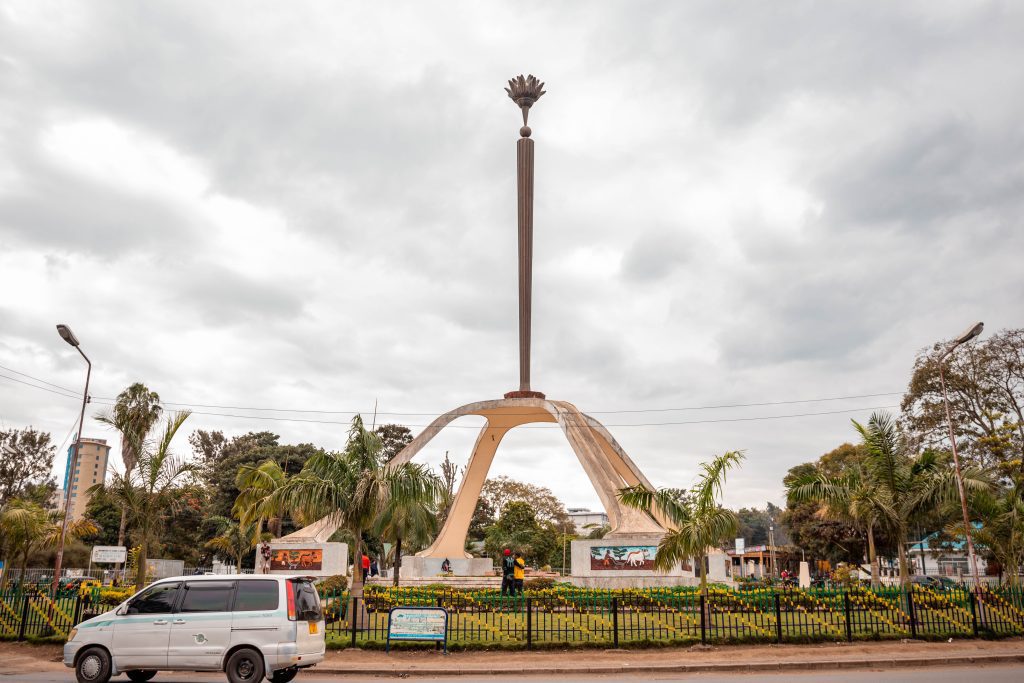
The Arusha Declaration Monument (Swahili: Mnara wa Azimio la Arusha) is a landmark and tourist attraction in Kati ward, Arusha, Tanzania, unveiled in 1977 by the Chama Cha Mapinduzi (CCM) party to mark the 10th anniversary of the Arusha Declaration.
Located at the center of a roundabout on Makongoro Road, it symbolizes Tanzania’s commitment to African Socialism, or Ujamaa, as outlined in the 1967 Arusha Declaration by President Julius Nyerere. The monument features four pillars with murals depicting Ujamaa values: equality, freedom, dignity, teamwork, and collective ownership of resources.
The Arusha Declaration itself was a blueprint for socialism and self-reliance, emphasizing national control of production, democratic governance, and economic justice, while rejecting reliance on foreign aid or capital.
The monument, alongside the nearby Arusha Declaration Museum, reflects Tanzania’s post-independence identity and its focus on communal values, though the Ujamaa policy faced challenges and was largely abandoned by 1975 due to economic difficulties.
The monument remains a significant cultural and historical site, though it was vandalized in April 2015 when a copper plaque was stolen. It stands as a reminder of Tanzania’s socialist past and its enduring national pride, often visited by tourists and locals for its historical significance and central location.
Consider reading this also:- Tanzania Holiday Vacation
3. Adventure & Activities Around Arusha
Instead of the usual safari, Arusha can cater to the thrill-seeker or the nature enthusiast in its outdoorsy adventures.
Wildlife Safaris:
Arusha is a starting point for the Northern Safari Circuit to such explosively acclaimed places as Serengeti National Park, Ngorongoro Crater, Tarangire National Park, and Lake Manyara. Safaris vary from just one-day trips to longer excursions lasting over a week. It is easily accessible from here, whether you want to witness the Great Migration or want to make sure you see the Big Five. The experienced safari guides, along with the various lodges- also called budget camps to luxury tented offer the best experience of safaris.
Read Also: How to plan a 5-day Tanzania Safari
Kilimanjaro Climbing:
Even though Kilimanjaro is not within Arusha, the city is the main hub for trekkers heading to the mountain. Mount Kilimanjaro rises as Africa’s highest peak and attracts thousands of climbers every year. Most expeditions get underway from Moshi, an hour’s drive from Arusha, but the city has sufficient outfitters and guides to get you ready for the challenge. The climb takes between 5 to 9 days, depending on the route, and is truly an unparalleled experience of accomplishment if one reaches the top.
Coffee Tours:
Tanzania is one of the largest African coffee producers, with several large plantations around Arusha. Most of these offer guided tours that will show visitors how coffee is produced, from the beans to roasting and brewing. Most of the tours include tests and are thus perfect opportunities to learn all about the importance of coffee for Tanzania’s economy and culture. You can buy fresh Tanzanian coffee there to take home.
Cultural Tours:
Arusha, a vibrant city in Tanzania, is a cultural hub where the Maasai, Chaga, and Meru communities come together, offering an incredible experience for cultural tourism. As a visitor, you can spend a day immersing yourself in their traditions, such as joining the Maasai for cattle herding, crafting intricate beadwork with the Chaga, or farming alongside the Meru. A highlight is visiting a Maasai village, where you’ll get an up-close look at their semi-nomadic lifestyle, wrapped in their iconic red shukas (sheets), a practical and cultural choice for their way of life.
While in Arusha, don’t miss the Kilombero Market, a bustling spot where locals trade fresh produce, spices, and crafts. It’s a great place to soak in the daily life of these communities, taste local foods, and pick up handmade souvenirs.
Most cultural tours in Arusha are part of community-led projects, meaning your visit directly supports the locals, contributing to schools, healthcare, and other initiatives. With Mount Meru as a stunning backdrop and landmarks like the Arusha Declaration Monument nearby, Arusha offers a perfect mix of culture, nature, and history for an unforgettable trip.
4. Accommodation Options in Arusha: Comprehensive List
Arusha caters to all classes, whether luxury lodges or budget guesthouses. Ranging from five-star hotels to a bed-and-breakfast where one can rest overnight, Arusha has options to fit various budgets and travel styles.
Luxury Accommodations:
Arusha Coffee Lodge is a luxury lodge set among one of the largest coffee plantations in Tanzania; it guarantees guests tranquil retreats amidst scenic landscapes. Each suite boasts spaciousness with rustic décor, private balconies, and every modern facility. Other lodge facilities include a gourmet restaurant and tours of the coffee plantation.

Gran Meliá Arusha: This five-star hotel is in modern design, has great views of Mount Meru, and offers an infinity pool, spa center, and three restaurants with international and local cuisine.
Mid-range Accommodations:
The African Tulip: This boutique hotel, with its African theme inside, assures guests of warm hospitality and personalized service. The rooms are spacious and stylishly decorated, while facilities include a swimming pool and a well-regarded restaurant.
Four Points by Sheraton Arusha: This hotel effectively blends colonial charm with modern comforts. Centrally located, it offers elegant rooms, a pool, a fitness center, and a beautiful garden setting.
Budget Accommodation
Outpost Lodge: This is one of the more popular low-budget lodges, offering simple but comfortable rooms in a quiet garden setting. Being outside of the city center does make for a peaceful retreat from the hurly-burly of street life.
Arusha Backpackers: Highly recommended for solo travelers and budget-conscious people. It has clean dormitory-style accommodation and private rooms. The rooftop bar with its view of Mount Meru is an excellent place, and the location of the hotel is rather close to many restaurants and shops.
5. Free Things to Do in Arusha
Arusha is a vibrant city that offers far more than safari departures and tour lodges. Beyond the well-known attractions, the city is full of experiences that travelers can enjoy without spending a cent. From bustling markets and historic landmarks to peaceful nature walks and stunning sunset views, there’s something for everyone, whether solo travelers, families, or budget-conscious visitors.
This guide highlights the best free activities in Arusha, allowing you to explore its culture, history, and natural beauty at your own pace. Whether you’re strolling through colorful markets, observing traditional Maasai crafts, or enjoying Mount Meru’s golden-hour glow, these activities offer authentic experiences that showcase the city’s charm without touching your wallet.
Explore the Arusha Central Market (Soko Kuu)
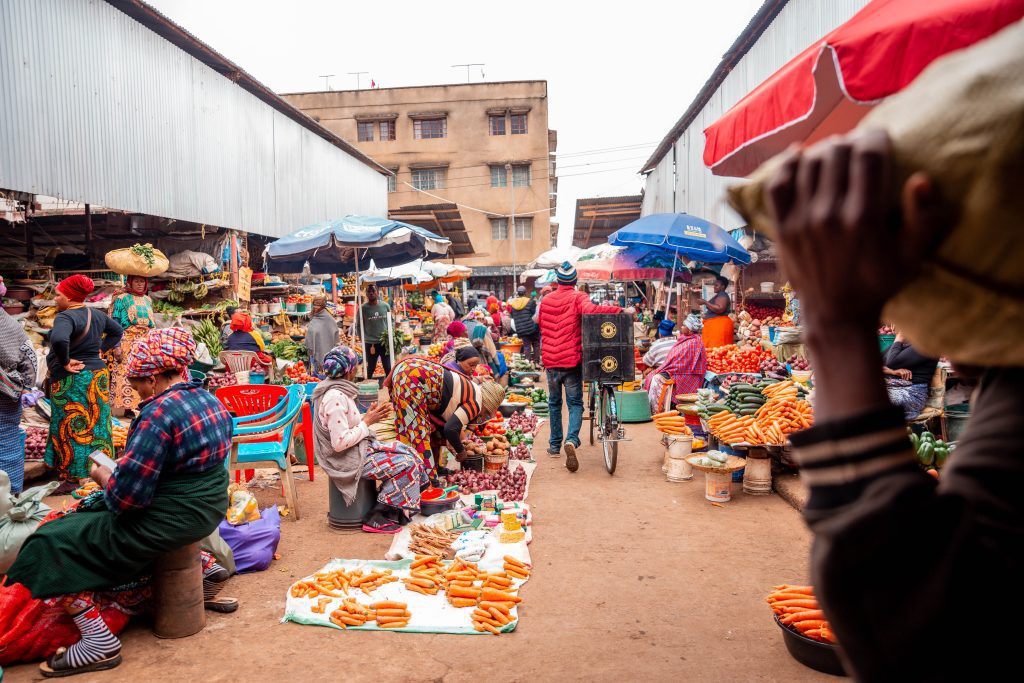
Arusha Central Market is one of the liveliest places in the city and a great free activity for anyone who wants to understand local culture. As you walk through the maze of stalls, you’ll see colorful displays of fruits, spices, fabrics, and everyday household items. The atmosphere is busy but friendly, with vendors calling out their offers and locals going about their daily routines. It’s a perfect place to observe the rhythm of Arusha life without spending anything unless you choose to.
Beyond the sights and sounds, the market gives visitors a close-up look at traditional food ingredients and local crafts. You can watch artisans at work, learn the names of fresh Tanzanian produce, and even take photos of the vibrant scene. Whether you stay for 10 minutes or an hour, the market offers an authentic experience that’s both educational and exciting, and completely free to explore.
Visit the Arusha Clock Tower
The Arusha Clock Tower is one of the city’s most iconic landmarks and a must-see for first-time visitors. Standing at the symbolic midpoint between Cairo and Cape Town, the tower provides a unique photo opportunity and a sense of Arusha’s history. Surrounding the tower are busy streets filled with local shops, cafés, and colonial-era buildings, which makes it an excellent starting point for a self-guided walking tour. Simply exploring this area allows travelers to soak up the city’s energy without spending a cent.
Besides its historical significance, the area around the Clock Tower is ideal for people-watching and learning about local life. Visitors can admire street vendors selling fresh produce, handcrafted goods, and traditional clothing. The location also connects easily to nearby attractions, making it a convenient free stop while exploring the city. Watching the sunset from this central area, with Mount Meru in the background, is another memorable experience that costs nothing but leaves a lasting impression.
Browse the Maasai Market
The Maasai Market is a vibrant and colorful spot in Arusha where visitors can admire handmade crafts, jewelry, paintings, and beadwork created by local artisans. Walking through the market is completely free and offers a unique glimpse into Maasai culture and artistry. The lively atmosphere, with vendors displaying their creations in open stalls, makes it an enjoyable experience for photographers, families, and solo travelers alike. Even without purchasing anything, the market provides an authentic cultural experience and a chance to observe local craftsmanship up close.
In addition to the crafts, the Maasai Market is a great place to engage with locals and learn about their traditions. Travelers can see how everyday items are made and gain insight into the Maasai way of life. The colorful displays and bustling environment also make it an ideal spot for capturing memorable photographs. Visiting the market gives you a sense of Arusha’s rich cultural diversity while remaining completely free and accessible to everyone.
Take a Self-Guided City Walk
Exploring Arusha on foot is one of the simplest and most rewarding ways to experience the city for free. Walking along streets like Boma Road, India Street, and around the Clock Tower allows travelers to see both modern shops and historical buildings up close. You can soak in the daily rhythm of the city, watch street vendors, and enjoy the vibrant mix of cultures and architecture. A self-guided walk gives you the flexibility to stop wherever interests you, whether it’s a local café, a small market, or a colorful mural.
These walks also provide an excellent opportunity for photography and observing local life in action. Along the way, you can notice small details, like traditional signage, local street art, and people going about their routines. Even short walks offer memorable experiences, from seeing children play in open spaces to interacting with friendly shopkeepers. A self-guided city walk is not only free but also one of the best ways to connect with the authentic spirit of Arusha.
Visit the Old Boma (Exterior)
The Old Boma is one of Arusha’s oldest buildings, dating back to the German colonial period. Even without entering, the exterior alone is worth seeing. Its architecture reflects historical influences and provides a glimpse into the city’s past. Travelers often stop to take photos or admire the design while exploring the surrounding streets.
Walking around the Old Boma area also gives visitors the chance to experience local neighborhoods, watch daily life, and interact with friendly locals. Its central location makes it easy to combine with other free activities nearby, such as the Clock Tower or markets, giving a richer sense of Arusha’s history and atmosphere without spending a cent.
Themi River Walks
The green areas along the Themi River are peaceful spaces perfect for a leisurely walk or relaxation. Shaded paths along the river offer a welcome break from the busy streets of Arusha, and it’s a great spot to enjoy fresh air and natural scenery. Families, solo travelers, and nature lovers can all benefit from this quiet area.
In addition to walking, the river area provides opportunities for birdwatching and observing local flora. Even a short stroll lets you appreciate Arusha’s greenery and feel connected to its natural environment. These free walks are simple yet rewarding experiences that are often overlooked by visitors.
Sunset Views of Mount Meru
Mount Meru dominates the Arusha skyline and is one of the most beautiful sights in the region. Watching the sunset over the mountain is completely free and offers a memorable experience for visitors of all ages. Neighborhoods like Njiro, Sakina, and parts of the town center provide excellent vantage points for golden-hour photography.
This activity is simple but incredibly rewarding. As the sun sets, the city and surrounding landscapes are bathed in warm colors, making it a peaceful way to end the day. Sunset views of Mount Meru are accessible to everyone and are a perfect reminder of Arusha’s natural beauty without spending any money.
6. Food in Arusha: A Gourmet Expedition
Food in Tanzania is a function of its neighbors on the African, Indian, and Middle Eastern fronts. Its city of Arusha expresses this variety in every sphere, from street food to fine dining. Here goes the list of what you really should not miss out on:
Nyama Choma:
Grilled meat, or Nyama Choma, is pretty much a country favorite. This is normally goat, chicken, or beef, served with a side of either ugali, a staple based on cornmeal, or fries. Nyama Choma is proudly touted by many local restaurants and is usually accompanied by a cold local beer.
Zanzibar Mix:
Zanzibar Mix is a street food concoction that is made tangy with a flour and potato ball base, chickpeas, and coconut milk, tamarind, and spices for flavoring. It is filling, deliciously flavored, and eaten for a quick lunch.
Chips Mayai:
Chips Mayai is a special combination of French fries and an omelet that holds a soft corner in the comfort food list of Tanzanians. It is available at every small food joint and street food stall. It is a humble yet filling dish that, on many occasions, is served with chili sauce or ketchup.
Pilau and Biryani:
Both pilau and biryani are spicy rice dishes that have a significant place in the land of Tanzanian coastal cuisine. Traditionally, each of these is served with meat, fish, or vegetables. While less pungent than the other one, biryani is much richer in taste, with most preparations of meat marinated in yogurt.
7. Shopping in Arusha: Markets and Souvenirs
Shopping in Arusha takes a whole new dimension, from its colorful markets to the high-end shops stocked with unique items for your take-home list. The following are some suggestions and places for shopping:
Maasai Market:
Maasai Market: Probably the most famous place to shop in Arusha, the Maasai Market is pulsating and busy, with local artisans dealing in their products. You will find a variety of traditional Maasai beadwork, colorfully designed kangas (traditional fabric), wood carvings, and other handicrafts. Be prepared for some hard bargaining, as haggling is all part of the experience.
Cultural Heritage Centre:
The Cultural Heritage Centre has a massive selection of high-quality Tanzanian crafts, jewelry, and Tanzanite stones for those looking for nicer artwork or gifts to bring home. Prices here are generally fixed, but the variety and authenticity make it worth visiting.
Central Market:
The Central Market of Arusha is just a place that one should not miss if they look to get the feel of the pulsating life of the locality. From fresh produce to spices, from household items to clothes, all are available here. This is an excellent place where one can find local spices such as cloves, cardamom, and vanilla.
8. Getting Around Arusha: Transportation Tips
Getting around Arusha can be an adventure in itself. There are several ways to see the city, from taxis to public buses.
Taxis:
Taxis are abundant in Arusha, though none carry meters, so pre-trip negotiation is a must. Prices vary depending on how far you go, but most town trips are in the region of $5-10. Always use a reputable taxi service or ask your hotel to book one for you.
Dala-Dalas:
The local minivans, or daladala, are the cheapest way of getting around, but these can get extremely crowded. The shared vans run on certain routes and are thus common among locals. The average ride within the city is about 500 to 1,000 TZS (about $0.20 to $0.50) and thus very affordable.
Car Rentals:
Those who wish to head out of town have the option to rent a car. Multiple rental firms with and without drivers are available. It is highly advisable to one book a 4×4 if one will be visiting national parks or more rural areas, since the road becomes pretty bad in some parts.
Boda-Bodas (Motorcycle Taxis):
Boda-bodas: These are ok when moving around the city, especially when there is a lot of traffic on the flow. They are fast and cheap. Using them, however, involves some level of risk since they do not always offer helmets. If you use a boda-boda, agree to the price before setting off.
9. Essential Travel Information in Arusha
Getting to Arusha by Air
Arusha is well-connected by air, making it an ideal starting point for safaris across northern Tanzania. Travelers arriving from abroad typically fly into Kilimanjaro International Airport, which is about 45 minutes from Arusha. This airport is served by major airlines such as KLM, Qatar Airways, Turkish Airlines, and Ethiopian Airlines, offering convenient international connections. Some travelers also arrive via Nairobi’s Jomo Kenyatta International Airport in Kenya, from where a short flight or a scenic drive of six to seven hours brings them to Arusha.
For those already in Tanzania, domestic flights provide easy access to Arusha from cities like Dar es Salaam and Zanzibar. Precision Air offers multiple daily flights, while Air Tanzania connects Arusha with other major Tanzanian cities. Smaller regional carriers like Auric Air operate flights to nearby safari destinations, providing flexibility for travelers heading straight to the parks.
During peak safari seasons, which run from June to October and January to March, it is advisable to book flights early to secure the best rates. Domestic carriers often have luggage restrictions, so travelers should check baggage allowances, especially when carrying gear needed for a safari. Flying into Kilimanjaro International Airport generally provides the most convenient access to both Arusha and the northern safari circuit.
ReadMore About Airlines in Arusha
Language:
While Swahili is the national language, English is spoken everywhere in the tourism arena, and visitors should have little trouble making themselves understood by the people they meet, especially in hotels, restaurants, and safari lodges.
Restaurants in Arusha
Arusha offers a variety of dining options to suit every taste, from local Tanzanian cuisine to international favorites. Visitors can enjoy authentic dishes like nyama choma (grilled meat), ugali, and chips mayai (Tanzanian-style omelet) at affordable local eateries. For a more relaxed experience, cafés and mid-range restaurants provide a comfortable setting for breakfast, lunch, or dinner. Popular choices among travelers include George’s Tavern, The Blue Heron, Fig & Olive, Picasso Café, and The Tanzanite Experience Café. These spots are perfect for enjoying good food while experiencing the city’s vibrant atmosphere.
Many restaurants in Arusha also provide safe, family-friendly environments and excellent customer service. Whether you’re traveling solo, with kids, or in a group, you can enjoy a mix of indoor and outdoor seating, fresh ingredients, and local hospitality. Some establishments even offer stunning views of Mount Meru or garden seating for a calm, scenic dining experience. Including restaurant recommendations in your travel plan ensures you can enjoy Arusha’s culinary scene without stress and find memorable meals during your stay.
Pharmacies in Arusha
Accessing medical supplies and basic health products is easy in Arusha, with several reliable pharmacies conveniently located across the city. Travelers can find over-the-counter medications, personal care items, and common prescription drugs without difficulty. Popular options include Nola Pharmacy, Goodwill Pharmacy, MediCare Pharmacy, and Plaza Pharmacy near the Clock Tower. Most pharmacies are open until the evening, making them convenient for visitors who may need health essentials at short notice.
Pharmacies in Arusha are staffed with knowledgeable personnel who can advise on common ailments and travel-related health concerns. While it’s always best to carry any prescribed medications from home, having local pharmacies accessible ensures peace of mind during your trip. Whether you need sunscreen, insect repellent, or basic first-aid supplies, these pharmacies provide safe, dependable options for travelers exploring the city and nearby attractions.
Hospitals in Arusha
For travelers seeking medical care, Arusha has several reputable hospitals and clinics. Aga Khan Hospital and Arusha Lutheran Medical Centre (ALMC) are well-known for modern facilities and experienced staff, making them ideal for emergencies or routine check-ups. Mount Meru Regional Hospital and Selian Lutheran Hospital are also accessible options for visitors, providing a range of medical services.
Knowing the location of hospitals gives travelers peace of mind, especially when planning outdoor activities or safaris. Both private and public hospitals offer reliable care, and many have English-speaking staff who can assist international visitors. Whether for minor concerns or emergencies, these facilities ensure health support is never far away during your stay in Arusha.
Supermarkets & Essential Shopping
Travelers in Arusha can easily access groceries, toiletries, and other essentials at local supermarkets. Popular options include Shoppers Supermarket at Sable Square, IGA Supermarket, and smaller neighborhood mini-markets. These stores stock a mix of local products and imported items, making them convenient for short-term visitors or long-term stays.
For necessities like SIM cards, snacks, or toiletries, supermarkets are often the most reliable choice. Many also provide a comfortable shopping experience with clear pricing, clean aisles, and helpful staff. Stopping at a supermarket is a simple way to prepare for daily activities, day trips, or safari excursions without hassle.
Transportation in Arusha
Getting around Arusha is convenient, with several transportation options to suit different budgets. Taxis and ride-hailing services provide reliable, safe travel for short or long trips. Bajaji (tuk-tuks) are a cheap and fast option for quick city rides, while boda bodas (motorbike taxis) can be used cautiously for adventurous travelers. Dala-dalas (minibuses) are the most economical but crowded and not ideal for tourists unfamiliar with local routes.
For airport transfers or safaris, private drivers or tour operators like Nihapa Tours provide secure and comfortable transportation. Kilimanjaro International Airport (JRO) and Arusha Airport (ARK) are nearby, making it easy to reach the city. Knowing your transport options ensures smooth travel within Arusha and to surrounding attractions.
Banks, ATMs & Money Tips
Arusha has several banks and ATMs for easy access to cash. Popular banks include CRDB, NMB, NBC, and Standard Chartered. Authorized forex bureaus and some hotels also provide currency exchange for travelers, with clean USD notes recommended for exchange.
Using ATMs and banks in central locations ensures safe and convenient transactions. Travelers should be aware of banking hours and prefer official outlets for currency exchange. Having access to reliable banking facilities makes it easier to manage travel expenses, pay for local services, and withdraw cash for day trips or souvenirs.
Souvenirs & Local Crafts
Arusha is a hub for handmade crafts, artwork, and Maasai jewelry. The Arusha Cultural Heritage Centre offers curated, high-quality items, while the Maasai Market provides more affordable options and a lively shopping experience. Walking through these areas lets visitors admire craftsmanship and explore cultural diversity.
Travelers can purchase items such as carvings, beadwork, textiles, paintings, and home décor. Even if you’re not buying, observing artisans at work and interacting with locals offers insight into Tanzanian culture. Including souvenir stops in your itinerary adds cultural depth to your visit while supporting local communities.
Gyms & Fitness
For travelers wanting to stay active, Arusha has several gyms and fitness studios. Impala Hotel Gym, Gymkhana Club, and other modern facilities offer equipment for cardio, strength training, and general workouts. Some hotels also provide day passes for short-term visitors.
Outdoor fitness is another option, with running and walking paths in certain green areas like the Themi River. Staying active while traveling helps maintain energy levels and adds balance to sightseeing. Fitness options in Arusha cater to both short-term visitors and long-term travelers looking to maintain routines.
Work-Friendly Cafés
Arusha has a growing number of cafés suitable for remote work or casual meetings. Blue Heron Café, Africafé, and Picasso Café are popular choices, offering free Wi-Fi, power outlets, and calm atmospheres. These cafés are ideal for travelers who need to check emails, plan safari trips, or catch up on work.
Many cafés also serve fresh coffee, pastries, and light meals, providing a relaxing environment for both short visits and longer stays. Combining work with a pleasant café experience allows travelers to remain productive while enjoying the city’s hospitality and vibrant atmosphere.
Visa and Entry Requirements:
The citizens of most countries can get a visa on arrival at Kilimanjaro International Airport or already in advance, be able to apply for an eVisa. Please note specific visa requirements for your country of citizenship before traveling. You will also need a valid passport with at least six months of validity.
Apply for a Visa Online: Tanzania eVisa
10. Responsible & Sustainable Travel in Arusha
Travelers today appreciate knowing how to explore a destination while respecting its environment and communities. Adding this section will not only build trust but also strengthen your guide’s long-term value.
Respect Local Communities
Arusha is home to diverse cultures, including Chagga, Meru, and Maasai communities. Visitors should dress modestly in rural areas, ask before taking photos, and support locally owned shops and craft markets. Simple gestures, buying handmade items or hiring local guides, help sustain families and preserve traditions.
Reduce Environmental Impact
Arusha National Park and the surrounding landscapes are sensitive ecosystems. Travelers can help by staying on designated trails, carrying reusable water bottles, and avoiding litter at viewpoints, lakes, and hiking routes. Choosing eco-conscious lodges and camps with waste management systems also minimizes impact.
Wildlife Etiquette
Whether viewing giraffes in Arusha National Park or walking around Lake Duluti, keeping a safe distance ensures the animals are not disturbed. Never feed wildlife, avoid loud noises, and follow ranger instructions during nature walks or canoeing experiences.
Support Conservation Efforts
Visitors can contribute to conservation through small park donations, community projects, or guided tours that directly support local initiatives. By choosing responsible operators, like Nihapa Tours, you help ensure Arusha remains a clean and thriving destination for future generations.
Conclusion
Arusha has so much more to offer than being merely a gateway into safaris: it’s a city of culture, history, and adventure. From going on wildlife safaris to trekking Mount Meru, even trying the local food, Arusha holds something unique in store for every kind of traveler. With lively markets, scenic beauty, and a warm reception, this city is a must on every Tanzanian itinerary. As you explore the city and surroundings, Arusha proves not to be a pass-through, but a place of amusement.
Read Also:- Complete Guide To Moshi