20+ Best Things to Do in Tanzania | Discover Hidden Gems
Tanzania is a country of breathtaking contrasts, from its savannahs teeming with wildlife to the snow-capped summit of Mount Kilimanjaro and the turquoise waters of the Indian Ocean. Whether you’re a nature lover, thrill-seeker, cultural explorer, or beach lounger, Tanzania has a world of experiences waiting. This guide explores more than 20 of the best things to do in Tanzania for 2025 and beyond, covering iconic attractions and hidden gems.
1. Witness the Great Migration in Serengeti National Park
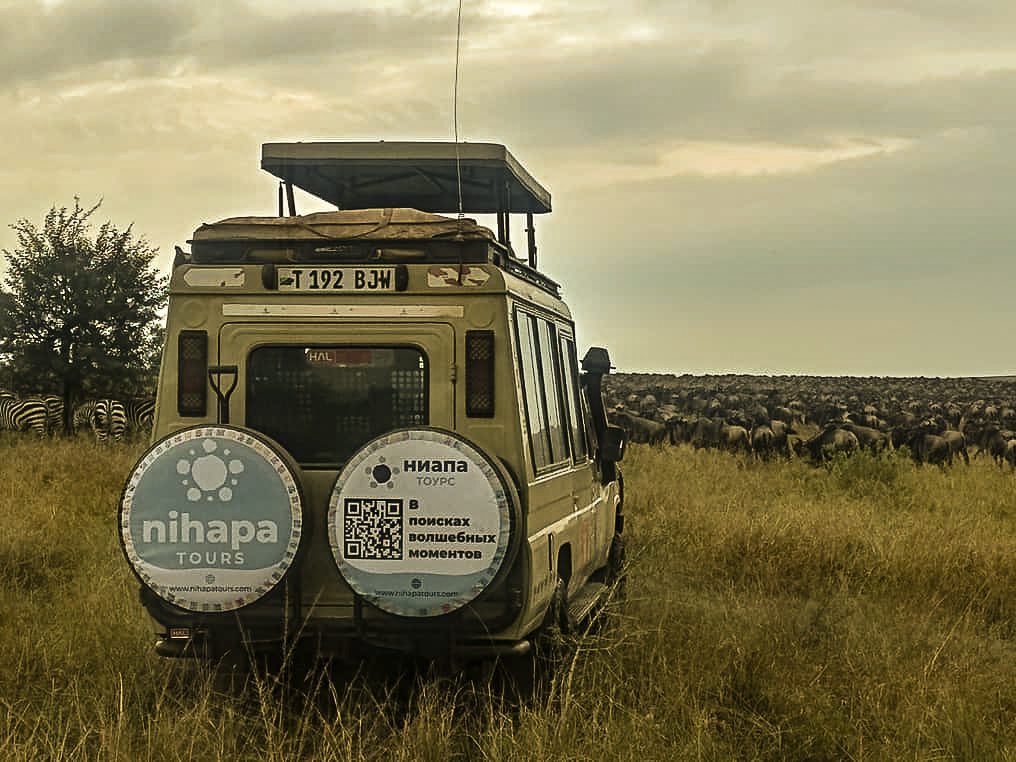
Tanzania’s Serengeti National Park is world-renowned for hosting one of the most spectacular wildlife events on the planet, the Great Migration. This awe-inspiring phenomenon involves over 1.5 million wildebeest, hundreds of thousands of zebras, and gazelles moving across the plains in search of fresh grazing. Along the way, they face dramatic river crossings, crocodile-infested waters, and stalking predators such as lions, cheetahs, and hyenas.
Plan your dream Tanzania safari
The migration is not just a visual feast but also a dynamic natural cycle that sustains the Serengeti ecosystem. The best time to witness this spectacle depends on the location and time of year. Calving season occurs in the southern Serengeti from January to March, while the thrilling river crossings take place between July and October in the northern regions. Whether you choose to explore the Serengeti in a 4×4 game drive, a mobile tented camp, or even by hot air balloon, witnessing the Great Migration is undoubtedly one of the most unforgettable things to do in Tanzania.
2. Climb Mount Kilimanjaro – Africa’s Highest Peak
Climbing Mount Kilimanjaro, Africa’s tallest mountain at 5,895 meters (19,341 feet), is a dream adventure for many travelers. This snow-capped giant, often shrouded in clouds, rises dramatically from the savannah and is a UNESCO World Heritage Site. Unlike many of the world’s tallest peaks, Kilimanjaro doesn’t require technical climbing skills, making it accessible to determined hikers with good preparation. There are several routes to choose from, including the popular Machame Route, scenic Lemosho, and the easier Marangu Route, each offering unique views and experiences.
Most treks take between 5 to 9 days and pass through diverse ecosystems, from tropical rainforests to alpine deserts and the glacier-covered summit. The final ascent typically starts before midnight, reaching Uhuru Peak at sunrise for an unforgettable view above the clouds. Kilimanjaro is not just a climb; it’s a test of endurance and determination. Completing it is one of the most rewarding accomplishments and stands out as one of the best things to do in Tanzania.
Planning your next trip? Search on KAYAK
3. Explore the Wonders of Ngorongoro Crater
The Ngorongoro Crater, formed by the collapse of a massive volcano millions of years ago, is now a natural amphitheater teeming with wildlife. As the largest intact volcanic caldera in the world, this UNESCO World Heritage Site is home to over 25,000 animals, including the Big Five: lion, leopard, elephant, rhino, and buffalo. The crater’s unique enclosed ecosystem means that wildlife spotting here is almost guaranteed. The rich grasslands support large populations of wildebeest, zebras, and gazelles, while the swamps and forests shelter hippos, flamingos, and elusive leopards.
With a depth of about 600 meters and a width of 20 kilometers, Ngorongoro provides a stunning landscape of lakes, forests, and open plains. Game drives along the crater floor offer unmatched opportunities for photography and close-up wildlife encounters. Additionally, the nearby Maasai communities contribute cultural depth to any visit. For nature lovers and photographers alike, exploring Ngorongoro Crater is undoubtedly one of the top things to do in Tanzania.
Read Also:- Things to do in Serengeti
4. Relax on the White Sand Beaches of Zanzibar
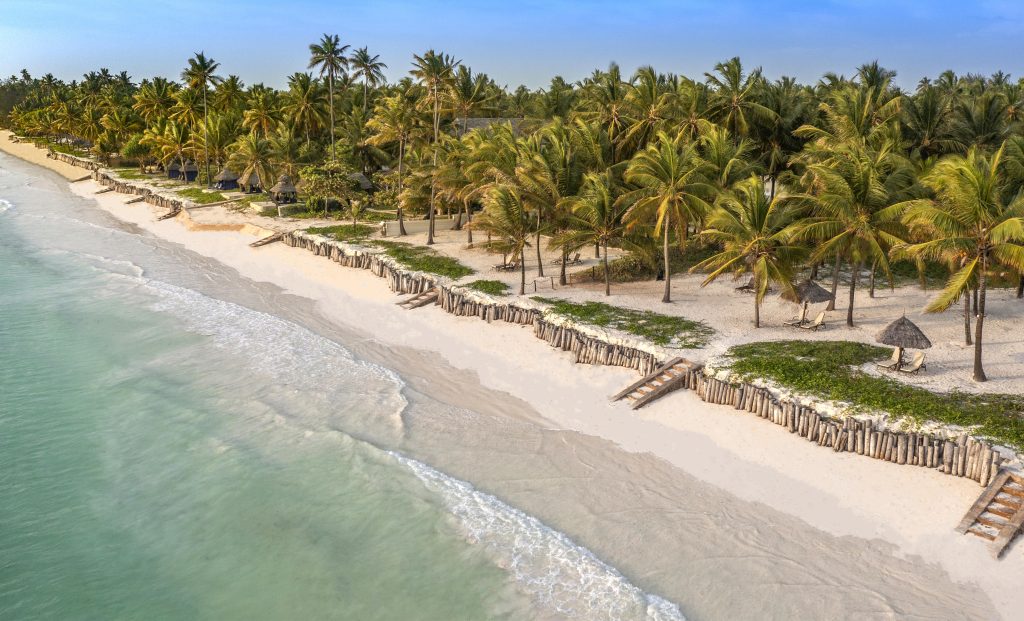
After an adventurous safari or mountain climb, there’s no better way to unwind than on the white sand beaches of Zanzibar. This semi-autonomous island off Tanzania’s coast is renowned for its powdery beaches, turquoise waters, and laid-back island vibes. The east coast towns of Paje and Jambiani are ideal for kitesurfing, yoga, and long walks along the shore, while the northern beaches of Nungwi and Kendwa are livelier, offering beach bars, sunset cruises, and luxury resorts. Snorkeling and diving opportunities abound, especially around Mnemba Atoll, where vibrant coral reefs teem with marine life.
Zanzibar isn’t just about the beach; its rich culture, spice farms, and historic towns add depth to your visit. Whether you’re a couple on a romantic getaway, a solo traveler looking to disconnect, or a family wanting to splash in calm waters, Zanzibar delivers a tropical escape like no other. It’s a must-do experience for anyone visiting Tanzania.
5. Roam the Alleys of Stone Town, Zanzibar
Stone Town, the cultural and historical heart of Zanzibar, is a labyrinth of narrow alleys, coral stone buildings, and intricately carved wooden doors. Recognized as a UNESCO World Heritage Site, Stone Town reflects centuries of Arab, Persian, Indian, and European influence, making it one of the most unique towns in East Africa. Walking through its streets feels like stepping back in time, mosques call out for prayer, spices fill the air, and children play in shaded courtyards. Historical sites like the House of Wonders, Old Fort, and the Anglican Cathedral (built on the site of the old slave market) offer deep insights into the island’s past.
Visitors can also explore bustling bazaars and dine at rooftop restaurants with ocean views. Every turn offers a discovery, from antique shops to hidden cafes. Roaming Stone Town is not just sightseeing, it’s an immersive experience in culture, history, and the living soul of Zanzibar. For culturally curious travelers, it’s one of the top things to do in Tanzania.
6. Dive into the Marine Wonders of Mafia Island
Mafia Island is one of Tanzania’s best-kept secrets. Far less commercialized than Zanzibar, it offers a quiet escape into crystal-clear waters and marine biodiversity. The Mafia Island Marine Park, protected since 1995, is a paradise for snorkelers and divers, with vibrant coral reefs, whale sharks, and sea turtles. From October to March, the island becomes one of the few places in the world where you can swim with whale sharks in their natural habitat, an unforgettable experience.
The dive sites around Chole Bay are ideal for both beginners and advanced divers, offering visibility up to 30 meters. You can also explore nearby Chole Island, famous for its historic ruins and massive baobab trees. While on Mafia, relax in eco-lodges, go sailing on a traditional dhow, or kayak through mangroves. With its calm pace, welcoming locals, and pristine nature, Mafia Island is perfect for travelers looking to escape crowds and immerse themselves in untouched beauty. It’s a highlight for eco-tourism and responsible travel in Tanzania.
7. Spot Elephants Among Baobabs in Tarangire National Park
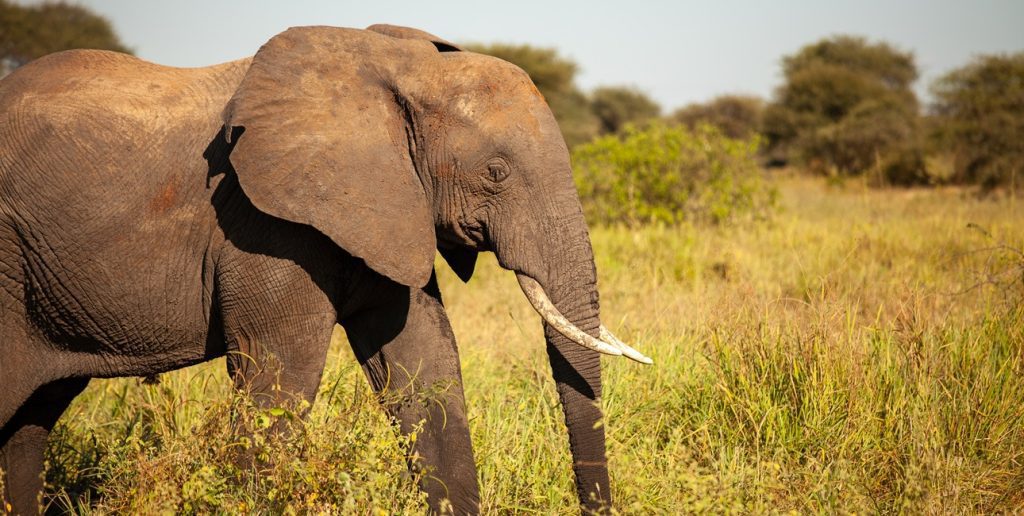
Tarangire National Park is a hidden gem on the northern safari circuit, often overshadowed by Serengeti or Ngorongoro. But it holds its own with stunning landscapes, large elephant herds, and ancient baobab trees scattered across the terrain. Covering around 2,850 square kilometers, Tarangire offers a diverse ecosystem featuring savannahs, swamps, and woodlands teeming with wildlife.
During the dry season (June to October), the Tarangire River becomes the park’s lifeline, attracting thousands of animals—including wildebeests, zebras, giraffes, and over 300 elephant herds. Lions, leopards, and even cheetahs are often spotted here. Birdwatchers will also be thrilled with over 550 recorded species, including the endemic yellow-collared lovebird.
Tarangire is a great choice for those looking to avoid the crowds while enjoying authentic safari moments. Game drives are the most popular way to explore, but you can also book guided walking safaris or cultural visits to nearby communities. It’s especially convenient to combine with Lake Manyara and Ngorongoro Crater for a diverse and cost-effective safari route.
8. Discover Flamingos and Forest Trails at Lake Manyara
Lake Manyara National Park may be small compared to the Serengeti, but it’s incredibly rich in wildlife and scenic beauty. Nestled at the base of the Great Rift Valley escarpment, it features a mix of ecosystems, from dense groundwater forests and open grasslands to the shallow alkaline lake that gives the park its name.
Lake Manyara is famous for its large flocks of flamingos, pelicans, and storks that color the lake pink, especially during the wet season. The park is also home to tree-climbing lions, one of its rarest highlights, as well as elephants, giraffes, baboons, and hippos. Over 400 species of birds make it a birding paradise.
One of the park’s unique features is the Treetop Walkway, where travelers can walk through the forest canopy and observe monkeys, butterflies, and birds up close. Whether you’re visiting for half a day or as part of a longer safari, Lake Manyara offers a diverse and refreshing contrast to the open savannahs of nearby parks.
9. Connect with Maasai Culture in Local Villages
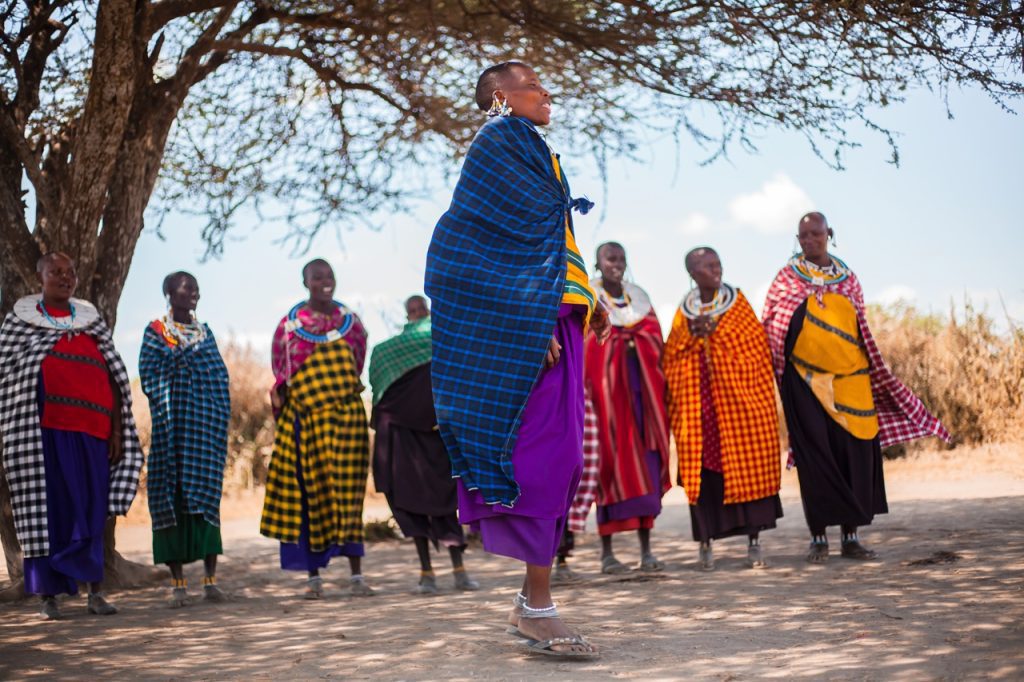
Experiencing Maasai culture is one of the most meaningful things to do in Tanzania. The Maasai are among the most recognized ethnic groups in East Africa, known for their vibrant clothing, warrior traditions, and deep connection to land and livestock. Visiting a Maasai boma (village) offers insight into traditional life, homes made from mud and sticks, dances, music, beadwork, and the social structure of the Group.
Authentic cultural tours are available near Ngorongoro Crater, Longido, and Lake Natron. In many places, you’ll have the chance to interact with elders, watch traditional fire-making or cow-milking, and support local artisans. Many of these visits are arranged through community-based tourism initiatives that ensure your contributions go directly to the villagers.
For a deeper experience, stay overnight in a Maasai-run eco-camp or take part in walking safaris guided by Maasai warriors. These tours not only enrich your understanding of Tanzanian culture but also promote sustainable tourism and preserve indigenous heritage.
10. Experience Arusha: The Gateway to Northern Tanzania
Arusha is often seen as just a starting point for safaris, but this bustling city has much more to offer. Nestled between Mount Meru and Mount Kilimanjaro, Arusha is surrounded by natural beauty and cultural richness. It’s the perfect base for acclimatizing before climbs or recovering after a long safari.
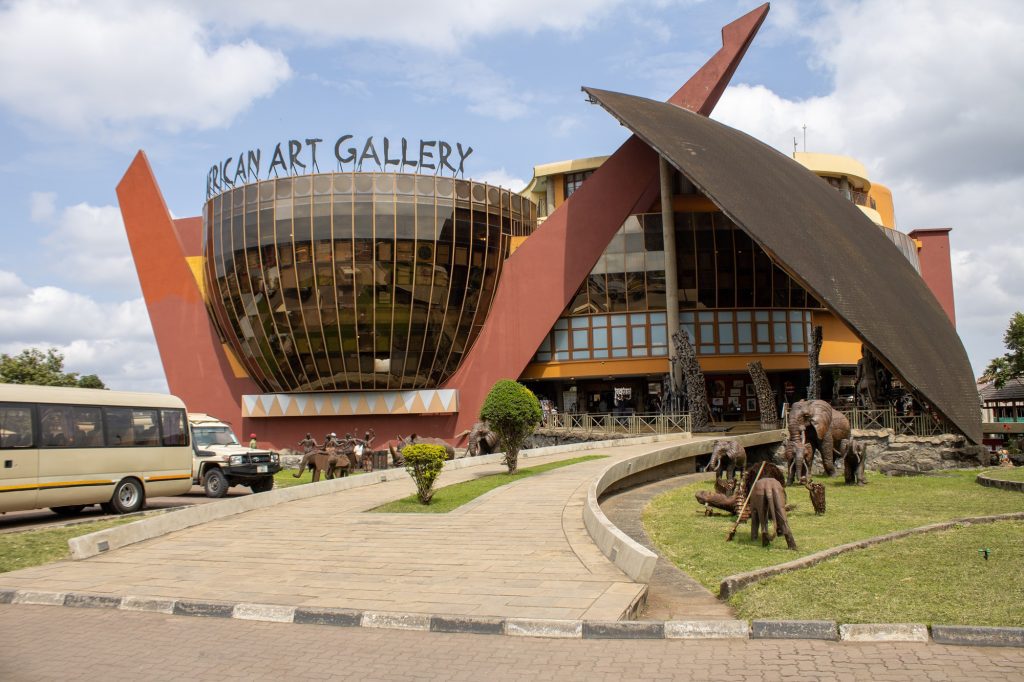
Visit the Arusha Cultural Heritage Centre to explore local art, crafts, and tribal history. The Tanzanite Experience offers an engaging look at the mining and history of this rare gemstone found only in Tanzania. For food lovers, local markets like Central Market (Soko Kuu) and Shoppers Plaza host fresh produce, spices, and handmade goods.
Read more about Arusha in this Complete Guide to Arusha
Day trips from Arusha include hiking in Arusha National Park, canoeing on Lake Duluti, or coffee tours in villages like Tengeru. Arusha also has a lively nightlife scene with rooftop bars, music venues, and Tanzanian restaurants. Whether for a quick stop or a few days, Arusha deserves a spot on your itinerary.
11. Explore the Stunning Landscapes of Lake Natron and Ol Doinyo Lengai
Lake Natron, located in northern Tanzania, is a fascinating destination known for its surreal reddish waters and massive flocks of flamingos that breed there. The lake’s alkaline waters create a dramatic landscape dotted with mineral deposits, creating a unique habitat for birds and other wildlife. Close to Lake Natron is Ol Doinyo Lengai, the “Mountain of God,” an active volcano sacred to the Maasai people.
Hiking this volcano offers an adventurous trek through lunar-like terrain and spectacular views over the Rift Valley. The climb is challenging but rewarding, especially for those interested in geology and culture. Visiting Lake Natron and Ol Doinyo Lengai provides an off-the-beaten-path experience rich in natural wonder and local traditions, perfect for travelers looking to explore Tanzania beyond the usual safari circuit.
12. Discover the Usambara Mountains’ Lush Beauty and Culture
The Usambara Mountains in northeastern Tanzania offer a refreshing alternative to the dry plains of the safari parks. Known for their lush forests, waterfalls, and cool climate, they are ideal for hiking, birdwatching, and cultural immersion. The mountains are home to many endemic bird species, making it a favorite spot for bird enthusiasts. Local villages scattered throughout the region welcome visitors with traditional crafts and farming experiences. The Usambaras’ scenic walking trails lead through terraced hillsides, spice farms, and ancient forests. This area combines natural beauty with rich cultural heritage, offering a peaceful retreat that contrasts with Tanzania’s bustling cities and popular safari destinations.
13. Experience Dodoma: Tanzania’s Capital City and Wine Region
Dodoma, Tanzania’s official capital, is often overlooked by tourists but holds its charms. The city is surrounded by vineyards, producing some of Tanzania’s best wines, and visitors can tour local wineries to taste and learn about the wine-making process. Dodoma also offers cultural experiences through local markets and historical sites, such as the National Museum. Its central location makes it a good stopover when traveling across the country. Dodoma is developing rapidly, blending traditional Tanzanian culture with modern growth, and provides a unique glimpse into everyday life beyond the tourist hotspots.
14. Venture into Ruaha National Park’s Untamed Wilderness
Ruaha National Park is Tanzania’s largest park and one of the least visited, making it ideal for travelers seeking solitude and authentic wilderness experiences. Known for its large elephant herds, diverse predators, and birdlife, Ruaha is a haven for wildlife enthusiasts. The park’s landscape features baobab-studded savannahs, rocky outcrops, and seasonal rivers that attract a variety of species. Safari in Ruaha offers a raw, off-the-beaten-path adventure with fewer vehicles and crowds compared to northern parks. It’s perfect for travelers looking for exclusive game viewing and the chance to explore Tanzania’s wild side in peace.
15. Visit Gombe Stream National Park for Chimpanzee Trekking
Made famous by Jane Goodall’s groundbreaking research, Gombe Stream National Park is one of the best places to observe chimpanzees in their natural habitat. Located along Lake Tanganyika’s shores, the park offers dense forests and rugged trails where visitors can trek to see habituated chimpanzee troops. The experience is intimate and educational, providing insight into primate behavior and conservation efforts. Besides chimps, Gombe hosts diverse wildlife, including red colobus monkeys and various bird species. This remote park is ideal for eco-tourists and wildlife lovers who want to combine adventure with conservation awareness during their Tanzania visit.
16. Wander the Vibrant Markets of Dar es Salaam
Dar es Salaam, Tanzania’s largest city and former capital, is a bustling metropolis full of energy and culture. Exploring its vibrant markets is a must-do for visitors wanting to experience local life. The Kariakoo Market is the biggest and busiest, where you can find fresh produce, spices, textiles, and handmade crafts. Walking through Kariakoo’s labyrinth of stalls offers a sensory overload of colors, smells, and sounds, giving insight into Tanzanian commerce and daily routines. For souvenirs and art, the Mwenge Woodcarvers Market features beautifully crafted wooden sculptures and carvings made by local artisans. Dar’s markets are perfect for tasting street food, meeting locals, and picking up unique gifts. Whether you’re a foodie, shopper, or culture enthusiast, Dar es Salaam’s markets provide an authentic Tanzanian urban experience.
17. Experience Cultural Richness in Bagamoyo
Bagamoyo, a historic coastal town north of Dar es Salaam, was once an important trading port and a key location in the East African slave trade. Today, it stands as a living museum with old ruins, colonial architecture, and cultural sites. Visiting Bagamoyo offers a chance to learn about Tanzania’s history through the Old Fort, Kaole Ruins, and the Bagamoyo Arts and Cultural Institute. The town also hosts vibrant festivals and traditional performances, preserving local music, dance, and arts. Bagamoyo’s beaches provide a peaceful setting for relaxation after cultural exploration. This town is a valuable stop for travelers seeking a deeper understanding of Tanzania’s complex past and rich cultural tapestry.
18. Relax and Rejuvenate in the Hot Springs of Kikuletwa
The Kikuletwa Hot Springs, also known as Chemka Springs, is a natural oasis located near Arusha. This hidden gem features crystal-clear turquoise waters surrounded by lush vegetation, offering a tranquil spot for swimming and picnicking. The springs are a refreshing escape from the heat and a popular destination for both locals and tourists. The warm water comes from underground volcanic activity, creating a unique natural spa experience. Visitors can enjoy floating in the calm waters or relaxing on the banks. Kikuletwa Hot Springs is perfect for families, couples, or solo travelers looking for a peaceful nature retreat near northern Tanzania’s safari hubs.
19. Discover Wildlife Diversity in Selous Game Reserve
The Selous Game Reserve, one of Africa’s largest protected areas, covers over 50,000 square kilometers in southern Tanzania. It offers vast wilderness areas with varied habitats, including woodlands, rivers, and lakes. Selous is home to elephants, lions, hippos, crocodiles, and hundreds of bird species. Unlike the northern parks, Selous offers a more off-the-beaten-path safari experience with boat safaris on the Rufiji River, walking safaris, and traditional game drives. Its remote location and low visitor numbers make it ideal for travelers seeking solitude and close encounters with nature. Selous is a UNESCO World Heritage Site and a must-visit for serious wildlife enthusiasts wanting to explore Tanzania beyond the popular circuit.
20. Immerse Yourself in the Vibrant Arts Scene of Tanga
Tanga, a coastal city in northeastern Tanzania, is rich in history and culture. It offers a growing arts scene with galleries, craft markets, and cultural centers showcasing local talent. Visitors can explore traditional music, dance performances, and festivals that celebrate Tanga’s diverse heritage. The nearby Amboni Caves provide a fascinating natural attraction with ancient limestone formations and archaeological significance. Tanga’s laid-back beaches and friendly communities make it a pleasant destination to relax and experience authentic Tanzanian coastal life. For travelers interested in arts, culture, and nature, Tanga offers a refreshing alternative to busier tourist hubs.
Conclusion
Tanzania offers an unparalleled diversity of experiences that appeal to every type of traveler. From the world-famous Great Migration in Serengeti and the thrilling ascent of Mount Kilimanjaro to the tranquil beaches of Zanzibar and the vibrant cultures of the Maasai people, there is truly something for everyone. Whether you seek adventure, wildlife encounters, cultural immersion, or relaxation, Tanzania’s rich landscapes and welcoming communities provide an unforgettable journey.
Beyond the iconic safari parks, exploring lesser-known destinations like Mafia Island, the Usambara Mountains, and the Selous Game Reserve will reward you with unique perspectives on Tanzania’s natural beauty and heritage. Each region tells its own story through wildlife, history, and the spirit of its people.
Planning your trip thoughtfully ensures you can experience these highlights comfortably and sustainably. Tanzania’s evolving tourism infrastructure offers options for every budget, making it accessible whether you’re a luxury traveler or a backpacker. Embrace the adventure, respect the environment and cultures, and let Tanzania’s magic create memories that last a lifetime.
Start planning your Tanzanian Safari today and explore the endless things to do that await you in this remarkable East African gem.