Ngorongoro Conservation Area: Everything You Need to Know
The Ngorongoro Conservation Area, a UNESCO World Heritage Site in northern Tanzania, offers an unparalleled blend of breathtaking landscapes, extraordinary wildlife viewing, and deep-rooted cultural heritage. Home to the world-famous Ngorongoro Crater, ancient hominid sites like Olduvai Gorge, and vibrant Maasai communities, this region is a must-visit for anyone seeking a truly enriching African safari experience. Located within the Great Rift Valley and bordering Serengeti National Park, Ngorongoro delivers a powerful combination of natural beauty and historical depth that leaves a lasting impression on every traveler.
Table of contents
What Makes the Ngorongoro Conservation Area Special?
What sets Ngorongoro apart from other destinations in Tanzania is its unique conservation model, where wildlife and people coexist in harmony. Unlike national parks where human settlement is restricted, the Ngorongoro Conservation Area allows the indigenous Maasai people to live and herd their cattle within its boundaries. This cohabitation offers visitors a rare opportunity to witness a traditional lifestyle that has persisted for centuries.
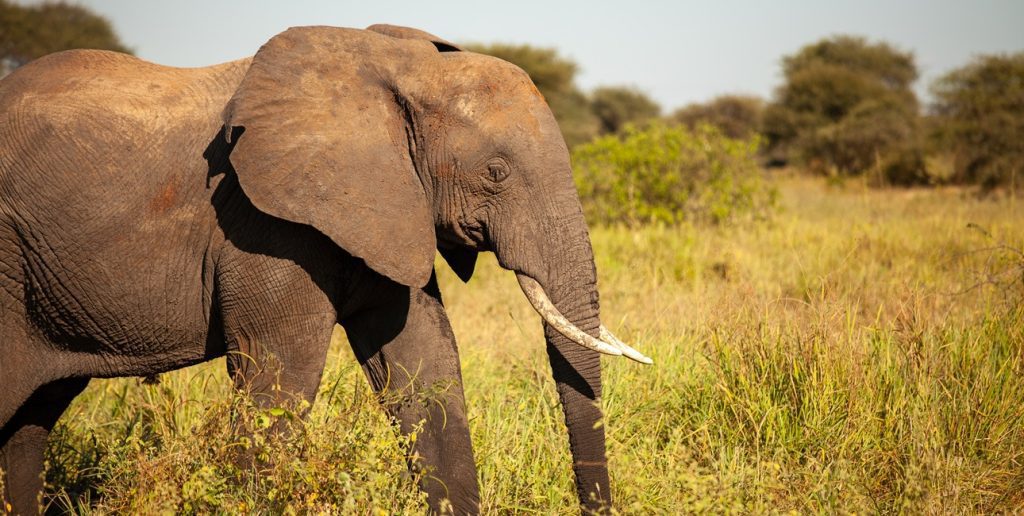
Beyond its cultural significance, Ngorongoro is a biodiversity hotspot. The 600-meter-deep Ngorongoro Crater is the world’s largest intact caldera and supports over 25,000 large animals, including a thriving population of black rhinos, lions, elephants, buffalo, and a multitude of bird species. The region also offers seasonal experiences such as the calving season of the Great Wildebeest Migration in the Ndutu plains, making it a year-round destination for both wildlife enthusiasts and cultural travelers.
Top Attractions Within Ngorongoro Conservation Area
Ngorongoro Crater
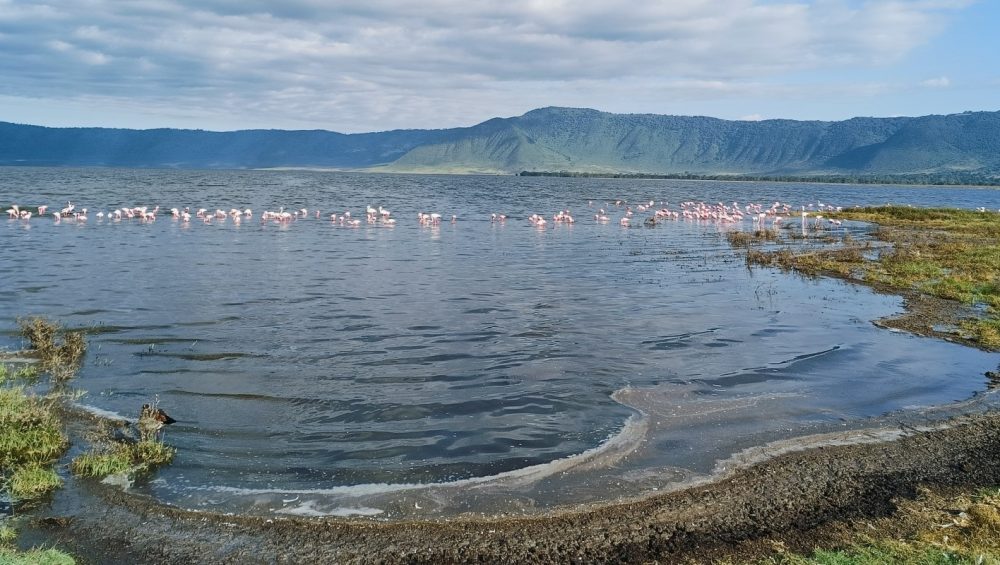
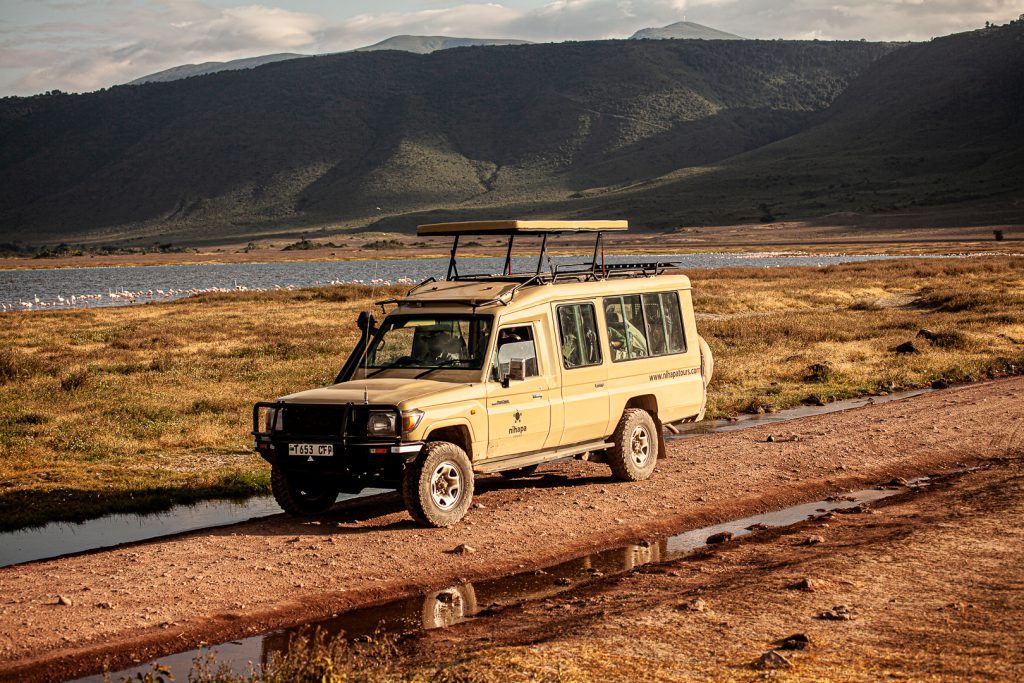
Often referred to as Africa’s Eden, the Ngorongoro Crater is the crown jewel of the conservation area. The crater floor is a haven for wildlife, thanks to its permanent water sources and lush vegetation. Game drives in the crater offer almost guaranteed sightings of the Big Five lion, elephant, buffalo, rhino, and leopard, making it a favorite among first-time safari-goers and seasoned travelers alike. Hippos wallow in freshwater pools, flamingos line the shores of Lake Magadi, and cheetahs scan the plains for prey, creating a vibrant ecosystem in a dramatic setting.
The crater is best visited early in the morning or late in the afternoon to avoid crowds and catch the wildlife at its most active. Photography here is spectacular, with misty mornings giving way to golden light illuminating the crater walls and savannah below.
Olduvai Gorge
Known as the “Cradle of Mankind,” Olduvai Gorge is one of the world’s most important paleoanthropological sites. It was here that Dr. Louis and Mary Leakey discovered early human fossils that provided critical insights into human evolution. The small but informative museum at the site offers context and exhibits that bring to life the discoveries made here. Visitors can also explore the nearby Laetoli site, where the 3.6-million-year-old footprints of early hominins were found preserved in volcanic ash.
A guided visit to Olduvai Gorge is not only educational but deeply humbling, connecting visitors with the very roots of humanity.
Ndutu Plains
Located in the southern portion of the conservation area near the Serengeti border, the Ndutu region comes alive between December and March when the Great Wildebeest Migration passes through. This is calving season, when over half a million wildebeest give birth, drawing predators like lions, hyenas, and cheetahs into action. The flat, open terrain provides excellent opportunities for witnessing dramatic predator-prey interactions and is a favorite among wildlife photographers and documentary filmmakers.
What makes Ndutu especially appealing is that off-road driving is permitted, allowing guides to get closer to wildlife and follow the action in real-time, something that is not possible in many other protected areas.
Empakaai Crater
Less known than its larger cousin, the Empakaai Crater is a hidden gem for adventurous travelers. Accessible via a scenic drive followed by a guided hike, the crater is filled with a shimmering alkaline lake that attracts thousands of flamingos. The hike down into the crater is not only rewarding for its views but also for its tranquility, offering a rare opportunity to experience nature in silence and solitude.
The crater’s rim, covered in lush forests, is home to bushbucks, blue monkeys, and a variety of birdlife, making it ideal for birdwatchers and nature lovers looking for an off-the-beaten-path experience.
Olmoti Crater
Another lesser-known highlight, Olmoti Crater is reachable via a gentle hike through grassy highlands frequented by Maasai herders. The trail leads to the Munge Waterfall, a scenic spot where you can rest and admire the views. Along the way, you’re likely to encounter Maasai communities, giving you the chance to learn about their traditions and coexistence with nature.
Because it is less visited, Olmoti offers a peaceful escape from the more popular safari routes and is perfect for travelers who appreciate walking safaris and immersive cultural experiences.
Cultural Encounters
The Maasai people are intrinsic to the Ngorongoro experience. With their iconic red shukas, beaded jewelry, and traditional homes known as bomas, the Maasai offer a window into a way of life that has remained largely unchanged for centuries. Many safari itineraries include a visit to a Maasai village, where you can learn about their customs, participate in traditional dances, and gain insight into their relationship with the land and wildlife.
Visitors are encouraged to approach these experiences with respect and curiosity, as they are not staged performances but genuine expressions of a proud and enduring culture.
Where to Stay at Ngorongoro Conservation Area
Accommodation within and near the Ngorongoro Conservation Area ranges from budget-friendly campsites to luxury lodges with crater views. Here are several excellent options across different budget levels:
For luxury seekers, the Ngorongoro Serena Safari Lodge and &Beyond Ngorongoro Crater Lodge are top-tier choices. The latter, perched right on the rim, offers opulent suites with floor-to-ceiling crater views, private butlers, and gourmet cuisine. These lodges are ideal for honeymooners or travelers looking to splurge on an unforgettable stay.
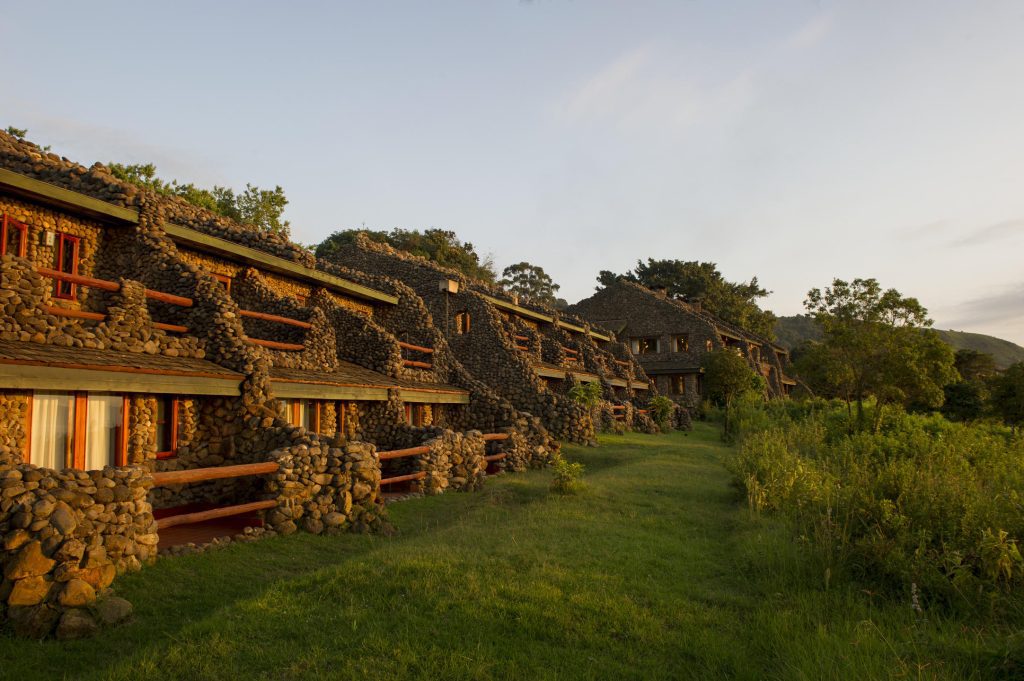
Mid-range travelers can consider Rhino Lodge, located just a short drive from the crater gate. It offers cozy rooms, excellent food, and an authentic bush atmosphere. Another great option is Ngorongoro Sopa Lodge, situated on the eastern rim with magnificent sunset views over the crater.
For budget-conscious visitors, public and special campsites are available, such as Simba A campsite, which provides basic facilities and an unbeatable location right on the rim. You’ll wake up to the sounds of nature and possibly even zebras grazing nearby.
In the Ndutu area, options include Ndutu Safari Lodge, a well-established base for photographers and researchers, and Lake Masek Tented Lodge, which combines comfort with proximity to migration activity during the green season.
For those exploring Empakaai or Olmoti, consider staying in the highland areas like Crater Forest Tented Camp or The Highlands by Asilia, a stylish retreat nestled in the Ngorongoro woodlands, offering both luxury and proximity to remote crater hiking routes.
Safari Packages and Itineraries
A variety of safari packages are available for exploring the Ngorongoro Conservation Area, either as a standalone destination or as part of a larger northern circuit itinerary.
A popular option is the 5-Day Serengeti and Ngorongoro Safari, which includes two nights in the Serengeti and one full day inside the crater. This itinerary is great for wildlife enthusiasts and first-time visitors looking to see the Big Five.
Another option is the 8-Day Great Migration Safari, which includes Lake Manyara, the Ndutu Plains during calving season, the Serengeti, and ends with a full-day crater descent. This tour is ideal between December and March when the migration is in full swing in the Ndutu area.
For hiking enthusiasts, consider the 6-Day Crater Highlands Trek, which includes guided walks to Empakaai, Olmoti, and cultural visits to local Maasai villages. These walking safaris are a great way to experience the landscape intimately and gain a deeper understanding of its human and ecological dynamics.
Visit Our Main Tanzania Safari Guide
Travel Tips and What to Pack
The Ngorongoro Conservation Area is accessible year-round, but the best wildlife viewing in the crater occurs during the dry season from June to October. For the Ndutu calving season, plan your visit between December and March. If you’re interested in hiking or cultural encounters, shoulder seasons offer fewer crowds and pleasant weather.
Pack warm clothing for early morning game drives, especially in the crater, where temperatures can be surprisingly cool due to the altitude. Layers are key, include a fleece, windbreaker, hat, and sturdy shoes for hikes. Binoculars and a good camera are essential for spotting and photographing wildlife and birds. Don’t forget sunscreen, insect repellent, and a refillable water bottle.
Make sure your travel insurance covers safari activities, and bring some cash for tipping guides and purchasing handmade crafts from local artisans.
Final Thoughts
The Ngorongoro Conservation Area offers an immersive experience that combines wildlife, history, and culture in a way few places on Earth can. Whether you’re standing on the rim of the crater at sunrise, watching a lion stalk prey on the Ndutu plains, hiking into a remote volcanic crater, or learning about Maasai traditions firsthand, every moment here is a powerful reminder of Tanzania’s natural and cultural richness.
Plan your visit wisely, stay curious, and let the Ngorongoro Conservation Area reveal its timeless beauty to you, one experience at a time
REQUEST QUOTE


REQUEST