5 Types of Tanzania Safari Accommodations: Where to Stay?
Table of contents
A Tanzania safari is a journey into the heart of the wild, where the roar of lions and the sight of migrating wildebeests create memories that last a lifetime. While the wildlife is the star, your choice of accommodation plays a pivotal role in shaping your experience. From rustic campsites to opulent lodges, Tanzania offers a range of options to suit every traveler’s preferences, budget, and sense of adventure. This guide explores the five main types of safari accommodations, helping you make an informed decision for an unforgettable adventure.
Key Considerations for Choosing Safari Accommodations
Selecting the right accommodation involves balancing several factors to align with your safari goals. Here are the key aspects to consider:
(A) Budget: Safari accommodations vary widely in cost, from as low as USD 80 per person per night for basic camping to over USD 1,500 for luxury lodges (excluding park or vehicle fees). Start by establishing a rough budget for your entire safari, considering the number of nights, travel companions, and desired experiences. Next, choose an itinerary based on your interests, travel dates, and duration. Finally, select accommodations that fit your budget while meeting your comfort expectations. A flexible budget range allows you to explore various options without compromising on key experiences.
(B) Location: The location of your accommodation can significantly impact your safari. Staying inside or near national parks, such as Serengeti or Ngorongoro, maximizes your time for game drives and wildlife viewing. Prioritizing location over accommodation type often leads to richer experiences, as you spend less time traveling and more time immersed in nature. For example, a camp inside Serengeti offers immediate access to the Great Migration, while a city hotel might add hours of transfer time.
(C) Type of Accommodation: Tanzania’s safari accommodations range from budget-friendly campsites to luxurious tented lodges. Each type offers a unique experience, catering to different preferences for comfort, adventure, and immersion in nature. Whether you seek the rustic charm of a tented camp or the amenities of a lodge, your choice should align with your itinerary, group size, and desired level of luxury.
Below, we dive into the five main types of safari accommodations in Tanzania, detailing their features, advantages, and ideal audiences to help you plan your perfect safari.
1. Safari Lodges
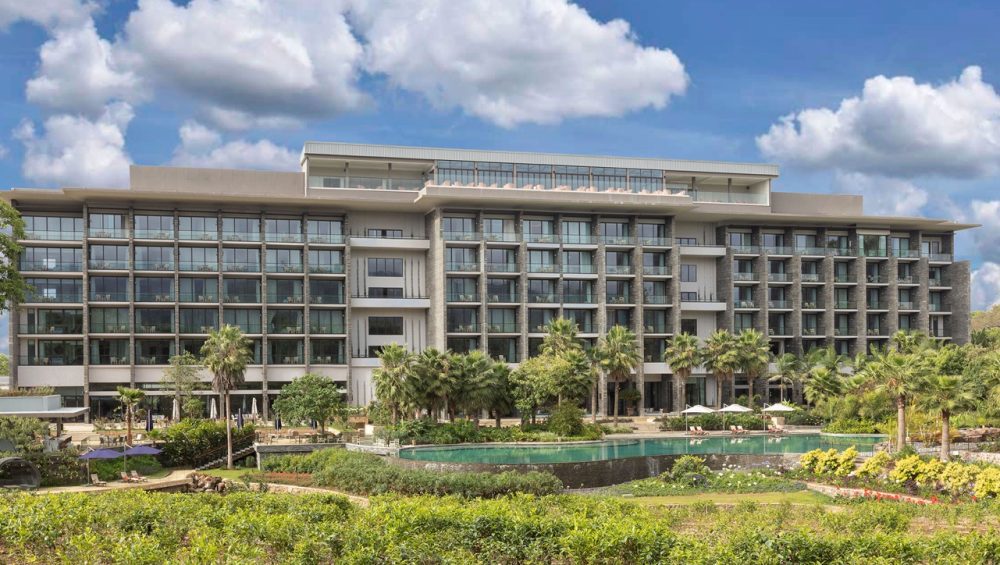
Overview: Safari lodges are permanent, solid structures built from materials like concrete, stone, or wood, designed to blend with Tanzania’s natural landscapes. Located inside or just outside national parks, they resemble resorts with multiple rooms spread across expansive grounds. A central building typically houses a reception, lounge, restaurant, bar, and sometimes a gym, spa, or gift shop. Many lodges feature swimming pools, offering a refreshing retreat after a dusty game drive. The architecture often incorporates local elements, such as thatched roofs or stone accents, creating a harmonious connection with the environment.
Amenities: Lodges provide reliable 24/7 electricity, running water, laundry services, and Wi-Fi (often limited to common areas). Additional perks may include hair dryers (available on request), secure lockers, and child-friendly activities. Luxury lodges elevate the experience with four-poster beds, spacious rooms, wraparound balconies with breathtaking views, elegant bathrooms, and occasionally private plunge pools or air conditioning. Mid-range lodges offer simpler rooms with basic amenities but maintain a high level of comfort and service.
Example: Serena Lodge Ngorongoro, known for its stunning views of the Ngorongoro Crater and comprehensive amenities.

Who It’s For: Safari lodges are ideal for travelers prioritizing comfort and convenience. Families with children, groups, or those seeking a resort-like experience will appreciate the full-service restaurants, swimming pools, and spa facilities. The availability of activities like guided walks or cultural performances makes lodges particularly appealing for those traveling with kids or seeking a structured stay.
Who It’s Not For: Lodges may not suit adventurers craving a raw, immersive connection with nature. Their formal atmosphere and larger size can feel less intimate or disconnected from the wilderness compared to tented camps. Budget-conscious travelers may find lodges too expensive, and those seeking solitude might be put off by the bustling environment, especially during peak seasons.
2. Tented Lodges
Overview: Tented lodges offer a perfect blend of luxury and nature, combining the comforts of a lodge with the immersive feel of a tented camp. These permanent structures feature wooden or concrete floors raised on stilts, thatched roofs, and canvas walls with large netted windows for ventilation and panoramic views. Typically housing 15–25 tents, tented lodges have a central area with a dining room, lounge, terrace, and often a swimming pool. Their design emphasizes a closer connection to the wilderness while maintaining high-end amenities.
Amenities: Luxury tented lodges provide bathtubs (indoor or outdoor), plunge pools, air conditioning, expansive viewing decks, and sometimes glass-paneled walls for unobstructed views. Mid-range options offer comfortable beds, ensuite bathrooms, and solid amenities without the extravagance. Extensive menus cater to diverse palates, and many tented lodges accommodate families or groups with varying room sizes. The canvas walls allow guests to hear the sounds of the savannah, enhancing the safari experience.
Example: Kubukubu Tented Lodge, celebrated for its elegant tents and sweeping savannah vistas.

Who It’s For: Tented lodges are perfect for travelers seeking a balance of luxury and immersion. They’re ideal for those who want to hear wildlife calls at night, enjoy vast savannah views, and experience a unique accommodation style distinct from urban hotels. Couples, small groups, or solo travelers looking for a blend of adventure and comfort will find tented lodges appealing.
Who It’s Not For: Guests with limited mobility may struggle, as tented lodges often require walking or climbing stairs to reach tents or common areas. The canvas walls aren’t soundproof, so light sleepers might be disturbed by wildlife sounds, such as lions or hyenas. Families with young children should exercise caution due to the proximity to wildlife and lack of extensive child-focused amenities.
3. Tented Camps
Overview: Tented camps are the quintessential safari accommodation, offering an authentic and immersive experience. These large, walk-in canvas tents, often the size of a hotel room or larger, come with private ensuite bathrooms featuring bucket or running showers, long-drop or flush toilets, and solid beds with thick mattresses. Many include outdoor seating areas for relaxing amidst nature. Permanent camps, like those in Central Serengeti or Tarangire, stay in one location, while mobile camps relocate seasonally (e.g., southern Serengeti/Ndutu from December to March, northern Serengeti from June to October) to follow wildlife migrations.
Amenities: Powered by solar energy with diesel generator backups, tented camps typically limit electricity from 10:00 PM to 5:00 AM. Charging is often restricted to common areas or safari vehicles, and Wi-Fi is rare, emphasizing disconnection from modern distractions. Meals are served in a restaurant tent by trained chefs, with a variety of drinks available for purchase. Evening bonfires create a cozy atmosphere for socializing. With only 8–12 tents, these camps offer intimacy and seclusion. As unfenced accommodations, guards escort guests to their tents after dark for safety.
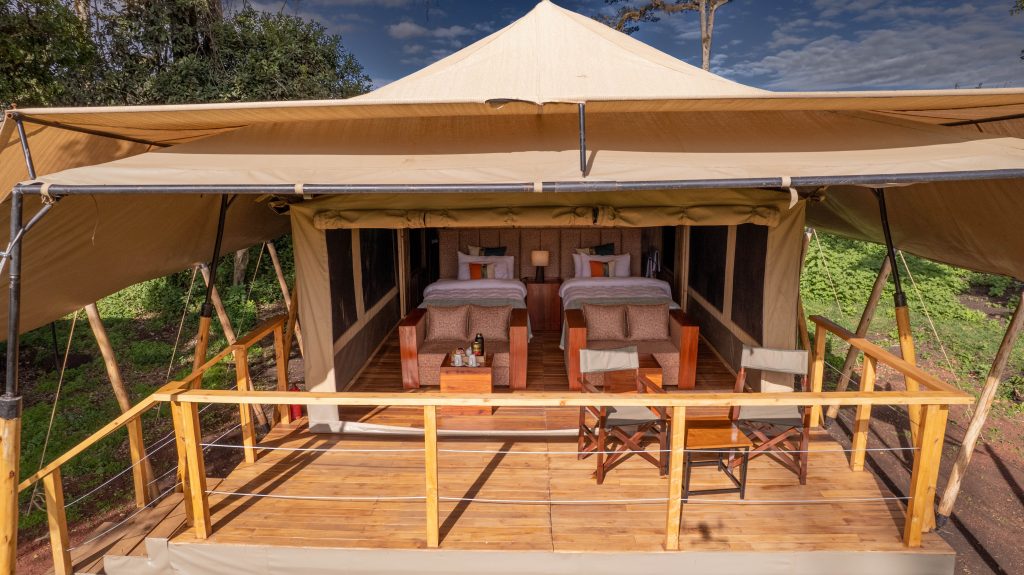
Who It’s For: Tented camps are ideal for adventurers seeking a close-to-nature experience. Perfect for those who relish falling asleep to wildlife sounds and waking to animals grazing nearby, they suit travelers who value rustic charm and small-scale accommodations. Couples or small groups looking for tranquility and authenticity will thrive here.
Who It’s Not For: Those who prioritize modern amenities like constant electricity or Wi-Fi may find tented camps too basic. The rustic setting and uneven terrain can be challenging for families with young children or those with mobility issues. Light sleepers may be unsettled by wildlife noises through the canvas walls.
4. Budget (Basic) Camping
Overview: Budget camping is the most adventurous and affordable way to experience a Tanzania safari. Guests sleep in simple tents pitched at campsites, using sleeping bags on foam mattresses laid on the ground. Shared toilet and shower facilities are basic, often lacking hot water or consistent cleanliness. Camping gear, including tents, sleeping bags, mattresses, pillows, chairs, and tables, is provided, along with a cook who prepares meals while you’re on game drives. Campsites are typically inside parks, though some, like those near Lake Manyara, are located outside.
Amenities: Meals are straightforward due to limited supplies sourced from towns like Arusha. Snacks or alcohol must be purchased en route. Charging is done in safari vehicles, as campsites rarely offer power outlets. Shared washrooms serve all campers, which can impact cleanliness and comfort. The focus is on affordability and adventure, with minimal frills.
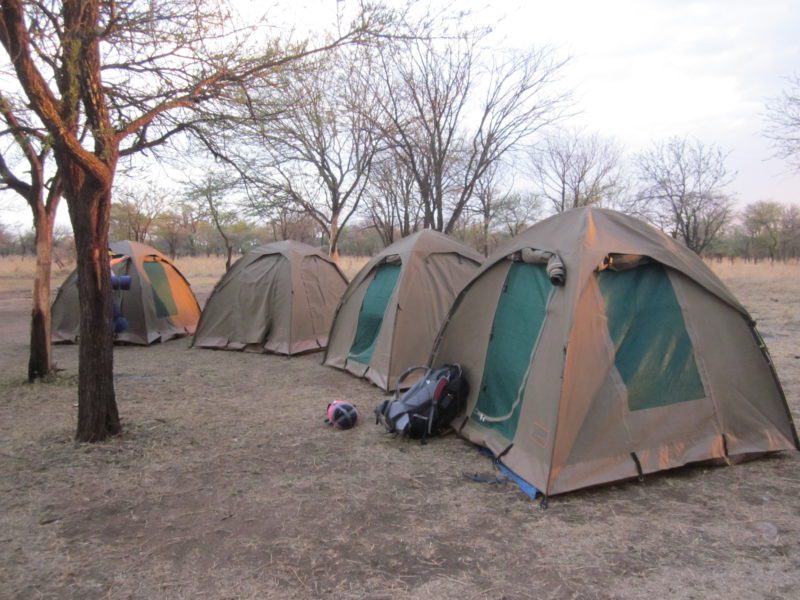
Who It’s For: Budget camping suits physically fit travelers with camping experience who are willing to trade comfort for affordability and immersion. It’s ideal for budget-conscious adventurers, solo travelers, or small groups eager to experience Tanzania’s wild beauty without breaking the bank.
Who It’s Not For: Not recommended for those prioritizing comfort, families with young children, or travelers with mobility issues or medical conditions. Campsites can become crowded and noisy during the dry season (June to October), which may deter those seeking peace.
5. City Hotels/Lodges
Overview: City-based hotels and lodges in towns like Arusha or Karatu provide a more urban alternative to park-based accommodations. Often used for nights before or after safaris or between park visits, they range from budget-friendly guesthouses to high-end lodges set amidst plantations or forests. While they lack the wilderness immersion of park accommodations, they offer convenience and modern amenities.
Amenities: Budget city hotels provide basic rooms, while upscale options feature Wi-Fi, air conditioning, restaurants, and scenic views of farmlands or forests. They’re often more affordable than basic camping and can save transfer time depending on your itinerary (e.g., Karatu hotels between Tarangire and Ngorongoro/Serengeti).
Examples: Omega View, Marera Mountain View Lodge
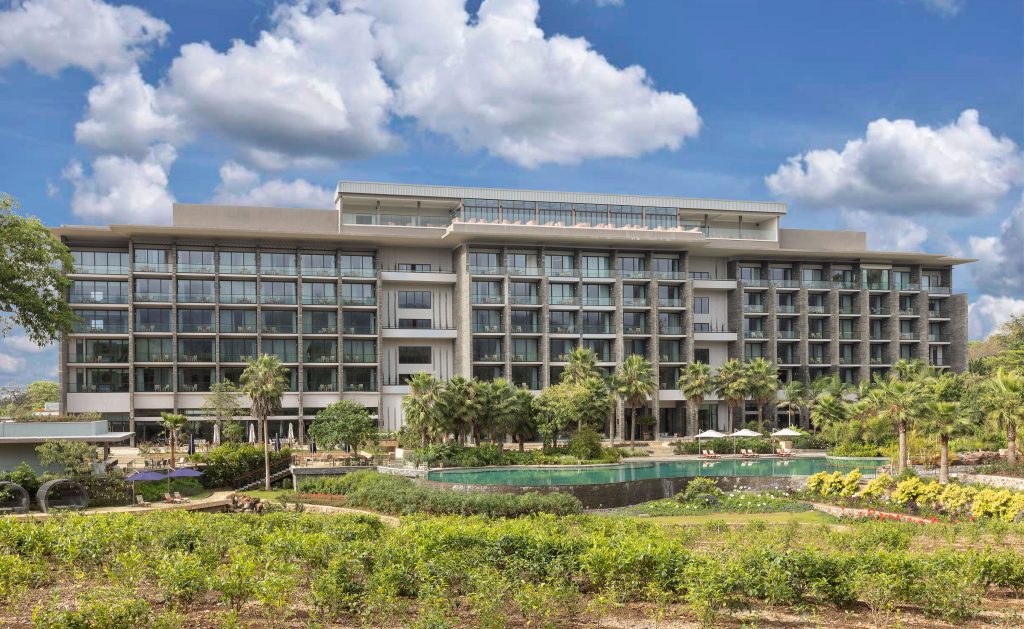
Who It’s For: Ideal for budget travelers, those needing convenient stops (e.g., Karatu for multi-park itineraries), or visitors to Arusha National Park. Families and groups benefit from larger accommodations and modern facilities, making city hotels a practical choice for specific itinerary needs.
Who It’s Not For: Not suited for those seeking an authentic safari experience, as these properties are removed from the wilderness. Adventurers craving nature’s sights and sounds may find city hotels too formal or disconnected.
Final Tips
Choosing the right accommodation is about aligning your priorities with your safari itinerary. Start by selecting parks and activities, then choose accommodations based on location to minimize travel time and maximize wildlife encounters. Whether you opt for the luxury of a lodge, the intimacy of a tented camp, or the affordability of budget camping, Tanzania’s diverse options cater to every traveler. Consult your travel consultant for personalized recommendations, and prepare for an extraordinary journey into Tanzania’s wild heart!