Best Months to Join a Group Safari in Serengeti
Choosing the right month to join a group safari in Serengeti is one of the most important decisions a traveler can make when planning a safari in Tanzania. While Serengeti National Park offers incredible wildlife viewing throughout the year, joining a group safari introduces additional considerations such as fixed departure dates, shared logistics, road conditions, and accommodation availability. Understanding how seasons affect group safaris helps travelers select the best time for both wildlife experiences and smooth travel.
Unlike private safaris, where itineraries can be adjusted freely, group safaris follow scheduled routes and shared planning. This makes seasonality even more important. Some months offer ideal conditions for joining safaris, while others may be better suited for experienced travelers who value flexibility and lower costs. By understanding Serengeti’s seasonal patterns, travelers can choose the best months to join a group safari with confidence.
Table of contents
- Best Months to Join a Group Safari in Serengeti
- Understanding Serengeti Seasons and Group Safari Travel
- January to March: Prime Months for Joining Safaris
- April and May: Low Season for Group Safaris
- June to October: Best Overall Period for Group Safaris
- November and December: A Balanced Shoulder Season
- Best Months vs Best Experience: What Matters Most
- Why Timing Matters More for Group Safaris
- Final Thoughts: Best Months to Join a Group Safari in Serengeti
Understanding Serengeti Seasons and Group Safari Travel
Serengeti National Park experiences two main seasons: the dry season and the wet season. These seasons influence wildlife movement, road conditions, accommodation accessibility, and the overall ease of operating group safaris. While wildlife can be seen year-round, the quality of a joining safari often depends on how predictable conditions are for group travel.
Group safaris benefit from stable weather, good road conditions, and reliable wildlife concentrations. These factors help operators run fixed departures smoothly and ensure guests enjoy a well-organized experience. For this reason, certain months stand out as particularly suitable for joining safaris in Serengeti.
January to March: Prime Months for Joining Safaris
January to March is one of the best periods to join a group safari in the Serengeti. During this time, the Great Migration is usually found in the southern Serengeti and Ndutu area, where wildebeest gather for the calving season. This attracts large numbers of predators and creates exceptional wildlife viewing opportunities.
For group safaris, these months work very well. Roads are generally accessible, weather conditions are manageable, and wildlife sightings are consistent. Fixed departures operate smoothly, and accommodations in the southern Serengeti are well-suited for group stays. Travelers joining a safari during this period enjoy both excellent game viewing and reliable logistics.
This period is especially popular with solo travelers and couples who want to join a group safari at an affordable cost while still experiencing peak wildlife activity. The combination of wildlife abundance and operational reliability makes January to March a top choice.
April and May: Low Season for Group Safaris
April and May fall within the long rainy season in Serengeti and are considered low season for safari travel. Heavy rains can affect road conditions, particularly in remote areas, making group travel more challenging. As a result, fewer joining safaris operate during these months, and fixed departures may be limited.
However, wildlife remains present, and the park is lush and green during this time. For travelers who are flexible, budget-conscious, and comfortable with occasional rain, joining a safari in April or May can still be rewarding. Group sizes are often smaller, and accommodations may offer lower rates.
These months are best suited for experienced travelers who understand the trade-offs and value quieter parks and lower costs over predictable conditions.
June to October: Best Overall Period for Group Safaris
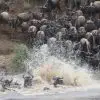
June to October is widely considered the best overall time to join a group safari in the Serengeti. This period corresponds with the dry season, when wildlife concentrates around water sources and road conditions are at their best. The Great Migration moves through central and northern Serengeti during these months, offering dramatic river crossings and large herd movements.
From a group safari perspective, this is the easiest and most reliable period. Fixed departures are frequent, accommodations operate at full capacity, and travel conditions support smooth group logistics. Wildlife sightings are consistent, and first-time safari travelers often feel most comfortable joining a group during this season.
Because demand is high, it is important to book joining safaris well in advance for this period. Travelers benefit from clear schedules, predictable conditions, and strong wildlife experiences, making June to October ideal for joining a safari in the Serengeti.
If you’re unsure whether a group safari fits your travel style, learn why joining a group safari in Tanzania is worth it for many travelers.
November and December: A Balanced Shoulder Season
November and December are considered shoulder season months in Serengeti. Short rains may occur, but they are usually brief and do not significantly disrupt safari operations. Wildlife remains abundant, and landscapes become greener and more scenic.
Joining safaris during this period offers a good balance between crowd levels, pricing, and wildlife viewing. Fixed departures still operate, and road conditions are generally manageable. These months are ideal for travelers who want to avoid peak-season crowds while still enjoying an organized group safari.
For many travelers, November and December represent a practical middle ground between peak and low seasons.
Best Months vs Best Experience: What Matters Most
While certain months are objectively better for joining group safaris, the best choice ultimately depends on individual preferences. Travelers who prioritize wildlife density and predictable conditions often prefer January to March or June to October. Those seeking affordability and fewer crowds may consider April, May, or November.
Group safaris thrive on balance. The best months are those that allow fixed departures to operate smoothly while still delivering rewarding wildlife experiences. Choosing a licensed local operator ensures that safari planning aligns with seasonal realities.
Why Timing Matters More for Group Safaris
Unlike private safaris, group safaris rely on shared schedules and coordinated logistics. Weather disruptions, poor road conditions, or inaccessible camps can affect the entire group. This makes seasonal planning essential.
By choosing the right months, travelers reduce the risk of delays, itinerary changes, or logistical challenges. Well-timed group safaris feel seamless, relaxed, and enjoyable, which is why understanding seasonality is key.
Final Thoughts: Best Months to Join a Group Safari in Serengeti
The best months to join a group safari in Serengeti are January to March and June to October, with November and December offering a strong alternative for travelers seeking fewer crowds. These periods provide the most reliable conditions for fixed departures, shared accommodations, and smooth safari operations.
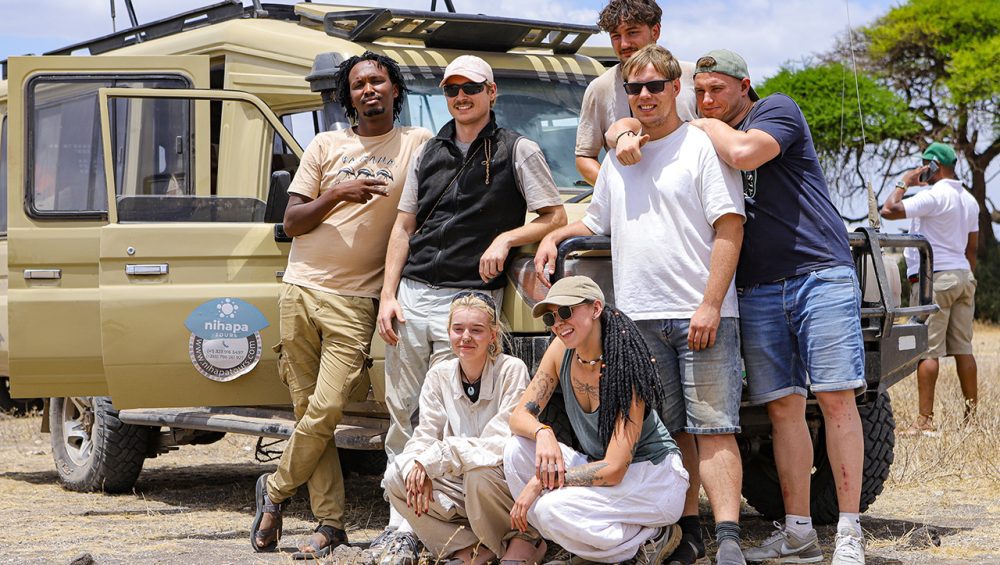
Joining a group safari during the right season allows travelers to experience the Serengeti’s wildlife in an organized, affordable, and professionally managed way. When planned carefully and operated by a licensed local company like Nihapa Tours, a joining safari in Serengeti can be one of the most rewarding ways to explore Tanzania’s iconic landscapes and wildlife.