
Best Season for Serengeti Safari: A Complete Guide
Best Season for Serengeti Safari
The best season for a Serengeti safari depends on your safari goals, but the dry season from June to October is generally considered prime for wildlife viewing and the Great Migration’s dramatic river crossings. For the calving season, January and February in the southern Serengeti offer unforgettable scenes of newborn wildebeest and predator action. If you prefer fewer crowds and lower prices, the wet season between November and May, particularly March to May, provides lush scenery, dramatic skies, and exceptional birding.
The Serengeti is a timeless wilderness where rolling savannahs stretch endlessly and wildlife thrives in abundance. Each year, millions of wildebeest and zebras move across its plains in the world’s greatest migration. Rainfall shapes the landscapes, drives the movement of animals, and determines the highlights of each season. Some months bring predator drama, while others reward with solitude and vibrant scenery. Whether you dream of witnessing river crossings, calving herds, or quiet moments on green plains, the Serengeti offers a unique experience in every season.
Book This Safari:- 5 Day Serengeti Great Migration Safari
December to March – Calving Season in Ndutu
The best time to see the wildebeest calving season in the Serengeti is between December and March, when herds gather in the southern Serengeti and Ndutu plains. Nearly half a million wildebeest give birth during these months, creating an unmatched wildlife spectacle.
From December to March, the southern Serengeti becomes a vast nursery filled with newborn calves. Predators thrive, and encounters with lions, cheetahs, and hyenas are common. The weather is warm with light rains that keep the plains green, but the open grasslands make it easy to spot wildlife. Photographers love this season for its dramatic predator-prey scenes and lush backdrops. Calving season is the ideal choice if you want to witness the raw drama of life and survival on the plains.
April to May – The Green Season
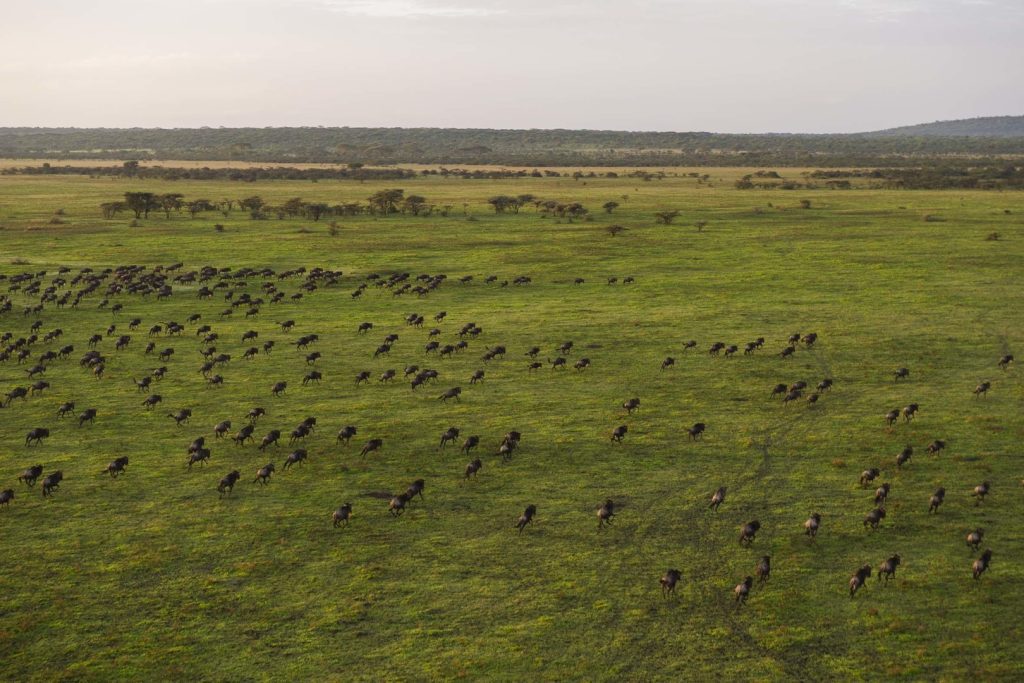
The Serengeti’s best season for lush landscapes and fewer crowds is April to May, during the long rains. While some travelers avoid this period, it offers solitude, lower safari costs, and spectacular photography conditions.
The park transforms into a green paradise as rivers fill and grasses grow tall. Birdwatchers enjoy the arrival of migratory species, and wildlife remains abundant across the plains. Though rain showers are frequent, they rarely stop game drives, and dramatic skies add depth to photography. Camps and lodges also lower their rates, making it a budget-friendly time to experience the Serengeti.
For travelers who value peace, rich scenery, and slower travel, the Green Season is deeply rewarding. It may lack the drama of river crossings, but it offers a sense of intimacy with the Serengeti that few other times provide.
June to July – Grumeti Crossings
The best time to witness the first river crossings of the Great Migration is June to July, when wildebeest herds attempt to cross the Grumeti River in the western Serengeti. Massive crocodiles lie in wait, and the drama of predator and prey unfolds before your eyes.
As the dry season begins, the weather is cool, sunny, and perfect for game drives. The herds gather along the riverbanks, and predators follow closely, ensuring thrilling encounters. The shorter grass and clear skies make wildlife easier to spot, and safari conditions are ideal.
For travelers who want a front-row seat to the beginning of the migration’s river drama, June and July provide an excellent balance of spectacle and manageable crowds. It is a season of crisp mornings, golden afternoons, and powerful wildlife experiences.
August to October – Mara River Crossings
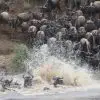
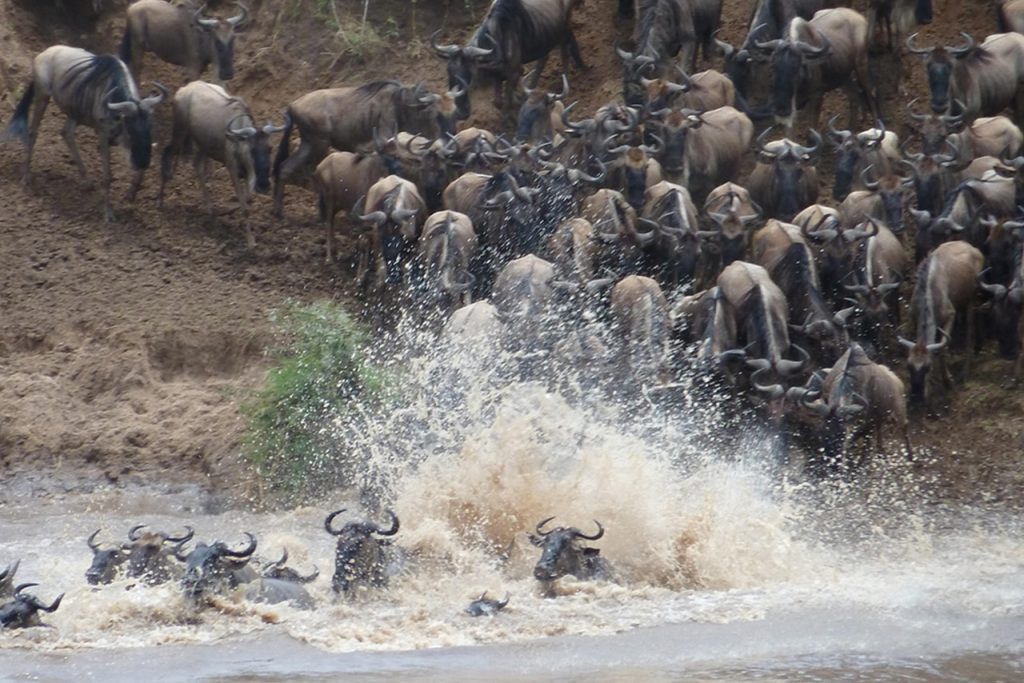
The best time to see the dramatic Mara River crossings in the Serengeti is from August to October, when wildebeest risk everything to cross crocodile-infested waters in the northern Serengeti. This is the most famous and intense chapter of the migration.
During these months, thousands of wildebeest and zebras gather at the riverbanks, hesitating before surging forward in a chaotic display of survival. Dust fills the air, predators follow closely, and the energy is electric. The weather remains dry and comfortable, with excellent visibility across the plains.
Travelers who visit during this season enjoy one of the greatest wildlife spectacles in the world. Compared to Kenya’s Masai Mara, the northern Serengeti feels less crowded, offering a more exclusive safari. If your dream is to witness the most iconic moments of the Great Migration, this is the best time to visit.
November – The Short Rains
The best time to enjoy the Serengeti with fewer tourists, greener scenery, and active wildlife is November, during the short rains. The herds begin their journey back south, creating movement across the park without the intense crowds of peak migration months.
Rain showers refresh the land, transforming the scenery into vivid greens. Safari conditions remain good, and game drives continue as normal. Photographers will love the dramatic skies and rich colors, while wildlife enthusiasts will appreciate the abundance of animals on the move.
November is often overlooked, but it is a rewarding time for those who seek value, tranquility, and excellent wildlife viewing without the hustle of peak seasons. It offers a perfect balance of action and serenity, making it an underrated gem in the Serengeti safari calendar.
How to Get to Serengeti from Zanzibar
The fastest and most convenient way to reach the Serengeti from Zanzibar is by flight, with direct flights to the park’s airstrips being the most popular choice. Travelers can also connect via Arusha by flight or road, while ferry and bus options are possible but not recommended.
Direct Flights from Zanzibar to Serengeti
The easiest option is to fly directly from Zanzibar to the Serengeti. Local airlines such as Coastal Aviation, Auric Air, and Assalam Air operate daily flights to key airstrips including Seronera, Kogatende, and Grumeti. This route allows you to leave the beaches of Zanzibar in the morning and be on safari by midday.
Connecting Flights via Arusha
If direct flights are unavailable or you prefer to break the journey, you can fly from Zanzibar to Arusha Airport. From there, take a short domestic flight to one of the Serengeti’s airstrips. This adds some travel time but remains a smooth option.
Fly to Arusha and Drive
Another choice is to fly from Zanzibar to Arusha, then continue by road through the Ngorongoro Conservation Area. The drive takes around seven hours and offers scenic views, glimpses of local life, and wildlife encounters before reaching Serengeti. This option is perfect if you want to combine Tarangire, Lake Manyara, or Ngorongoro with your safari.
Ferry and Road via Dar es Salaam
It is technically possible to take a ferry from Zanzibar to Dar es Salaam and then travel overland to Serengeti via Arusha. However, this journey is long, complicated, and best suited for adventurous travelers with plenty of time. For most visitors, flying remains the most practical way.
Conclusion – Choosing Your Best Time
There is no single best month to visit the Serengeti. Each season offers unique highlights that can shape your safari in different ways. For predator drama, December to March is unmatched. lush scenery and solitude, April to May is perfect. The Great Migration’s River crossings, from June to October, are prime. For peace and value, November is ideal.
At Nihapa Tours, we match your safari goals with the best season. Whether it is Ndutu for calving, Grumeti for river crossings, or the Mara for unforgettable migration scenes, we ensure you are in the right place at the right time. With expert guides and personalized planning, every safari becomes a journey of a lifetime.