Serengeti Wildebeest Migration: Everything You Need to Know
The Serengeti Wildebeest Migration is one of the most extraordinary natural events on Earth, unfolding across the vast plains of Serengeti National Park. Often described as the greatest wildlife spectacle in the world, this annual movement involves over 1.5 million wildebeest, accompanied by hundreds of thousands of zebras and gazelles, all driven by the search for fresh grazing and water. This continuous journey extends beyond Tanzania into the Maasai Mara National Reserve, forming a natural cycle that has remained unchanged for generations.
What makes the Wildebeest Migration truly remarkable is not just its size, but its raw and unpredictable nature. There is no fixed schedule, no guaranteed moment, only instinct guiding millions of animals across open landscapes. As the herds move, they create one of the most powerful wildlife experiences a traveler can witness, making a Serengeti safari far more than just a holiday.
An overview of the Serengeti Wildebeest Migration reveals a complete ecosystem in motion. At certain times of the year, the southern plains become a nursery where thousands of calves are born within weeks. In other seasons, the migration reaches dramatic peaks during river crossings, where wildebeest face strong currents and predators waiting beneath the surface. Throughout the journey, lions, cheetahs, and hyenas closely follow the herds, turning every stage into a living story of survival.
This is exactly why many consider it a once-in-a-lifetime experience and a key reason to visit the Serengeti National Park. The migration offers something deeper than sightseeing; it allows you to witness nature as it has always been, untouched and unscripted. The sound of hooves, the tension of the hunt, and the endless horizon filled with wildlife create a connection that cannot be replicated anywhere else.
The purpose of this guide is to provide a complete and practical understanding of the Serengeti Wildebeest Migration. From learning the best time to visit to planning the right safari, this guide is designed to help you experience the migration in a way that is both meaningful and unforgettable.
What is the Serengeti Wildebeest Migration?
The Wildebeest Migration is a continuous, year-round movement of millions of animals across the vast ecosystem of Serengeti National Park and into the Maasai Mara National Reserve. Commonly referred to as the Serengeti Migration, this natural phenomenon involves more than 1.5 million wildebeest, alongside large numbers of zebras and gazelles, traveling in a circular route that has remained unchanged for generations. It is widely regarded as the largest land-based animal migration in the world and one of the most powerful displays of wildlife behavior.
Understanding the Serengeti Wildebeest Migration begins with recognizing that it is not a single event, but a complex and dynamic system driven by environmental factors. The primary forces behind this movement are the search for fresh grass, access to water, and the instinct to reproduce. Rainfall patterns play the most important role, as they determine where new grazing areas emerge. The herds instinctively follow these rains, moving from one region to another in a constant cycle of survival.
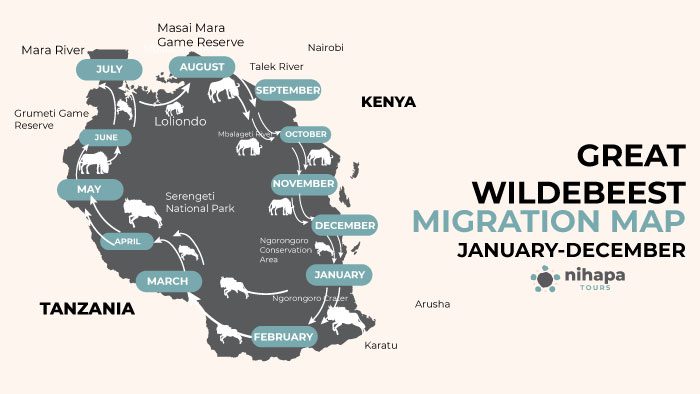
At the start of the year, the southern plains of the Serengeti become the focal point of the migration. This is where the calving season takes place, typically between January and March. During this period, hundreds of thousands of wildebeest calves are born within a short time, taking advantage of the nutrient-rich grass that supports rapid growth. This stage of the Serengeti Migration is not only significant for the survival of the species but also attracts a high concentration of predators, creating intense wildlife interactions.
As the landscape dries out, the herds gradually move north and west, passing through the central areas of the Serengeti. This phase of the journey is marked by long columns of animals stretching across the plains, creating one of the most iconic images of a Serengeti safari. The movement is steady and purposeful, as the animals respond to changing conditions in search of better grazing opportunities.
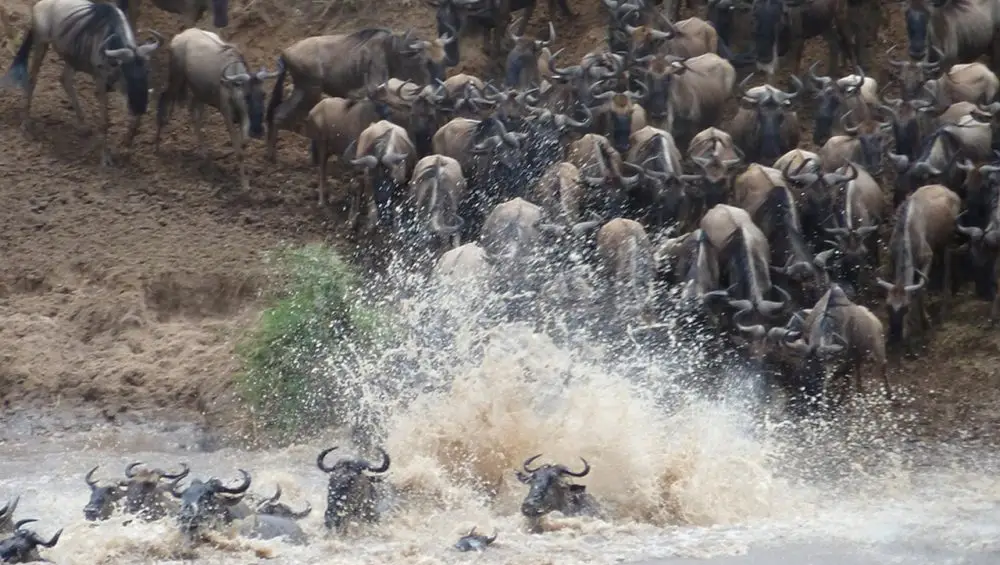
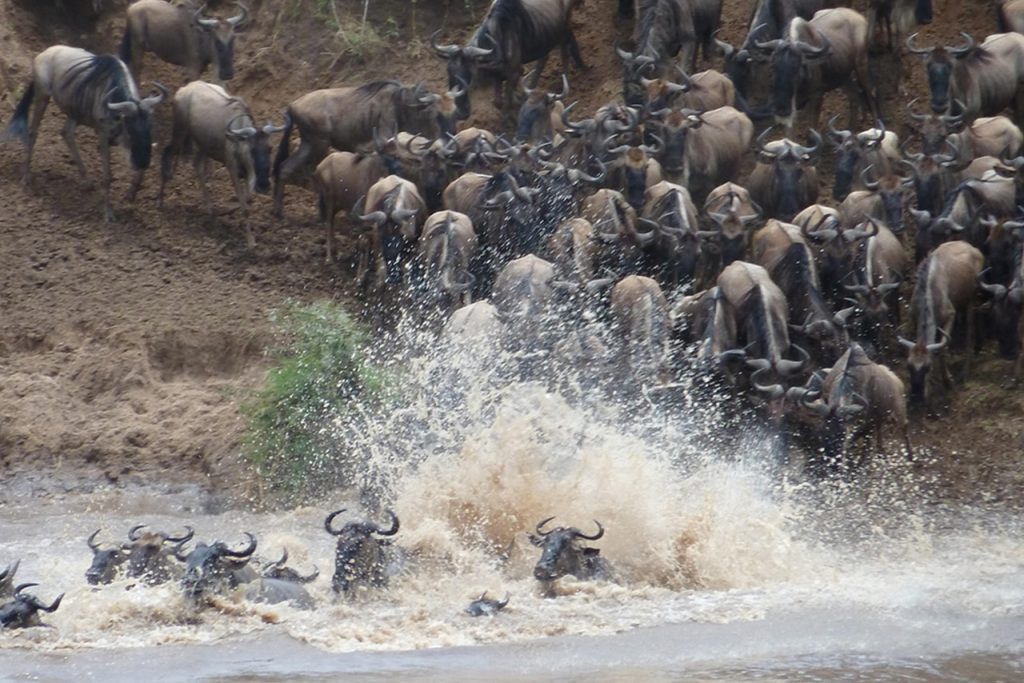
One of the most dramatic milestones in the Wildebeest Migration occurs when the herds reach river systems such as the Mara River. Here, thousands of wildebeest gather at the riverbanks before making the dangerous decision to cross. These crossings are unpredictable and often chaotic, with strong currents and predators like crocodiles waiting beneath the surface. This moment represents both the danger and determination that define the Serengeti Migration.
After reaching the northern regions and sometimes crossing into the Maasai Mara, the herds eventually begin their journey back south as the rains return. This completes the migration cycle, ensuring that the animals continue to follow the same ancient paths year after year. The entire process is continuous, meaning that at any given time, different parts of the migration are unfolding across the ecosystem.
To fully understand how the Serengeti Wildebeest Migration works is to see it as a natural rhythm rather than a fixed schedule. There are no guarantees or exact timings, only patterns shaped by nature. This is what makes the migration so unique and compelling. Each year is slightly different, yet the overall cycle remains one of the most reliable and awe-inspiring wildlife phenomena on the planet.
Best Time to Visit the Serengeti for the Wildebeest Migration
The best time to visit Serengeti for the Wildebeest Migration depends entirely on what you want to experience, because the migration is not a single event but a continuous, year-round journey across Serengeti National Park. Understanding the timing of each phase is essential when planning a Serengeti safari, especially if your goal is to witness specific highlights such as calving season or the dramatic river crossings.
From January to March, the southern plains of the Serengeti, particularly the Ndutu area, become the center of activity. This is the calving season, when hundreds of thousands of wildebeest give birth within a short period. The landscape is green and rich due to the short rains, providing ideal conditions for newborn calves. For many travelers, this is one of the most rewarding times to visit, as predator activity is at its peak. Lions, cheetahs, and hyenas are highly active, taking advantage of the abundance of vulnerable young animals. For those asking when is the best time to see the Serengeti Wildebeest Migration in terms of wildlife interaction, this period offers unmatched intensity.
As the rains begin to fade around April and May, the herds start moving northwest toward the central and western Serengeti. This marks a transition phase where the migration forms long, dramatic lines of animals crossing the plains. Although this period is less crowded with tourists, it offers a more peaceful and intimate safari experience. The landscapes remain lush, and sightings are still excellent, making it a strong option for travelers who prefer fewer vehicles and a more relaxed pace.
By June, the dry season begins to take hold, and the herds continue their journey toward the western corridor and eventually the northern Serengeti. This is when the migration becomes more concentrated, and the chances of witnessing movement increase significantly. The dry conditions make wildlife easier to spot, as animals gather around remaining water sources. This period is often considered part of the ideal wildebeest migration safari time, especially for those who want a balance between action and accessibility.
The most sought-after period occurs between July and October, when the herds reach the northern Serengeti and face the challenge of crossing the Mara River. These river crossings are the most dramatic moments of the migration, where thousands of wildebeest plunge into crocodile-filled waters in a desperate attempt to reach greener pastures. For travelers interested in Serengeti migration timing for river crossings, this is the peak season. However, it is important to understand that crossings are unpredictable. They depend on weather conditions, herd behavior, and water levels, meaning patience is essential.
From November to December, the short rains return, and the herds begin their journey back south toward the Serengeti plains. This period is often overlooked, but it offers beautiful green scenery, fewer crowds, and excellent photographic opportunities. The migration is still active, and the atmosphere feels fresh and renewed after the dry season.
When considering the best time to visit Serengeti, it is also important to understand the difference between the dry and wet seasons. The dry season, which runs roughly from June to October, is generally easier for wildlife viewing because vegetation is thinner and animals are more concentrated. On the other hand, the wet season, from November to May, offers lush landscapes, fewer tourists, and unique experiences such as the calving season.
Timing your Serengeti safari for the wildebeest migration ultimately depends on your priorities. If you are looking for dramatic action and iconic moments, the river crossing season is ideal. If you prefer a quieter experience with rich landscapes and high predator activity, the calving season may be the better choice. Each period has its own advantages and challenges, but all offer a chance to witness the migration in its natural rhythm.
The key to a successful safari is not just choosing a month, but understanding how the migration moves and planning your trip accordingly. With the right timing and guidance, every season in the Serengeti offers a unique and unforgettable experience.
Where to See the Wildebeest Migration in the Serengeti
Where to see the Serengeti Wildebeest Migration depends on understanding how the herds move across the vast ecosystem of Serengeti National Park throughout the year. The migration does not stay in one place, which means there is no single “best location” at all times. Instead, the Serengeti is divided into key regions, southern, central, western, and northern, each offering a different experience depending on the season.
The southern Serengeti, including the Ndutu area, is one of the best places to see the wildebeest migration in the Serengeti during the early part of the year. From January to March, this region becomes the heart of the calving season. Vast open plains stretch endlessly, creating ideal grazing conditions for the herds. During this period, thousands of calves are born every day, attracting predators and creating intense wildlife encounters. The landscape is open and easy to navigate, making it an excellent location for observing large concentrations of animals and dramatic predator-prey interactions.
As the migration begins to move, the central Serengeti, often referred to as Seronera, becomes a key transition zone. This area is known for its year-round wildlife and is one of the most reliable regions for a Serengeti safari. While the herds may not always dominate this area in the same way they do in the south or north, the central Serengeti offers consistent sightings of predators such as lions, leopards, and cheetahs. It is also an important corridor for migration as the animals move between regions, making it a strategic location for travelers who want a balanced safari experience.
Further west, the western corridor of the Serengeti presents a different landscape, shaped by rivers and woodlands. This region becomes important between May and June as the herds move toward the Grumeti River. Although less famous than the northern crossings, this area still offers dramatic scenes, with large crocodiles waiting in the water and herds gathering along the riverbanks. The western Serengeti is less crowded than other regions, which makes it appealing for travelers seeking a quieter and more exclusive experience while still witnessing key moments of the migration.
The northern Serengeti is widely considered the most dramatic and sought-after region, especially during the peak migration months from July to October. This is where the Serengeti northern migration reaches its most intense phase, as the herds approach and cross the Mara River. The terrain here is more rugged, with rolling hills and river systems creating natural barriers that the animals must overcome. The river crossings are unpredictable and often chaotic, with thousands of wildebeest plunging into the water while predators wait nearby. This is the moment many travelers dream of when planning a Serengeti migration safari.
Each region of the Serengeti offers a unique perspective on the migration, and the best choice depends on what you want to experience. The southern plains provide the beginning of life, the central region offers consistency and predator sightings, the western corridor showcases quieter crossings, and the north delivers the most dramatic action. Together, these regions form a complete picture of the migration, showing how the animals adapt to changing conditions across the landscape.
To truly experience the migration, it is important to align your travel plans with the movement of the herds. This is why understanding the Serengeti region for a migration safari is essential. A well-planned itinerary does not focus on one fixed location, but instead follows the natural flow of the migration. By choosing the right region at the right time, you increase your chances of witnessing the most memorable moments of this incredible journey.
The Serengeti is not just a destination; it is a living system that changes throughout the year. Knowing where to go within this vast landscape is what transforms a standard safari into an unforgettable encounter with one of the world’s greatest natural phenomena.
The Best Safari Options for Viewing the Migration
Choosing the right Serengeti safari is just as important as choosing the right time to visit, especially when your goal is to experience the Wildebeest Migration in its full intensity. The vast landscapes of Serengeti National Park offer multiple ways to explore, and each safari style provides a different perspective on the movement of the herds. Understanding these options will help you select the experience that matches your expectations, comfort level, and travel style.
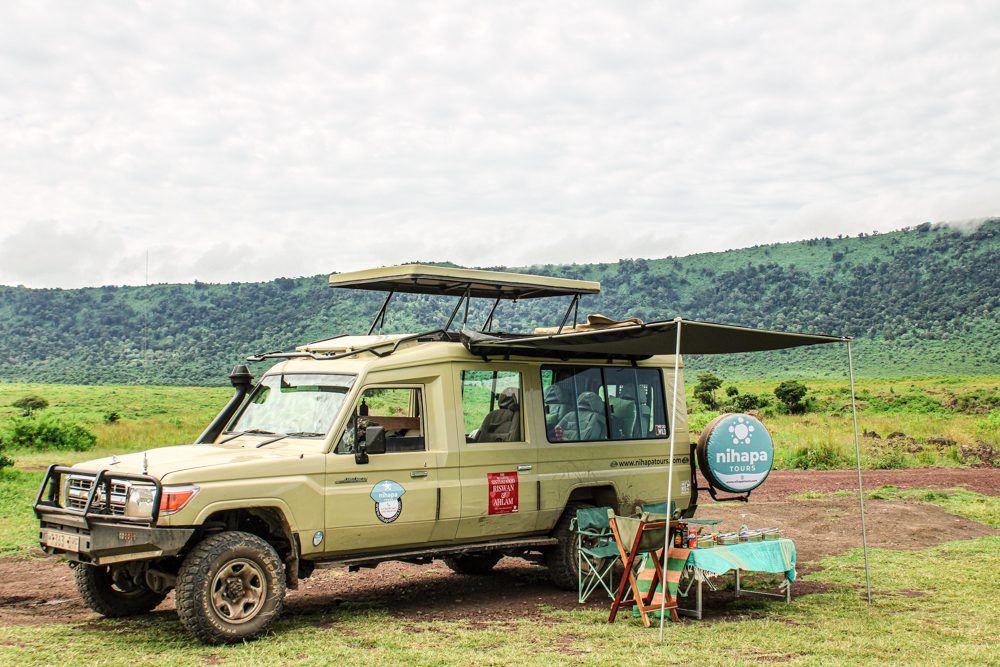
The most common and widely recommended option is the traditional game drive. This is the foundation of most Serengeti Wildebeest Migration safari tours and remains the most effective way to follow the herds. Game drives are conducted in specially designed 4×4 vehicles with open roofs, allowing for clear views and photography. With an experienced guide, you are able to track the movement of wildebeest, locate predators, and position yourself for key moments such as river crossings. What makes this option so valuable is its flexibility. Guides communicate with each other and adjust routes in real time, increasing the chances of being in the right place when something extraordinary happens. For most travelers, this is the core of a migration safari experience.
For those seeking a deeper and more immersive connection, a mobile tented safari Serengeti experience offers something unique. Unlike permanent lodges, mobile camps are designed to move with the migration, positioning you close to the herds as they shift across the ecosystem. This approach reduces travel time to key wildlife areas and allows you to wake up in the middle of the action. The atmosphere is more intimate, often with fewer guests, and the experience feels closer to the traditional spirit of safari. Even though these camps are mobile, they still provide comfortable beds, proper dining, and essential amenities, making them an excellent balance between adventure and comfort.
Luxury options represent another level of Serengeti safari, where comfort and exclusivity take priority without sacrificing access to prime wildlife areas. High-end lodges and tented camps are strategically located in regions known for strong migration activity, offering panoramic views and personalized service. These experiences often include private guides, premium vehicles, and carefully curated itineraries. For travelers considering the best safari packages for wildebeest migration, luxury safaris provide a seamless and refined journey, where every detail is managed, and the focus remains entirely on the experience.
A different perspective comes from walking safaris, which offer a slower and more intimate way to understand the Serengeti. While you will not follow large herds on foot, these guided walks allow you to explore the landscape in detail, learning about tracks, plants, and the smaller elements of the ecosystem that are often overlooked during game drives. Walking safaris are always conducted with trained guides and are typically done in designated areas for safety. This experience adds depth to a migration safari by helping you understand not just the animals, but the environment that sustains them.
One of the most unforgettable ways to experience the migration is through a hot air balloon safari in the Serengeti. Floating above the plains at sunrise, you gain a completely different view of the landscape and the movement of the herds. From the air, the scale of the migration becomes truly visible, with long lines of animals stretching across the horizon. This perspective is especially powerful in areas where the herds are concentrated, offering a sense of the migration that cannot be captured from the ground. After landing, the experience often concludes with a bush breakfast, adding a traditional touch to a unique morning.
Each of these safari options plays a different role in shaping your overall experience. Game drives provide access and flexibility, mobile camps bring you closer to the migration, luxury safaris offer comfort and exclusivity, walking safaris deepen your understanding, and balloon safaris deliver a rare aerial perspective. The best approach is often a combination, where different elements are included in a well-planned itinerary.
Selecting the right Serengeti safari is not just about preference, but about aligning your expectations with how the migration unfolds. Since the herds are constantly moving, a flexible and well-structured plan makes all the difference. Whether you choose a classic game drive or a more immersive mobile experience, the goal remains the same: to witness the Wildebeest Migration in a way that feels authentic, engaging, and unforgettable.
| Safari Option | Comfort Level | Typical Pricing Range |
|---|---|---|
| Traditional Game Drive | Moderate – open 4×4 vehicles with basic seating | $250–$500 per person per day |
| Mobile Tented Safari Serengeti | High – comfortable tents with proper beds, dining, and amenities | $400–$700 per person per day |
| Luxury Safari Lodges & Tented Camps | Very High – upscale accommodation, private guides, gourmet meals | $800–$1,500+ per person per day |
| Walking Safari | Moderate – requires physical activity, basic gear | $150–$300 per person per day |
| Hot Air Balloon Safari Serengeti | High – stable balloon cabins, early morning comfort | $500–$700 per person per flight |
Witnessing the River Crossings: A Highlight of the Migration
One of the most iconic experiences of a Serengeti safari is witnessing the Wildebeest River Crossing, particularly at the Mara River. This event is the climax of the Serengeti Wildebeest Migration, drawing visitors from around the world who want to see thousands of wildebeest face one of nature’s most dramatic challenges. The sight of the herds gathering on the riverbanks, hesitating, and then plunging into the fast-flowing waters is a spectacle that combines tension, danger, and awe-inspiring beauty.
The Mara River crossing is not only a test of endurance for the animals but also a highlight for safari-goers. Crocodiles lurk in the water, waiting to ambush the crossing wildebeest, while the rushing current adds another layer of peril. From a distance, the crossing appears chaotic, with hooves kicking up mud and splashes as animals struggle to reach the opposite bank. Observing this scene provides a vivid understanding of the cycle of life in the Serengeti, where survival is never guaranteed, and instinct drives every move.
Timing is critical when planning to witness a Mara River wildebeest crossing. The best time to see the wildebeest river crossing generally falls between July and October, during the peak of the northern migration. During these months, large herds concentrate at riverbanks, preparing to cross in massive groups. However, it is important to note that crossings are unpredictable. Factors such as rainfall, herd movement, and river depth influence when and where the crossing occurs. Working with experienced guides who track the herds daily is essential to maximizing the chance of seeing this remarkable event.
Photographers and wildlife enthusiasts often want tips on how to capture the crossing on camera. The key is preparation: use a telephoto lens to zoom in on the action, keep shutter speed high to freeze motion, and be ready for sudden bursts of movement. Position yourself where the herd enters or exits the river for dramatic compositions, and try to include the surrounding landscape and predators for context. Early morning or late afternoon light provides the best natural illumination, enhancing the depth and color of your photographs.
While the Mara River is the most famous site for wildebeest river crossings, other rivers such as the Grumeti River also offer thrilling experiences. The Grumeti River crossing occurs earlier in the year, around May and June, as the herds move through the western corridor. Although slightly smaller than the Mara crossings, the Grumeti crossings are equally dramatic, with crocodiles, strong currents, and the sheer energy of the herds creating intense action. These rivers offer an alternative for travelers who prefer smaller crowds or want a slightly less intense experience while still witnessing the dangers of the migration.
Understanding how to witness the Serengeti river crossing also involves knowing where to position yourself safely. Safari guides often select high vantage points overlooking the river, where you can see the entire crossing without disturbing the animals. This allows you to observe predator-prey interactions, herd behavior, and the sheer scale of the migration while remaining safe and respectful of wildlife.
In addition to photography and observation, witnessing the river crossings provides a deeper appreciation of the migration as a natural phenomenon. Each crossing is a life-and-death struggle that highlights the resilience of the wildebeest and the complexity of the Serengeti ecosystem. For visitors, it is a moment of connection with nature that is both humbling and exhilarating.
For anyone planning a Serengeti safari, experiencing the Mara River or Grumeti River crossings should be a top priority. Combining knowledge of migration timing, working with skilled guides, and choosing strategic locations ensures that this once-in-a-lifetime spectacle can be seen safely, comfortably, and memorably. Witnessing these crossings is not just about seeing wildebeest in motion; it is about experiencing the drama, chaos, and breathtaking beauty of one of the world’s most extraordinary wildlife events.
What to Pack for a Serengeti Wildebeest Migration Safari
A well-prepared Serengeti safari starts long before you arrive in Serengeti National Park. Knowing what to bring on a Serengeti safari ensures your comfort, safety, and ability to fully enjoy the spectacular Wildebeest Migration. Packing for Serengeti migration is not just about clothing; it’s about combining practicality, wildlife observation, and protection against the elements.
Clothing is one of the most important considerations. Neutral-colored clothes such as khakis, greens, and browns are essential for blending into the environment. Bright colors can startle wildlife and reduce the quality of your sightings. Lightweight, breathable fabrics are ideal for daytime game drives, while long sleeves and pants protect from the sun and insects. Since temperatures in the Serengeti can vary dramatically, from chilly mornings to hot afternoons, layering is crucial. A light fleece or jacket for early mornings and evenings, combined with short-sleeved shirts and breathable pants during the day, ensures you stay comfortable throughout.
Footwear should be sturdy and comfortable. Closed-toe shoes, such as lightweight hiking boots or supportive sneakers, are essential for walking around camps or lodge areas. Sandals can be useful around camp, but are not recommended for game drives. Adding socks that wick away moisture will keep your feet dry and prevent blisters during long days.
For wildlife observation, camera equipment is a must. A zoom lens is highly recommended to capture distant wildlife, while binoculars provide an excellent way to spot predators and herd movement before they come close. Bring extra batteries and memory cards, as you will likely take hundreds of photos and videos. A small tripod or monopod can be helpful for stability during long game drives, and a protective camera bag will keep your equipment safe from dust and sudden weather changes.
Health and safety items are equally important. Anti-malarial medications should be taken as advised by your doctor, as malaria risk is present in many areas of the Serengeti. Insect repellent is essential for reducing bites, especially during early morning and late evening hours. Sunscreen and sunglasses will protect you from intense equatorial sun, while a wide-brimmed hat offers additional shade and comfort during long drives. A small first-aid kit with essentials such as band-aids, antiseptic, and pain relief can be useful for minor injuries or discomfort.
Safari essentials include a small backpack for daily excursions, which can carry water bottles, snacks, sunscreen, binoculars, and cameras. Hydration is critical during the dry season, so carrying at least one liter of water per person is recommended. A lightweight scarf or buff can protect your face and neck from sun and dust, especially in open 4×4 vehicles.
Optional items that can enhance your experience include a journal for recording observations, a small guidebook for identifying wildlife, and a flashlight for navigating camp at night. If you plan to take a hot air balloon safari, bring gloves and a windproof jacket, as it can be cold at higher altitudes in the early morning.
In summary, a Serengeti safari packing list focuses on comfort, safety, and functionality. Neutral-colored clothing, sturdy footwear, and layered options cover the basics for varying temperatures. Camera gear and binoculars ensure you never miss a moment of the Wildebeest Migration, while health precautions like anti-malarials, insect repellent, and sunscreen protect your well-being. Finally, small accessories such as a backpack, hat, and water bottles make daily game drives and activities easier and more enjoyable. Proper preparation allows you to focus entirely on the incredible spectacle of the Serengeti Wildebeest Migration without distraction.
Wildlife to Spot During the Serengeti Wildebeest Migration
The Serengeti is one of the richest wildlife ecosystems in the world, and the Serengeti Wildebeest Migration offers an extraordinary opportunity to witness this diversity in action. Seeing Serengeti wildlife during a migration safari is a once-in-a-lifetime experience, as millions of wildebeest, zebras, and gazelles move across the plains, drawing in predators and creating a dynamic, living spectacle. Understanding the variety of animals you can encounter enhances your appreciation and ensures you don’t miss key sightings.
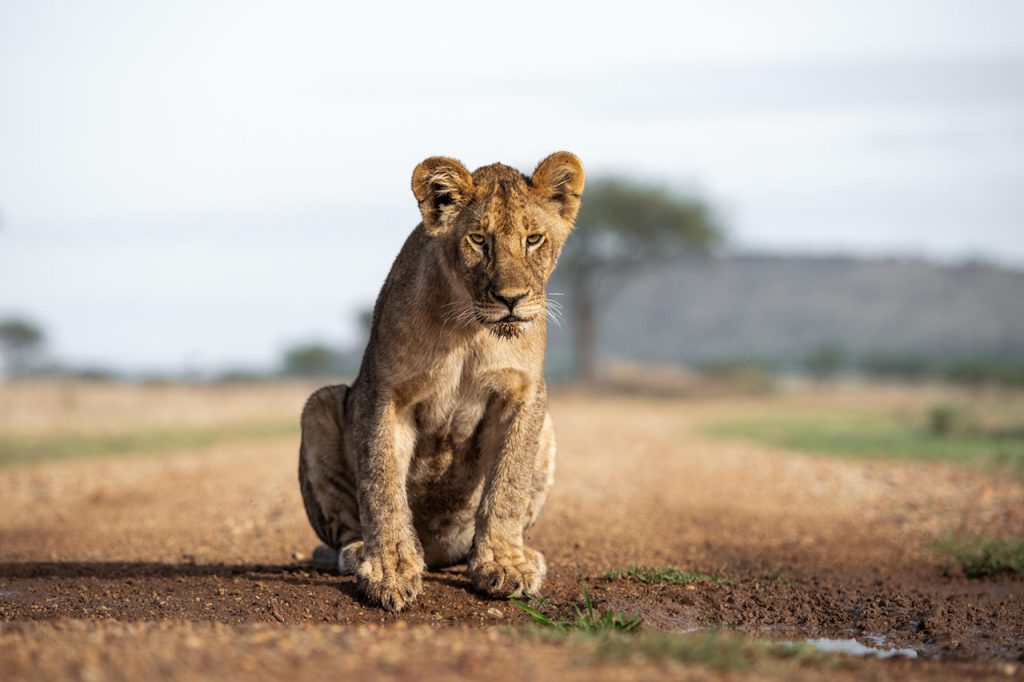
The most dramatic encounters during the migration involve predators that follow the herds. Lions are perhaps the most iconic, often lying in ambush near water sources or tall grass, ready to take advantage of vulnerable calves or stragglers. Cheetahs, known for their speed, hunt in open plains, providing thrilling glimpses of high-speed chases. Leopards are more elusive but can be spotted resting in trees, particularly near areas where prey congregates. Hyenas are constant scavengers and hunters, often seen working in groups to corner animals or wait for an opportunity to steal a kill. Wild dogs, highly social and cooperative, add another layer of excitement, as their pack tactics make them incredibly effective hunters. Predators following the wildebeest migration create high-energy scenes, especially during calving season and river crossings.
Herbivores also play a central role in the migration ecosystem. Of course, the star attraction is the wildebeest itself, with over a million animals moving in synchronized patterns. Zebras often accompany the wildebeest, providing a striped contrast that is visually striking and helps with predator vigilance. Gazelles, including Thomson’s and Grant’s gazelles, are quick and agile, constantly alert for danger. Impalas and other smaller herbivores add to the richness of the ecosystem, grazing alongside larger animals and contributing to the Serengeti’s complex food web.
Beyond the large mammals, the Serengeti hosts other wildlife that adds depth to the safari experience. Elephants roam the plains and riverine forests, providing awe-inspiring size and intelligence. Giraffes browse acacia trees, their long necks offering an elegant silhouette against the plains. Hippos can be spotted in rivers and waterholes, often submerged but vocal, while crocodiles patrol the rivers, particularly near migration crossings like the Mara and Grumeti Rivers. Observing these animals alongside the migrating herds provides context for the ecosystem, showing how species interact and coexist.
Birdlife in the Serengeti is equally impressive. Vultures circle above the plains, often near predator kills, cleaning the ecosystem and signaling the movement of wildlife below. Eagles soar overhead, scanning the ground for prey, while ostriches stride across open savannahs, their large size and distinctive feathers easy to spot. Smaller birds, such as hornbills, weavers, and kingfishers, add vibrant color and activity to trees and water sources, complementing the larger mammals and creating a full sensory experience of Serengeti wildlife.
For anyone planning a Serengeti migration safari, being aware of the animals to see during the Serengeti migration enhances the experience. A skilled guide can point out elusive predators, track herd movements, and provide insights into animal behavior, ensuring you witness not only the spectacle of the wildebeest but the broader ecosystem in action.
Whether you are watching lions stalk the plains, spotting zebras running alongside wildebeest, or capturing a breathtaking aerial view of birds and herds, the Serengeti offers endless wildlife encounters. Each sighting, from the largest elephant to the smallest bird, contributes to the story of survival, adaptation, and life that unfolds during the world’s most famous migration.
Health and Safety Tips for a Serengeti Safari
Ensuring your Serengeti safari safety and maintaining good Serengeti travel health are essential parts of planning a successful migration adventure. The Serengeti is a wild, expansive ecosystem, and while it offers unforgettable experiences, being prepared for health and safety challenges will make your safari both comfortable and secure.
Health Precautions are the first step in safeguarding your well-being. Before traveling, consult a healthcare professional about recommended vaccinations for the region. Common immunizations include yellow fever, typhoid, hepatitis A and B, and tetanus boosters. Some areas may also recommend vaccines for cholera or rabies, particularly if you plan to spend time outside established lodges or in remote areas. Anti-malarial medication is strongly advised, as malaria-carrying mosquitoes are prevalent in the Serengeti, especially near rivers and wetlands. In addition to medication, use insect repellent with DEET, wear long-sleeved clothing during peak mosquito activity, and sleep under treated mosquito nets when available.
Hydration and nutrition are also important for maintaining health during your safari. The dry heat of the Serengeti can quickly lead to dehydration, so always carry sufficient drinking water during game drives. Eating balanced meals at your lodge or camp helps maintain energy levels for long days of wildlife viewing. Carrying a small first-aid kit with essentials like band-aids, antiseptic, pain relief, and any personal prescription medications can help address minor issues promptly without disrupting your safari.
Travel Insurance is another crucial aspect of Serengeti health precautions. Comprehensive travel insurance should cover medical emergencies, evacuation, trip cancellations, and lost or damaged luggage. Accidents can happen, and having insurance provides peace of mind, ensuring you have access to quality care if needed. Some safari operators may also require proof of insurance before departure, so securing coverage in advance is wise.
Safety Tips while on safari focus on respecting wildlife and following expert guidance. Animals in the Serengeti, from elephants to predators, are wild and unpredictable. Always remain inside your vehicle during game drives unless explicitly permitted by your guide. Keep a safe distance from animals, avoid making loud noises, and never attempt to feed or approach wildlife. Guides are trained to anticipate animal behavior and know how to position vehicles for both safety and optimal viewing. Following their instructions is critical for your protection and the welfare of the animals.
Additional practical safety measures include protecting yourself from sun exposure. Wear a wide-brimmed hat, sunglasses, and sunscreen during the day, and layer clothing to manage temperature changes from early morning to midday. Footwear should be sturdy and closed-toed to prevent injuries while walking in camps or lodge areas. Always be aware of your surroundings, especially near waterholes, rivers, or tall grass where wildlife may be present.
In conclusion, Serengeti safari safety and travel health depend on preparation, awareness, and responsible behavior. Taking recommended vaccinations, using anti-malarial protection, carrying first-aid supplies, and maintaining hydration are essential health precautions. Comprehensive travel insurance and attentive adherence to guide instructions ensure safety in the field. By prioritizing these measures, you can fully enjoy the extraordinary sights of the Wildebeest Migration while remaining safe, healthy, and comfortable throughout your adventure.
Ethical Considerations When Visiting the Serengeti Migration
Practicing Serengeti ethical tourism is essential for preserving the natural beauty and ecological balance of Serengeti National Park. A responsible safari goes beyond observing the Wildebeest Migration; it involves understanding the impact of human activity on wildlife, supporting sustainable tourism practices, and contributing positively to local communities. By being mindful of these factors, travelers ensure that the Serengeti remains a thriving ecosystem for generations to come.
Supporting sustainable tourism and conservation efforts is a critical part of an ethical Serengeti safari. The park and surrounding areas rely on tourism revenue to fund conservation projects, anti-poaching patrols, and habitat management initiatives. Choosing operators like Nihapa Tours, which prioritize responsible tourism, ensures your visit contributes to protecting wildlife and maintaining the park’s infrastructure. Nihapa Tours actively reinvests in conservation projects and engages with local communities to create a positive impact while offering unforgettable safari experiences.
One of the most important ways to practice a responsible Serengeti safari is by minimizing disturbance to wildlife. The Wildebeest Migration is a natural event, and human interference can cause stress or disrupt critical behaviors like grazing, calving, or river crossings. Always keep a safe distance from animals, avoid loud noises, and never attempt to feed or touch wildlife. Following your guide’s instructions is essential; they are trained to balance safety with respectful wildlife observation. With Nihapa Tours, guides are experienced professionals who know how to provide close, safe encounters without compromising the animals’ natural behavior.
Choosing ethical safari operators is another key aspect of ethical travel in the Serengeti. Responsible operators prioritize conservation, employ local staff, and support community initiatives. Nihapa Tours exemplifies this approach by hiring skilled local guides, supporting Maasai communities, and adhering to strict environmental guidelines for vehicle movement, camp placement, and wildlife interaction. Before booking, research whether your safari company has certifications or partnerships with conservation organizations and whether they actively contribute to environmental and social programs.
Travelers should also be conscious of their environmental impact during the trip. Simple practices, such as reducing plastic use, properly disposing of waste, conserving water, and avoiding off-road driving, help preserve the Serengeti’s delicate ecosystem. Respecting park rules and regulations is part of being an ethical visitor and ensures that natural habitats remain undisturbed.
Finally, being an ethical traveler means understanding the cultural context. Interacting respectfully with local communities, learning about Maasai traditions, and purchasing locally made crafts support the social and economic fabric of the region. Responsible engagement enhances the travel experience while promoting sustainable livelihoods.
In conclusion, a responsible Serengeti safari combines wildlife conservation, community support, and personal awareness. By supporting ethical operators like Nihapa Tours, minimizing disruption to animals, practicing environmentally conscious behaviors, and respecting local culture, visitors can enjoy the Wildebeest Migration while contributing to the long-term protection of one of the world’s most extraordinary ecosystems. Ethical travel ensures that the magic of the Serengeti remains intact for future generations of wildlife and travelers alike.
Conclusion: Why You Should Experience the Serengeti Wildebeest Migration
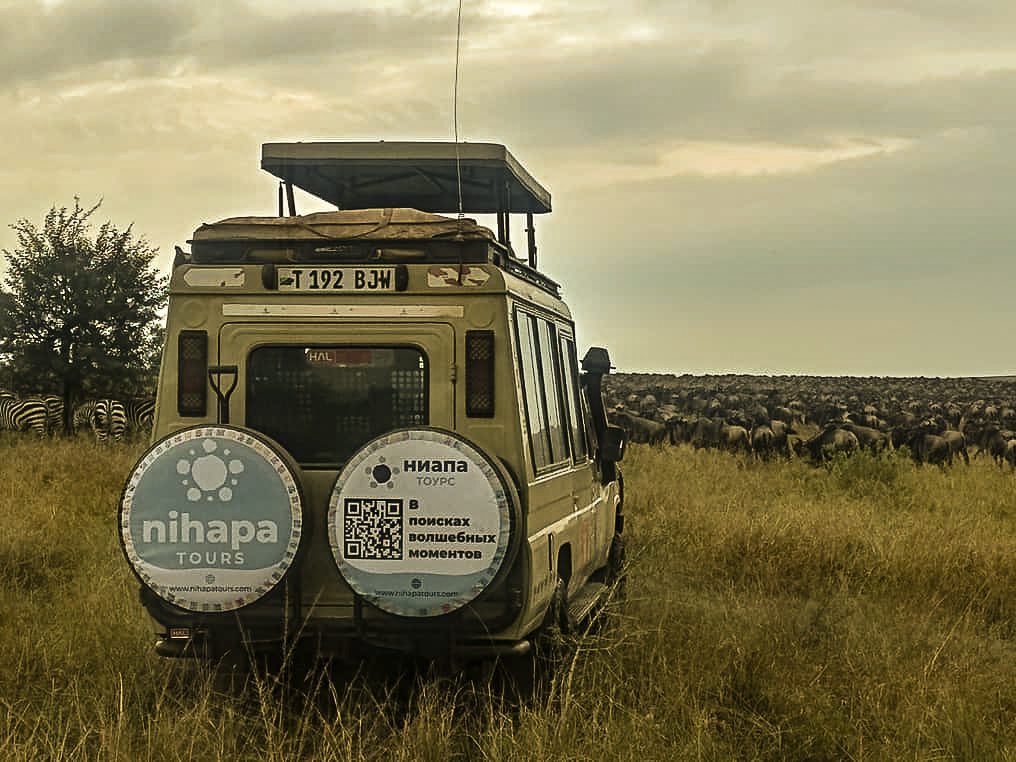
A Serengeti migration safari is more than just a wildlife trip; it is a transformative experience that places you at the heart of one of nature’s most extraordinary spectacles. The wildebeest migration experience offers a rare glimpse into the rhythms of the natural world, where millions of wildebeest, zebras, and gazelles move across the Serengeti plains in a cycle of life, survival, and renewal. Witnessing this phenomenon is not only breathtaking but also educational, revealing the complex relationships between predators, prey, and the environment.
The Serengeti Wildebeest Migration is a bucket-list event for travelers who seek adventure, wildlife encounters, and unforgettable memories. From the dramatic Mara River crossings, where wildebeest leap into fast-flowing waters amid crocodiles and rushing currents, to the calving season in the southern plains where newborns take their first steps, every stage of the migration is filled with awe-inspiring moments. Observing these events up close allows you to connect deeply with the Serengeti’s ecosystem and understand the incredible resilience and instincts of the animals.
Planning your Serengeti migration safari carefully is key to making the most of this once-in-a-lifetime opportunity. Timing your visit to coincide with peak events, choosing the right safari style, whether it is a mobile tented camp, a game drive, or a hot air balloon adventure, and packing the proper gear ensures comfort, safety, and optimal wildlife viewing. Working with experienced operators like Nihapa Tours enhances your experience, as they provide expert guides, ethical safari practices, and logistical support that maximize your chances of witnessing the migration while respecting the natural habitat.
A Serengeti Wildebeest Migration safari also offers personal rewards beyond wildlife observation. It is a chance to disconnect from the hustle of everyday life, immerse yourself in vast landscapes, and gain perspective on the beauty and fragility of our planet. Whether you are traveling solo, as a couple, or with family and friends, the migration provides shared experiences that create lasting memories and a profound appreciation for the natural world.
In conclusion, seeing the Serengeti Wildebeest Migration is an experience that belongs on every traveler’s bucket list. It combines adventure, wildlife spectacle, and environmental education in a way few other destinations can. With careful planning, ethical practices, and the guidance of experts like Nihapa Tours, your Serengeti migration safari will be safe, enriching, and unforgettable. Witnessing the synchronized movement of millions of animals across the plains is not just a trip; it is a once-in-a-lifetime connection with the raw power, beauty, and rhythm of nature itself.
Frequently Asked Questions (FAQs) About Serengeti Wildebeest Migration
The Serengeti Wildebeest Migration is the world’s largest terrestrial animal movement, involving over a million wildebeest, along with hundreds of thousands of zebras and gazelles. The herds move in a continuous cycle through the Serengeti National Park in Tanzania and into the Maasai Mara in Kenya in search of fresh grazing and water. This annual migration follows predictable patterns, including calving in the south, grazing in central regions, and dramatic river crossings in the north.
The timing of your safari depends on which stage of the migration you want to witness. For calving, the months of January to March in the southern Serengeti near Ndutu are ideal. The western corridor sees river crossings along the Grumeti River around May and June, while the famous Mara River crossings in the northern Serengeti occur between July and October. Working with experienced guides, like those from Nihapa Tours, helps ensure you are in the right place at the right time.
Key regions for migration viewing include the southern Serengeti (Ndutu and Ngorongoro plains) for calving, the central Serengeti for game drives through grazing herds, the western corridor (Grumeti River) for early river crossings, and the northern Serengeti (Mara River) for dramatic river crossings. Each region offers unique opportunities to observe predators and herd behavior.
Several safari styles cater to migration viewing. Traditional game drives in open 4×4 vehicles are the most common, providing flexibility and mobility. Mobile tented camps follow the herds for an immersive experience. Luxury lodges offer comfort and convenience, while hot air balloon safaris provide breathtaking aerial perspectives. Walking safaris allow a more intimate connection with the land, focusing on smaller wildlife and plant life. Nihapa Tours offers all these options, with expert guides who prioritize safety and wildlife respect.
The Serengeti is home to a variety of predators and herbivores. Lions, leopards, cheetahs, hyenas, and wild dogs are commonly seen following the migration. Zebras, gazelles, impalas, elephants, giraffes, hippos, and crocodiles enrich the ecosystem, while birdlife, including vultures, eagles, and ostriches, adds color and movement to the landscape.
Packing for a Serengeti safari includes neutral-colored clothing, sturdy footwear, layers for varying temperatures, hats, sunglasses, and sunscreen. Camera gear with telephoto lenses, binoculars, extra batteries, and memory cards is essential. Health items include anti-malarial medication, insect repellent, and a small first-aid kit. A small backpack is useful for carrying water, snacks, and personal items during game drives.
Yes, the migration is safe to observe when following park regulations and guide instructions. Staying in vehicles, maintaining a safe distance from animals, and avoiding direct interaction with wildlife are essential safety practices. Experienced operators like Nihapa Tours ensure guests can enjoy the spectacle without risk.
Absolutely. Safaris are suitable for solo travelers, couples, families, and large groups. Guides tailor itineraries to suit different needs, ensuring that everyone has a memorable and safe wildlife experience.
Witnessing the Serengeti Wildebeest Migration is an awe-inspiring adventure that combines breathtaking scenery, wildlife encounters, and the chance to experience one of nature’s most extraordinary events.