Tanzania Safari Cost: A Complete Guide with Nihapa Tours
Tanzania Safari Costs vary widely depending on your travel style, accommodation, and the level of comfort you prefer. Whether you are planning a budget camping adventure or a luxurious wildlife experience, Tanzania has options for every traveler. Understanding the general costs at a glance helps you plan your trip realistically.
Most safari packages are priced per person per day. These prices usually include accommodation, park entrance fees, meals, game drives, transportation in a safari vehicle, and the services of a professional guide. International flights, visas, travel insurance, and tips are typically not included.
Budget safaris are the most affordable, costing between 200 and 350 US dollars per person per day. Travelers usually stay in basic lodges, campsites, or simple tented camps. Vehicles are often shared with other visitors, which reduces the cost. Even at this price, you can see incredible wildlife in parks such as Tarangire National Park and Lake Manyara National Park.
Mid-range safaris generally cost between 350 and 600 dollars per person per day. Travelers stay in comfortable lodges or tented camps with private rooms and good facilities. Game drives use well-equipped safari vehicles with experienced guides. This option is popular for those exploring Serengeti National Park and Ngorongoro Crater because it balances comfort and cost.
Luxury safaris focus on exclusivity and service, typically costing 700 to 1500 dollars per person per day. Guests stay in high-end lodges or luxury tented camps with fine dining, spacious suites, and private decks overlooking the wilderness. Private guides and customized game drives enhance the experience.
Ultra-luxury safaris can cost more than 2000 dollars per person per day. Travelers may use small charter flights and stay in exclusive camps. These safaris offer privacy, comfort, and some of the best wildlife experiences in Tanzania.
How Much Will Your Tanzania Safari Cost?
Planning the length of your safari and choosing the right accommodation are the biggest factors in determining the total price of a trip. Costs vary depending on the parks you visit, the type of lodge or camp you select, and optional activities like balloon rides or cultural visits. Knowing typical costs can help you budget more effectively and avoid surprises.
A three-day safari is a short but rewarding option. Budget travelers can expect to pay between 600 and 1,050 dollars per person. Mid-range safaris range from 1,050 to 1,800 dollars per person, while luxury trips can reach 4,500 dollars or more. Most three-day itineraries focus on Tarangire National Park and Ngorongoro Crater. Even in a short safari, visitors can see lions, elephants, giraffes, and other iconic wildlife.
Four-day safaris allow more time to explore multiple parks. Budget trips generally cost 800 to 1,400 dollars per person, mid-range safaris 1,400 to 2,400 dollars, and luxury safaris can exceed 6,000 dollars. Many travelers include Serengeti National Park, which increases costs due to higher park fees and premium accommodations.
Five-day safaris offer a more relaxed pace. Budget travelers may spend 1,000 to 1,750 dollars per person, mid-range travelers 1,750 to 3,000 dollars, and luxury trips can reach 7,500 dollars or more. A typical itinerary covers Tarangire, the Serengeti, and Ngorongoro, allowing extended game drives and better chances to see wildlife.
Seven-day safaris provide a complete northern circuit experience. Budget trips cost 1,400 to 2,450 dollars per person, mid-range 2,450 to 4,200 dollars, and luxury safaris can exceed 10,000 dollars. Longer trips allow for relaxed drives, more wildlife sightings, and optional extras like balloon safaris.
Extended safaris of ten days or more can include remote parks and additional experiences. Budget options start around 2,500 dollars, while luxury experiences may exceed 15,000 dollars. These longer itineraries allow travelers to combine wildlife viewing with cultural visits and unique experiences such as walking safaris.
Private safaris with personal guides and vehicles are more expensive than group safaris. Group safaris are ideal for travelers on a budget and often include shared vehicles and lodges. Private safaris provide flexibility, privacy, and a customized schedule.
Seasonality affects pricing as well. High season is June to October and December to January, when wildlife viewing is excellent but accommodation prices are higher. Low season from March to May offers lower rates, though some parks may have limited access due to rainfall.
Understanding these factors helps travelers gauge the realistic Tanzania Safari Cost for different trip lengths and styles. Whether you are planning a short three-day adventure or a luxurious ten-day safari, careful planning ensures a memorable wildlife experience.
Factors Affecting Tanzania Safari Cost
Several factors determine how much a safari in Tanzania will cost. Prices vary depending on accommodation, park choices, transportation, season, and trip duration. Other considerations, such as guide experience, group size, and optional activities, also influence the final cost. Understanding these factors helps travelers budget properly and ensures a rewarding safari experience.
Accommodation Level
Accommodation is one of the largest contributors to safari costs. Your choice can significantly affect your daily rate and overall budget.
Budget camps are the most affordable option. They typically offer basic tents or simple lodges with shared bathrooms. Meals are simple but sufficient, often including local specialties like rice, ugali, or roasted meats. Some camps allow guests to sleep under the stars in a communal setting, which provides a real wilderness experience. Budget camps are often located near park entrances or wildlife areas, so travelers can still enjoy excellent game-viewing opportunities. These camps are ideal for those prioritizing adventure over luxury. Staying in a budget camp often means sharing the safari vehicle with other travelers, which also reduces costs.
Mid-range lodges provide more comfort and privacy. They usually feature private rooms or tented suites with en-suite bathrooms. Guests enjoy better amenities such as comfortable beds, hot showers, and sometimes small swimming pools. Meals are higher quality, with buffet or à la carte options and a mix of local and international cuisine. Many mid-range lodges are strategically located near rivers, waterholes, or scenic savannahs, providing wildlife sightings right from your room. This level of accommodation is popular with couples, families, and small groups who want a balance between comfort and cost. Mid-range lodges also include more experienced guides and often offer additional activities such as night game drives or cultural village visits.
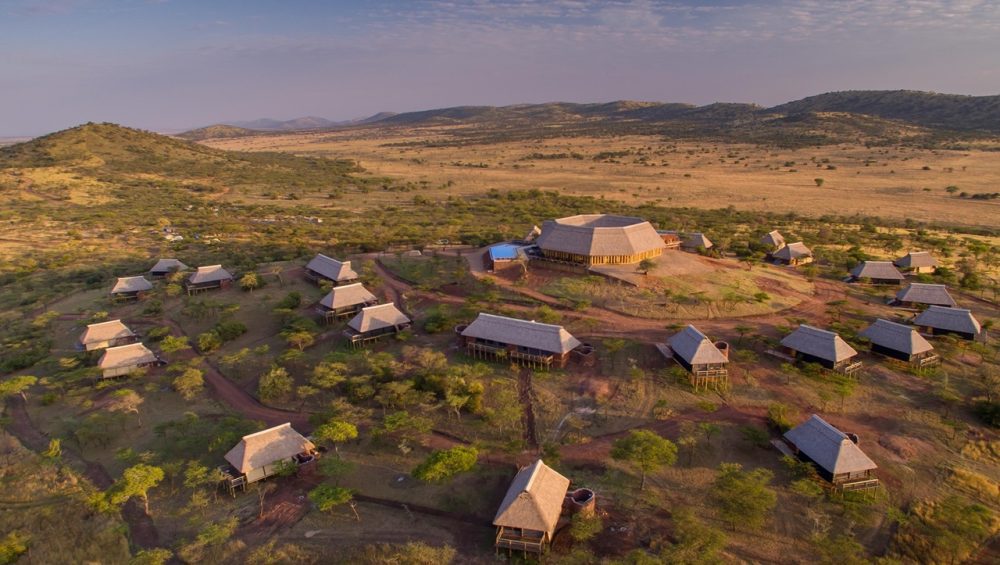
Luxury lodges offer the highest level of comfort and exclusivity. Accommodations include spacious suites or large luxury tents with private decks overlooking the wilderness. Guests enjoy fine dining, personalized service, and sometimes private butlers. Many lodges provide private vehicles and experienced guides for customized game drives. Additional experiences like hot air balloon safaris, bush breakfasts, evening sundowners, and spa treatments are often included. Luxury lodges are usually located in prime wildlife areas, sometimes with very few other guests nearby. Staying in a luxury lodge significantly increases the overall Tanzania Safari Cost but provides an unforgettable and highly comfortable wildlife experience. Ultra-luxury lodges may even offer private access to parks or exclusive campsites for the ultimate safari experience.
National Park Fees
Park fees are a mandatory part of safari costs. These fees fund wildlife conservation, park maintenance, and infrastructure. Every national park in Tanzania has its own fee structure.
For example, Serengeti National Park has higher fees than less-visited parks due to its global significance and large wildlife populations. Ngorongoro Crater charges an additional crater service fee on top of the park entry fee. Tarangire and Lake Manyara are slightly more affordable but still require daily conservation fees.
Most safari packages include park fees, but travelers should always confirm before booking. Some fees may vary depending on the type of vehicle used, the number of days spent in the park, or whether optional activities like walking safaris or balloon rides are included. Park fees ensure the protection of wildlife and the natural environment, making them an essential part of Tanzania Safari Cost planning.
Transportation and Safari Vehicles
Transportation is another major factor affecting safari costs. Most safaris use 4×4 vehicles built for rough terrain and game viewing. Vehicles may be shared or private.
Shared vehicles are more cost-effective because expenses are divided among several travelers. Private vehicles provide flexibility and allow for personalized itineraries, but they cost more. Some luxury safaris include private vehicles with customized schedules and even specially equipped photography vehicles.
Fuel, maintenance, and driver-guide services are normally included in the safari package. In longer itineraries, internal charter flights may be used to connect parks efficiently. While flights save time, they increase the total Tanzania Safari Cost. Some remote parks, especially in southern or western Tanzania, are more expensive to reach due to the distance and limited road access.
Travel Season
The time of year significantly affects safari prices. High season is usually June to October and December to January. This is the dry season, making wildlife easier to spot. Park roads are accessible, and the scenery is at its best. Prices are higher during these months because demand is greater.
Low season runs from March to May, during the rainy months. Rates are lower, and there are fewer tourists. Some areas may be harder to access due to wet conditions, but wildlife is still visible. Many travelers enjoy low season for a quieter safari experience and lower costs. Choosing the right season is a balance between wildlife viewing opportunities and budget considerations.
Safari Duration
The number of days on safari affects both the total and per-day cost. Longer trips naturally cost more overall, but often reduce the daily rate. Shorter safaris are more intensive and sometimes have higher per-day costs. Longer safaris allow more relaxed game drives, multiple park visits, and in-depth wildlife encounters.
A three-day safari is perfect for travelers with limited time. A five- or seven-day itinerary allows for a full northern circuit experience, visiting Tarangire, Lake Manyara, Serengeti, and Ngorongoro. Ten-day or longer safaris can include southern parks, remote areas, and special experiences like walking safaris or balloon rides.
Planning the right duration ensures a balance between cost, comfort, and wildlife experiences. By understanding how each factor influences pricing, travelers can better estimate their Tanzania Safari Cost and make informed decisions. Unters and excellent value.
Northern Circuit vs Southern Circuit Safari Costs
When planning a safari in Tanzania, understanding the difference between the northern and southern circuits is essential. Each circuit has unique parks, landscapes, and wildlife experiences. Costs also vary based on the circuit you choose. Knowing what to expect helps travelers estimate the Tanzania Safari Cost and plan accordingly.
Northern Circuit Overview
The northern circuit is the most popular safari route in Tanzania. It includes iconic parks such as Serengeti National Park, Ngorongoro Crater, Tarangire National Park, and Lake Manyara National Park. These parks are famous for vast savannahs, large herds of wildlife, and dramatic landscapes.
Northern circuit safaris tend to be more expensive due to high demand and the global reputation of the parks. Park fees are higher, and lodges and camps in prime locations often charge premium rates. Mid-range safaris on the northern circuit usually cost between 350 and 600 dollars per person per day. Luxury safaris can range from 700 to 1,500 dollars per person per day.
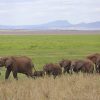
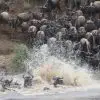
This circuit is ideal for travelers seeking classic safari experiences. The Serengeti offers opportunities to witness the Great Migration at certain times of the year. Ngorongoro Crater provides unparalleled game viewing in a unique volcanic landscape. Tarangire is famous for large elephant herds and baobab trees. Lake Manyara offers diverse wildlife and beautiful scenery.
Northern circuit itineraries usually last five to seven days. Shorter three- or four-day trips are possible but involve more intensive travel between parks. Longer trips allow for more relaxed drives, extended wildlife viewing, and optional experiences like hot air balloon safaris.
Southern Circuit Overview
The southern circuit is less visited than the north but offers unique experiences. Key parks include Ruaha National Park, Selous Game Reserve, and Mikumi National Park. These parks are more remote and provide a wilderness experience with fewer tourists.
Safari prices on the southern circuit vary depending on remoteness and lodge options. Shared safaris in budget accommodations are generally more affordable, but travel to remote areas can increase transportation costs. Luxury lodges in Ruaha or Selous may charge premium rates due to exclusivity and limited availability. Daily costs typically range from 300 to 1,200 dollars per person, depending on accommodation and itinerary.
The southern circuit is ideal for travelers seeking off-the-beaten-path adventures. Wildlife encounters can be more intimate due to fewer visitors. Ruaha is home to large elephant populations and predators, while Selous offers boat safaris along the Rufiji River. Mikumi provides scenic landscapes and convenient access from Dar es Salaam.
Comparing Northern and Southern Circuit Costs
Several factors make the northern circuit more expensive. Accessibility is one of them. Most northern parks are easier to reach from major airports like Arusha or Kilimanjaro International Airport. This convenience allows for shorter transfers and less internal travel time.
Southern parks are more remote. Reaching them may require longer drives or internal flights. Transportation costs add to the overall safari price. However, southern safaris can offer lower per-day costs if you choose budget accommodations or group tours.
Park fees also differ. Serengeti and Ngorongoro fees are higher than Ruaha or Mikumi. Luxury lodges are concentrated in northern parks, which increases the average cost for high-end travelers. Southern circuit lodges may be fewer but offer private experiences at premium prices.
Itinerary Planning and Cost Considerations
Choosing between the northern and southern circuit depends on budget, wildlife interests, and available time. Northern safaris are perfect for classic photographic experiences and iconic scenery. Southern safaris appeal to travelers seeking solitude and a more rugged wilderness adventure.
Trip duration affects the overall Tanzania Safari Cost. A five- to seven-day northern safari allows you to visit all major parks. A similar southern circuit itinerary may include only two or three parks due to travel distances. Longer trips allow more relaxed drives and better wildlife sightings. Shorter trips may increase the per-day cost because transport and guide fees are spread over fewer days.
Combining circuits is also possible for extended trips. Some travelers start in the north and continue to southern parks, creating a 10- to 14-day itinerary. This provides a comprehensive view of Tanzania’s diverse wildlife and landscapes but increases total cost. Travelers can balance high-end lodges in one circuit with mid-range camps in another to manage expenses.
Additional Considerations
The choice of vehicle, guide, and season further affects costs. Private vehicles and guides are more expensive but offer flexibility and personalization. High season increases both northern and southern safari prices due to demand and peak wildlife viewing conditions. Low season reduces costs but may involve more challenging travel conditions in certain parks.
Optional experiences like walking safaris, cultural visits, or balloon rides are available in both circuits. These enhance the experience but also raise the Tanzania Safari Cost. Planning early and choosing a mix of parks and accommodations can help optimize both cost and experience.
Northern and southern circuits each offer unique wildlife encounters and landscapes. Understanding the differences in accessibility, park fees, accommodation, and duration helps travelers plan realistically. With proper planning, you can enjoy the wildlife, scenery, and adventure of Tanzania while managing your safari budget effectively.