
Family Safari from Zanzibar: Best Packages for Kids
Planning a family safari from Zanzibar is an unforgettable way to explore Tanzania’s incredible wildlife while keeping the experience safe, fun, and comfortable for children. Families traveling from Zanzibar can enjoy short domestic flights to northern Tanzania’s world-famous parks, including Tarangire, Lake Manyara, Ngorongoro Crater, and the Serengeti, reducing long road transfers and travel fatigue. Combining a safari with a beach stay in Zanzibar allows children and parents to balance adventure with relaxation, creating a vacation that is both educational and enjoyable.
Family safari packages from Zanzibar are carefully designed to cater to children of all ages. From toddler-friendly short drives to longer multi-day explorations for older kids, each package ensures a comfortable pace, engaging activities, and safe accommodations. Children can observe elephants, lions, giraffes, and zebras in their natural habitats while participating in age-appropriate learning experiences about wildlife, conservation, and local culture.
Choosing a safari from Zanzibar also provides practical advantages. Short flights minimize travel time, private vehicles offer flexibility, and family-focused lodges include amenities like swimming pools, spacious rooms, and kid-friendly meals. Experienced guides create a tailored experience, striking a balance between exciting wildlife encounters and rest periods, as well as cultural activities. Parents can enjoy peace of mind knowing that every detail is managed to provide a seamless, memorable adventure for the entire family.
In this guide, we will explore the best safari parks for kids, highlight top family safari packages in Zanzibar, and provide practical tips to make the experience safe, fun, and unforgettable. Whether you are considering a short three-day safari or a week-long wildlife adventure combined with Zanzibar’s beaches, this guide will help you plan a trip that your family will cherish for a lifetime.
Table of contents
- Family Safari from Zanzibar: Best Packages for Kids
- Why a Safari from Zanzibar Makes Perfect Family Sense
- Top Safari Parks for Kids, What to Expect in Each
- Best Family Safari Packages from Zanzibar: What Works for Different Ages
- Fly-In Safaris vs Road Transfers: What’s Best for Kids?
- How to Choose Lodges and Camps That Are Great for Families
- Best 3, 5, and 7-Day Family Safari Itineraries from Zanzibar
- Costs of a Family Safari from Zanzibar, What to Expect, and How to Plan
- Best Time of Year for a Family Safari from Zanzibar
- Safety Tips for Families on Safari
- What to Pack for a Family Safari from Zanzibar
- Domestic Flights and Safari Transfers
- Conservation and Responsible Travel for Families
- Conclusion: Creating a Meaningful Family Safari Experience from Zanzibar
- Read more of our articles
Why a Safari from Zanzibar Makes Perfect Family Sense
Planning a family safari from Zanzibar is one of the most convenient and rewarding ways to experience Tanzania’s wildlife. For families, minimizing long road transfers, ensuring comfort for children, and combining adventure with relaxation are key priorities. Zanzibar’s location and accessibility make it an ideal starting point for exploring northern Tanzania’s famous national parks, including Tarangire, Lake Manyara, Serengeti, and Ngorongoro Crater. Short domestic flights from Zanzibar to Arusha or Kilimanjaro International Airport allow families to reach the safari circuit quickly, reducing travel fatigue for children while maximizing time spent on game drives and wildlife observation.
Zanzibar also offers a perfect complement to a safari. Children and parents can enjoy calm beaches, safe swimming areas, and kid-friendly resorts before or after the safari portion of the trip. This combination allows families to balance adventure with leisure, providing a well-rounded vacation experience. Parents can plan early morning game drives followed by afternoon beach relaxation or educational marine activities, creating a rhythm that keeps kids engaged and energized throughout the trip.
Choosing a safari from Zanzibar is also practical for families who want to limit overnight road travel. Instead of spending long hours on dusty roads from Arusha or Moshi, domestic flights reduce travel time to roughly an hour. From the airport, private 4×4 vehicles take families directly to safari lodges, enabling flexible stops along the way. Guides can adjust the pace of game drives to suit children, ensuring they enjoy wildlife sightings without being overwhelmed. This level of convenience is critical for families with younger children, allowing for a stress-free introduction to Tanzania’s wildlife.
Family-focused safari packages from Zanzibar are carefully designed to combine comfort, safety, and adventure. Lodges and tented camps along the safari route are selected for their family-friendly facilities, such as swimming pools, spacious rooms, kid-focused meals, and engaging educational activities. Children can participate in wildlife talks, short nature walks, and interactive storytelling that introduces them to the diversity of African wildlife. Meanwhile, parents can relax knowing that their children are safe and entertained while learning valuable lessons about ecosystems, conservation, and local culture.
Another advantage of starting a safari from Zanzibar is the ability to combine multiple types of experiences in one trip. Families can observe iconic predators like lions and cheetahs, herbivores such as elephants and giraffes, and seasonal wildlife phenomena like the Great Migration, all within carefully planned itineraries. These experiences are complemented by visits to Maasai villages, spice farms, and cultural centers, giving children hands-on opportunities to understand local traditions and the relationship between communities and wildlife. Such immersive experiences are difficult to achieve in short trips starting from mainland airports alone.
In addition, safari packages from Zanzibar often include flexible duration options tailored to family needs. Three-day introductory safaris provide a taste of Tanzania’s parks, while five- and seven-day itineraries allow for deeper exploration, including extended stays in the Serengeti. Families can choose itineraries based on their children’s ages, stamina, and interest levels. Operators like Nihapa Tours ensure that schedules, accommodations, and activities are adjusted to make each day enjoyable and educational for children.
Ultimately, a family safari from Zanzibar offers a seamless combination of convenience, adventure, and family comfort. By reducing travel time, providing age-appropriate activities, and combining beach and wildlife experiences, families can enjoy the best of Tanzania without compromising safety or fun. This makes Zanzibar not just a gateway but a launchpad for unforgettable wildlife experiences, giving parents the confidence to plan a safari that is both enriching and stress-free.
Top Safari Parks for Kids, What to Expect in Each
Choosing the right national parks is the foundation of a successful family safari from Zanzibar. Children experience wildlife differently from adults. They need variety, shorter drives, frequent sightings, and landscapes that keep their attention. Fortunately, northern Tanzania offers parks that are not only rich in wildlife but also manageable in size and travel time. When departing from Zanzibar, most family itineraries focus on the Northern Circuit because of its accessibility, wildlife density, and well-developed family-friendly lodges.
The key is selecting parks that provide high wildlife concentration without requiring exhausting travel days. Parks with open landscapes make animal spotting easier for young eyes. Areas with year-round wildlife reduce the risk of long, quiet drives. Below are the best safari parks for families traveling from Zanzibar and what children can realistically expect in each one.
Tarangire National Park, Elephants and Easy Viewing
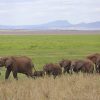
Tarangire National Park is often the perfect introduction to safari for children. Located a few hours from Arusha, it is typically one of the first stops after flying in from Zanzibar. The park is famous for its large elephant herds, and seeing dozens of elephants walking together leaves a lasting impression on young travelers.
The landscape is open and dotted with ancient baobab trees. These massive trees fascinate children because of their unusual shapes and enormous trunks. Wildlife viewing in Tarangire is relatively straightforward. Animals gather along the Tarangire River, especially during the dry season, making sightings frequent and rewarding.
Children can expect to see elephants, giraffes, zebras, wildebeest, and various antelope species. Lions are present, and while sightings depend on timing, guides know where to look. Because wildlife is concentrated in specific areas, game drives do not require constant long-distance travel. This helps maintain children’s interest and reduces fatigue.
Tarangire is also less crowded than other parks, creating a calm atmosphere. Fewer vehicles around sightings means a more relaxed experience for families. For younger children, especially, this park offers excitement without overwhelming activity.
Lake Manyara National Park, Compact and Diverse
Lake Manyara National Park is a smaller park but incredibly diverse. Its compact size makes it ideal for families who prefer shorter drives. The park is known for its groundwater forest, open plains, and the alkaline lake that attracts thousands of flamingos during certain seasons.
One of the highlights for children is the possibility of seeing tree-climbing lions. While sightings are never guaranteed, the idea alone captures children’s imagination. The park also has large troops of baboons near the entrance, which are almost always seen. Watching their social interactions can be both entertaining and educational.
Lake Manyara offers a variety of ecosystems within a small area. This means children can experience forest wildlife, lakeside birds, and open savannah species all in one day. Because the park can often be explored in a single full day, it works well within shorter safari packages from Zanzibar.
The diversity keeps children engaged. From monkeys swinging in trees to hippos resting in pools, there is constant visual interest.
Ngorongoro Crater, Wildlife in One Natural Arena
Ngorongoro Crater provides one of the most unique safari experiences in Africa. The crater is a vast volcanic caldera filled with wildlife, creating a natural enclosure where animals remain year-round. For families, this means high chances of seeing multiple species within a single day.
Descending into the crater feels dramatic and exciting, especially for older children. Once on the crater floor, wildlife viewing is concentrated. Lions, elephants, buffalo, zebras, and hippos are commonly seen. The crater is also one of the best places in Tanzania to potentially spot a black rhino.
Because wildlife density is high, children do not need to endure long hours of searching. Animals are often visible within short distances of each other. This continuous action helps maintain excitement and attention.
The scenery itself is breathtaking. Open grasslands stretch across the crater floor, with a soda lake in the center often filled with flamingos. The dramatic setting adds a sense of adventure that children remember long after the trip ends.
Serengeti National Park, The Ultimate Wildlife Classroom
Serengeti National Park is the most famous safari destination in Tanzania and delivers unforgettable wildlife experiences for families. While larger and requiring more travel time, it rewards visitors with unmatched biodiversity and open plains that make animal spotting easier.
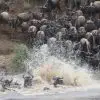
For children, the Serengeti feels like stepping into a wildlife documentary. Large herds of wildebeest and zebras move across the plains. Predators such as lions, cheetahs, and leopards roam the landscape. If visiting during the Great Migration, families may witness dramatic river crossings or massive grazing herds stretching to the horizon.
Because distances in the Serengeti can be greater, family itineraries usually include at least two nights here. This allows children to settle into one lodge and avoid constant packing and unpacking. With proper pacing, the Serengeti becomes an immersive learning experience rather than an exhausting journey.
The open plains are especially helpful for young wildlife spotters. Unlike dense forests, animals are easier to see from a distance. Guides often turn game drives into educational storytelling sessions, explaining predator behavior, migration cycles, and ecosystem balance in ways children can understand.
Which Parks Work Best for Different Ages
For toddlers and very young children, Tarangire and Lake Manyara are often sufficient. They provide exciting sightings without extremely long travel days. For children aged five and above, adding Ngorongoro enhances the experience because of its concentrated wildlife. Older children and teenagers can fully appreciate the scale and drama of the Serengeti, especially during migration season.
Combining two to four of these parks creates a balanced itinerary. Starting with closer parks and gradually moving to more expansive landscapes helps children adjust to the safari rhythm. When well planned, each park adds something unique without repeating the same experience.
By choosing the right combination of destinations, a family safari from Zanzibar becomes dynamic and engaging. Instead of long, quiet drives, children experience consistent wildlife action, varied landscapes, and memorable encounters that keep their curiosity alive from start to finish.
Best Family Safari Packages from Zanzibar: What Works for Different Ages
Not all family safaris are created equal. The ideal itinerary depends heavily on the ages of the children, their energy levels, and how much wildlife exposure the family wants in one trip. Departing from Zanzibar, families benefit enormously from carefully arranged fly-in safari options that minimize travel time and maximize wildlife viewing. With the right planning and operator, a family safari becomes comfortable, engaging, and truly memorable.
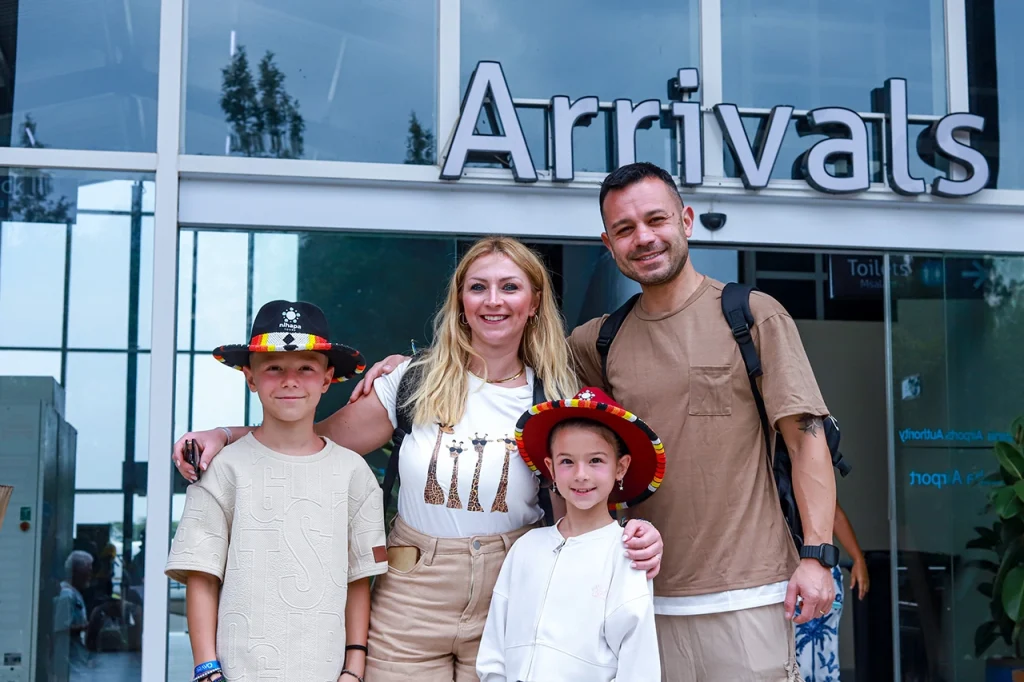
At Nihapa Tours, every family safari package is designed with kids in mind. Nihapa’s guides specialize in child-friendly experiences, adjusting the pace of game drives, scheduling rest periods, and incorporating educational components that make each safari day both exciting and easy for young travelers.
Safari Packages for Toddlers (Ages 2–4)
Traveling with toddlers requires careful pacing. Long drives, early mornings, and constant transitions can quickly exhaust little ones. For this age group, a 3-day or 4-day safari package organized by Nihapa Tours from Zanzibar is often ideal. Direct domestic flights from Zanzibar to Arusha reduce travel fatigue and allow families to begin their safari with minimal road time.
Nihapa Tours typically designs these short safaris to include Tarangire National Park and Ngorongoro Crater. Tarangire’s elephant herds and gentle plains provide frequent sightings without long game drives, while Ngorongoro’s enclosed crater concentrates wildlife in a compact area. For toddlers, these settings create engaging experiences without long days in the vehicle.
Nihapa guides ensure game drives are purposeful yet relaxed, offering frequent stops for snacks, photos, and short stretches. Lodges selected by Nihapa often feature family suites and swimming areas, giving toddlers safe zones to unwind between adventures.
Safari Packages for Young Children (Ages 5–10)
Children between the ages of five and ten are naturally curious and often develop a real interest in animals, ecosystems, and safari culture. For this age group, a 4- to 6-day family safari package from Zanzibar with Nihapa Tours strikes the right balance between adventure and comfort.
These packages usually combine Lake Manyara, Tarangire, Ngorongoro, and up to two nights in Serengeti National Park. Lake Manyara’s diversity introduces children to forest wildlife and flamingos, while Tarangire’s elephants and Ngorongoro’s crater floor deliver diverse sightings. A couple of nights in the Serengeti immerse kids in classic savannah landscapes, where herds of zebras and wildebeest roam, and predators can be observed safely from a distance.
Nihapa Tours builds in rest periods and kid-friendly activities. Guides trained in working with families provide fun, age-appropriate explanations about predator-prey behavior, tracking animal footprints, and understanding seasonal patterns. This transforms the safari from simple sightseeing into an interactive learning journey.
Safari Packages for Pre-Teens and Teenagers (Ages 10+)
Older children and teenagers are capable of handling longer drives and more immersive experiences. For them, a 6- to 8-day safari itinerary from Zanzibar arranged by Nihapa Tours creates a deeper wildlife adventure and educational experience.
In this age group, longer stays in the Serengeti pay off. The expansive plains provide prime opportunities to witness predator dynamics, wide-open horizons, and, if timed correctly, parts of the Great Migration. Teens often enjoy the thrill of spotting lions, cheetahs, and herds crossing riverine systems. Nihapa’s guides shape game drives to include deeper insights into conservation issues, animal behavior, and ecosystem balance, enhancing the educational value of each game drive.
Teenagers can also appreciate cultural components included in Nihapa’s packages, such as village visits, conservation center tours, and discussions about local traditions. These elements give context to wildlife encounters and deepen their understanding of Tanzania’s biodiversity.
Choosing the Right Duration from Zanzibar
When starting from Zanzibar, the duration of a family safari becomes a major planning consideration:
A 3-day safari is perfect for families with limited time or very young children who need short drives and plenty of breaks.
A 5-day safari provides a well-rounded wildlife experience across multiple parks without overwhelming younger children.
A 7-day or longer safari is ideal for families with older kids or teens seeking a deeper exploration of ecosystems and wildlife phenomena.
Nihapa Tours offers flexible packages at each of these levels. Their expert planners work with families to determine the best duration based on children’s ages, interests, and tolerance for travel.
Customization Is Key
The most successful family safari experiences are tailored, not one-size-fits-all. Nihapa Tours customizes every itinerary to include proper pacing, private vehicles, child-appropriate safari durations, and lodge selections suited to family needs.
Families traveling from Zanzibar appreciate that Nihapa takes care of all logistics, including domestic flights, airport transfers, safari permits, and park fees. This allows parents to focus on enjoying wildlife encounters and cultural experiences while children remain comfortable and engaged.
A well-designed family safari from Zanzibar doesn’t just show animals; it tells a story that children can follow, understand, and remember. With the right guidance, expert planning, and a focus on family needs, every day becomes an opportunity for discovery, learning, and shared memories.
Fly-In Safaris vs Road Transfers: What’s Best for Kids?
When planning a family safari from Zanzibar, one of the most important decisions parents face is whether to choose a fly-in safari or rely on road transfers from mainland Tanzania. The choice significantly affects comfort, travel time, energy levels, and overall experience for children. While both options are possible, families traveling with kids often find that fly-in safaris offer major advantages, especially when time and convenience matter.
For families starting in Zanzibar, domestic flights connect the island directly to Arusha or to airstrips near major parks like the Serengeti. These flights typically take around one hour. Compared to long overland drives that can stretch for several hours on varying road conditions, the time saved is substantial. Children arrive fresher, less restless, and more excited for wildlife encounters rather than exhausted from travel.
Road transfers from Arusha to parks such as Tarangire or Ngorongoro are manageable and scenic, but extending those drives to reach the Serengeti can require long travel days. For adults, this may be part of the adventure. For children, especially younger ones, extended road time can lead to fatigue and reduced enthusiasm during game drives.
Why Fly-In Safaris Work Better for Most Families
Fly-in safaris minimize transitions. After landing from Zanzibar, families are met at the airstrip and transferred directly to their lodge or camp. This smooth handover allows children to settle quickly and begin their safari experience without unnecessary delays.
Another benefit of flying is that it reduces the number of overnight stops required during longer itineraries. Instead of breaking up long journeys with transit accommodations, families can maximize time in the parks themselves. More time inside wildlife areas means more meaningful sightings and less time commuting.
Fly-in safaris also create a sense of excitement. For children, boarding a small safari aircraft and landing on a remote airstrip surrounded by savannah feels adventurous in itself. It becomes part of the story of the journey rather than a tiring necessity.
When Road Transfers Can Still Work
Road transfers are not without value. For shorter distances, such as traveling from Arusha to Tarangire or Ngorongoro, driving allows families to experience changing landscapes and local villages along the way. Some children enjoy seeing rural Tanzania, farms, and roadside markets as part of the broader cultural experience.
Road travel also allows for flexible stops, which can be helpful when children need bathroom breaks or quick stretches. In private safari vehicles, families maintain control over pacing, making shorter road transfers comfortable and manageable.
For budget-conscious families, combining one short domestic flight with limited road transfers may offer a practical middle ground.
What Nihapa Tours Recommends for Families
Nihapa Tours generally recommends fly-in safari options for families traveling from Zanzibar, particularly when visiting the Serengeti. By reducing lengthy road travel, children conserve energy for wildlife viewing. This approach also helps families maintain a relaxed rhythm throughout the safari.
Nihapa Tours carefully coordinates domestic flights, airport transfers, and private safari vehicles to ensure seamless connections. Their family-focused planning considers children’s ages, travel tolerance, and preferred pace. For example, families with toddlers may benefit from flying into Arusha and focusing on nearby parks, while families with older children can fly directly into the Serengeti to maximize wildlife immersion.
The company also arranges private vehicles for all family safaris. This allows parents to decide when to pause, how long to remain at sightings, and when to return to the lodge. That flexibility becomes especially valuable when children need adjustments during the day.
Comfort, Safety, and Peace of Mind
Safety is naturally a top priority for parents. Domestic safari flights within Tanzania operate under strict aviation regulations, and reputable operators coordinate trusted carriers. Road transfers are conducted in well-maintained 4×4 vehicles driven by experienced guides familiar with terrain and park regulations.
By planning fly-in safaris combined with carefully selected short road transfers, families experience the best balance of efficiency and exploration. Less time commuting means more time learning about wildlife, spotting animals, and enjoying lodge facilities.
The Best Option Depends on Your Family
Ultimately, the right choice depends on your children’s ages, the length of your safari, and your overall schedule in Zanzibar. Families staying longer on safari may find that a combination of flying and driving creates a well-rounded experience. Shorter itineraries benefit significantly from flying, as every saved hour becomes valuable wildlife time.
For most families departing from Zanzibar, fly-in safaris offer the smoothest and most child-friendly approach. They reduce fatigue, increase comfort, and allow children to engage fully in the adventure. With careful coordination and expert planning, the journey becomes part of the excitement rather than an obstacle.
How to Choose Lodges and Camps That Are Great for Families
Selecting the right accommodation can make or break a family safari from Zanzibar. While wildlife is the highlight of any safari, the comfort, safety, and atmosphere of the lodge play an equally important role, especially when traveling with children. After early morning game drives and exciting wildlife encounters, families need a place where kids can relax, recharge, and feel at ease.
Not every safari camp is suitable for families. Some properties are designed primarily for honeymooners or adult travelers seeking seclusion and quiet. When planning a safari with children, it is essential to choose lodges that actively welcome families and provide the facilities needed to support them.
Space and Room Configuration Matter
The first factor to consider is room layout. Family suites, interconnecting rooms, or spacious tents designed for multiple occupants provide privacy for parents while keeping children close. Cramped standard rooms may not offer enough flexibility, especially on multi-day safaris.
Family-friendly lodges typically offer larger accommodations with proper bedding arrangements for children. Some properties include separate sleeping areas within the same unit, allowing parents to maintain comfort while ensuring younger children feel secure.
When organizing family safaris from Zanzibar, Nihapa Tours prioritizes lodges that provide these room configurations. Proper planning ensures families avoid last-minute surprises or uncomfortable sleeping arrangements.
Safety and Environment
Safety is naturally the top priority for parents. Safari lodges are often located in or near wildlife areas, so understanding the property layout is essential. Family-friendly camps provide clear safety briefings, secure walking paths, and staff escorts when needed after dark.
Properties with fenced perimeters or well-monitored grounds can offer additional reassurance for families with younger children. While safari camps maintain authentic bush settings, responsible management ensures guests understand when and where it is safe to move around.
Parents should also look for lodges with attentive staff who understand how to interact with children. A welcoming environment where children feel comfortable asking questions or engaging with guides enhances the overall experience.
Amenities That Keep Kids Engaged
After a morning game drive, children often need time to unwind. Lodges with swimming pools provide an ideal outlet for energy. A pool session in the afternoon allows kids to relax while parents enjoy downtime.
Some properties also offer simple educational activities such as wildlife talks, nature interpretation sessions, or guided learning walks in safe areas. These experiences transform downtime into meaningful engagement. Children begin to understand animal behavior, ecosystems, and conservation efforts more interactively.
Dining flexibility is another important consideration. Kid-friendly meal options, flexible dining times, and accommodating chefs help maintain routine and comfort. Safari days can vary in schedule, so flexibility ensures children eat when they are ready rather than waiting through long formal dining services.
Location Within the Park
The location of the lodge influences the daily rhythm of a family safari. Staying inside or close to a park reduces travel time to wildlife areas. This is especially important for younger children who may struggle with early departures followed by long drives before seeing animals.
In destinations like Serengeti National Park or Ngorongoro Crater, choosing strategically located camps allows families to maximize wildlife viewing without exhausting travel schedules. Shorter transfer times mean children can enjoy exciting sightings earlier in the day when they are most alert.
Balancing Authenticity and Comfort
Many parents want their children to experience the magic of sleeping in a tented camp while still maintaining modern comforts. Fortunately, Tanzania offers luxury tented camps that combine authentic safari atmosphere with comfortable beds, private bathrooms, and secure structures.
For families, this balance is ideal. Children feel immersed in the bush environment while parents retain the reassurance of proper facilities. Hearing distant wildlife at night from a safe, comfortable tent becomes part of the adventure rather than a concern.
Why Expert Planning Makes a Difference
Choosing the right lodge is not simply about selecting a well-known property. It involves understanding park logistics, seasonal wildlife movements, and how daily travel distances affect children’s energy levels.
Nihapa Tours works closely with carefully vetted family-friendly lodges to ensure each property aligns with the needs of traveling families. From room arrangements to dietary considerations and activity planning, attention to detail ensures that accommodations enhance rather than complicate the safari experience.
Creating a Home Base in the Wild
For children, the lodge becomes their temporary home in Africa. When they feel safe, comfortable, and engaged, they approach each game drive with renewed excitement. When accommodations are poorly suited to families, fatigue and discomfort can overshadow the adventure.
The right lodge transforms a safari from a simple wildlife tour into a balanced family journey. It offers rest after adventure, comfort after exploration, and space for reflection after thrilling sightings. By choosing carefully and working with experienced planners, families traveling from Zanzibar can ensure that their safari accommodations support every member of the group.
Best 3, 5, and 7-Day Family Safari Itineraries from Zanzibar
Choosing the right itinerary length is one of the most important decisions when planning a family safari from Zanzibar. The duration affects pace, wildlife variety, travel comfort, and how engaged children remain throughout the journey. Some families prefer a short and exciting introduction to safari life, while others want a deeper exploration of Tanzania’s iconic parks.
Below are three well-structured itinerary styles that work especially well for families, balancing wildlife viewing, rest time, and manageable travel distances.
3-Day Family Safari from Zanzibar, A Perfect Introduction
A three-day safari is ideal for families with limited time, younger children, or those who want to combine a short wildlife experience with a longer beach stay in Zanzibar.
The journey typically begins with a morning domestic flight from Zanzibar to Arusha. Upon arrival, families meet their private guide and travel to Tarangire National Park. Tarangire is an excellent starting point because wildlife is often easy to spot. Large elephant herds, giraffes, zebras, and various antelope species provide immediate excitement for children. The open landscape allows for clear viewing, which helps maintain attention during game drives.
On the second day, families explore Ngorongoro Crater. Descending into the crater feels like entering a natural wildlife arena. Because animals remain within the caldera year-round, sightings are frequent and varied. Lions, buffalo, hippos, and sometimes even black rhinos can be seen within relatively short driving distances. This concentrated wildlife experience works particularly well for children who may struggle with long search periods.
On the third day, families return to Arusha for their flight back to Zanzibar. The short duration ensures children stay energized while still experiencing Tanzania’s most iconic wildlife environments.
This itinerary is best suited for toddlers and younger children, as it minimizes park changes and long travel days while still delivering memorable encounters.
5-Day Family Safari from Zanzibar, Balanced and Engaging
A five-day itinerary provides more depth and variety without overwhelming children. It allows families to include additional parks while maintaining a comfortable pace.
After flying from Zanzibar, the first day often includes Tarangire. On the second day, families may visit Lake Manyara National Park, a smaller but diverse park known for its forests, flamingos, and lively baboon troops near the entrance. The variety of habitats keeps children visually engaged and curious.
Days three and four are typically spent in Serengeti National Park. Two nights in the Serengeti allow children to settle into one lodge rather than constantly moving. The vast plains offer opportunities to see herds of wildebeest, zebras, and predators such as lions and cheetahs. If timed well, families may witness part of the Great Migration.
The fifth day often includes a visit to Ngorongoro Crater before returning to Arusha and flying back to Zanzibar. This structure ensures children experience both expansive savannah landscapes and concentrated wildlife areas.
A five-day safari is particularly suitable for families with children aged five to ten. It provides variety, excitement, and educational opportunities while maintaining enough rest time at lodges to avoid fatigue.
7-Day Family Safari from Zanzibar, Immersive Wildlife Adventure
For families with older children or teenagers, a seven-day safari creates a richer and more immersive experience. The extended timeframe allows for deeper exploration of ecosystems, relaxed game drives, and meaningful cultural interactions.
The journey typically begins with Tarangire and Lake Manyara, offering gentle introductions to safari life. From there, families travel to the Serengeti for three nights instead of two. This extended stay increases the likelihood of observing predator behavior, large grazing herds, and dynamic wildlife interactions. Teenagers especially appreciate the scale and drama of the Serengeti landscape.
After time in the Serengeti, a full day in Ngorongoro Crater offers one of the most wildlife-dense environments in Africa. The contrast between open plains and crater floor ecosystems gives children a broader understanding of Tanzania’s biodiversity.
Some seven-day itineraries also include optional cultural experiences, such as visiting local communities near the conservation areas. These visits provide context to wildlife conservation and introduce children to traditional lifestyles respectfully and educationally.
The longer duration allows for shorter daily game drives and more flexibility. Families can return to camp earlier if children are tired or extend a drive if wildlife activity is high. This flexibility is one of the main advantages of a well-planned seven-day safari.
Choosing the Right Itinerary for Your Family
The best itinerary depends on your children’s ages, attention span, and overall travel schedule in Zanzibar.
A three-day safari delivers excitement without overexertion. A five-day safari offers balance and diversity. A seven-day safari creates a deeper connection to wildlife and landscape.
Experienced planners like Nihapa Tours tailor these itineraries to match each family’s needs. From coordinating domestic flights to selecting strategically located lodges and pacing daily activities, professional planning ensures that every safari day feels adventurous yet manageable.
When structured thoughtfully, a family safari from Zanzibar becomes more than a trip. It becomes a shared journey of discovery, learning, and connection, one that children remember long after returning home.
Costs of a Family Safari from Zanzibar, What to Expect, and How to Plan
Understanding the cost of a family safari from Zanzibar is essential for realistic planning. Prices vary depending on travel season, park selection, accommodation level, number of travel days, and whether flights are included. While safari travel in Tanzania is a premium experience due to park fees and logistics, proper planning ensures families receive strong value for their investment.
When departing from Zanzibar, costs typically include domestic flights, private safari vehicles, professional guides, park entry fees, crater service fees where applicable, accommodation, meals, and transfers. The largest cost components are park fees and accommodation, particularly in high-demand areas such as Serengeti National Park and Ngorongoro Crater.
What Influences the Overall Price
Season plays a major role in safari pricing. Tanzania has peak travel months when wildlife viewing conditions are optimal and international demand is high. During these periods, lodge rates increase and flight availability becomes more limited. Traveling in shoulder seasons can reduce accommodation costs while still offering strong wildlife experiences.
Accommodation category is another major factor. Mid-range lodges offer comfortable rooms, full board meals, and good service at a moderate cost. Luxury camps provide larger suites, premium amenities, and highly personalized service, increasing the nightly rate. Families often find that upper mid-range properties offer the best balance between comfort and value.
The number of parks included also impacts the budget. Each park has its own entry fee. For example, multi-park itineraries covering Tarangire, Lake Manyara, Serengeti, and Ngorongoro will naturally cost more than shorter trips focusing on just two areas. However, the added diversity often justifies the difference for families wanting a fuller experience.
Estimated Budget Ranges for Families
A 3-day family safari from Zanzibar generally falls within a moderate range per person, depending on lodge category and flight costs. Because the duration is shorter, total expenses remain more manageable. This option works well for families seeking a wildlife introduction without a major financial commitment.
A 5-day safari increases the budget due to additional nights and park fees, especially if including the Serengeti. However, it offers broader wildlife exposure and better pacing for children.
A 7-day safari represents a deeper investment but delivers an immersive experience with extended time in key parks. Longer stays in the Serengeti increase accommodation costs, yet they also improve the chances of witnessing exceptional wildlife moments.
Domestic flights from Zanzibar to Arusha or Serengeti airstrips add to the cost but significantly reduce travel fatigue. For families traveling with children, this convenience often outweighs the additional expense.
Hidden Costs Families Should Consider
Beyond the base package price, families should budget for travel insurance, international flights to Zanzibar, gratuities for guides and lodge staff, and optional activities such as hot air balloon safaris. Souvenirs and cultural visits may also carry additional small fees.
Choosing a reputable safari operator helps prevent unexpected charges. Clear communication about inclusions and exclusions ensures families understand exactly what is covered in the package price.
Value Beyond the Price
While safari travel is not inexpensive, it offers a rare educational and emotional experience. Children witness wildlife in natural habitats rather than in controlled environments. They learn about conservation, ecosystems, and cultural diversity firsthand. These experiences carry long-term value that goes far beyond the financial investment.
Professional planning also ensures efficient use of time and resources. Nihapa Tours structures family packages to balance comfort, wildlife access, and cost efficiency. By coordinating domestic flights, private vehicles, park permits, and lodge reservations in advance, they help families avoid unnecessary expenses while maintaining high standards.
How to Maximize Your Budget
Booking in advance secures better lodge availability and flight options. Traveling during shoulder seasons can offer improved rates without sacrificing wildlife quality. Selecting mid-range lodges with family suites often provides strong comfort at a more accessible price point compared to high-end luxury camps.
Families can also consider slightly shorter itineraries combined with extended beach time in Zanzibar. This approach balances cost while still delivering a meaningful safari experience.
Ultimately, the cost of a family safari from Zanzibar reflects the complexity of operating within protected wildlife areas and the high level of service required. With careful planning, families can align their budget with their expectations and create an experience that feels both worthwhile and unforgettable.
Best Time of Year for a Family Safari from Zanzibar
Choosing the best time of year for a family safari from Zanzibar can significantly influence wildlife sightings, weather comfort, travel costs, and overall enjoyment for children. Tanzania offers excellent safari experiences year-round, but certain seasons are better suited for families depending on priorities such as migration viewing, dry weather, or quieter parks.
Understanding seasonal patterns helps parents plan a safari that aligns with school holidays, family schedules, and children’s comfort levels.
Dry Season, Ideal for Wildlife Viewing
The dry season, generally from June through October, is widely considered the best time for safari in northern Tanzania. During these months, vegetation is thinner, and animals gather around permanent water sources, making wildlife easier to spot.
For families visiting Serengeti National Park, this season offers strong chances of seeing large herds and predator activity. Game drives are often productive, meaning children spend less time searching and more time observing animals. The cooler mornings and evenings are also more comfortable for younger travelers.
Road conditions are typically better during the dry months, reducing travel disruptions. This is particularly important when combining parks such as Tarangire National Park and Ngorongoro Crater within a multi-day itinerary.
However, the dry season is also peak travel time. Lodges fill quickly, and prices are higher due to increased demand. Families planning to travel during school holidays should book well in advance to secure preferred accommodations and flight schedules from Zanzibar.
Green Season, Fewer Crowds and Lower Rates
The green season, typically from November to May, with short rains and a longer rainy period in April and May, offers a different but still rewarding safari experience. Landscapes become lush and vibrant, creating beautiful photographic conditions.
Wildlife remains present year-round, and many animals give birth during this period, which can be fascinating for children. Baby animals in the plains often capture young travelers’ attention and create meaningful learning moments about life cycles in nature.
Parks are generally less crowded, allowing for more relaxed wildlife viewing. Families may enjoy lower accommodation rates and greater lodge availability. For those seeking value without sacrificing experience, the shoulder months of January, February, and early March can provide a strong balance.
Rain showers are usually short and followed by sunshine, though April and May may experience heavier rainfall that can affect road conditions in some areas. Families with very young children may prefer to avoid peak rainy months to reduce unpredictability.
The Great Migration Timing
Many families are especially interested in witnessing part of the Great Migration in the Serengeti. The migration is a year-round movement of wildebeest and zebras across the ecosystem, but specific highlights occur at different times.
River crossings typically occur between July and October in the northern Serengeti, offering dramatic scenes that older children and teenagers may find thrilling. Calving season generally takes place between January and March in the southern Serengeti, when thousands of wildebeest calves are born. This period is calmer and often fascinating for younger children.
Timing a safari around migration events requires careful planning, as herd movements depend on rainfall patterns. Experienced planners monitor these seasonal shifts to recommend the most appropriate locations.
Zanzibar Weather Considerations
Because families begin or end their safari in Zanzibar, the weather on the island also matters. The dry season provides ideal beach conditions with calm seas and clear skies. This allows children to enjoy swimming and relaxation after their safari adventure.
During the green season, Zanzibar remains warm, but occasional rains may interrupt beach time. Families combining bush and beach experiences should consider how seasonal weather impacts both parts of the trip.
Matching Season to Your Family
For families with school-age children traveling during summer holidays, the dry season offers reliable wildlife viewing and comfortable temperatures. Families with flexible schedules may find greater value and fewer crowds during shoulder months.
Ultimately, Tanzania offers rewarding safari opportunities throughout the year. The key is aligning travel dates with family priorities, children’s ages, and desired wildlife experiences.
Operators such as Nihapa Tours help families select the best travel window based on migration patterns, weather conditions, and lodge availability. With thoughtful timing, a family safari from Zanzibar becomes both comfortable and unforgettable, regardless of the month of travel.

Plan Your Trip to Tanzania
Chat with a local specialist who can help organize your trip.
Safety Tips for Families on Safari
Safety is often the first concern parents have when planning a family safari from Zanzibar. The idea of traveling through wildlife areas may seem intimidating at first. In reality, safaris in Tanzania are highly regulated, professionally guided, and structured to prioritize guest protection at every stage. When proper precautions are followed and experienced operators manage logistics, a family safari becomes a secure and well-organized adventure.
Understanding how safari safety works helps parents feel confident and prepared before departure.
Safety During Game Drives
Game drives are conducted in specially designed 4×4 vehicles with elevated seating and open viewing roofs. Guests remain inside the vehicle while animals roam freely in their natural habitat. Wildlife generally perceives the vehicle as a single non-threatening object, which is why animals can often be observed at close range without disturbance.
Children must remain seated and avoid sudden movements or loud noises during sightings. Guides provide clear instructions at the beginning of each safari, explaining how to behave around wildlife. Following these simple rules ensures a calm and safe experience.
Professional guides are trained to read animal behavior. They understand when it is safe to remain at a sighting and when to maintain distance. In parks such as Serengeti National Park and Ngorongoro Crater, strict regulations govern vehicle movement and wildlife interaction, further enhancing safety.
Lodge and Camp Safety
Safari lodges and tented camps are designed with guest safety in mind. Upon arrival, families receive a briefing explaining property guidelines. Because camps are located in wildlife areas, guests are often escorted by staff after dark to and from dining areas. This precaution is standard practice and ensures secure movement within campgrounds.
Parents should explain basic safety rules to children, such as not wandering alone and always staying close to adults. While wildlife occasionally passes near camps, trained staff monitor activity and respond appropriately. These camps operate with years of experience hosting families safely.
When selecting accommodations, choosing properties known for welcoming families is important. Operators such as Nihapa Tours carefully vet lodges to ensure they meet safety standards and are suitable for children of different ages.
Health Considerations
Health preparation is another important component of safari safety. Families should consult their healthcare provider before travel to discuss recommended vaccinations and malaria prevention based on current guidelines. Using insect repellent, wearing long sleeves during evenings, and sleeping under provided mosquito nets are effective preventive measures.
Hydration is essential, particularly during warmer months. Safari vehicles carry drinking water, and lodges provide filtered or bottled water for guests. Sunscreen, hats, and lightweight protective clothing help prevent sunburn during game drives.
Travel insurance covering medical evacuation is strongly recommended for all safari travelers. While serious incidents are rare, comprehensive insurance provides peace of mind in remote areas.
Air Travel Safety from Zanzibar
Domestic flights connecting Zanzibar to mainland Tanzania operate under regulated aviation standards. Aircraft used for safari routes are piloted by experienced crews familiar with local conditions. Flights are typically short, reducing fatigue for children while maintaining safety and reliability.
Coordinated scheduling ensures smooth transfers between airstrips and lodges. Families are met upon arrival and assisted through each transition point, minimizing confusion or stress.
Teaching Children Safari Awareness
A safari is also an opportunity to teach children about respect for nature. Explaining why certain rules exist helps them understand the importance of wildlife conservation and safe behavior. Children who feel informed and involved are more likely to follow guidelines responsibly.
Encouraging quiet observation, patience, and respect for animals transforms safety rules into part of the learning experience. Rather than limiting adventure, these practices enhance the authenticity of the journey.
Peace of Mind Through Professional Planning
The most effective way to ensure safety on a family safari from Zanzibar is to work with experienced planners who manage every logistical detail. Coordinated transport, trusted guides, reputable lodges, and structured itineraries reduce risk and allow families to focus on enjoyment.
When safety protocols are followed, Tanzania’s national parks offer a secure and well-managed environment for families. With preparation, awareness, and professional guidance, parents can relax knowing their children are exploring one of the world’s most remarkable wildlife destinations in a responsible and protected setting.
What to Pack for a Family Safari from Zanzibar
Packing for a family safari from Zanzibar requires careful planning. The goal is to balance comfort, safety, and convenience while ensuring children and parents have everything needed for bush and beach experiences. Unlike regular holidays, safaris involve early mornings, long game drives, and varying weather conditions. Preparing thoughtfully prevents stress, avoids unnecessary purchases on the road, and ensures the family enjoys each moment.
Clothing Essentials
Lightweight, breathable clothing is ideal for daytime game drives. Neutral colors such as khaki, beige, or olive are recommended because they blend with the environment and reduce attention from wildlife. Bright colors can startle animals and are best avoided.
Long-sleeved shirts and trousers help protect against sunburn and insect bites, particularly during evenings. Layering is essential: mornings and evenings in the bush can be cool, while midday temperatures can rise sharply. A light fleece or jacket for children ensures comfort during early departures.
Comfortable closed shoes are necessary for walking around camps or short nature walks. Sandals or water shoes can be packed for Zanzibar beach days, allowing children to play safely in the sand and shallow water.
Sun and Insect Protection
The African sun is intense. Hats with wide brims, sunglasses with UV protection, and high-SPF sunscreen are must-haves. Sunscreen should be applied liberally before and during game drives, especially for young children whose skin is more sensitive.
Insect repellent is equally important. Mosquitoes are common, particularly in the evenings near water sources. Families should pack child-safe repellents, and lodges usually provide mosquito nets in tents or rooms for additional protection.
Travel and Safari Gear
Binoculars can enhance wildlife viewing for older children, allowing them to spot distant animals without leaning out of vehicles. Compact cameras or smartphones with zoom capabilities capture memories without heavy equipment.
Daypacks for children are useful for carrying water bottles, snacks, and personal items during game drives. Reusable water bottles help maintain hydration throughout the day.
Optional items include lightweight flashlights for night use, small first-aid kits for minor scrapes or insect bites, and travel pillows for domestic flights. Keeping packing compact yet organized ensures that families can move efficiently between Zanzibar and safari lodges.
Health and Hygiene Items
Basic medications for children, including fever reducers, anti-allergy treatments, or any prescribed drugs, should be included. Hand sanitizer and wet wipes are practical for maintaining hygiene during long drives or stops in remote areas.
Travel insurance documents, identification, and copies of important travel documents should be carried safely but remain accessible. Many lodges and guides can assist in emergencies, but preparation provides peace of mind.
Beach and Leisure Items for Zanzibar
After the safari, families can enjoy Zanzibar’s beaches. Swimsuits, towels, and lightweight cover-ups are essential. Snorkeling gear, water shoes, and inflatable floats may enhance children’s enjoyment of shallow waters.
For parents, a small beach bag to carry essentials for the day allows children to stay safe and comfortable while exploring. Sunscreen reapplication, shade, and hydration remain priorities even after safari days.
Packing Smart for Comfort and Convenience
When packing for a family safari, less is often more. Choose multi-use clothing and limit heavy luggage. Many safari lodges provide laundry services, allowing families to reuse items without overpacking.
Zanzibar transfers and domestic flights require luggage that is manageable for handling at airports and airstrips. Soft-sided bags or duffel bags are preferred over hard suitcases for ease of transport.
Nihapa Tours Recommendations
Nihapa Tours provides families with detailed packing guides tailored to the season and itinerary. These guides specify what to bring for both safari and Zanzibar beach segments, ensuring families are neither underprepared nor overpacked.
Additionally, Nihapa Tours can advise on luggage limits for domestic flights, appropriate clothing for different parks, and items that may not be available locally. This professional guidance helps parents focus on the experience rather than worrying about forgotten essentials.
Final Tips
Parents should involve children in packing, allowing them to choose comfort items while ensuring practicality. Labeling belongings prevents loss during transfers, and keeping essential items accessible in carry-on bags makes the journey smoother.
With careful preparation, packing becomes part of the adventure rather than a chore. Children arrive ready for wildlife discovery and beach relaxation, ensuring that every day of the safari and Zanzibar stay is enjoyable, comfortable, and safe.
Plan Your Trip to Tanzania
Chat with a local specialist who can help organize your trip.
Domestic Flights and Safari Transfers
Seamless transportation is critical when planning a family safari from Zanzibar. Families travel between the island and mainland Tanzania, then between parks and lodges, often covering long distances across varying terrain. Efficient logistics reduce fatigue, maximize time for wildlife viewing, and ensure a stress-free experience, especially for children.
Working with an experienced operator helps families coordinate flights, transfers, and game drive schedules. Nihapa Tours specializes in organizing all transportation details to make travel smooth, safe, and comfortable.
Domestic Flights from Zanzibar
The majority of family safaris from Zanzibar begin with a domestic flight to Arusha or directly to airstrips near safari parks. Flights are typically one hour long, minimizing travel time for children and avoiding lengthy road journeys from the island.
Booking flights in advance ensures availability and allows families to select convenient departure times. Morning flights are popular because they allow families to arrive on the mainland and begin safari activities with minimal delay. Experienced operators can coordinate flight schedules with safari itineraries to avoid long layovers or rushed transfers.
Flights to smaller airstrips within parks, such as in the Serengeti or near Ngorongoro, often use light aircraft. These flights offer aerial views of the landscape, giving children an early glimpse of the wildlife-rich terrain below. While smaller planes may feel less familiar, professional staff provide guidance and ensure safety protocols are clear before takeoff.
Transfers Between Parks and Lodges
Once on the mainland, families typically travel by 4×4 vehicles equipped for safari conditions. These vehicles have elevated seating for optimal wildlife viewing and are designed to handle the rough terrain often encountered on bush roads.
Transfers are managed carefully to balance sightseeing, rest, and comfort. Daily travel distances are planned to prevent exhaustion, particularly for younger children. Stops are included for stretching, refreshments, and brief educational moments about the environment.
Choosing lodges located strategically within parks reduces transfer times, which is particularly important for families. For instance, staying inside or near Tarangire National Park allows families to enjoy early morning game drives without long pre-dawn drives from outside the park.
Safety and Comfort During Transfers
Safety is a primary consideration for all transfers. Vehicles are regularly maintained and equipped with first-aid kits. Drivers are experienced in navigating park roads and responding to wildlife encounters safely. Children are advised to remain seated with seat belts fastened where available.
For longer transfers between parks, comfortable seating, water, and snacks help keep children relaxed. Experienced guides manage pacing, adjusting stops according to the family’s energy levels. This ensures that every journey is part of the adventure rather than a tiring obligation.
Airport and Airstrip Assistance
Families often travel with significant luggage for both safari and beach components. Guides meet guests at airports and airstrips, assisting with luggage handling and providing orientation for the next segment of the trip. This attention to detail minimizes stress and confusion, especially when traveling with young children.
Parents can rely on professional operators to handle permits, luggage transfers, and check-in procedures, allowing them to focus on the family experience rather than logistics.
Combining Domestic Flights and Road Transfers
A typical family safari itinerary might include a flight from Zanzibar to Arusha, followed by road transfers to Tarangire, Lake Manyara, or Serengeti lodges. After the safari portion, families return by road to the airstrip for a short flight back to Zanzibar.
This combination of air and land transport ensures efficient use of time while providing exposure to both scenic landscapes and wildlife. Children enjoy the variety of travel modes, and parents benefit from minimized fatigue.
Nihapa Tours Expertise
Nihapa Tours coordinates all aspects of domestic flights and transfers for families. They select reliable airlines, arrange airport pickups, and plan road transfers to minimize disruption. By managing timing, luggage logistics, and safety, they allow families to concentrate on the safari experience rather than transport challenges.
Proper planning transforms travel segments into part of the adventure. Short flights offer scenic views, and well-managed road transfers provide learning opportunities about Tanzanian landscapes and wildlife. Families emerge from each transfer energized and ready for the next exciting day.
Conservation and Responsible Travel for Families
Family safaris from Zanzibar offer a unique opportunity not only to witness Africa’s iconic wildlife but also to instill values of conservation and responsible travel in children. Tanzania’s national parks and reserves are protected areas, and visiting them responsibly ensures that future generations can enjoy the same rich biodiversity. For families, incorporating conservation awareness into a safari adds educational depth, fostering respect for nature and understanding of ecosystems.
Why Conservation Matters on a Family Safari
Children naturally respond to wildlife encounters with curiosity and wonder. Witnessing elephants, lions, giraffes, and zebras in their natural habitat provides a tangible connection to the environment. It also offers a real-life lesson in the importance of protecting these species and their ecosystems.
Many parks, such as Serengeti National Park and Ngorongoro Crater, operate under strict anti-poaching measures and regulated tourism policies. By choosing responsible operators and following park guidelines, families actively support these conservation efforts.
Children observing wildlife ethically learn about balance in nature. They see predator-prey relationships, social structures in herds, and the interconnectedness of plants and animals. These experiences are difficult to replicate in textbooks or zoos, making safaris a hands-on conservation lesson.
Responsible Travel Practices for Families
Responsible travel begins with choosing operators and accommodations committed to sustainability. Lodges that use solar energy, manage water responsibly, and minimize waste help reduce the ecological footprint of tourism. Families can support these practices by following guidelines such as reusing towels, avoiding single-use plastics, and respecting lodge rules.
During game drives, families should follow the guidance of professional safari guides. Staying inside vehicles, keeping a safe distance from wildlife, and refraining from feeding animals are essential rules that protect both guests and animals. Children quickly learn that respect for wildlife ensures their safety and the well-being of the environment.
Cultural respect is also part of responsible travel. Many safari itineraries pass through or near local villages. Families should approach these visits with curiosity and sensitivity, following guidelines provided by guides, and supporting local communities through responsible purchases or participation in educational activities.
Educational Opportunities on Safari
Guides often provide context about the challenges facing wildlife conservation, such as habitat loss, climate change, and poaching. Older children and teenagers benefit from discussions about ecosystem management and the role of tourism in supporting local conservation projects.
Some lodges and conservation programs offer interactive experiences suitable for children, such as junior ranger activities, wildlife tracking demonstrations, or guided walks with educational commentary. These experiences help children connect emotionally and intellectually with conservation efforts.
Minimizing Environmental Impact
Families can further reduce their impact by traveling with minimal luggage, choosing eco-friendly products, and participating in recycling initiatives where available. Staying on designated paths during walks, avoiding loud noises, and respecting natural habitats contribute to a positive conservation ethic.
Even small actions, such as using refillable water bottles or encouraging children to observe rather than touch wildlife, reinforce a culture of sustainability. Over time, these lessons help children internalize responsible behavior beyond the safari context.
Nihapa Tours’ Role in Responsible Family Safaris
Nihapa Tours designs family safari packages that integrate conservation education and responsible travel practices. From carefully selected lodges to guides trained in eco-friendly operations, every aspect of the safari is structured to minimize environmental impact while maximizing educational value.
By guiding families through ethical safari practices, Nihapa Tours ensures that children leave with a greater understanding of Tanzania’s ecosystems and the importance of protecting them. This approach transforms a safari into a meaningful learning experience, blending adventure, education, and sustainability.
Leaving a Positive Legacy
A family safari can leave a lasting impression on children, shaping their attitudes toward nature, wildlife, and global responsibility. Observing animals safely, participating in conservation-minded activities, and respecting local communities provide practical lessons in ethical travel.
Families returning home carry not only memories of breathtaking landscapes and wildlife encounters but also a deeper appreciation for conservation. This knowledge encourages a lifelong commitment to protecting natural environments, ensuring that future generations can enjoy the same wonders experienced on their safari.
Plan Your Trip to Tanzania
Chat with a local specialist who can help organize your trip.
Conclusion: Creating a Meaningful Family Safari Experience from Zanzibar
Planning a family safari from Zanzibar offers more than just wildlife sightings; it creates a journey filled with learning, adventure, and lasting memories. By combining the thrill of Tanzania’s national parks with the relaxation of Zanzibar’s beaches, families experience a complete African holiday that appeals to all ages.
A successful safari balances excitement, safety, and comfort. Choosing the right season, packing appropriately, coordinating flights and transfers, and following responsible travel practices ensures every family member can enjoy the experience fully. Children gain a firsthand understanding of wildlife, conservation, and local cultures, creating lessons that last a lifetime.
Working with a trusted operator like Nihapa Tours simplifies planning and provides peace of mind. From coordinating domestic flights to selecting family-friendly lodges and structuring child-appropriate activities, professional guidance allows parents to focus on enjoying the adventure with their children.
Ultimately, a family safari from Zanzibar is not just a holiday; it is a meaningful, enriching experience. It fosters curiosity, appreciation for nature, and connection among family members. Every sunrise over the savannah and every sunset on Zanzibar’s beaches becomes part of a story that children and parents will carry with them forever.
By planning thoughtfully, traveling responsibly, and embracing the full diversity of Tanzania’s landscapes and wildlife, families can turn a safari into an unforgettable journey that leaves a positive impact on both the environment and their own lives.