
Planning a Safari from Zanzibar: The Complete Guide
Planning a Safari from Zanzibar is one of the most rewarding ways to experience the true diversity of Tanzania. While Zanzibar is famous for its white sand beaches, turquoise waters, and historic Stone Town, just a short flight away lies a completely different world, vast savannah plains, dramatic volcanic landscapes, and some of the richest wildlife ecosystems in Africa. The ability to move from tropical coastline to iconic safari terrain within hours makes Tanzania uniquely positioned for travelers seeking both relaxation and adventure in one seamless journey.
Many visitors arrive in Zanzibar intending to spend their entire holiday on the island. However, once they discover that Serengeti National Park, Ngorongoro Crater, Tarangire National Park, and Nyerere National Park are easily accessible by domestic flight, the idea of adding a safari becomes irresistible. The combination of beach and bush has become one of the most popular travel patterns in East Africa, particularly for honeymooners, families, and international visitors seeking a comprehensive Tanzanian experience rather than a single-destination holiday.
Planning this extension properly is essential. Flights, park selection, wildlife seasons, accommodation positioning, and transfer coordination all play a role in shaping the final experience. When organized correctly, the transition from Zanzibar to safari feels effortless. When handled poorly, it can feel rushed or overly complicated logistically. This guide explains how to plan a safari from Zanzibar the right way, covering destinations, travel routes, timing, and practical considerations to ensure a smooth and memorable wildlife adventure.
Table of contents
- Planning a Safari from Zanzibar: The Complete Guide
- Why a Safari from Zanzibar Is the Perfect Tanzania Combination
- Can You Really Start a Safari from Zanzibar?
- Best Safari Destinations from Zanzibar
- How Many Days Do You Need for a Safari from Zanzibar?
- Step-by-Step: How to Plan a Safari from Zanzibar the Right Way
- Sample Safari Itineraries from Zanzibar
- What Does a Safari from Zanzibar Cost?
- Domestic Flights and Luggage Guidelines
- Common Mistakes to Avoid When Planning a Safari from Zanzibar
- Final Thoughts on Planning a Safari from Zanzibar
- Read more of our articles
- Did you find this post helpful? Leave a comment .
Why a Safari from Zanzibar Is the Perfect Tanzania Combination
Tanzania stands apart from many destinations because it offers both world-class safari experiences and pristine tropical beaches within the same country. Few places allow travelers to witness the Great Migration, descend into a wildlife-filled volcanic crater, and then unwind beside the Indian Ocean, all in a single trip.
Zanzibar delivers relaxation and cultural depth. Visitors explore the winding alleys of Stone Town, visit spice plantations, snorkel coral reefs, and enjoy oceanfront resorts that range from boutique properties to high-end luxury retreats. It is a setting designed for comfort and recovery.
A safari introduces contrast and intensity. Early morning game drives reveal predators on the move before the heat of the day sets in. Herds of elephants gather near riverbeds. Lions rest in golden grasslands while giraffes move slowly across open horizons. The rhythm of safari life is immersive and guided by nature.
When these two experiences are combined, the result is balance. Travelers can start with the beach to relax after a long international flight, then transition into the excitement of wildlife exploration. Alternatively, they may start with safari and conclude their journey in Zanzibar, allowing the ocean to provide a peaceful finale.
This combination is not only emotionally appealing; it is also practical. Domestic flights connect Zanzibar directly to mainland safari hubs, making the extension manageable within a short timeframe. For many travelers already in Tanzania, adding a safari from Zanzibar is far more efficient than planning a separate wildlife trip elsewhere.
Can You Really Start a Safari from Zanzibar?
Yes, and the process is more straightforward than many first-time visitors expect. Zanzibar International Airport operates regular domestic flights to key safari regions across mainland Tanzania. These connections allow travelers to begin a safari without first returning to an international gateway.
The most efficient option is a direct fly-in safari. Small aircraft operate scheduled routes from Zanzibar to airstrips inside or near major national parks such as Serengeti and Nyerere. Flight times typically range from one hour to one and a half hours. Upon landing, guests are met by their safari guide and begin their game drive almost immediately. This approach maximizes wildlife viewing time and reduces long road transfers.
Another option involves flying from Zanzibar to Arusha, followed by a road transfer to parks such as Tarangire or Ngorongoro Crater. While this method may lower flight costs, it increases driving time. It works well for travelers planning multi-park Northern Circuit itineraries of four or more days.
The choice between these options depends on available time, budget, and travel style. Travelers with limited days often prefer direct bush flights to maximize efficiency. Those with more flexible schedules may choose a combination of flight and road travel to explore multiple parks.
With proper coordination, starting a safari from Zanzibar is seamless. The key lies in aligning flight schedules, park locations, and accommodation logistics to avoid unnecessary repositioning or lost time.
Best Safari Destinations from Zanzibar
Selecting the right destination is crucial when planning a safari extension from Zanzibar. Not all parks are equally practical for short stays, and each offers a distinct wildlife atmosphere.
Serengeti National Park remains the most iconic choice. Known for the Great Wildebeest Migration and expansive plains, it delivers classic African safari imagery. Direct flights from Zanzibar connect to central Serengeti airstrips, making it ideal for three- to four-day fly-in safaris. The vast landscape supports large populations of lions, cheetahs, elephants, and other wildlife throughout the year.
Ngorongoro Crater offers a different experience. As the world’s largest intact volcanic caldera, it contains a dense concentration of wildlife within a relatively compact area. Visitors often combine Serengeti with Ngorongoro for a varied Northern Circuit safari. Access typically involves flying to Arusha and driving to the crater region.
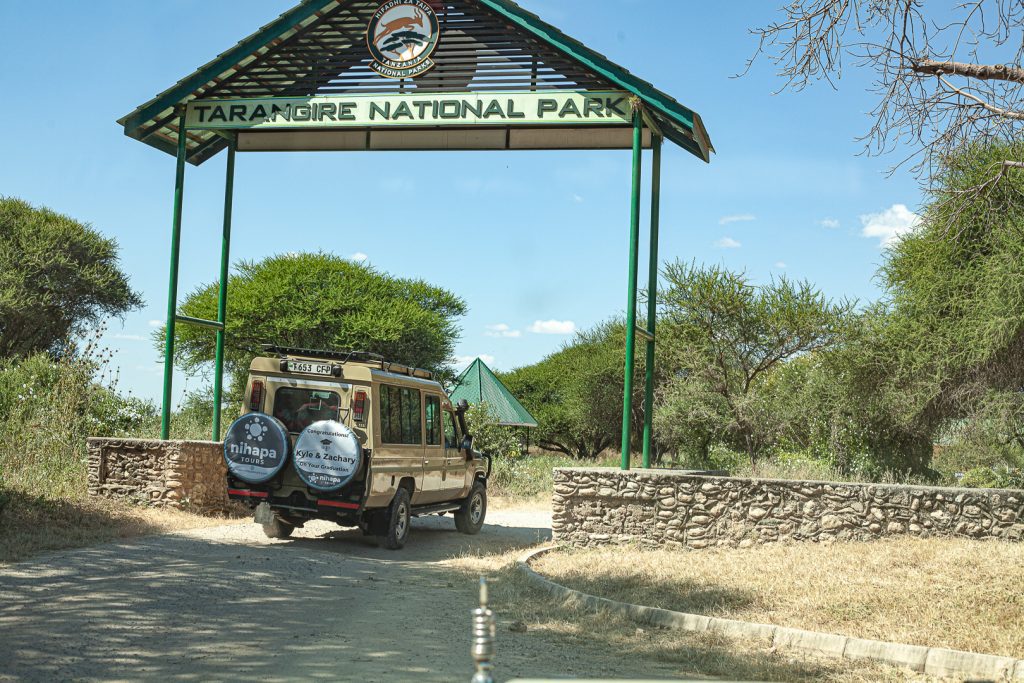
Tarangire National Park is renowned for its large elephant herds and iconic baobab trees. It is less crowded than the Serengeti and can be an excellent choice for travelers seeking a quieter environment. Seasonal wildlife concentrations along the Tarangire River create dramatic viewing opportunities during the dry season.
For shorter safari extensions, Nyerere National Park in southern Tanzania is highly accessible from Zanzibar. Flights are brief, and the park offers boat safaris along the Rufiji River in addition to traditional game drives. This diversity of activities makes it particularly attractive for two- or three-day itineraries.
Each destination provides a distinct rhythm and landscape. The ideal choice depends on the number of days available, seasonal wildlife movements, and personal travel priorities. A well-designed plan ensures that the safari complements the Zanzibar stay, creating a cohesive and unforgettable Tanzania experience.
How Many Days Do You Need for a Safari from Zanzibar?
The number of days required when planning a safari from Zanzibar depends on your expectations, budget, and chosen destination. While short safari extensions are possible, wildlife experiences improve significantly with additional time. Rushing through national parks often means spending more time in transit than actually observing animals.
A two-day safari from Zanzibar is technically possible and works best for nearby destinations such as Nyerere National Park. This option typically includes a direct flight from Zanzibar in the morning, an afternoon game drive, an overnight stay in a lodge or tented camp, and a morning activity before flying back the next day. It offers a glimpse of Tanzania’s wildlife but remains fast-paced. Travelers choosing this option must accept limited exploration time.
A three-day safari is considered the ideal duration for most visitors. This allows for two nights in the bush and multiple game drives across different times of day. For Serengeti fly-in safaris, three days provide enough time to explore the central regions and observe predators, elephants, and migratory herds, depending on the season. The additional day creates flexibility, which is important because wildlife movement is unpredictable.
Four to five days delivers a far more balanced experience. This timeframe allows travelers to combine destinations such as Serengeti and Ngorongoro Crater or Tarangire and Ngorongoro. It reduces pressure and increases opportunities for varied landscapes and wildlife encounters. For travelers who have already spent several days in Zanzibar, a four-day safari extension often feels complete without becoming exhausting.
Ultimately, the right duration aligns with your travel rhythm. Safari life begins early, often before sunrise, and days are structured around wildlife activity. Building enough time into the itinerary ensures the experience feels immersive rather than rushed.
Step-by-Step: How to Plan a Safari from Zanzibar the Right Way
Organizing a safari from Zanzibar requires more than simply booking a flight and a lodge. A structured approach ensures efficiency, smooth transitions, and maximum wildlife exposure.
Choosing the Right Safari Circuit
The first step is selecting the appropriate circuit. Tanzania has two primary safari regions that connect easily with Zanzibar.
The Northern Circuit includes Serengeti, Ngorongoro Crater, Tarangire, and Lake Manyara. This region is known for iconic landscapes and high wildlife density. It is ideal for first-time safari travelers who want classic African scenery and the possibility of witnessing the Great Migration.
The Southern Circuit includes Nyerere and Ruaha National Parks. These areas are more remote and receive fewer visitors. They offer strong wilderness appeal and activities such as boat safaris and walking safaris. For shorter extensions from Zanzibar, the Southern Circuit can be logistically efficient due to shorter flight times.
Selecting the right circuit depends on time, season, and personal wildlife priorities.
Aligning Travel Dates with Wildlife Seasons
Seasonality plays a significant role in safari planning. Tanzania experiences two main travel patterns: the dry season and the green season.
The dry season, typically from June to October, offers easier wildlife viewing because vegetation is thinner and animals gather around water sources. This period is considered peak safari season.
The green season, from November through May, brings lush landscapes and fewer visitors. Certain months, especially January through March, are known for the wildebeest calving season in southern Serengeti. This period can be exceptional for predator activity and photography.
When planning a safari from Zanzibar, understanding seasonal wildlife movement ensures you visit the right region at the right time rather than relying on generic park selection.
Selecting the Correct Flight Strategy
Flights from Zanzibar operate daily to several safari hubs and park airstrips. Choosing the correct route prevents unnecessary backtracking.
Direct fly-in safaris to Serengeti or Nyerere maximize efficiency and reduce travel fatigue. These small aircraft land on bush airstrips close to lodges and camps.
Alternatively, flying to Arusha and continuing by road allows multi-park itineraries in the Northern Circuit. This approach may reduce flight costs but increase driving time.
Flight strategy should match available days. Short extensions benefit from direct bush flights, while longer itineraries can accommodate combined air and road travel.
Choosing the Right Lodge Location
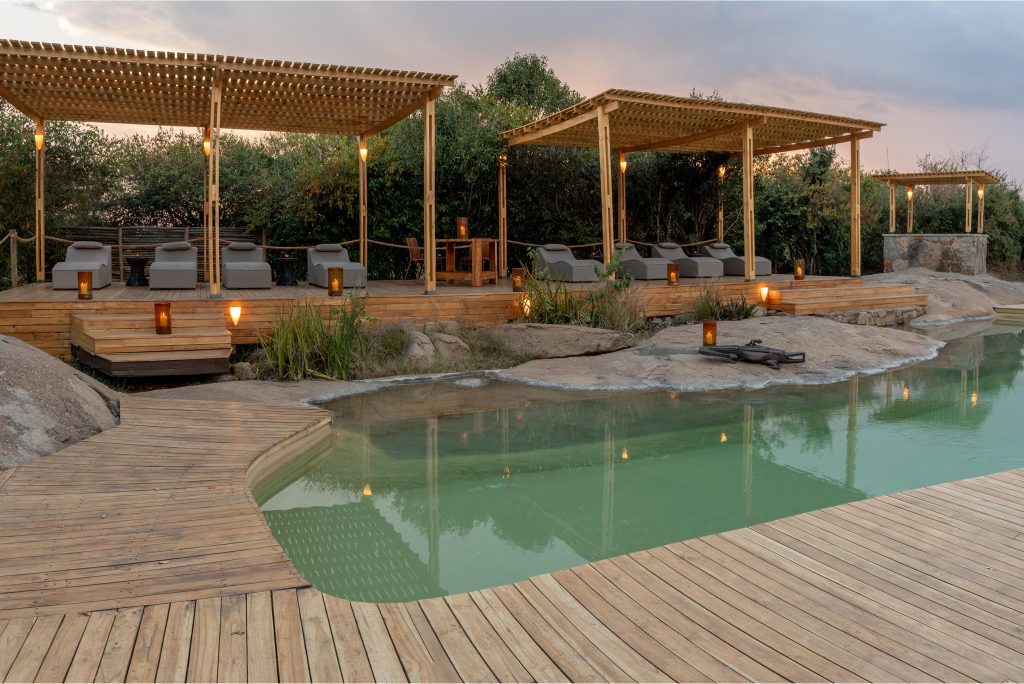
Accommodation selection is not only about comfort level. Location within the park is critical. In the Serengeti, wildlife movement shifts throughout the year. Staying in a centrally positioned camp during migration season may result in long daily drives to reach herds.
Strategic positioning ensures wildlife activity occurs close to camp, maximizing game drive efficiency. Experienced planners align accommodation location with seasonal patterns rather than selecting lodges based solely on availability or price.
Understanding Park Fees and Inclusions
Tanzania’s national parks charge conservation fees per person per day. These fees vary by park and can significantly influence overall safari cost. In addition, there are vehicle fees, concession fees for certain camps, and domestic flight charges.
A well-structured safari package clearly outlines inclusions such as park fees, accommodation, meals, guide services, transfers, and flights. Transparency prevents confusion and builds trust.
Coordinating Transfers and Timing
The final step involves coordinating hotel pickups in Zanzibar, airport check-in, airstrip pickups, and return transfers. Seamless timing is essential, especially when flights connect directly to safari activities.
When properly organized, travelers leave their Zanzibar hotel in the morning and find themselves on a game drive before midday. Upon completion of the safari, they can return to Zanzibar for additional beach time or depart via Kilimanjaro International Airport for international flights.
Careful coordination transforms what might seem like a complex journey into a smooth and memorable transition from island relaxation to wilderness exploration.
Sample Safari Itineraries from Zanzibar
Designing the right itinerary is central to successfully planning a safari from Zanzibar. The structure must balance flight schedules, wildlife priorities, and overall pacing. Below are practical safari models that work efficiently from Zanzibar without feeling rushed.
2-Day Nyerere National Park Safari from Zanzibar
This is the shortest viable safari extension and works best for travelers with limited time.
Day one begins with an early transfer from your Zanzibar hotel to the airport for a morning flight to Nyerere National Park. Upon arrival at the bush airstrip, your guide welcomes you, and the first game drive begins immediately. Wildlife in Nyerere includes elephants, lions, giraffes, hippos, crocodiles, and diverse birdlife. The landscape feels wild and less congested than northern parks.
On day two, travelers typically enjoy a morning boat safari along the Rufiji River or a sunrise game drive before returning to the airstrip for the flight back to Zanzibar. This itinerary is compact but impactful, offering a genuine wilderness experience within two days.
This option suits honeymooners, couples, and beach travelers who want a safari highlight without restructuring their entire holiday.
3-Day Serengeti Fly-In Safari from Zanzibar
A three-day fly-in safari to the Serengeti is one of the most popular combinations.
On the first day, guests fly from Zanzibar directly to a Serengeti airstrip. The safari begins upon landing, with an afternoon game drive exploring the surrounding plains. Depending on the season, you may witness large herds of wildebeest, lion prides resting in tall grass, or cheetahs scanning the horizon.
Day two is dedicated to a full-day game drive. The Serengeti’s scale becomes evident as you travel through open savannah, river systems, and acacia woodlands. Wildlife viewing often includes elephants, buffalo, zebras, and predators in natural hunting territory.
On the third day, a morning game drive offers a final wildlife opportunity before returning to the airstrip for the flight back to Zanzibar or onward to Arusha or Kilimanjaro.
Three days allow meaningful immersion without excessive travel fatigue.
4–5 Day Northern Circuit Safari from Zanzibar
For travelers seeking a more complete experience, four or five days allow multi-park exploration.
Day one involves flying from Zanzibar to Arusha, followed by a road transfer to Tarangire National Park for an afternoon game drive. Tarangire’s baobab landscapes and elephant herds provide a strong introduction.
Day two continues in Tarangire before transferring toward the Ngorongoro Highlands.
Day three is spent descending into the Ngorongoro Crater. The crater floor offers dense wildlife concentrations within a dramatic volcanic setting.
Days four and five may include Serengeti National Park, depending on the itinerary structure. Travelers then return to Arusha for a flight back to Zanzibar or an international departure.
This itinerary suits travelers who want geographic diversity and layered wildlife experiences.
What Does a Safari from Zanzibar Cost?
Understanding the cost structure is essential when planning a safari from Zanzibar. Prices vary significantly depending on destination, duration, accommodation category, and flight routing.
Budget safaris typically involve shared vehicles, standard tented camps, and fly-and-drive logistics. Prices generally start from mid-range levels due to domestic flight requirements from Zanzibar. Even budget options include park fees, accommodation, meals, and guiding services.
Mid-range safaris offer private vehicles, comfortable lodges or tented camps, and better lodge positioning within parks. This category provides strong value for most travelers and balances comfort with cost control.
Luxury fly-in safaris include premium tented camps or lodges, strategically located near wildlife concentrations. These safaris often involve direct bush flights and personalized guiding. Accommodation standards may include spacious suites, gourmet dining, and high service levels.
Key cost components include national park fees, concession fees, vehicle and guide services, domestic flights, accommodation, meals, and transfers. Transparent pricing ensures clarity and prevents hidden expenses.
While a safari extension adds investment to a Zanzibar holiday, it transforms a beach vacation into a complete Tanzanian experience.
Domestic Flights and Luggage Guidelines
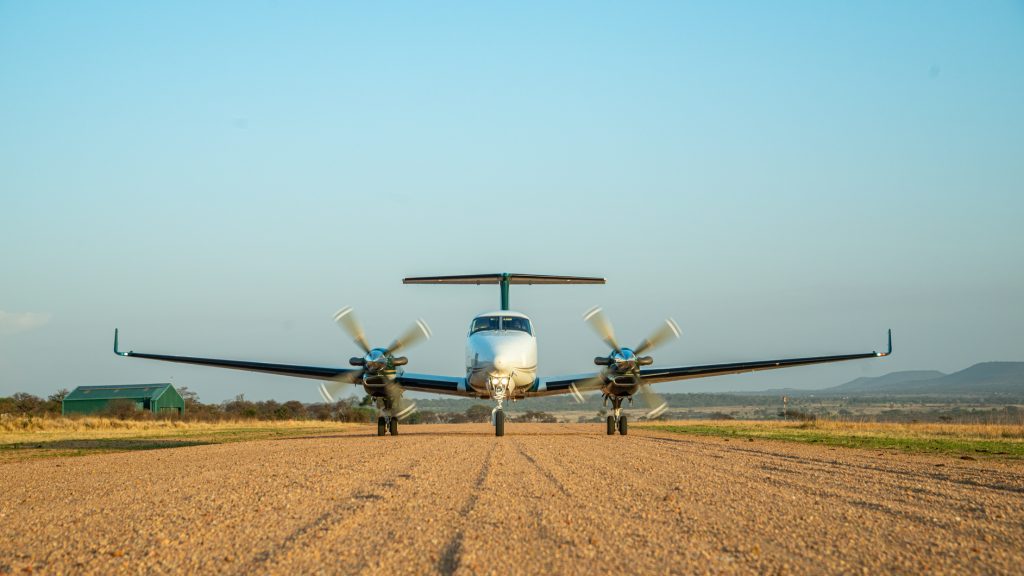
Domestic flights from Zanzibar to safari destinations are typically operated by small aircraft carrying between nine and thirteen passengers. These flights are safe, scenic, and efficient, but they operate under strict luggage limitations.
Passengers are generally allowed soft-sided bags with weight limits of around fifteen kilograms, including carry-on items. Hard-shell suitcases are not suitable for bush aircraft due to limited storage space.
Travelers planning a safari from Zanzibar should pack light and use flexible duffel bags. Beachwear can often be stored at a Zanzibar hotel if returning after a safari, reducing unnecessary luggage weight.
Flights land on gravel or grass airstrips within or near national parks. Upon arrival, safari vehicles meet guests directly on the runway, and the game drive begins immediately.
Understanding luggage and flight procedures prevents last-minute stress and ensures smooth transitions.
Common Mistakes to Avoid When Planning a Safari from Zanzibar
One common mistake is underestimating travel time. Some travelers attempt to fit Serengeti into a two-day schedule, which often results in excessive transit and limited wildlife exposure. Choosing the correct park for the available timeframe is critical.
Another mistake involves ignoring seasonal wildlife movement. Serengeti is vast, and migration patterns shift throughout the year. Staying in the wrong region may reduce viewing opportunities.
Budget misalignment is another issue. Domestic flights add cost, and travelers sometimes overlook park fees when comparing packages.
Poor routing can also create inefficiency. Returning to Zanzibar when the international departure is from Kilimanjaro may require unnecessary repositioning flights.
Lastly, booking without professional coordination can lead to disconnected transfers, missed flights, or poorly positioned lodges.
Careful planning prevents these issues and ensures the safari complements the Zanzibar stay rather than complicating it.
Final Thoughts on Planning a Safari from Zanzibar
Planning a safari from Zanzibar allows travelers to experience two distinct worlds within a single journey. The island offers relaxation, culture, and ocean beauty, while the mainland delivers wildlife spectacle and dramatic landscapes.
With proper timing, strategic park selection, and coordinated logistics, the transition from beach to bush becomes seamless. Whether choosing a short wilderness escape in Nyerere or a classic Serengeti expedition, adding a safari transforms a Zanzibar holiday into a comprehensive Tanzania adventure.
If you’d like next, I can refine this entire article into a polished, publication-ready version tailored specifically for Nihapa Tours, with an internal linking strategy, subtle call-to-action integration, and conversion optimization.