Tanzania’s Top Attractions: The Complete Guide
Tanzania is one of Africa’s most remarkable destinations, defined by its combination of wildlife, landscapes, and cultural heritage. It is recognized globally for its northern safari circuit, Mount Kilimanjaro, and the coastal islands, each offering a distinct experience while remaining accessible through well-established logistics. The country’s infrastructure, including Kilimanjaro International Airport, road networks, and domestic flights, allows travelers to move efficiently between safari parks, mountain trails, and beach destinations, ensuring that itineraries are predictable and time-efficient.
Tanzania’s northern safari circuit forms the backbone of its tourism sector. Serengeti National Park, Ngorongoro Crater, Tarangire, and Lake Manyara constitute the primary destinations, offering iconic wildlife encounters, expansive landscapes, and operational reliability for safari operators. Mount Kilimanjaro attracts adventure travelers seeking trekking challenges, while coastal destinations such as Zanzibar and Mafia Island provide opportunities to combine wildlife and marine experiences within the same itinerary.
Professional operators rely on Tanzania’s infrastructure and geography to structure multi-destination trips efficiently. Transfers from Kilimanjaro International Airport, domestic flights to remote airstrips, and well-maintained road networks allow travelers to maximize time in parks, on climbing routes, and at beaches. Seasonal planning further ensures that visitors encounter optimal wildlife behavior, climbing conditions, and weather patterns.
This guide provides a detailed overview of Tanzania’s top attractions, emphasizing operational insight, accessibility, and the unique characteristics that make each destination essential for travelers. Whether planning a northern circuit safari, a Kilimanjaro climb, or a combined wildlife and beach itinerary, understanding these attractions is critical for maximizing experience and minimizing logistical challenges.
Table of contents
Northern Circuit National Parks
The Northern Circuit is the cornerstone of Tanzania’s safari industry, consisting of Serengeti, Ngorongoro Crater, Tarangire, and Lake Manyara. These parks are interconnected by a network of roads and domestic flights, allowing safari operators to plan efficient multi-day itineraries. The circuit’s geography and infrastructure make it predictable, reliable, and operationally straightforward, which is why professional operators continue to base their itineraries around these destinations.
Serengeti National Park is the largest and most iconic of the northern parks, covering approximately 14,750 square kilometers. It is world-renowned for the Great Migration, a seasonal movement of over a million wildebeest and hundreds of thousands of zebras and gazelles. The park’s vast plains are complemented by riverine forests and kopjes, providing habitats for lions, cheetahs, elephants, and other key wildlife species. Serengeti supports both luxury and mobile safari camps, with well-established logistics for road transfers and light aircraft operations to remote airstrips.
Ngorongoro Crater is a geological and ecological marvel. As the largest intact volcanic caldera in the world, it offers high concentrations of wildlife within a compact area, including the rare black rhino. Its accessibility from Arusha and KIA makes it ideal for both short excursions and multi-day safari itineraries. Road access is straightforward, and domestic flights are coordinated to align with international arrivals.
Tarangire National Park is known for its dense elephant populations and iconic baobab landscapes. Less visited than Serengeti and Ngorongoro, Tarangire provides focused wildlife experiences with fewer crowds. Its position along established safari routes ensures predictable transfers and reliable game drives. Seasonal variations influence animal movement, allowing operators to time visits for optimal sightings.
Lake Manyara National Park combines forested areas with a soda lake ecosystem, offering unique wildlife experiences such as tree-climbing lions and large flocks of flamingos. Although smaller in scale, it is an essential stop for northern circuit itineraries due to its proximity to Arusha and accessibility from KIA.
The Northern Circuit parks collectively form a network that is both operationally efficient and experientially rich. Their interconnectedness allows safari operators to structure trips that maximize wildlife encounters while minimizing transit time. For professional safari planning, these parks are predictable, reliable, and essential for delivering a complete northern Tanzania experience.

Serengeti National Park
Serengeti National Park is Tanzania’s largest and most renowned safari destination, covering approximately 14,750 square kilometers. It is synonymous with vast savannah plains, dramatic riverine landscapes, and an unparalleled concentration of wildlife. The park is most famous for the Great Migration, a seasonal movement of over a million wildebeest, hundreds of thousands of zebras, and thousands of gazelles, accompanied by predators such as lions, cheetahs, and hyenas. This cyclical event draws travelers from around the world and serves as a benchmark for northern circuit safaris.
The park’s infrastructure supports both luxury and mobile safari operations. Established lodges, tented camps, and airstrip-accessible accommodations allow travelers to experience remote areas without sacrificing comfort. Road networks within the park are maintained for game drives, providing predictable travel times between key wildlife concentrations. Domestic flights from Kilimanjaro International Airport or Arusha airstrips further enhance operational efficiency, reducing travel time to critical zones during peak migration periods.
Serengeti’s landscape is divided into distinct ecological zones, each with its own wildlife patterns. The northern plains are central to the early stages of the Great Migration, while the central and southern regions provide year-round game viewing. Riverine forests and kopjes offer vantage points for predator observation and photography. This ecological diversity allows safari operators to plan itineraries strategically, ensuring clients experience a wide variety of wildlife in a controlled and predictable manner.
For professional safari operators, Serengeti National Park represents both an operational hub and a highlight of the northern circuit. Its combination of accessible infrastructure, predictable wildlife patterns, and logistical reliability makes it a cornerstone for multi-day safaris. By structuring itineraries around key zones, lodges, and airstrips, operators can maximize time in the field, minimize transit, and provide travelers with a comprehensive and efficient safari experience.
Ngorongoro Crater
Ngorongoro Crater is one of Tanzania’s most remarkable natural attractions and a central feature of the northern safari circuit. As the largest intact volcanic caldera in the world, it covers approximately 260 square kilometers and offers an exceptionally high concentration of wildlife within a compact area. Its unique geography provides a reliable and predictable safari experience, making it a key destination for professional operators.
The crater is home to lions, elephants, black and white rhinos, zebras, wildebeest, buffalo, and numerous bird species. Its enclosed environment creates predictable wildlife patterns, allowing safari vehicles to cover significant ground in a short amount of time. This predictability is critical for designing efficient itineraries that maximize wildlife encounters while minimizing road travel.
Ngorongoro Crater is also strategically located near Arusha and within easy reach of Kilimanjaro International Airport, making transfers straightforward. Most safari itineraries include a full-day excursion into the crater, with early morning departures to allow for optimal wildlife viewing. Domestic flights from nearby airstrips are available for travelers seeking to combine the crater with other northern circuit destinations, further enhancing operational efficiency.
The crater’s infrastructure supports controlled access for vehicles and tourists, ensuring both safety and conservation compliance. Lodges and camps on the rim provide accommodation with scenic views, while transport routes are carefully managed to avoid congestion and maintain predictable safari schedules.
For safari operators, Ngorongoro Crater represents a balance of accessibility, predictability, and ecological significance. Its combination of dense wildlife, manageable driving distances, and proximity to other northern circuit destinations makes it an essential component of any professional safari itinerary. By incorporating Ngorongoro, operators can ensure travelers experience one of Africa’s most iconic landscapes in a structured, efficient, and high-quality manner.
Tarangire National Park
Tarangire National Park is a key destination on Tanzania’s northern safari circuit, known for its dense elephant populations and distinctive baobab-studded landscapes. Covering approximately 2,850 square kilometers, the park offers a combination of open plains, seasonal swamps, and riverine forests, providing varied habitats that support large numbers of wildlife. This ecological diversity allows safari operators to structure predictable game drives while maintaining high-quality viewing experiences.
The park is particularly noted for its large elephant herds, which congregate around the Tarangire River during the dry season. This concentration enables reliable wildlife encounters for travelers, allowing safari vehicles to observe behavior in a controlled and efficient manner. Tarangire is also home to lions, leopards, giraffes, zebras, and numerous bird species, making it a versatile stop for multi-day itineraries.
Tarangire’s location, approximately two hours from Arusha, allows for smooth transfers from Kilimanjaro International Airport or regional airstrips. Lodges and tented camps within and around the park provide a range of accommodation options, from luxury safaris to family-friendly stays. Seasonal planning is essential, as wildlife movements shift during the wet and dry periods, allowing operators to optimize viewing conditions while maintaining predictable logistics.
For professional safari operators, Tarangire offers a balance of accessibility, operational efficiency, and wildlife richness. It is often included in the first or second day of northern circuit itineraries to provide immediate wildlife experiences while positioning travelers for subsequent visits to Serengeti, Ngorongoro, or Lake Manyara. Its reliable wildlife patterns, manageable travel distances, and established infrastructure make Tarangire an essential and predictable component of northern Tanzania safaris.
Lake Manyara National Park
Lake Manyara National Park is a compact yet ecologically diverse destination within northern Tanzania’s safari circuit. Covering approximately 330 square kilometers, the park is situated at the base of the Great Rift Valley escarpment, combining forested slopes, open plains, and a shallow soda lake. This diversity supports a variety of wildlife, including tree-climbing lions, large herds of elephants, buffalo, giraffes, and an array of flamingos and other bird species.
The park’s manageable size allows safari vehicles to cover significant areas in a single game drive, making it ideal for travelers seeking a high concentration of wildlife in a short timeframe. Its proximity to Arusha and Kilimanjaro International Airport ensures that transfers are straightforward, minimizing road time while maximizing wildlife viewing opportunities. Lodges and camps around the park provide accessible accommodation options for luxury, mid-range, and family-oriented itineraries.
Lake Manyara is often incorporated into northern circuit safaris as a starting or concluding stop. Its predictable wildlife patterns and compact layout enable operators to plan efficient itineraries without overextending travel distances. Seasonal variations influence flamingo populations and other migratory species, allowing for optimal scheduling of visits depending on the time of year.
For professional safari planning, Lake Manyara National Park provides operational efficiency and variety. Its combination of forest, plains, and lake habitats creates unique photographic opportunities, while its accessibility ensures that safari schedules remain precise. By integrating Lake Manyara into multi-day northern circuit itineraries, operators can offer travelers a balanced mix of iconic landscapes, diverse wildlife, and predictable logistics, ensuring a high-quality safari experience.
Mount Kilimanjaro
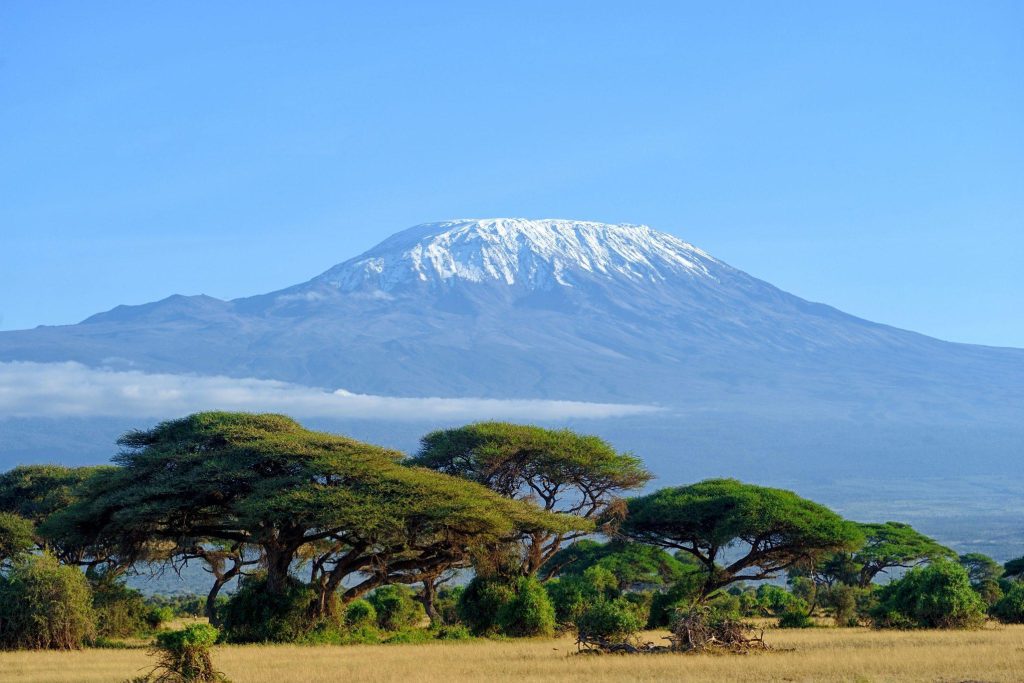
Mount Kilimanjaro, Africa’s highest peak at 5,895 meters, is one of Tanzania’s most iconic destinations and a major complement to the northern safari circuit. Located near Moshi, it is accessible from Kilimanjaro International Airport, allowing for seamless transfers from international arrivals to climbing routes. Kilimanjaro attracts trekkers of varying experience levels, from beginners seeking a moderate adventure to experienced climbers pursuing the summit.
The mountain has several established routes, including Marangu, Machame, Lemosho, Rongai, and Shira, each with distinct terrain, logistical requirements, and difficulty levels. Professional operators plan climbs meticulously, factoring in altitude acclimatization, vehicle transfers to trailheads, guide and porter support, and timing to optimize summit success rates. Base camps, guesthouses, and lodges near Moshi serve as staging points for climbers, with easy road access from KIA ensuring predictable transfers and reliable planning.
Climbing Kilimanjaro is highly seasonal, with the dry months from June to October and December to February offering the most favorable conditions. Guides coordinate closely with operators to manage logistics, including transportation, equipment distribution, and contingency planning for weather-related delays. This structured approach allows travelers to focus on the climb while maintaining safety and operational efficiency.
For safari operators and travel planners, Mount Kilimanjaro is more than a climbing destination; it is a complementary experience that can be integrated with northern circuit safaris. Its accessibility, well-established routes, and supporting infrastructure make it an essential part of multi-destination itineraries. Travelers can combine wildlife viewing, cultural experiences, and mountain trekking in a single, well-coordinated journey, maximizing time and ensuring predictable logistics throughout their Tanzanian adventure.
Coastal and Island Destinations
Tanzania’s coastal and island destinations provide a complementary experience to the northern safari circuit, offering opportunities for relaxation, marine adventures, and cultural exploration. Accessible by domestic flights from Kilimanjaro International Airport or Arusha, these destinations allow travelers to combine wildlife safaris with pristine beaches, historic sites, and marine biodiversity.
Zanzibar
Zanzibar is Tanzania’s most popular coastal destination, known for its white sandy beaches, turquoise waters, and historic Stone Town. Domestic flights from Kilimanjaro International Airport or Arusha allow travelers to transition seamlessly from safaris to island stays, minimizing travel time and maintaining itinerary efficiency. Zanzibar offers a combination of luxury resorts, boutique hotels, and guesthouses, catering to diverse traveler preferences.
Beyond its beaches, Zanzibar is rich in culture and history. Stone Town, a UNESCO World Heritage Site, showcases Swahili architecture, narrow alleyways, and vibrant markets. Spice farms provide an operationally feasible excursion for day trips, and professional operators can integrate these visits within multi-day itineraries without disrupting safari schedules.
Mafia Island
Mafia Island is a less-visited alternative to Zanzibar, ideal for travelers seeking marine conservation experiences and water-based adventures. The island is renowned for diving and snorkeling opportunities, particularly within the protected Mafia Island Marine Park. Domestic flights from KIA or Dar es Salaam, followed by short boat transfers, make Mafia accessible while maintaining predictability for itinerary planning.
Mafia Island’s marine biodiversity includes whale sharks, coral reefs, and abundant tropical fish, creating opportunities for guided excursions and eco-tourism experiences. Lodges and boutique accommodations cater to small groups, ensuring that transfers and activities can be coordinated efficiently by professional operators.
By integrating coastal and island destinations into northern circuit itineraries, travelers experience a balanced combination of wildlife, adventure, and relaxation. These destinations are operationally reliable, accessible through coordinated flights and transfers, and provide cultural and environmental diversity that complements safari and mountain experiences. For professional operators, coastal and island stops enhance the value of multi-destination itineraries while maintaining logistical efficiency and traveler satisfaction.
Cultural and Historical Sites
Tanzania’s cultural and historical sites provide an essential complement to wildlife and adventure experiences. These sites offer travelers insight into local traditions, heritage, and community life, while remaining accessible within structured safari and travel itineraries.
The Maasai villages, located near Arusha and along northern circuit routes, are a prominent example of living cultural heritage. Travelers can observe traditional Maasai lifestyles, including ceremonies, crafts, and cattle herding practices. Visits are structured by professional operators to ensure cultural sensitivity, efficient scheduling, and minimal disruption to both travelers and local communities. These experiences are typically combined with game drives or transfers between national parks, maximizing operational efficiency.
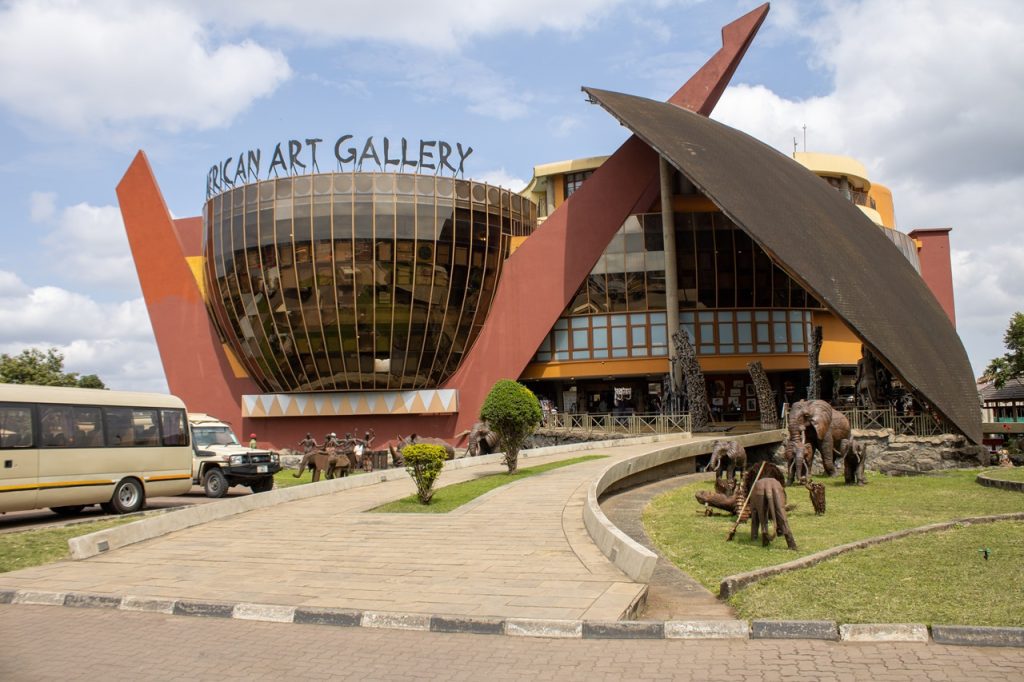
Arusha National Museum and related heritage centers offer insight into Tanzania’s anthropological and historical background. Artifacts, local art, and exhibits on wildlife conservation provide a curated understanding of the country beyond its natural landscapes. These sites are easily integrated into northern circuit itineraries, particularly for travelers who begin or conclude their safari in Arusha.
Additional historical sites, including colonial-era buildings, sacred sites, and community-based tourism projects, offer travelers exposure to Tanzania’s diverse heritage. Professional operators ensure that these visits align with overall itinerary schedules, maintaining predictable logistics and minimizing unnecessary travel.
For safari and adventure travelers, cultural and historical stops enrich the overall experience, providing context for wildlife encounters and landscape exploration. Integrating these sites within multi-day itineraries enhances traveler satisfaction, operational predictability, and the holistic value of a Tanzanian journey. For operators like Nihapa Tours, structured cultural experiences are planned with the same precision as game drives and transfers, ensuring seamless, reliable, and memorable visits.
Southern Circuit National Parks
The Southern Circuit of Tanzania represents a different safari experience from the northern parks, defined by vast wilderness areas, lower visitor density, and a stronger sense of remoteness. While the Northern Circuit is structured around accessibility and iconic landmarks, the Southern Circuit emphasizes scale, solitude, and varied safari activities. These parks are best suited for travelers seeking immersive wildlife encounters away from high-traffic safari routes.
Southern Circuit safaris are typically accessed via Dar es Salaam, with domestic flights connecting travelers to remote airstrips inside the parks. This logistical structure allows professional operators to design itineraries that prioritize time in the field rather than long road transfers. The Southern Circuit is particularly valued by repeat safari travelers, photographers, and those seeking a more exclusive and conservation-focused experience.
Nyerere National Park (Formerly Selous Game Reserve)
Nyerere National Park is the largest national park in Tanzania and one of the largest protected wildlife areas in Africa. Covering more than 30,000 square kilometers, it offers a level of scale and wilderness unmatched by northern parks. The park is defined by the Rufiji River system, which creates diverse ecosystems including river channels, lakes, floodplains, and open woodlands.
Wildlife in Nyerere includes elephants, lions, leopards, buffalo, giraffes, hippos, crocodiles, and a wide range of bird species. The park is particularly known for offering boat safaris in addition to traditional game drives. These river-based safaris allow close observation of wildlife along the water’s edge and provide a distinctive experience unavailable in the Northern Circuit.
Walking safaris are another defining feature of Nyerere National Park. Conducted with armed guides and strict safety protocols, these walks offer an educational and immersive perspective on tracking, ecology, and animal behavior. Lodges and camps are spaced widely apart, ensuring low vehicle density and a strong sense of exclusivity.
Access to Nyerere is primarily via scheduled and charter flights from Dar es Salaam. This air-based access allows operators to maintain efficient itineraries while preserving the park’s remote character. Accommodation ranges from high-end lodges to eco-focused camps, all designed to operate in harmony with conservation principles.
Ruaha National Park
Ruaha National Park is Tanzania’s second-largest national park and the core attraction of the Southern Highlands. It is characterized by rugged terrain, dramatic river systems, and a concentration of predators that rivals any park in East Africa. The Great Ruaha River serves as the park’s lifeline, attracting wildlife throughout the dry season and creating predictable game-viewing conditions.
Ruaha is known for its large lion prides, significant populations of leopards and cheetahs, and one of the largest elephant populations in Tanzania. The park’s landscape is more rugged and less uniform than the Serengeti, offering varied scenery that includes rocky escarpments, baobab-dotted plains, and seasonal riverbeds.
Safari experiences in Ruaha are focused on quality rather than volume. Fewer vehicles, expansive territories, and knowledgeable guides allow for in-depth wildlife observation and photography. Game drives are unhurried, and sightings often occur without competition from other vehicles.
Ruaha is accessed primarily by domestic flights from Dar es Salaam, with airstrips located within the park. Lodges and camps are strategically positioned along wildlife corridors and river systems, ensuring efficient daily game drives. Due to its remote nature, Ruaha is best suited for travelers who value wilderness, privacy, and a slower safari pace.
Why the Southern Circuit Matters
The Southern Circuit plays a critical role in Tanzania’s tourism ecosystem. It diversifies safari offerings, reduces pressure on northern parks, and supports conservation in vast, less-visited landscapes. For professional safari operators, the Southern Circuit allows the creation of specialized itineraries that appeal to experienced travelers and those seeking deeper engagement with nature.
By combining the Northern and Southern Circuits, Tanzania offers one of the most comprehensive safari portfolios in Africa. While the north delivers iconic landmarks and classic experiences, the south delivers scale, solitude, and authenticity. Together, they define Tanzania’s position as a leading safari destination.
Western Tanzania and Chimpanzee Trekking
Western Tanzania represents one of the most remote and least developed tourism regions in the country. Defined by dense forests, mountain terrain, and the shores of Lake Tanganyika, the Western Circuit offers a fundamentally different experience from both the Northern and Southern safari circuits. This region is best known for chimpanzee trekking and appeals to travelers seeking exclusivity, primate-focused encounters, and true wilderness.
Access to Western Tanzania is primarily via domestic flights from Dar es Salaam or Arusha, followed by boat transfers along Lake Tanganyika. Because of the region’s remoteness, itineraries are carefully planned to maximize time on site and minimize logistical complexity. Western Circuit safaris are typically recommended for experienced travelers or those seeking a specialized wildlife focus rather than traditional game drives.
Mahale Mountains National Park
Mahale Mountains National Park is widely regarded as one of Africa’s most extraordinary primate destinations. Located on the eastern shores of Lake Tanganyika, the park combines forested mountain slopes with white-sand beaches, creating a rare landscape where tropical forest meets freshwater shoreline. The park is accessible only by boat, reinforcing its sense of isolation and exclusivity.
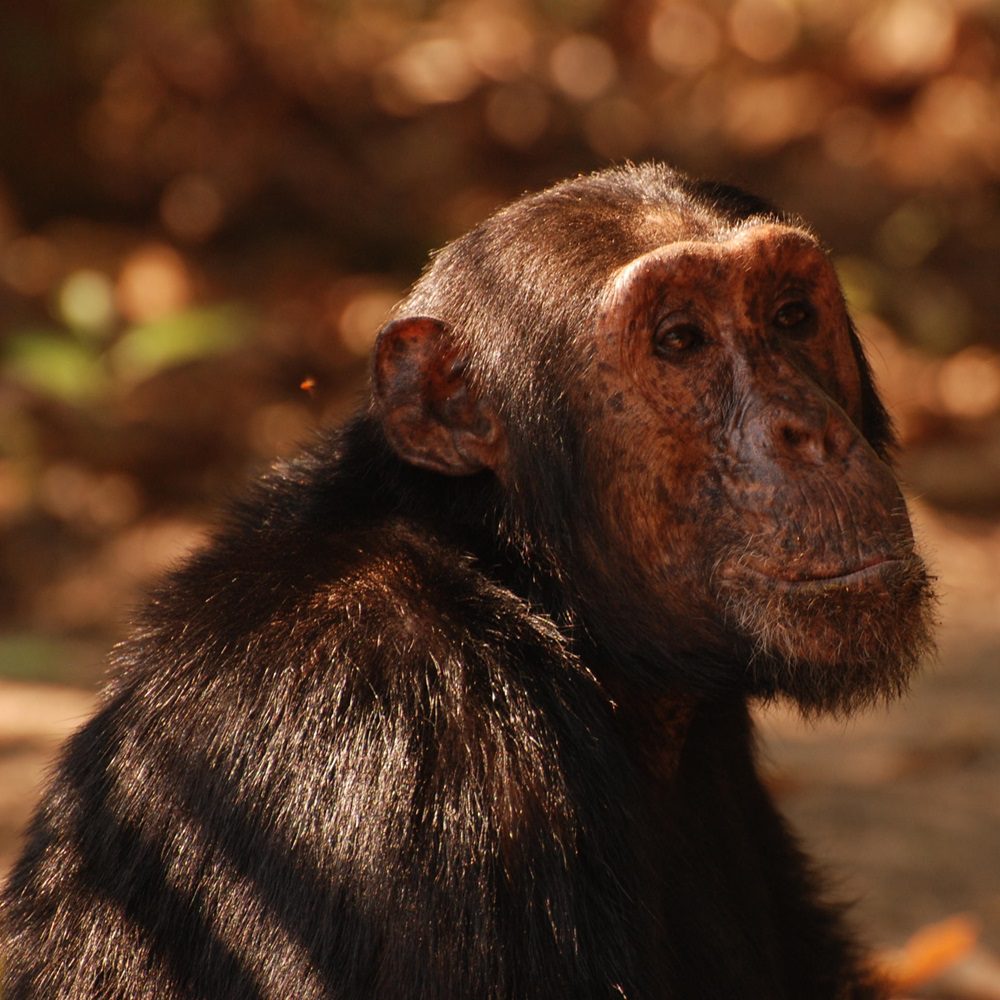
Mahale is home to one of the largest protected populations of wild chimpanzees in Africa. Chimpanzee trekking is conducted on foot with experienced guides who track habituated groups through dense forest terrain. These treks require moderate physical fitness and patience, as sightings depend on the movement and behavior of the chimpanzees. When encounters occur, they provide an intimate and educational wildlife experience unlike traditional safari viewing.
In addition to chimpanzees, Mahale supports a variety of primates, forest antelope, and bird species. The park’s location along Lake Tanganyika allows for swimming, kayaking, and boat excursions, offering opportunities for relaxation between trekking activities. Lodges in Mahale are limited, eco-focused, and designed to blend into the natural environment, ensuring minimal impact on the ecosystem.
Gombe Stream National Park
Gombe Stream National Park is one of Tanzania’s smallest national parks but holds immense global significance. It is internationally recognized as the site of Jane Goodall’s pioneering chimpanzee research, which transformed scientific understanding of primate behavior. Despite its small size, Gombe remains a critical conservation area and a flagship destination for chimpanzee trekking.
The park is located north of Mahale along Lake Tanganyika and is accessed by boat from the town of Kigoma. Chimpanzee trekking in Gombe follows well-established protocols, with trained guides leading visitors through forested valleys and along stream corridors. The park’s compact size allows for efficient trekking routes, making it accessible to travelers with limited time.
Gombe’s appeal lies in its scientific legacy and concentrated chimpanzee populations. Visitors gain insight into primate social structures, tool use, and communication, making the experience both educational and immersive. Accommodation options near Gombe are limited and simple, emphasizing conservation and research over luxury.
The Role of the Western Circuit in Tanzania Tourism
The Western Circuit plays a specialized but essential role in Tanzania’s tourism offering. It broadens the country’s appeal beyond classic savannah safaris by introducing forest ecosystems, primate encounters, and freshwater coastal landscapes. Due to its remoteness and logistical complexity, the region attracts a smaller, more focused traveler segment, reducing environmental pressure while increasing conservation value.
For professional operators, Western Tanzania requires precise planning, experienced guides, and clear communication with travelers. When executed correctly, it delivers some of the most rewarding and unique wildlife experiences in East Africa. Combined with northern or southern safaris, the Western Circuit completes Tanzania’s reputation as a destination capable of offering both iconic and deeply specialized nature-based travel.
Unique Landscapes and Lesser-Known Attractions
Beyond Tanzania’s well-known safari circuits lies a collection of distinctive landscapes and lesser-visited destinations that add depth, diversity, and exclusivity to the country’s tourism portfolio. These areas are defined not by mass tourism but by geological significance, cultural importance, and specialized travel experiences. For professional operators, these destinations allow the creation of differentiated itineraries that appeal to experienced travelers and those seeking something beyond the classic safari.
Lake Natron
Lake Natron is one of Tanzania’s most striking and unusual landscapes. Located in the northern Rift Valley near the border with Kenya, the lake is characterized by its shallow alkaline waters, mineral-rich shoreline, and dramatic volcanic surroundings. The area is a critical breeding ground for lesser flamingos, making it ecologically significant despite its harsh environment.
The lake’s high alkalinity and seasonal water levels create vivid red and orange hues along the shoreline, producing a landscape that is visually unique within East Africa. Wildlife viewing here is specialized, with a primary focus on birdlife rather than large mammals. Visits to Lake Natron are often combined with cultural interactions with local Maasai communities and guided walks to nearby waterfalls.
Access to Lake Natron is primarily by road from Arusha or through the northern Serengeti, requiring careful logistical planning. Due to its remote location and limited infrastructure, Lake Natron is best suited for travelers seeking off-the-beaten-path experiences and photographers interested in dramatic landscapes.
Ol Doinyo Lengai
Ol Doinyo Lengai, known as the “Mountain of God” by the Maasai, is an active volcano and one of Tanzania’s most unique geological features. It is the only volcano in the world that produces natrocarbonatite lava, giving it distinct scientific and geological importance. Rising above the Rift Valley floor near Lake Natron, the mountain holds deep cultural and spiritual significance for the Maasai people.
Climbing Ol Doinyo Lengai is a specialized activity, typically conducted overnight to avoid extreme heat. The ascent is steep and physically demanding, requiring experienced guides and careful coordination. While not a mainstream trekking destination, it attracts adventure travelers and geology enthusiasts seeking a rare and challenging experience.
Saadani National Park
Saadani National Park is Tanzania’s only national park that borders the Indian Ocean, creating a rare environment where wildlife habitats meet coastal ecosystems. The park supports a diverse array of wildlife, including elephants, lions, giraffes, and buffalo, as well as marine life such as dolphins and sea turtles. This combination allows visitors to experience both traditional game drives and beach-based activities within the same destination.
Saadani is accessible from Dar es Salaam and is often used as a transitional stop between coastal travel and inland safaris. Its low visitor numbers and mixed ecosystems make it ideal for travelers seeking a quieter alternative to more established parks. Lodges and camps are positioned to allow efficient access to both wildlife areas and the coastline.
The Value of Unique Destinations
These unique landscapes and lesser-known attractions play an important role in Tanzania’s tourism landscape. They allow operators to design itineraries that stand out, reduce pressure on heavily visited parks, and promote sustainable tourism practices. For travelers, they offer opportunities to explore Tanzania beyond the familiar, engaging with rare ecosystems, cultural traditions, and geological phenomena.
When integrated thoughtfully into broader itineraries, these destinations enhance the overall travel experience and reinforce Tanzania’s position as one of Africa’s most diverse and dynamic destinations.
Major Cities and Safari Gateways
Tanzania’s major cities function as logistical hubs rather than standalone attractions. Their importance lies in how they connect international arrivals, domestic flights, road networks, and safari circuits. For professional safari operators, these gateways determine itinerary flow, transfer efficiency, and the overall success of travel planning. Understanding the role of each gateway city is essential for structuring seamless safari and adventure experiences.
Arusha
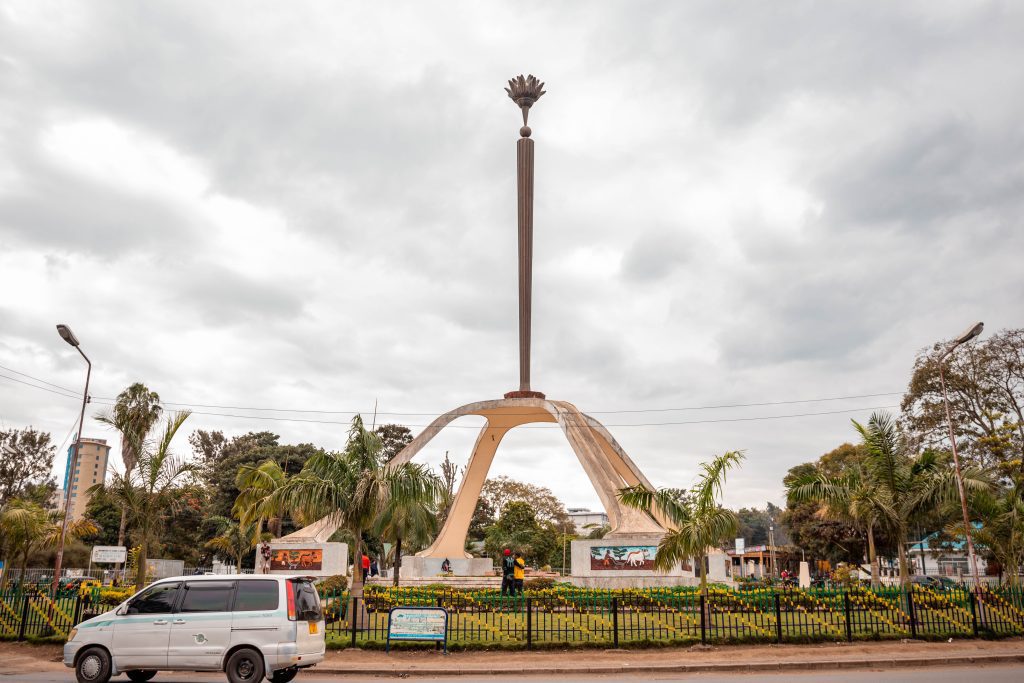
Arusha is the primary safari capital of Tanzania and the main gateway to the Northern Circuit. Located approximately one hour from Kilimanjaro International Airport, the city serves as the operational base for most safari companies, guides, and logistics providers. Nearly all northern circuit safaris begin and end in Arusha, making it a critical point for briefing, vehicle preparation, and itinerary coordination.
The city is well equipped with lodges, hotels, and safari-focused accommodations that cater to pre- and post-safari stays. Arusha also hosts key cultural institutions, including museums and markets, which are often incorporated into arrival or departure day programs. Its proximity to Arusha National Park allows for short excursions without disrupting safari schedules.
From a logistical standpoint, Arusha offers efficient access to road transfers and domestic flights to Serengeti, Ngorongoro, and other northern destinations. For safari planning, Arusha provides predictability, infrastructure, and professional support, making it the backbone of northern Tanzania tourism.
Moshi
Moshi is the principal gateway for Mount Kilimanjaro climbs and related trekking activities. Situated near the base of the mountain, Moshi provides staging facilities for climbers, including hotels, equipment storage, guide coordination, and transport to trailheads. Transfers from Kilimanjaro International Airport to Moshi are straightforward, allowing climbers to move directly from international arrival to preparation.
Unlike Arusha, Moshi’s tourism focus is narrower, centered on Kilimanjaro rather than multi-park safaris. However, it plays a crucial role in combined itineraries that include both mountain trekking and wildlife experiences. Climbers often begin in Moshi and conclude their journeys with safaris in the northern parks or relaxation in Zanzibar.
Moshi’s operational value lies in its specialization. Its infrastructure is designed to support climbing logistics efficiently, ensuring that expeditions proceed according to schedule and safety protocols.
Dar es Salaam
Dar es Salaam is Tanzania’s largest city and the primary gateway to the Southern and Western safari circuits, as well as coastal and island destinations. As the country’s main commercial hub, it hosts Julius Nyerere International Airport, which connects international flights with domestic routes to Nyerere National Park, Ruaha, Mahale, and Zanzibar.
While not a traditional safari destination, Dar es Salaam is essential for itinerary sequencing. It functions as a transit and coordination point for flights, boat transfers, and road travel to remote regions. Hotels in the city are used primarily for overnight stops, flight connections, and pre-departure staging.
For professional operators, Dar es Salaam enables access to Tanzania’s more remote attractions. Its airports, port facilities, and domestic flight networks make it indispensable for travelers exploring beyond the Northern Circuit.
The Role of Gateway Cities in Safari Planning
Gateway cities are the framework upon which Tanzania’s tourism operates. They provide structure, efficiency, and reliability, allowing safari operators to manage complex itineraries across vast distances. By using Arusha, Moshi, and Dar es Salaam strategically, operators minimize transit time, control logistics, and ensure smooth transitions between destinations.
For travelers, these gateways represent the unseen but essential foundation of a successful Tanzanian journey. Their role is not to compete with national parks or landscapes, but to support them, ensuring that every safari, climb, and coastal extension operates seamlessly from arrival to departure.
Safari Logistics and Travel Planning in Tanzania
Safari logistics in Tanzania require structured planning, local expertise, and an in-depth understanding of geography, seasons, and infrastructure. Unlike destinations where travel is point-to-point, Tanzania safaris involve multiple regions, varying terrain, and time-sensitive wildlife patterns. Effective travel planning ensures that itineraries remain efficient, safe, and aligned with traveler expectations.
Professional safari logistics are built around three core elements: gateway coordination, transport management, and seasonal optimization. Each element plays a direct role in how much time travelers spend experiencing wildlife rather than moving between destinations.
Entry Points and Arrival Coordination
Most international travelers arrive through Kilimanjaro International Airport or Julius Nyerere International Airport in Dar es Salaam. These airports serve different safari regions and determine the structure of itineraries from the outset. Northern Circuit safaris typically route through Kilimanjaro International Airport, while Southern and Western Circuit journeys are coordinated through Dar es Salaam.
Arrival timing is carefully managed to align with road transfers or domestic flights. Professional operators monitor flight schedules, buffer times, and potential delays to ensure seamless connections. This coordination allows travelers to transition directly from international arrival to lodges, camps, or airstrips without unnecessary overnight stops.
Road Transfers and Vehicle Planning
Road travel remains a critical component of safari logistics, particularly in the Northern Circuit. Vehicles are selected based on terrain, group size, and itinerary length. Four-wheel-drive safari vehicles with pop-up roofs are standard, ensuring comfort, safety, and optimal wildlife viewing.
Route planning is essential. Operators design daily driving distances to avoid fatigue and maintain a balanced safari pace. Stops are planned for rest, meals, and scenic viewpoints, ensuring that transfers remain part of the experience rather than a burden. Well-maintained road networks between Arusha, Tarangire, Lake Manyara, and Ngorongoro support predictable travel times, while more remote routes require contingency planning.
Domestic Flights and Airstrip Operations
Domestic flights play a central role in reducing travel time, especially for Serengeti, Southern Circuit, and Western Circuit destinations. Light aircraft connect gateway cities to remote airstrips within national parks, allowing travelers to bypass long road journeys.
Flight logistics are tightly coordinated with lodge schedules, baggage allowances, and park regulations. Operators ensure that transfers from airstrips to camps are pre-arranged, minimizing wait times and maintaining itinerary flow. This air-based approach is particularly important for travelers with limited time or those combining multiple regions in a single trip.

Seasonal Planning and Wildlife Timing
Seasonality is a defining factor in Tanzanian safari planning. Wildlife movements, road conditions, and lodge availability change throughout the year. Professional operators align itineraries with migration patterns, dry-season wildlife concentrations, and optimal weather conditions for activities such as trekking or boat safaris.
Peak seasons require planning to secure accommodations and flights, while shoulder seasons offer flexibility and reduced visitor density. Understanding these dynamics allows operators to balance experience quality with logistical reliability.
Accommodation Coordination and Park Regulations
Accommodation planning is closely linked to park regulations, driving limits, and daily activity schedules. Lodges and camps are selected based on location, accessibility, and alignment with wildlife activity. Operators coordinate check-in times, game drive schedules, and meal arrangements to ensure that days are structured and efficient.
Park entry permits, crater service fees, and conservation charges are managed in advance to avoid delays at gates. This administrative coordination is essential for maintaining smooth daily operations.
Why Logistics Define the Safari Experience
In Tanzania, the quality of a safari is directly influenced by logistics. Efficient planning maximizes time in wildlife areas, reduces unnecessary travel, and ensures that each component of the journey connects seamlessly. Poor logistics, by contrast, result in rushed itineraries, long drives, and missed opportunities.
For professional operators, logistics are not an afterthought but the foundation of every successful safari. By combining local knowledge, structured planning, and operational discipline, Tanzania safaris can deliver consistently high-quality experiences across diverse regions and landscapes.
Best Time to Visit Tanzania by Attraction and Activity
The best time to visit Tanzania depends on the specific attractions, activities, and regions included in an itinerary. Unlike destinations with a single optimal season, Tanzania offers year-round travel opportunities, provided that itineraries are planned with an understanding of weather patterns, wildlife movements, and regional conditions. Professional safari planning aligns travel dates with activity priorities rather than relying on generalized “best time” recommendations.
Tanzania experiences two main seasons: the dry season and the wet season, each influencing wildlife behavior, road conditions, and overall travel logistics.
Best Time for Northern Circuit Safaris
The Northern Circuit, including Serengeti, Ngorongoro, Tarangire, and Lake Manyara, can be visited throughout the year. However, the dry season from June to October is considered the most consistent period for wildlife viewing. During this time, vegetation is sparse, water sources are limited, and animals congregate around rivers and permanent waterholes. Road conditions are optimal, and game drives are predictable.
The wet season, from November to May, offers different advantages. The landscape becomes lush, birdlife is abundant, and fewer visitors result in a quieter safari experience. The period from January to March is particularly significant in the southern Serengeti during the wildebeest calving season, when large herds gather, and predator activity increases. This period is highly valued by photographers and experienced safari travelers.
Best Time for the Great Migration
The Great Migration is a year-round phenomenon, but its location changes seasonally. From December to March, herds are concentrated in the southern Serengeti and Ndutu region for calving. From June to July, the migration moves through the western and central Serengeti, while August to October typically sees river crossings in the northern Serengeti.
Effective migration planning requires precise timing and location selection. Professional operators structure itineraries around known migration patterns, selecting camps and lodges that align with herd movement rather than fixed calendars.
Best Time to Climb Mount Kilimanjaro
Mount Kilimanjaro can be climbed year-round, but the most favorable conditions occur during the dry seasons: January to February and June to October. These periods offer clearer skies, lower precipitation, and more stable trail conditions. Temperature variations increase at higher altitudes, making proper acclimatization and route selection essential.
The wet seasons present additional challenges, including slippery trails and reduced visibility, but climbs remain possible with experienced guides. Travelers prioritizing summit success and comfort typically choose dry-season climbs.
Best Time for Southern and Western Circuit Safaris
The Southern Circuit, including Nyerere and Ruaha National Parks, is best visited during the dry season from June to October. During this period, wildlife concentrates along rivers, and road conditions remain reliable. The wet season limits access to certain areas, and some camps close due to flooding.
Western Tanzania chimpanzee trekking is most consistent during the dry months, when forest trails are more accessible, and chimpanzee movements are predictable. Trekking during wetter months is possible but requires flexibility and physical preparedness.
Best Time for Coastal and Island Destinations
Zanzibar, Mafia Island, and other coastal destinations are best visited during the dry periods from June to October and December to February. These months offer calm seas, clear visibility for snorkeling and diving, and favorable beach conditions. Short rains typically occur in November, while heavier rains fall between March and May.
Planning by Priority
The best time to visit Tanzania ultimately depends on travel priorities. Wildlife enthusiasts may focus on dry-season safaris, photographers may prefer calving or green-season landscapes, and adventure travelers may align climbs with optimal weather windows. Professional planning balances these factors to create itineraries that deliver the best possible experience for each traveler.
Conclusion: Tanzania, A Complete Safari and Adventure Destination
Tanzania is a country of unparalleled diversity, combining iconic wildlife safaris, dramatic mountains, pristine beaches, and rich cultural heritage. From the vast plains of the Serengeti and the iconic Ngorongoro Crater to the remote wilderness of Ruaha and the Western primate forests of Mahale and Gombe, every region offers unique experiences tailored to travelers’ interests, seasonality, and logistics. The combination of Northern, Southern, and Western Circuits, along with coastal islands and cultural destinations, positions Tanzania as one of Africa’s most complete and versatile travel destinations.
Efficient safari planning begins at gateway cities such as Kilimanjaro International Airport, Arusha, Moshi, and Dar es Salaam, which serve as operational hubs for transfers, domestic flights, and pre-safari briefings. Thoughtful coordination of road transfers, air connections, park regulations, and accommodations ensures that travelers maximize time in the field, experience wildlife at its peak, and enjoy smooth transitions between destinations. Professional operators, like Nihapa Tours, leverage local expertise, seasonal knowledge, and infrastructure insights to create itineraries that balance adventure, comfort, and predictability.
Seasonal planning is equally essential. By aligning travel with the Great Migration, dry-season wildlife concentrations, or optimal trekking windows on Mount Kilimanjaro, operators can enhance the overall experience, creating memories that last a lifetime. For travelers, Tanzania is not just a safari destination; it is a multi-layered journey that combines adventure, education, culture, and relaxation into a single, cohesive experience.
Ultimately, Tanzania’s strength lies in its variety. It offers iconic experiences for first-time safari-goers, remote wilderness for seasoned travelers, and coastal serenity for those seeking balance between land and sea. With careful planning, expert guidance, and a structured approach to logistics, every journey becomes seamless, enriching, and unforgettable. For anyone seeking the ultimate African adventure, Tanzania is not only a destination but also a promise of discovery, wonder, and enduring memories.