Family Safari in Tanzania: The Ultimate Guide to Traveling with Children
A family safari in Tanzania is more than a holiday. It is a shared experience that reshapes how children see nature, wildlife, and the world beyond their everyday environment. It brings families into landscapes where lions roam freely, elephants move in ancient herds, and the horizon stretches uninterrupted for miles. Tanzania offers scale. It offers authenticity. And it offers one of the most stable and rewarding safari environments in Africa.
Unlike many destinations where wildlife feels distant or staged, Tanzania’s protected areas remain vast and largely untouched. Parks such as Serengeti National Park and the Ngorongoro Crater provide open ecosystems where animal sightings are consistent and natural. For children, this visibility matters. They do not need to search through dense bush to see wildlife. The plains reveal it clearly.
Planning correctly is essential. A family safari must strike a balance between adventure and comfort. It must respect children’s attention spans while preserving the magic of early morning game drives. It must combine education with enjoyment. Tanzania allows that balance when structured well.
This guide explains everything in detail. It covers where to go, how long to stay, the best ages for safari, seasonal timing, accommodation styles, logistics, and costs. It is designed to help families make informed decisions and build an experience that feels both meaningful and seamless.
Table of contents
- Family Safari in Tanzania: The Ultimate Guide to Traveling with Children
- Introduction: Why a Family Safari in Tanzania Is a Life-Changing Experience
- Why Tanzania Is Ideal for a Family Safari
- Best National Parks for a Family Safari in Tanzania
- Northern Circuit vs Southern Circuit for Families
- Ideal Age for Children on Safari
- How Many Days Are Ideal for a Family Safari
- Where to Stay on a Family Safari
- Planning Game Drives with Children
- The Great Migration and Why It Fascinates Families
- Cultural Experiences for Families in Tanzania
- Safari Safety for Families
- What to Pack for a Family Safari in Tanzania
- Domestic Flights and Safari Transfers
- Costs of a Family Safari in Tanzania
- Best Time of Year for a Family Safari
- Combining Safari with Zanzibar
- Conservation and Responsible Travel
- Sample Family Safari Itineraries
- Common Mistakes Families Make When Booking a Safari
- Frequently Asked Questions About Family Safaris in Tanzania
- Conclusion: Creating a Meaningful Family Safari Experience in Tanzania
Introduction: Why a Family Safari in Tanzania Is a Life-Changing Experience
A family safari in Tanzania creates memories that extend far beyond photographs. It introduces children to wildlife not as characters in books but as living animals moving across real landscapes. The first time a child watches a herd of elephants crossing a dusty track just meters from the vehicle, something changes. The experience becomes tangible.
Tanzania stands out due to its ecological concentration. The country hosts some of Africa’s largest wildlife populations within protected areas that remain ecologically intact. In the Serengeti ecosystem alone, millions of wildebeest, zebras, and gazelles move across open plains in search of grazing. Predators follow them. This natural cycle unfolds in front of visitors without artificial interference.
For families, this creates constant engagement. Children rarely lose focus when something is always happening. A pride of lions resting in the shade. A giraffe bending awkwardly to drink. A cheetah scans the grasslands. The visibility of wildlife in Tanzania keeps the safari dynamic rather than slow.
The landscape itself adds depth. Standing on the rim of the Ngorongoro Crater, families look down into what feels like a self-contained world. The crater floor holds thousands of animals within its walls. The geography becomes part of the story. Children begin to understand volcanic history, geological formation, and how ecosystems evolve.
A safari also removes modern distractions. Limited internet access in many camps shifts attention outward. Evenings are spent recounting sightings rather than scrolling through screens. The rhythm becomes simple. Early mornings. Afternoon drives. Evenings under open skies.
Parents often notice a shift in curiosity. Children ask more questions. Why do lions hunt at night? Do elephants move in matriarchal groups? These conversations are not theoretical. They are sparked by observation.
Safety remains a primary concern for families. Tanzania’s established safari industry provides structured systems. Licensed guides. Park regulations. Controlled vehicle movement. Lodges are trained in guest safety. When proper planning is done, the safari is secure and organized.
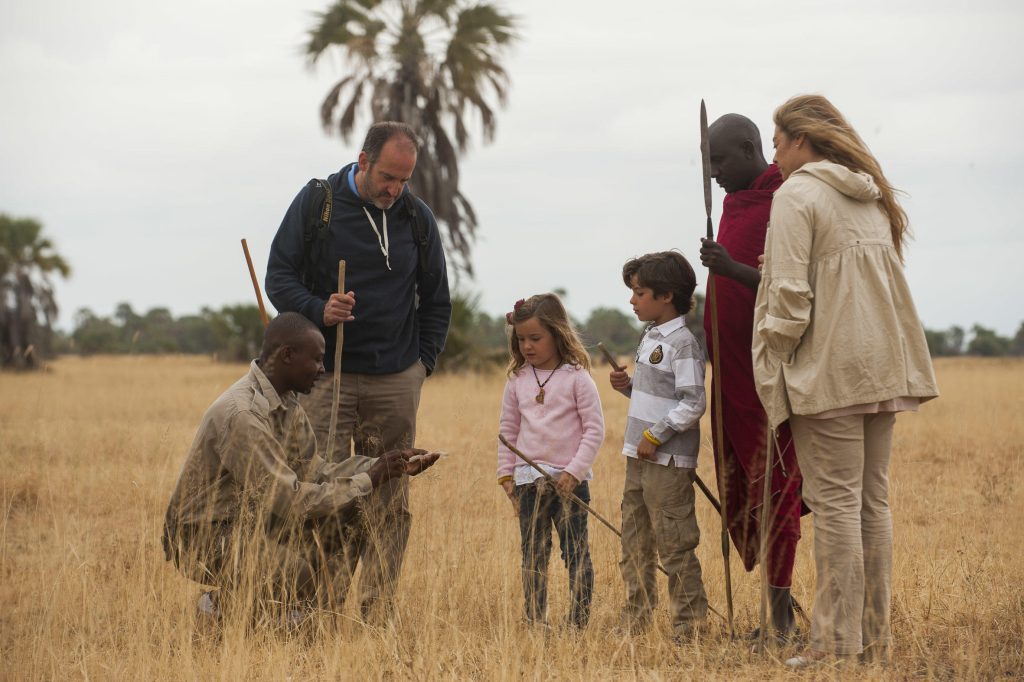
Cultural exposure adds another dimension. Visits to Maasai communities near conservation areas introduce children to pastoral traditions and different ways of life. These encounters broaden understanding beyond wildlife.
The emotional value often becomes clear after returning home. Children remember specific moments vividly. The sound of hyenas at night. The scale of the savannah. The smell of dust after rainfall. These memories anchor the experience in ways typical vacations rarely achieve.
Tanzania offers the right mix of predictability and wildness. Wildlife sightings are frequent. Infrastructure is reliable. Yet the landscapes remain authentic. This combination makes it one of the strongest destinations in Africa for families seeking both safety and immersion.
Why Tanzania Is Ideal for a Family Safari
Tanzania’s reputation as a safari destination rests on scale, biodiversity, and conservation stability. For families, these elements translate into reliability. The country does not depend on a single highlight. It offers multiple ecosystems within accessible distance.
Wildlife Density and Predictability
In destinations such as Tarangire National Park, elephant herds gather in large numbers during the dry season. Baobab trees frame the landscape. Rivers attract wildlife. Sightings feel concentrated. This predictability reduces long, empty drives that can test children’s patience.
The Serengeti plains allow long-range visibility. Predators are easier to locate. Game drives often include multiple species within short distances. This density supports engagement across all ages.
Political Stability and Tourism Structure
Tanzania has maintained a stable tourism framework for decades. National parks are managed by the Tanzania National Parks Authority. Regulations control vehicle numbers in sensitive areas. Guides undergo licensing and training. For families, this organized structure provides reassurance.
Major entry points such as Kilimanjaro International Airport connect efficiently to safari regions. Road networks in the Northern Circuit are well established compared to more remote African destinations.
Educational Depth
A safari in Tanzania becomes a live classroom. Migration patterns illustrate ecological balance. Predator-prey dynamics become visible lessons. Guides interpret animal behavior in real time. Children absorb conservation principles naturally.
The Great Migration remains one of the most powerful natural spectacles on Earth. Watching thousands of wildebeest move across the plains demonstrates survival instincts on a massive scale. These observations create long-lasting impressions.
Infrastructure Without Overdevelopment
Unlike heavily commercialized wildlife destinations, Tanzania retains a sense of wilderness. Camps blend into the surroundings. Lodges are spaced apart. Noise pollution is minimal. Families experience authentic nature without sacrificing essential comfort.
Accommodations range from permanent lodges to tented camps with family suites. Many properties provide structured dining times, flexible meal options, and safe walking paths within camp boundaries.
The combination of wildlife density, logistical strength, and conservation commitment makes Tanzania uniquely positioned for family travel. It is adventurous but controlled. Wild but organized. Immersive yet manageable.

Plan Your Trip to Tanzania
Chat with a local specialist who can help organize your trip.
Best National Parks for a Family Safari in Tanzania
Choosing the right parks determines the rhythm and success of a family safari in Tanzania. Distance between destinations, wildlife concentration, road conditions, and accommodation availability all influence how comfortable and engaging the experience becomes. Tanzania offers multiple safari regions, but not all are equally suited for families. The Northern Circuit remains the most practical and rewarding for first-time family safaris, while selected southern parks work well for older children seeking a more remote atmosphere.
Serengeti National Park
Serengeti National Park represents the classic image of Africa. Vast plains stretch to the horizon. Acacia trees stand isolated against wide skies. Wildlife moves freely across open land. For families, this openness is important. Animals are easier to see. Long grass rarely blocks the view. Game drives feel active rather than slow.
The Serengeti supports one of the highest densities of large mammals in Africa. Lions are commonly sighted resting under shade trees or near kopje rock formations. Cheetahs scan the plains from elevated termite mounds. Elephants travel in steady family groups. Hyenas patrol at dawn and dusk. The frequency of sightings reduces long stretches of searching that can test children’s patience.
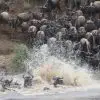
The Great Migration adds seasonal drama. Between December and March, the southern plains host thousands of newborn wildebeest calves. Predator interaction increases. From June to October, river crossings in the northern sector create intense wildlife scenes. For families with older children, witnessing this movement becomes unforgettable.
Accommodation options in the Serengeti are varied. Permanent lodges offer family suites and swimming pools in some regions. Mobile tented camps follow migration patterns but may have age restrictions. Selecting the right property ensures safety and comfort. Private safari vehicles allow flexibility, letting families shorten or extend game drives as needed.
Ngorongoro Crater
The Ngorongoro Crater offers one of the most concentrated wildlife experiences in Africa. Formed by a collapsed volcano, the crater encloses a rich ecosystem within steep walls. Descending into the crater feels like entering a contained wildlife arena.
For families, this concentration works well. Game drives often reveal elephants, buffalo, lions, zebras, and hippos within a single morning. The relatively compact area reduces long driving distances. Sightings are frequent. Children remain engaged because animals appear regularly.
The crater also offers opportunities to spot black rhinos, a species that is more difficult to locate elsewhere. This rarity adds excitement to the experience. Guides often structure crater visits as full-day excursions, with picnic lunches near hippo pools. The predictable wildlife presence makes this park especially suitable for shorter itineraries.
Lodges positioned along the crater rim provide dramatic views. Cooler temperatures at higher elevations create comfortable sleeping conditions. Families often combine one night near the crater with longer stays in surrounding parks to maintain variety.
Tarangire National Park
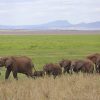
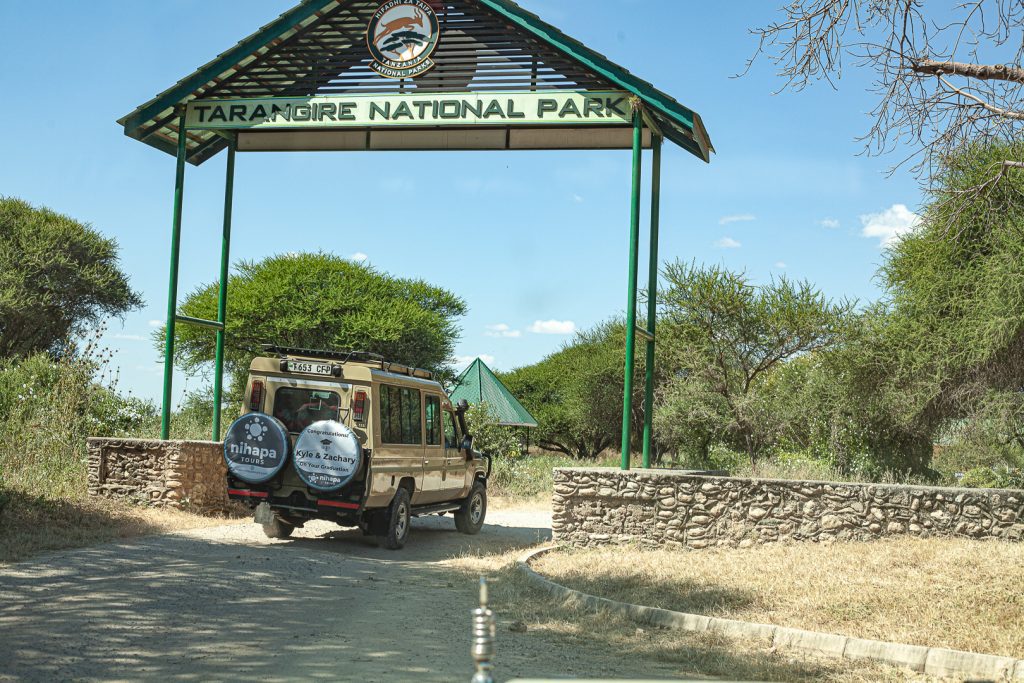
Tarangire National Park is known for its elephant herds and ancient baobab trees. During the dry season, wildlife gathers along the Tarangire River. Large concentrations of elephants move through the park, sometimes in groups exceeding fifty individuals.
For children, elephants often become the highlight. Their size, social behavior, and proximity to vehicles leave a lasting impression. Tarangire also hosts giraffes, wildebeest, zebras, and numerous bird species. The landscape feels less crowded than the Serengeti, providing a quieter atmosphere.
Game drives here tend to be manageable in length. The park works well as the starting point of a Northern Circuit itinerary because it lies relatively close to Arusha. Families can ease into safari rhythm without immediately facing very long travel days.
Accommodation options include lodges and tented camps offering family rooms. Some properties feature swimming pools, which provide valuable relaxation time between game drives.
Lake Manyara National Park
Lake Manyara National Park is smaller than other Northern Circuit parks but offers ecological diversity. Forested areas near the entrance create a different environment from open plains. Tree-climbing lions are occasionally spotted here, though sightings are never guaranteed.
The park’s compact size makes it suitable for half-day game drives. Flamingos sometimes gather along the lake’s shoreline when water levels allow. Baboons are commonly seen near the forested entrance, providing immediate wildlife encounters.
For families with limited time, Lake Manyara can serve as a transitional stop between Arusha and Ngorongoro. It offers variety without requiring extended travel.
Arusha National Park
Arusha National Park provides a softer introduction to safari. Located near Arusha town, it features Mount Meru as a backdrop. Wildlife includes giraffes, zebras, and colobus monkeys rather than large predator populations.
This park suits families with very young children who may benefit from shorter excursions. Canoeing on Momella Lakes and walking safaris with armed rangers add diversity without overwhelming intensity.
Nyerere National Park
Nyerere National Park, formerly part of Selous Game Reserve, lies in southern Tanzania. It is larger and more remote than Northern Circuit parks. Boat safaris along the Rufiji River introduce a different perspective. Crocodiles and hippos dominate riverbanks.
For families with older children or teenagers, Nyerere offers adventure and fewer vehicles. However, travel distances are longer. Logistics require careful coordination, often involving domestic flights.
Ruaha National Park
Ruaha National Park is one of Tanzania’s wildest parks. Predator density is high. Landscapes are rugged. Visitor numbers are low. This remoteness suits experienced safari travelers with older children.
Road transfers can be lengthy, making fly-in access preferable. Ruaha works best as part of an extended itinerary rather than a short family trip.
Selecting parks thoughtfully shapes the entire safari. For most families, combining Tarangire, Ngorongoro, and Serengeti provides variety, strong wildlife sightings, and manageable travel times. Southern parks add depth for those seeking quieter, more remote experiences.
Plan Your Trip to Tanzania
Chat with a local specialist who can help organize your trip.
Northern Circuit vs Southern Circuit for Families
When planning a family safari in Tanzania, one of the first strategic decisions is choosing between the Northern Circuit and the Southern Circuit. Each offers a unique wildlife experience, travel logistics, and accommodation style. Understanding the differences helps families optimize time, minimize fatigue, and maximize wildlife engagement.
The Northern Circuit is the most popular choice for families, especially first-time visitors. It includes Serengeti National Park, Ngorongoro Crater, Tarangire National Park, and Lake Manyara National Park. These parks are relatively close to Arusha, Tanzania’s safari gateway, making road transfers manageable and reducing long driving hours. This proximity is crucial for families with younger children, who may struggle with extended periods in vehicles. The Northern Circuit also has more established accommodation, from mid-range lodges to luxury tented camps with family suites. Services such as swimming pools, child-friendly dining, and private vehicles are widely available, creating a comfortable balance between adventure and rest.
In contrast, the Southern Circuit is less traveled, including parks such as Nyerere National Park, Ruaha National Park, and parts of Selous Game Reserve. These areas are more remote, offering fewer vehicles and larger expanses of untouched wilderness. For families with teenagers or older children who thrive on adventure and minimal crowds, the Southern Circuit provides a sense of real exploration. However, travel distances are longer, and transfers often require domestic flights or extended drives. Lodging options are more limited, and not all camps accommodate children under certain ages. This makes careful planning essential to avoid fatigue or frustration.
Travel Distances and Road Conditions
The Northern Circuit is characterized by well-maintained gravel and paved roads. Game drives are usually short enough to keep children engaged, often ranging between 1 and 3 hours before a rest or meal break. Lodges are spaced to minimize long transfers. The Southern Circuit, on the other hand, requires driving over rougher, less developed roads. Travel times can stretch into full days for some routes, which may challenge younger children or those not used to rough terrain. Families considering the Southern Circuit often choose fly-in options to reduce ground travel.
Wildlife Concentration Differences
Northern parks like Serengeti and Ngorongoro offer predictable wildlife viewing. The Serengeti plains host high densities of lions, cheetahs, elephants, and wildebeest, while Ngorongoro Crater’s compact ecosystem ensures frequent sightings. Tarangire delivers spectacular elephant herds, and Lake Manyara showcases tree-climbing lions and flamingos. This reliability keeps children engaged and creates daily “wow” moments. Southern parks are less predictable, but the reward is a sense of untouched wilderness. Hippos, crocodiles, and large predators dominate river systems in Nyerere and Ruaha, offering unique photographic and observational opportunities.
Accommodation Styles
Northern Circuit lodges cater heavily to families. Many offer interconnecting rooms or family tents, swimming pools, children’s menus, and guided activities. Evening entertainment, cultural performances, and guided walks are also family-friendly. In the Southern Circuit, luxury lodges exist but are fewer. Some tented camps have strict age policies. Families must confirm child accommodations in advance, often reserving private vehicles and full-board packages.
Which Circuit Suits Different Age Groups
For families with toddlers or children under ten, the Northern Circuit is generally safer and easier. Shorter drives, frequent animal sightings, and established infrastructure reduce stress and fatigue. Families with older children, teenagers, or adventure-minded groups can consider the Southern Circuit for a more immersive experience. They gain solitude, remote wildlife encounters, and the opportunity to witness ecosystems largely untouched by tourism.
In conclusion, the choice between circuits depends on family composition, age, tolerance for travel, and desired safari experience. Many families combine both circuits in extended itineraries or opt for a Northern Circuit-focused trip with optional Southern Circuit extensions. Either choice requires careful planning to ensure a balance of wildlife excitement, comfort, and manageable logistics.
Plan Your Trip to Tanzania
Chat with a local specialist who can help organize your trip.
Ideal Age for Children on Safari
One of the most important considerations when planning a family safari in Tanzania is determining the appropriate age for children. While Tanzania is family-friendly, not all parks, lodges, or activities are suitable for very young children. Understanding developmental needs, attention spans, and safety requirements helps create an enjoyable experience for the whole family.
Toddlers and Preschoolers
Children under five years old require extra planning. Early mornings and long drives can be challenging, as toddlers tire quickly and may struggle with car seats or long periods of sitting. Many lodges have minimum age requirements for children on game drives. Families with toddlers often choose accommodations that offer amenities such as babysitting, child-proof rooms, and pools. Parks with shorter drives, like Lake Manyara National Park and Arusha National Park, are ideal for introducing young children to safari. These parks feature wildlife in smaller, concentrated areas, reducing the need for long transfers.
Toddlers benefit from predictable routines. Breakfast, short game drives, lunch, and afternoon rest form a rhythm they can adapt to. Camps and lodges that allow naptime during peak midday heat help maintain energy levels. Families should also pack snacks, sun protection, and suitable clothing for sudden weather changes. Early exposure to nature at this age fosters curiosity, even if the child does not remember every sighting vividly.
Primary School Age
Children between six and twelve are usually the perfect age for a family safari. They have the stamina for longer game drives, can follow basic safety instructions, and are naturally curious about wildlife and ecosystems. They are more likely to engage with guides, ask questions, and retain the educational aspects of the safari.
Northern Circuit parks such as Serengeti National Park, Ngorongoro Crater, and Tarangire National Park are ideal for this age group. Wildlife is abundant and predictable, ensuring daily excitement. Activities such as bush walks (with a guide) and short cultural visits to Maasai villages can also be introduced. This age group can begin to understand ecological concepts like predator-prey relationships and migration cycles.
It is also an age when children enjoy photography. Many safari lodges provide cameras for children or allow them to practice wildlife photography, creating lasting memories and developing observational skills.
Teenagers
Teenagers can handle longer drives, rougher roads, and more remote camps. For this age group, Southern Circuit parks like Nyerere National Park and Ruaha National Park provide adventure, solitude, and more challenging game viewing. These parks offer the chance to witness ecosystems less frequented by tourists, giving older children a sense of true wilderness.
Teenagers can also appreciate educational content at a deeper level. Discussions about conservation, habitat loss, and wildlife protection resonate more. They can participate in guided hikes, birdwatching, or tracking activities alongside professional guides, creating a more hands-on experience.
Lodge Age Policies and Safety Rules
Families must review lodge age policies before booking. Some tented camps restrict children under six or seven from certain activities. Safety rules often require children to remain inside vehicles during game drives. Guides provide briefings to explain how to behave around wildlife, emphasizing quiet observation, seatbelt use, and maintaining distance from animals.
Safety in Tanzania is generally strong. Licensed guides are trained in emergency procedures. Lodges are equipped for medical contingencies. However, parents must remain vigilant. It is essential to balance adventure with supervision to prevent fatigue, dehydration, or excessive exposure to the sun and insects.
How Many Days Are Ideal for a Family Safari
Determining the right length for a family safari in Tanzania is crucial. Too short, and the experience feels rushed and stressful. Too long, and children and even adults may become fatigued or lose interest. The ideal duration balances wildlife viewing, travel time, rest, and enrichment. Family-focused itineraries often range between three and ten days, depending on age, park selection, and combination with other destinations like Zanzibar.
Short 3–4 Day Safaris
A three to four-day safari is ideal for families visiting Tanzania for the first time or those with limited vacation time. It allows a focused exploration of one or two parks without overwhelming children. Typical itineraries might include Tarangire National Park for its elephant herds and baobabs, and Ngorongoro Crater for concentrated wildlife viewing.
Short safaris minimize time on the road. Families can maintain energy levels and establish a daily rhythm of morning drives, midday rest, and afternoon exploration. Lodges selected for these trips usually offer child-friendly amenities like pools, family suites, and short walking trails. Even a brief safari can provide memorable experiences, especially if the itinerary focuses on parks with high wildlife density and predictable sightings.
Classic 5–7 Day Itineraries
A five to seven-day safari is the most common choice for families seeking a comprehensive experience. It allows visits to three or more parks, including Serengeti National Park, Ngorongoro Crater, and Lake Manyara National Park, or Tarangire National Park.
Longer itineraries provide flexibility. Morning game drives can be extended for better sightings, while afternoons allow for rest or swimming at lodges. Families can include cultural visits to Maasai communities or short bush walks with professional guides. This duration also gives time to adapt to altitude changes near Ngorongoro Crater and reduce motion fatigue from road transfers.
A week-long safari ensures children remain engaged throughout. Each day offers a new landscape and ecosystem, from riverine forests to open plains, creating variety in wildlife encounters. Guides can structure drives to maintain excitement while allowing breaks for meals, rest, and photography.
Extended 8–10 Day Adventures
For families seeking a deep safari experience, eight to ten days provides an opportunity to combine the Northern and Southern Circuits. This allows exploration of remote parks like Ruaha National Park or Nyerere National Park alongside the classic Serengeti and Ngorongoro route.
Extended itineraries offer immersive wildlife observation and educational opportunities. Families can witness migration patterns, predator-prey dynamics, and ecological diversity in different regions. Domestic flights may be used to reduce road transfer times. These trips are ideal for families with older children or teenagers who can handle longer drives and more adventurous experiences.
Extended safaris also allow downtime. Lodges often provide additional activities such as guided bush walks, birdwatching, or boat excursions. Rest days reduce fatigue and give families time to process and enjoy the experiences fully.
Plan Your Trip to Tanzania
Chat with a local specialist who can help organize your trip.
Combining Safari with Zanzibar
Many families choose to combine a safari with a Zanzibar beach holiday. After several days of wildlife viewing, a few days of rest along Zanzibar’s beaches provide relaxation and recovery. This combination is particularly effective for families with younger children who benefit from alternating high-activity days with calm beach time.
Flight connections between Arusha or Kilimanjaro and Zanzibar are frequent and relatively short, typically one to two hours. This allows a seamless transition without exhausting transfers. Families can plan a 5–7 day safari followed by 3–4 days in Zanzibar, balancing adventure with relaxation.
Where to Stay on a Family Safari
Selecting the right accommodation is as important as choosing the parks themselves. A family safari is only as enjoyable as the comfort, safety, and amenities of the lodges or camps where you stay. Tanzania offers a range of lodging options, from permanent luxury lodges to mobile tented camps, each with unique advantages and considerations for families.
Family-Friendly Safari Lodges
Permanent lodges in the Northern Circuit are particularly suited for families. Many are designed with family suites or interconnecting rooms, allowing parents and children to stay close while maintaining privacy. Lodges often feature swimming pools, dining areas with flexible meal times, and staff trained to assist children with Support needs or dietary requirements.
Lodges near the Serengeti or Ngorongoro Crater provide easy access to parks while minimizing long vehicle transfers. For families with younger children, this is essential. It reduces fatigue and allows for rest periods between game drives. Lodges may also offer evening programs or guided nature walks suitable for children, which help balance adventure with downtime.
Private Villas and Exclusive Use Camps
For families seeking privacy and flexibility, private villas or exclusive-use camps are ideal. These accommodations provide dedicated staff, including chefs and guides, and allow families to customize their safari schedule. Children can enjoy freedom within safe camp boundaries while parents relax. Private vehicles enable game drives at a personalized pace, ensuring shorter or longer excursions depending on energy levels and interest.
Exclusive-use camps often provide child-friendly bedding, safety railings, and play areas. Some also offer educational activities, including animal tracking lessons, birdwatching, and basic ecology programs. These experiences create additional learning opportunities beyond the standard game drive.
Tented Camps vs Permanent Lodges
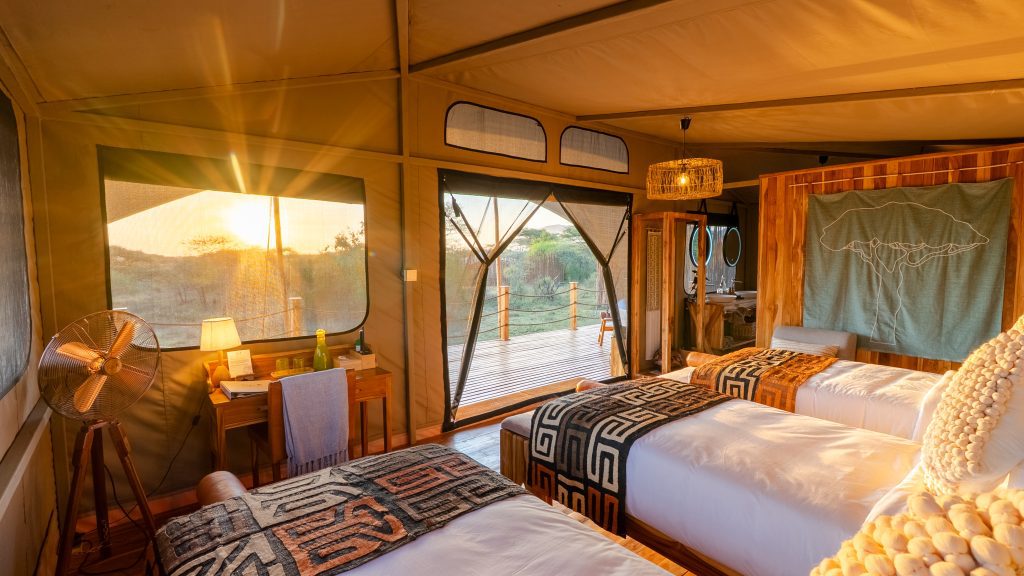
Tented camps offer a more immersive wilderness experience. Families sleep in canvas tents elevated on platforms, often with en-suite bathrooms. Many tented camps move seasonally to follow migration patterns, providing access to wildlife hotspots. While adventurous, these camps require consideration of age restrictions; some do not allow children under six or seven.
Permanent lodges, in contrast, offer solid walls, electricity, and more predictable services. They are ideal for families with toddlers or younger children. Lodges provide consistent amenities, including heated showers, secure dining, and reliable communication facilities. For families seeking a balance of comfort and wildlife immersion, combining a lodge stay with a night or two in a tented camp can create variety without sacrificing convenience.
Pools, Activity Rooms, and Downtime Spaces
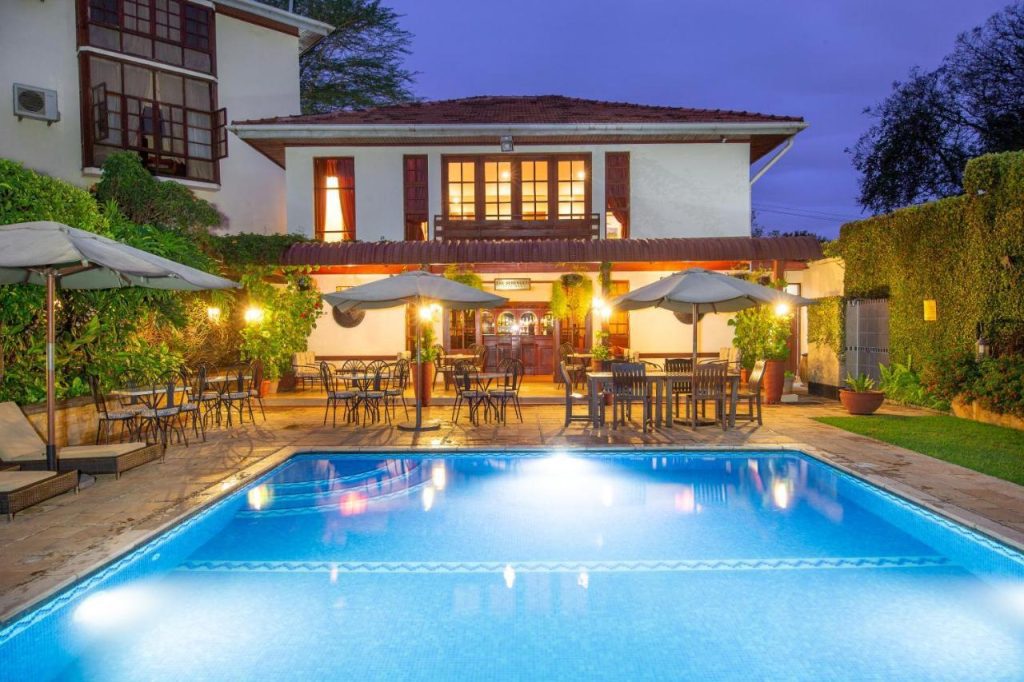
Family-oriented lodges often include swimming pools, game rooms, or outdoor play areas. These spaces are essential for children to expend energy between drives. Pools provide a safe and controlled environment for fun, while game rooms or reading areas offer quiet activities during hot midday hours.
Evening programs, such as storytelling or cultural demonstrations, enrich the stay while allowing parents to relax. Staff often organize age-appropriate activities to maintain engagement. Downtime is critical for family safaris because children who are rested and entertained are more likely to enjoy early morning drives and long afternoons in the field.
Booking Tips for Families
When selecting accommodations, families should confirm age policies, meal options, and activity suitability. Early bookings are recommended, particularly during peak seasons such as July to October, when the Great Migration or school holidays coincide with high demand. Private vehicles, family suites, and inclusive packages often fill quickly, so reserving well in advance ensures both comfort and convenience.
Planning Game Drives with Children
Game drives are the heart of a Tanzanian safari, but when traveling with children, careful planning is essential to ensure that the experience is both safe and enjoyable. Unlike adult-only safaris, family-focused drives must consider attention spans, energy levels, and the comfort of younger travelers. Proper scheduling, vehicle choice, and guide selection can make all the difference.
Morning vs Afternoon Drives
Morning drives are the highlight of most safaris. Animals are most active during cooler hours, increasing the likelihood of predator sightings and dramatic wildlife behavior. For families, early morning drives require consideration of children’s sleep patterns and energy. Parents should prepare for earlier wake-up times, packing snacks, warm clothing, and blankets for younger children who may be sensitive to cold or fatigue.
Afternoon drives are shorter and often less intense, providing opportunities for birdwatching, photography, and slower-paced observation. These drives suit families with younger children, offering flexibility while maintaining engagement. Combining morning and afternoon drives with midday rest at the lodge ensures children have time to recover and reduces the risk of burnout.
Managing Attention Spans
Children, especially those under ten, have limited attention spans. Long, uninterrupted drives may lead to restlessness. Guides can mitigate this by incorporating frequent stops to observe animals, take photos, or simply stretch legs. Some lodges offer educational materials, such as animal tracking charts or activity books, to keep children interested during downtime.
Interactive elements, like teaching children to identify tracks or bird species, encourage observation and involvement. Engaging children with the process of spotting animals rather than simply moving from one sighting to the next transforms game drives into educational adventures rather than passive travel experiences.
Private Vehicles vs Shared Vehicles
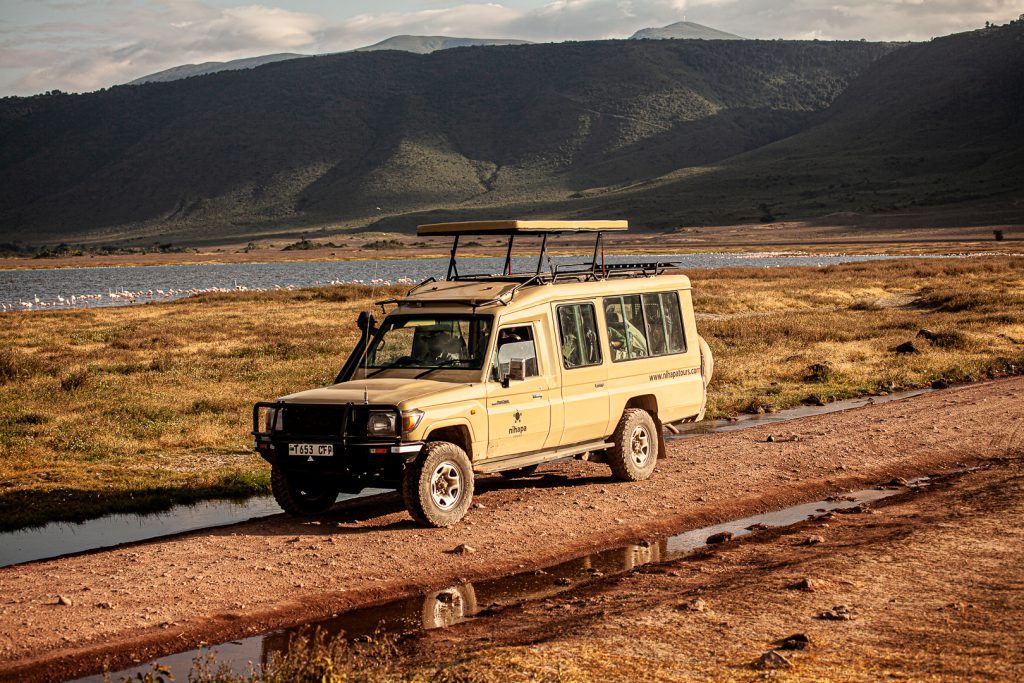
For family safaris, private vehicles are often the most practical option. They allow families to set their own pace, take breaks as needed, and adjust the route based on children’s energy levels. Guides in private vehicles can answer questions in detail, provide tailored explanations, and adapt the drive to include more or fewer stops depending on family interest.
Shared vehicles, while cost-effective, can limit flexibility. Children may feel constrained in seating arrangements, and the pace is dictated by the group. For families seeking an optimal balance of learning, engagement, and comfort, private vehicles are highly recommended, even if they involve higher costs.
Safety Briefings and Bush Etiquette
Before any game drive, families should receive a safety briefing. Children should understand that animals are wild and unpredictable, and vehicles must remain within designated areas. Guides emphasize quiet observation, avoiding sudden movements, and keeping arms and legs inside the vehicle.
Children can be taught to respect wildlife from the first drive. Simple rules, such as no feeding animals, keeping noise to a minimum, and observing from a safe distance, become ingrained habits that enhance both safety and the safari experience.
Incorporating Educational Opportunities
Game drives can be more than just wildlife viewing. Guides often integrate lessons on ecological balance, predator-prey relationships, and conservation. Children enjoy learning why elephants follow migration routes or how lions communicate within prides. These insights turn observation into active learning, creating a memorable and meaningful safari experience.
The Great Migration and Why It Fascinates Families
The Great Migration is one of Tanzania’s most iconic wildlife events and a highlight of any family safari. Each year, over a million wildebeest, along with hundreds of thousands of zebras and gazelles, traverse the Serengeti plains and Mara ecosystem in search of fresh grazing. This continuous movement of animals creates a dynamic and unforgettable spectacle that captures the attention of children and adults alike.
Timing and Seasonal Patterns
The migration follows a predictable pattern tied to rainfall and grass growth. From December to March, the southern Serengeti hosts calving season, when thousands of newborn wildebeest appear. Predators are drawn to the plains during this time, offering families dramatic yet safe observation opportunities.
Between April and May, animals move gradually northward as the southern plains dry. From June to October, the northern Serengeti sees river crossings at the Grumeti and Mara rivers. Crocodiles patrol these rivers, creating tense and exciting wildlife interactions that older children and teenagers often find thrilling. Families can plan safaris around these periods to witness key events safely, guided by experienced tour operators.
Why Children Are Engaged
The Great Migration is visually impressive. Endless lines of animals move across vast plains, creating a sense of scale that is difficult to convey in books or films. Children can see herds stretching to the horizon, follow predator-prey interactions from a safe distance, and observe unique animal behaviors like mothers guiding calves through open terrain.
The spectacle also fosters learning. Children develop an understanding of survival instincts, the importance of grasslands, and the interconnectedness of species. Guides often explain the ecological significance of the migration in age-appropriate ways, turning awe into curiosity and knowledge.
Accessibility and Viewing Tips
For families, viewing the Great Migration is easiest in the Northern Circuit, particularly in the Serengeti’s northern plains during the dry season. Lodges and camps in these areas offer private vehicles and early morning drives that maximize the chances of witnessing river crossings, predator activity, and large herds.
Younger children benefit from shorter drives or flexible schedules, allowing families to experience the spectacle without fatigue. Binoculars and cameras enhance engagement, while guides provide insights that keep children focused. Evening storytelling sessions often recap the day’s sightings, reinforcing learning and excitement.
Safety Considerations
While the migration is mesmerizing, safety is critical. Animals, especially predators, should always be observed from vehicles. Guides maintain strict protocols to ensure children do not get too close, and lodges reinforce rules about staying within camp boundaries. This structured approach allows families to enjoy the thrill without risk.
Combining the Migration with Other Parks
Families often combine migration viewing with other Northern Circuit parks. Tarangire’s elephant herds, Ngorongoro’s crater wildlife, and Lake Manyara’s birdlife provide complementary experiences. This combination ensures children remain engaged daily, experiencing variety while witnessing one of the planet’s greatest natural spectacles.
Plan Your Trip to Tanzania
Chat with a local specialist who can help organize your trip.
Cultural Experiences for Families in Tanzania
Tanzania is not only a land of incredible wildlife but also a country rich in cultural heritage. For families, combining wildlife adventures with cultural experiences creates a more holistic safari, allowing children to learn about local traditions, history, and lifestyles. Engaging with Tanzanian communities adds depth to the safari, making it both educational and memorable.
Visiting Maasai Villages
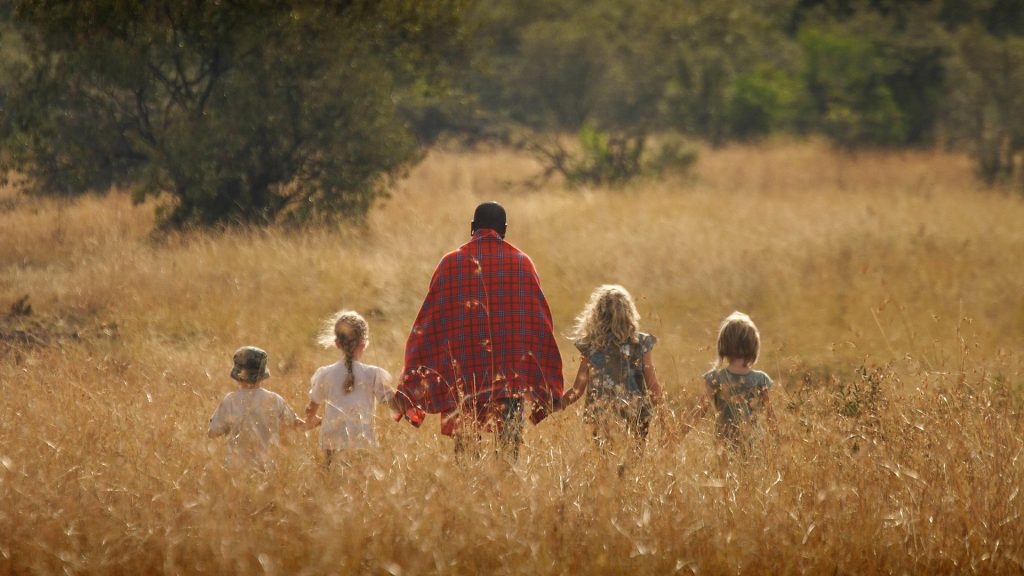
One of the most accessible and fascinating cultural experiences is visiting Maasai villages. The Maasai are renowned for their distinctive red clothing, intricate beadwork, and traditional cattle-herding lifestyle. Visiting a village allows families to observe daily routines, interact with local children, and understand how the Maasai live in harmony with the environment.
Guided tours help children engage safely and respectfully. Kids can participate in age-appropriate activities such as traditional dancing, learning basic Swahili greetings, or observing the care of livestock. These encounters teach respect, curiosity, and global awareness. For parents, it’s a chance to explain the importance of cultural sensitivity and responsible tourism.
Engaging with Local Communities
Beyond Maasai villages, families can explore local towns, markets, and schools near the safari parks. These visits introduce children to Swahili culture, local crafts, and culinary traditions. Observing market life, participating in a cooking demonstration, or learning a traditional craft provides hands-on learning that complements the wildlife-focused part of the safari.
Community-based tourism programs allow families to contribute positively while visiting. Purchasing locally made souvenirs, supporting school programs, or participating in guided community tours helps children understand that travel can create tangible benefits for local people. It also reinforces lessons in empathy and responsibility.
Zanzibar Cultural Immersion
If the safari is combined with Zanzibar, families gain access to a vibrant cultural hub. Stone Town, a UNESCO World Heritage site, showcases Swahili architecture, historic markets, and cultural landmarks influenced by Arab, Indian, and African traders. Guided tours provide children with context about the city’s history, trade, and daily life.
Spice farm visits in Zanzibar offer interactive learning opportunities. Children can touch, smell, and taste local spices like cinnamon, cloves, and nutmeg while learning about agriculture and trade. Engaging with the land and farmers encourages curiosity about ecosystems and human reliance on natural resources.
Music, Dance, and Storytelling
Traditional music and dance are integral to Tanzanian culture. Family-friendly performances often include drumming, singing, and dance demonstrations that children can observe or even participate in. These experiences expose children to storytelling traditions, rhythm, and communal celebration, enhancing their appreciation for cultural expression.
Guided storytelling sessions at lodges or villages allow children to hear folktales and legends, fostering imagination and critical thinking. Learning songs or basic dance steps helps children actively engage and creates fun, memorable moments.
Responsible Cultural Engagement
Parents should emphasize respect and sensitivity during cultural interactions. Photography should be requested and approved, clothing should be appropriate, and social norms should be followed. Teaching children to behave responsibly ensures that cultural exchanges are positive and meaningful for both visitors and host communities.
Safari Safety for Families
Safety is one of the most important considerations when planning a family safari in Tanzania. With wildlife encounters, remote locations, and unfamiliar environments, families need to be aware of potential risks and take precautions to ensure a secure and enjoyable experience. Proper planning, guidance, and awareness allow children and adults alike to enjoy the thrill of a safari while staying safe.
Understanding Wildlife Risks
Tanzania’s parks are home to a diverse range of wildlife, including lions, elephants, buffalo, hippos, and crocodiles. While animals are generally not aggressive toward humans when approached responsibly, families must follow strict rules. Children should remain inside vehicles at all times, avoid loud noises, and never attempt to feed or touch wild animals.
Guides are trained to identify animal behavior and ensure safe distances. Understanding warning signs, such as animal posturing or sudden movements, helps families avoid potentially dangerous situations. Children can be taught to observe quietly, enhancing safety while also fostering respect and appreciation for wildlife.
Vehicle and Road Safety
Most safari game drives occur in 4×4 vehicles equipped for rugged terrain. Parents should ensure all children are securely seated, ideally with booster seats if needed. Seat belts should be fastened whenever the vehicle is in motion.
Road conditions in Tanzania can vary. Dusty tracks, uneven terrain, and occasional steep inclines require careful driving. Experienced guides know park routes, hazard areas, and optimal times for safe driving, reducing the risk of accidents. Families should communicate clearly with drivers regarding children’s comfort and travel needs during long drives.
Health Precautions
Health and hygiene are vital for families on safari. Children should be up-to-date on vaccinations, including those recommended for travel to Tanzania. Mosquito precautions, including the use of repellents, long-sleeved clothing, and insecticide-treated bed nets, are essential to prevent malaria and other insect-borne diseases.
Hydration and sun protection are also critical. Carry sufficient water for game drives, encourage frequent water breaks, and apply sunscreen regularly. Hats and sunglasses help shield children from harsh sun exposure, and light-colored, breathable clothing keeps them comfortable.
Emergency Preparedness
Accidents and unexpected health issues can occur. Families should carry a first-aid kit, essential medications, and contact information for local medical facilities. Reputable safari operators, such as Nihapa Tours, have emergency protocols and staff trained in first aid. Parents should brief children on basic safety instructions, such as staying with the group and listening to the guide at all times.
Travel insurance covering medical emergencies, evacuation, and trip cancellations is highly recommended. This ensures families can access care promptly and reduces stress in case of unforeseen events.
Lodges and Accommodation Safety
Choosing family-friendly lodges ensures additional safety measures. Many lodges provide childproof accommodations, secure pools, and supervised activities. Staff are trained to assist families with young children, provide emergency support, and maintain a safe environment within the property.
It is important for parents to check safety features in advance, including fencing, access to medical help, and vehicle pick-up arrangements. Private lodges often provide extra flexibility and monitoring, which can be especially reassuring for families with toddlers or young children.
Behavioral Guidelines
Children should be taught to follow safari rules consistently. This includes staying in vehicles, not approaching animals, avoiding sudden movements, and listening attentively to the guide. Parents should model appropriate behavior, demonstrating calm observation, patience, and respect for wildlife and the environment.
During walks, boat trips, or cultural visits, maintaining vigilance is equally important. Guides typically provide clear instructions for safe conduct, and families should adhere strictly to these guidelines to prevent accidents or misunderstandings.
Safe Wildlife Observation Techniques
Binoculars, cameras, and zoom lenses allow children to observe and photograph animals from a safe distance. Encourage them to scan their surroundings quietly and remain seated during sightings. Teaching children about animal behavior and warning signs adds an educational component while reinforcing safety.
The timing of game drives also plays a role in safety. Early morning and late afternoon drives are generally cooler and less crowded, reducing stress on children. Midday heat can cause fatigue and dehydration, so planning breaks and limiting driving time ensures children remain alert and comfortable.
Plan Your Trip to Tanzania
Chat with a local specialist who can help organize your trip.
What to Pack for a Family Safari in Tanzania
Packing for a family safari in Tanzania requires careful planning to balance comfort, safety, and preparedness. Families need to consider the diverse environments they will encounter, from dusty savannahs and riverbanks to lodge settings and coastal areas. Thoughtful packing ensures children remain comfortable and engaged while parents have peace of mind.
Clothing Essentials
Safari clothing should prioritize comfort, sun protection, and blending with natural surroundings. Neutral colors such as beige, khaki, or olive are ideal, as bright colors can disturb wildlife. Lightweight, breathable fabrics help keep children cool during game drives and hikes.
Layering is essential because mornings and evenings can be cool, especially in the highlands or during early morning game drives. A light fleece or jacket, long-sleeved shirts, and a sun hat provide warmth and protection. Comfortable walking shoes or closed-toe sneakers are recommended for lodge activities and bush walks. Sandals can be worn around the lodge but are not suitable for wildlife areas.
Sun and Insect Protection
Sun protection is critical in Tanzania’s equatorial climate. Families should pack sunscreen with high SPF, sunglasses, and wide-brimmed hats. Children may require extra reminders to reapply sunscreen during long drives or outdoor activities.
Insect repellent is essential to prevent mosquito bites and minimize the risk of malaria and other insect-borne illnesses. Some lodges provide treated bed nets, but families should carry their own if traveling with young children. Light-colored, long-sleeved clothing can further reduce exposure to insects during outdoor activities.
Safari Gear and Accessories
Binoculars are invaluable for wildlife spotting, especially for children who may be seated lower in vehicles. Cameras, smartphones, and zoom lenses allow families to capture memorable moments safely. Extra memory cards, batteries, and chargers ensure that devices remain functional throughout the safari.
Water bottles are necessary to maintain hydration during game drives. Families should bring reusable bottles to reduce plastic waste, promoting sustainable travel practices. A small daypack allows children to carry essentials such as snacks, binoculars, and a notebook for wildlife observations.
Health and Safety Supplies
A well-stocked first-aid kit is important for families, including antiseptic wipes, bandages, insect bite cream, and any prescribed medications. Motion sickness tablets may be helpful for children prone to nausea during long drives.
Parents should pack necessary vaccination documentation and any health-related supplies, including malaria prophylaxis, sunscreen, and anti-diarrheal medication. Guides and lodges provide support in emergencies, but being prepared reduces stress and ensures smooth travel.
Educational and Entertainment Items
Keeping children engaged during downtime is important. Activity books, wildlife guides, sketchpads, or travel journals encourage observation and learning. Simple games, cards, or storytelling activities are useful during long drives or evening breaks at lodges.
Children can also bring cameras or binocular adapters to encourage independent wildlife observation, fostering creativity and responsibility. Lodges may offer educational programs or guided activities, but having personal items ensures consistent engagement.
Travel Documents and Money
Families should carry passports, visas, travel insurance details, and copies of booking confirmations. Keeping documents organized in a secure, waterproof pouch is advisable. Some lodges and markets accept credit cards, but cash in Tanzanian shillings may be needed for tips, small purchases, or local souvenirs.
Optional Items
Additional items such as swimming gear, lightweight rain jackets, and hats with neck protection can enhance comfort. For safaris combined with Zanzibar or other coastal areas, packing beachwear, snorkeling gear, and casual resort clothing is necessary.
Plan Your Trip to Tanzania
Chat with a local specialist who can help organize your trip.
Domestic Flights and Safari Transfers
Efficient travel between Tanzania’s safari parks and coastal destinations is essential for a seamless family safari. Domestic flights and organized transfers save time, reduce stress, and allow families to maximize their wildlife and cultural experiences. Understanding the options and planning logistics ensures comfort, safety, and convenience for all family members.
Importance of Domestic Flights for Families
Tanzania is a large country with widely spaced national parks and attractions. While road travel can be scenic, long drives can be tiring for children and adults alike. Domestic flights offer a faster and more comfortable alternative, connecting major hubs like Arusha, Serengeti, Ngorongoro, and Zanzibar.
Airlines operating domestic routes often provide family-friendly services, including assistance with child seating, luggage handling, and boarding. Booking flights early ensures availability and helps families coordinate safari schedules without unnecessary delays.
Popular Domestic Flight Routes
Key domestic flight routes for families include:
- Arusha to Serengeti: Provides quick access to the iconic plains and wildlife areas.
- Ngorongoro Crater and Arusha: Short flights allow families to maximize time for crater visits and nearby parks.
- Arusha or Kilimanjaro to Zanzibar: Ideal for combining safari with a relaxing beach holiday.
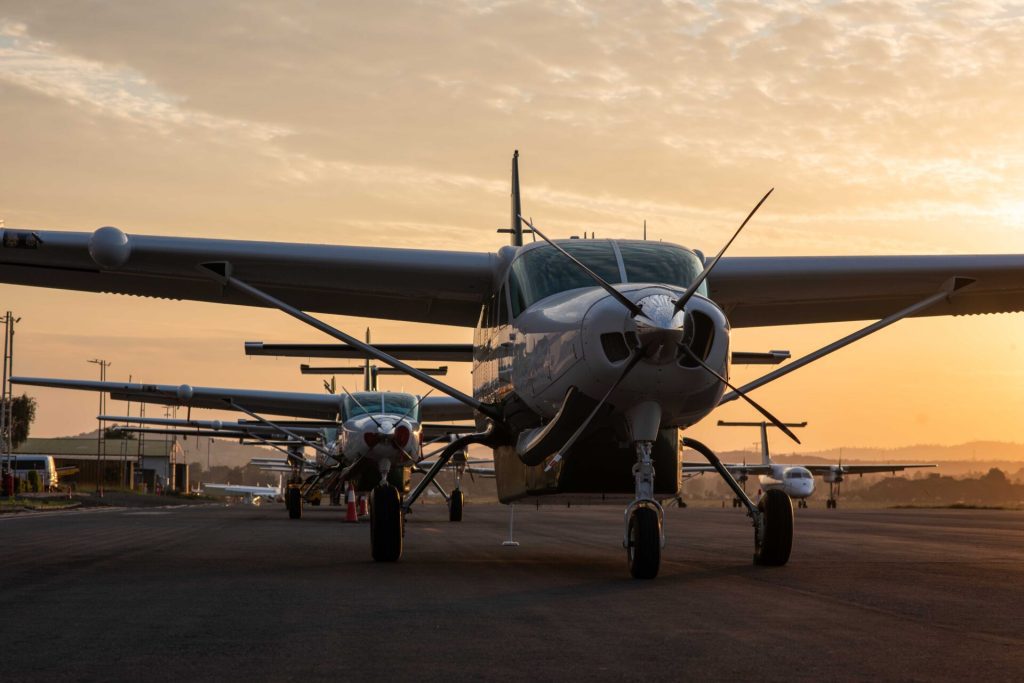
These routes are typically serviced by small aircraft suitable for short-haul flights, offering aerial views of Tanzania’s landscapes, which can be an exciting experience for children.
Safari Transfers by Road
Even with domestic flights, transfers by road are often necessary. Reliable, experienced drivers ensure safe navigation of dirt roads, hilly terrain, and park tracks. Private 4×4 vehicles are recommended for families, providing flexibility, comfort, and the ability to stop for wildlife sightings.
Road transfers can be arranged from:
- Kilimanjaro International Airport to Arusha and nearby lodges.
- Serengeti airstrips to lodges inside or near the park.
- Ngorongoro airstrips to crater lodges.
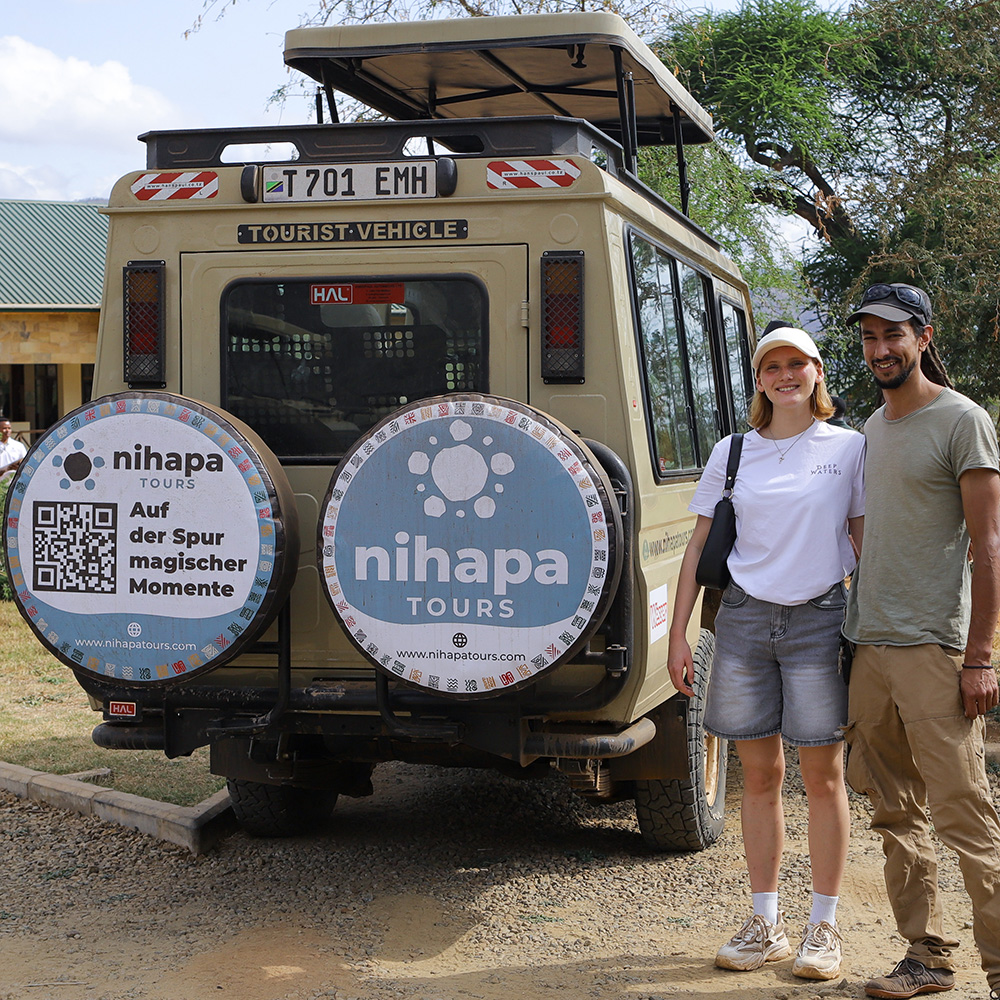
Professional safari operators, such as Nihapa Tours, handle all ground transfers, ensuring timely pick-ups, luggage management, and child seating arrangements.
Safety Considerations During Transfers
Road and air travel in Tanzania require adherence to safety guidelines. During road transfers, families should ensure seat belts are fastened, children are seated appropriately, and luggage is secured. Drivers are trained to handle sudden obstacles, wildlife crossings, and unpredictable road conditions.
For domestic flights, parents should ensure children understand boarding procedures, remain seated when required, and follow airline instructions. Emergency briefings by the crew are important for family safety.
Timing and Coordination
Coordinating flight and transfer schedules is critical for a stress-free safari. Families should allow ample buffer time between flights and game drives to accommodate delays or check-in procedures. Early morning flights are preferable for reaching parks in time for optimal game viewing, while afternoon flights may suit families combining safari with coastal stays.
Operators often provide itineraries that integrate flights and transfers with game drives, ensuring minimal waiting and maximum wildlife exposure. This approach reduces fatigue for children and creates a smooth travel experience.
Tips for Family Comfort
- Private Transfers: Provide flexibility, comfort, and tailored pacing.
- Snacks and Water: Essential for children during long drives or short waits at airstrips.
- Rest Breaks: Schedule breaks for bathroom use, stretching, and snack times.
- Entertainment: Small games, wildlife books, or tablets can keep children engaged during longer transfers.
Advantages of Organized Transfers
Working with an experienced safari operator ensures that families do not have to navigate unfamiliar routes, manage local logistics, or deal with language barriers. Operators handle permits, park fees, and airport procedures, making the journey smoother and more enjoyable for everyone.
Costs of a Family Safari in Tanzania
Understanding the costs associated with a family safari in Tanzania is crucial for effective planning and budgeting. While a safari can be a significant investment, careful selection of itineraries, accommodations, and services can provide excellent value while ensuring comfort, safety, and memorable experiences for all family members. Costs vary depending on the parks visited, type of accommodations, length of stay, and level of personalization.
Key Factors Influencing Safari Costs
Several factors influence the overall cost of a family safari:
- Park Fees: Tanzania’s national parks and conservation areas charge entry fees that vary by park, age, and nationality. Children may receive discounted rates, but families should account for fees to multiple parks like Serengeti, Ngorongoro Crater, Tarangire, and Lake Manyara.
- Accommodations: Lodges and tented camps range from budget-friendly to luxury options. Family-friendly lodges may offer connecting rooms, family suites, or extra beds, which can affect pricing. Staying in lodges within or near parks often costs more but provides convenience and reduces long daily drives.
- Private Vehicles and Guides: Hiring private 4×4 vehicles with experienced guides is recommended for families. Private vehicles ensure flexibility, safety, and comfort but add to the overall cost. Shared vehicles are more economical but may be less convenient with children.
- Domestic Flights and Transfers: Flights between Arusha, Serengeti, Ngorongoro, and Zanzibar can significantly affect the budget. Coordinated road transfers are essential for comfort and safety, especially with young children. Operators typically include these in package pricing.
- Meals and Beverages: Some lodges offer full-board packages, including breakfast, lunch, and dinner. Family packages often include kid-friendly meals, which may slightly increase costs but simplify planning and enhance convenience.
- Activities and Excursions: Optional activities such as bush walks, cultural village visits, or boat safaris add to expenses. While not mandatory, these activities enrich the family experience and provide educational value for children.
- Travel Insurance: Comprehensive travel insurance is essential for medical emergencies, trip cancellations, or unforeseen events. Including insurance in the budget provides peace of mind and protects the investment.
Estimated Costs for Different Safari Styles
1. Budget-Friendly Safari:
Budget-friendly family safaris typically use mid-range lodges or camps, shared vehicles, and fewer domestic flights. Prices for a 5-day safari can start around $3,000–$4,500 for a family of four, including park fees, accommodations, and guide services. While basic, these safaris still provide excellent wildlife viewing and cultural experiences.
2. Mid-Range Safari:
Mid-range safaris offer private vehicles, comfortable family suites, and select domestic flights. Meals are usually included, and some additional activities are offered. For a 5–7 day safari, a family of four can expect to spend approximately $6,000–$9,000. This style balances comfort, safety, and convenience without being overly luxurious.
3. Luxury Safari:
Luxury family safaris feature private vehicles, high-end lodges or tented camps, fully guided game drives, domestic flights, and curated cultural experiences. Families benefit from spacious suites, pools, personalized services, and immersive wildlife encounters. Prices for a 7–10 day luxury safari can range from $12,000 to over $20,000, depending on the number of parks visited and additional activities.
Tips for Managing Costs
- Book Early: Early bookings secure better rates, preferred lodges, and vehicle availability.
- Combine Packages: Opting for safari and Zanzibar packages can sometimes reduce overall costs compared to booking separately.
- Negotiate Family Rates: Many lodges offer discounted rates or complimentary stays for children under a certain age.
- Travel Off-Peak: Visiting during the shoulder season provides lower rates while still offering excellent wildlife viewing.
- Plan Meals and Activities: Choosing lodges with full-board packages reduces the cost of dining separately and simplifies logistics.
Hidden or Additional Costs
Families should account for tips to guides and lodge staff, which are customary in Tanzania. Additional costs may include souvenirs, optional excursions, and airport departure taxes. Being aware of these small expenses helps prevent surprises during the trip.
Value Considerations
While a family safari can be expensive, it is also an investment in shared experiences, education, and memories. Choosing reputable operators, such as Nihapa Tours, ensures quality, safety, and well-organized logistics. Well-planned itineraries provide maximum wildlife viewing, cultural immersion, and comfort, making the experience worthwhile regardless of budget tier.
Best Time of Year for a Family Safari
Planning a family safari in Tanzania requires careful consideration of the best time of year to visit. Tanzania’s climate and wildlife patterns vary across regions, and choosing the right period ensures comfort, safety, and the best wildlife viewing opportunities for children and adults. Families who plan carefully can enjoy a memorable and stress-free safari experience.
Tanzania has two main rainy seasons and distinct dry periods. The long rains usually occur from March to May. During this time, roads can become muddy, and some park areas may be difficult to access. Wildlife tends to spread out, making sightings less predictable. Despite these challenges, the landscape is lush and green, offering stunning scenery. Families who enjoy fewer crowds and lower rates might find this period appealing, especially if their children are flexible and can tolerate occasional rain.
The short rains typically fall in November and early December. These rains are intermittent and usually less disruptive than the long rains. Wildlife remains more accessible than during the long rainy season, but families should be prepared for occasional showers. Lodges may have limited availability, so booking in advance is recommended.
The most popular time for a family safari is during the dry season, from June to October. During these months, roads are dry and easy to navigate. Animals congregate around water sources, making wildlife spotting much easier. Early mornings and late afternoons are ideal for game drives, as temperatures are cooler and animals are more active. Families benefit from predictable travel conditions, allowing children to remain comfortable and engaged throughout the day.
January and February are also excellent months for a safari. These months follow the short rains, so vegetation is still green, and wildlife is relatively easy to find. Newborn animals are common in parks such as the Serengeti, creating exciting opportunities for children to observe calves and other young wildlife. These months are slightly less crowded than the peak dry season, providing a more relaxed safari experience for families who prefer fewer tourists.
For families hoping to witness the Great Migration, timing is crucial. In January through March, the migration is mostly in the southern Serengeti plains, where wildebeest give birth. April through June sees the herds moving north and west, while from July to October, the migration reaches the northern Serengeti and Maasai Mara. River crossings during these months offer dramatic wildlife encounters, but the long drives and unpredictable nature of the crossings may be challenging for very young children. Families should balance their desire to see migration events with children’s stamina and comfort.
Weather and cultural activities also influence the best timing for a family safari. Dry months allow easier access to Maasai villages, local schools, and markets. Visiting during these periods ensures that children can participate in cultural experiences without the disruption of rain. Families who plan to combine a safari with a Zanzibar beach holiday benefit from calmer seas and sunny days during the dry season, making swimming, snorkeling, and exploration safer and more enjoyable.
Travel logistics and accommodation availability are important to consider. Peak months between June and October require early bookings, especially for family-friendly lodges and private vehicles. Shoulder months such as January and February provide slightly lower rates and more flexibility, while the long rainy season offers cost savings but may require families to be more adaptable. Experienced safari operators like Nihapa Tours can advise families on the best travel windows based on wildlife goals, children’s comfort, and practical considerations.
In conclusion, the best time for a family safari in Tanzania balances weather, wildlife activity, and children’s needs. Dry periods from June to October and January to February generally offer the most comfortable and productive conditions. Families who consider seasonal patterns, migration timing, and cultural opportunities can create an enriching and unforgettable safari experience while minimizing stress and maximizing engagement for every member of the family.
Combining Safari with Zanzibar
Planning a family safari in Tanzania is often only part of the adventure. Many families choose to extend their trip by combining wildlife exploration with a visit to Zanzibar. This island paradise offers pristine beaches, rich culture, and opportunities for relaxation after days of early morning game drives. A safari followed by Zanzibar creates a balanced experience of adventure and leisure, ensuring that every family member enjoys the trip.
Zanzibar lies off the coast of Tanzania and is accessible by a short domestic flight from Arusha or Kilimanjaro. For families, flights are the fastest and most convenient way to reach the island. The journey itself can be exciting for children, offering aerial views of the Tanzanian landscape, the Indian Ocean, and the coastal towns. Private transfers at both departure and arrival airports help families manage luggage, seat children safely, and begin their island adventure stress-free.
The island’s beaches are a stark contrast to the savannah. Soft white sand, turquoise waters, and gentle waves provide a safe environment for children to swim and play. Many family-friendly resorts offer shallow pools, kids’ clubs, and supervised activities, giving parents a chance to relax while children enjoy age-appropriate entertainment. After days spent on safari, Zanzibar allows the family to unwind and recharge before returning home.
Beyond beaches, Zanzibar has a vibrant cultural history. Stone Town, a UNESCO World Heritage site, is the island’s historic center and an ideal place for families to explore. Narrow streets, colorful markets, and traditional Swahili architecture create a visually stimulating environment. Guided walking tours provide historical context about the island’s trading past, architecture, and diverse cultures. Families can engage children by pointing out interesting buildings, listening to stories, or visiting local artisans and spice merchants.
Plan Your Trip to Tanzania
Chat with a local specialist who can help organize your trip.
Spice farm visits are a highlight for families. Children can touch, smell, and taste various spices while learning how they grow and are harvested. Spices such as cinnamon, cloves, nutmeg, and cardamom become tangible examples of agriculture, trade, and human ingenuity. These experiences offer interactive learning that complements the educational aspects of a safari, connecting wildlife observation with human culture and history.
Water-based activities are another way to enrich a family holiday in Zanzibar. Snorkeling trips, glass-bottom boat excursions, and calm swimming areas introduce children to marine life safely. Parents can combine adventure with relaxation by scheduling shorter excursions to match the stamina of younger children. Some resorts also provide equipment rentals, safety gear, and guided trips specifically designed for families, ensuring both fun and security.
Dining and local cuisine in Zanzibar add another layer of cultural experience. Fresh seafood, tropical fruits, and traditional Swahili dishes provide opportunities for children to explore new tastes. Many resorts cater to family dining, offering kid-friendly menus and flexible meal times. Cooking demonstrations at local markets or lodges can further enhance the experience, allowing children to participate and learn about food preparation and local ingredients.
Timing and logistics are essential when combining safari and Zanzibar. Most families schedule the safari first, ending with a few days on the island. This sequence allows children to rest after long drives and enjoy leisure time by the beach before flying home. Domestic flights between Arusha or Kilimanjaro and Zanzibar are frequent, and reputable safari operators coordinate these flights, transfers, and park exits to minimize waiting time and stress.
Accommodation choices play a crucial role in family comfort. Many Zanzibar resorts offer family suites, private villas, or interconnecting rooms. Facilities such as swimming pools, shaded lounges, and child supervision services make it easier for parents to manage multiple children. Combining these comforts with the excitement of a safari ensures a balanced vacation that caters to both adventure and relaxation.
Cultural immersion in Zanzibar complements the wildlife-focused portion of the trip. Visiting local communities, markets, and traditional villages helps children understand the human aspect of Tanzania beyond the national parks. Engaging with local artisans, musicians, or storytellers offers educational moments that enhance curiosity and empathy. Families learn about traditions, trade, and the history of the island while participating respectfully in local culture.
Combining a safari with Zanzibar also has practical benefits. Children are less likely to experience fatigue or boredom when the trip balances intense activity with relaxation. Parents can manage logistics more easily when transfers, accommodations, and flights are arranged through experienced operators such as Nihapa Tours. Expert planning ensures seamless connections, timely departures, and family-friendly itineraries.
In conclusion, combining a Tanzanian safari with Zanzibar creates a complete family adventure. The safari offers excitement, wildlife encounters, and educational opportunities, while Zanzibar provides relaxation, cultural exploration, and marine experiences. Careful planning, attention to logistics, and selecting family-friendly accommodations ensure comfort, safety, and enjoyment for all ages. This combination transforms a vacation into an unforgettable journey where children and adults can appreciate Tanzania’s natural wonders and cultural richness in a single, cohesive trip.

Conservation and Responsible Travel
A family safari in Tanzania offers more than thrilling wildlife encounters; it also provides an opportunity to teach children about conservation and responsible travel. Tanzania is home to some of the world’s most iconic species and fragile ecosystems. By understanding conservation practices and sustainable travel principles, families can enjoy their safari while contributing positively to the preservation of nature and local communities.
Tanzania’s national parks and conservation areas implement strict rules to protect wildlife. These include maintaining safe distances from animals, staying on designated tracks, and minimizing noise. Families learn quickly that the well-being of animals depends on respectful observation. By modeling these behaviors, parents teach children how to interact safely and ethically with the environment. Guides reinforce these lessons during game drives, explaining the importance of each rule and how it benefits both wildlife and visitors.
Supporting community-based tourism is another key aspect of responsible travel. Many parks and conservation areas collaborate with local villages, creating employment opportunities and funding community projects. Visiting Maasai villages, participating in school or cultural programs, or purchasing handmade crafts allows families to engage with local communities in meaningful ways. Children gain a deeper understanding of human impact on wildlife habitats and the benefits of responsible tourism.
Eco-friendly accommodations and lodges play a significant role in conservation efforts. Many lodges use solar energy, water-saving measures, and waste management systems to reduce environmental impact. Some offer educational programs for children, demonstrating how sustainable practices protect ecosystems. Choosing eco-conscious lodges reinforces the lesson that tourism can coexist with conservation and that families can make informed choices that support the environment.
Responsible travel also extends to wildlife interactions beyond observation. Feeding or touching animals is strictly prohibited, as it can harm their health and alter natural behaviors. Families learn that observing quietly and capturing memories through photography is the safest and most ethical way to enjoy wildlife. Guides often explain predator-prey dynamics, migration patterns, and the importance of each species in maintaining ecological balance. These explanations make wildlife encounters educational and memorable for children.
Plan Your Trip to Tanzania
Chat with a local specialist who can help organize your trip.
Tanzania’s conservation initiatives rely heavily on visitor support. Park fees and permits fund anti-poaching efforts, habitat restoration, and community projects. Families contribute directly to these programs simply by visiting the parks responsibly. Understanding this connection encourages children to appreciate the broader impact of their travel choices and fosters a sense of environmental stewardship.
Transportation choices during a safari can also reflect responsible travel principles. Using 4×4 vehicles provided by experienced operators reduces off-road driving that could damage ecosystems. Operators like Nihapa Tours are trained to minimize environmental disturbance while offering comfortable and safe travel for families. Properly managed game drives ensure wildlife experiences do not compromise natural habitats.
Conservation-focused activities enhance family education. Some parks offer guided walks, bird-watching excursions, or volunteer opportunities that involve children in simple conservation tasks. These experiences allow children to witness scientific monitoring, learn about anti-poaching measures, and understand the role of rangers in protecting wildlife. Integrating these activities into a safari itinerary deepens appreciation for Tanzania’s biodiversity and encourages lifelong responsible travel habits.
Marine conservation is equally important for families who combine a safari with Zanzibar. Coral reefs, mangrove forests, and marine wildlife are sensitive ecosystems threatened by pollution and unsustainable tourism practices. Choosing snorkeling trips and water activities guided by responsible operators ensures families observe marine life safely and support conservation efforts. Children learn about coral protection, sustainable fishing practices, and the importance of preserving oceans for future generations.
Education, awareness, and reflection are central to responsible travel. Parents can discuss with children how tourism benefits wildlife conservation, local communities, and the environment. Encouraging questions and sharing observations from game drives or cultural visits allows children to connect experiences with real-world conservation challenges. These conversations transform a safari from mere entertainment into an educational journey with lasting impact.
In conclusion, conservation and responsible travel are essential components of a family safari in Tanzania. By adhering to park rules, supporting local communities, choosing eco-friendly accommodations, and engaging in educational activities, families can enjoy wildlife encounters ethically and safely. Children learn the value of preserving natural habitats and respecting cultural traditions. A safari that emphasizes conservation not only creates unforgettable memories but also instills principles of environmental stewardship, ensuring that Tanzania’s extraordinary wildlife and landscapes can be enjoyed by generations to come.
Sample Family Safari Itineraries
Planning a family safari in Tanzania requires careful consideration of timing, destinations, and the interests of children. Well-structured itineraries ensure that families experience wildlife, landscapes, and culture without feeling rushed. Here, we present sample itineraries that combine comfort, adventure, and educational opportunities for all ages. Each itinerary includes daily activities, travel logistics, and highlights designed for families.
Three-Day Family Safari: Northern Circuit Highlights
A three-day itinerary is ideal for families with limited time or who want a brief wildlife introduction. Starting from Arusha or Kilimanjaro International Airport, the first day typically involves travel to Tarangire National Park. The park is known for large elephant herds, baobab trees, and easily accessible wildlife. Children enjoy short game drives that allow for frequent breaks and wildlife observation without long periods in the vehicle. Lodges near the park offer family-friendly accommodations with swimming pools and outdoor play areas.
The second day focuses on Lake Manyara and Ngorongoro Crater. Lake Manyara is famous for tree-climbing lions and flocks of flamingos, offering unique wildlife experiences. Children can learn about different species and ecosystems through guided explanations and observation. Ngorongoro Crater, often visited in the afternoon, provides a dramatic landscape with a dense concentration of animals. The crater’s compact area allows families to see predators and herbivores in a single day, making it suitable for shorter safaris.
On the third day, families return to Arusha with a possible visit to a Maasai village or cultural center. Children can engage in learning about local traditions, crafts, and daily life. This short itinerary combines wildlife, landscapes, and cultural experiences, making it ideal for first-time visitors or families with younger children.
Plan Your Trip to Tanzania
Chat with a local specialist who can help organize your trip.
Five-Day Family Safari: Classic Serengeti and Ngorongoro
A five-day itinerary allows families to explore more of Tanzania’s northern parks in depth. Starting from Arusha, the first day is often a transfer to the Serengeti, with an afternoon game drive to introduce children to plains wildlife. Overnight stays in family-friendly tented camps or lodges within the park provide comfort and easy access to morning drives.
Days two and three focus on extensive game drives in the Serengeti. Children experience the thrill of spotting lions, giraffes, zebras, and cheetahs while learning about predator-prey dynamics. Early mornings are cooler and perfect for wildlife photography, while mid-day breaks at lodges offer time for rest, swimming, and educational activities. Evening drives allow families to observe nocturnal species from the safety of the vehicle.
The fourth day involves travel to Ngorongoro Crater. The crater offers a concentrated wildlife viewing experience in a relatively small area, ideal for families. Children can see elephants, hippos, and lions within hours, reducing long hours on dusty roads. Lodges on the crater rim provide stunning views and family-oriented amenities, combining comfort with convenience.
The final day includes a return to Arusha, often with a visit to a local village or coffee plantation. This addition enriches the itinerary with cultural context, providing a complete Tanzanian experience. Five-day itineraries balance adventure, learning, and relaxation, allowing families to experience both the Serengeti’s iconic wildlife and the Ngorongoro Crater’s unique landscapes.
Seven-Day Family Safari: Comprehensive Northern Circuit
A seven-day itinerary is ideal for families seeking an immersive safari experience. The journey typically begins with Tarangire National Park, followed by Lake Manyara, Serengeti, and Ngorongoro Crater. Each day includes carefully planned game drives, educational stops, and downtime for children. This itinerary allows families to observe seasonal migration patterns, predator-prey interactions, and diverse ecosystems.
Accommodations are selected for comfort and family accessibility, often featuring family suites, kid-friendly meals, and pools. Private vehicles provide flexibility, enabling families to adjust the pace of game drives according to children’s energy levels. Guides engage children with stories, wildlife facts, and interactive activities that enhance understanding of the environment.
In addition to wildlife, families have opportunities for cultural experiences. Visits to Maasai villages, spice farms, or local schools provide hands-on learning. Children can explore local crafts, participate in educational activities, and understand the connection between wildlife conservation and community wellbeing.
Logistics are optimized for minimal travel fatigue. Transfers are coordinated between parks, and domestic flights may be included for longer distances, such as a Serengeti to Zanzibar extension. Each day balances wildlife viewing with rest, meals, and light educational activities to maintain engagement and prevent burnout.
Tips for Maximizing Family Safari Experiences
When planning these itineraries, consider the age and stamina of children. Early morning drives should be followed by adequate rest periods. Interactive activities and educational talks help children remain engaged throughout the trip. Selecting lodges with family amenities such as pools, play areas, and spacious rooms enhances comfort.
Working with professional safari operators like Nihapa Tours ensures that itineraries are tailored to family needs. Experienced guides provide child-friendly explanations, adjust driving schedules, and offer safety guidance while maximizing wildlife encounters. Operators also coordinate accommodations, transfers, and domestic flights to create a seamless experience.
In conclusion, sample family safari itineraries range from short three-day adventures to immersive seven-day experiences. Each itinerary combines wildlife viewing, cultural experiences, and family comfort. Proper planning, guided expertise, and thoughtful scheduling ensure that children remain engaged, safe, and inspired throughout the safari. These itineraries provide a blueprint for creating unforgettable family memories while exploring Tanzania’s remarkable wildlife and landscapes.
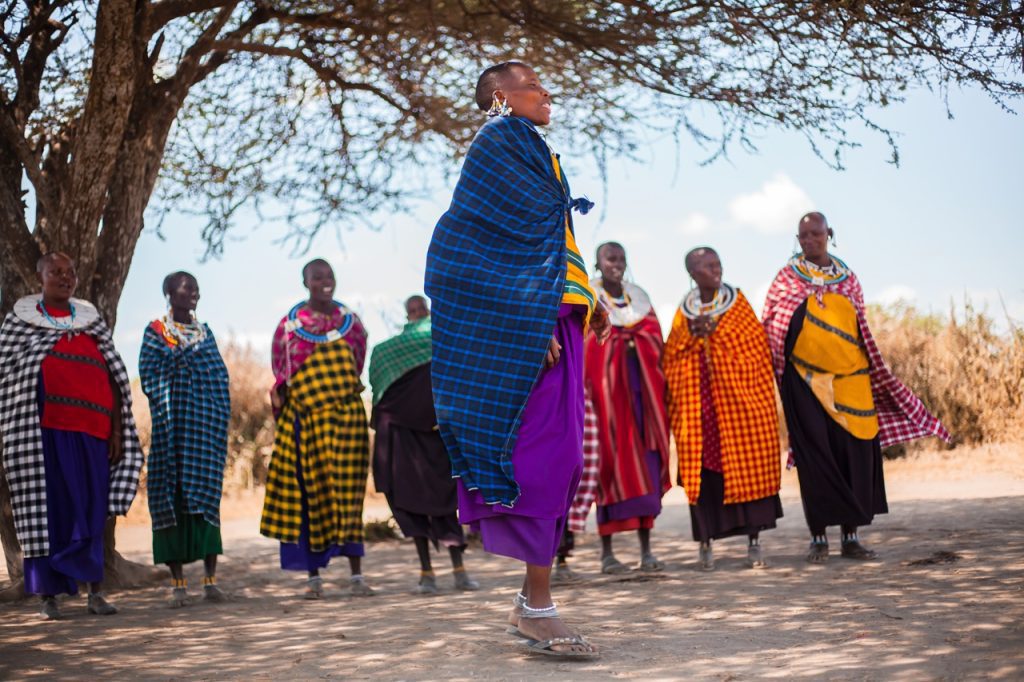
Common Mistakes Families Make When Booking a Safari
Booking a family safari in Tanzania can be overwhelming, especially for first-time visitors. Many families make avoidable mistakes that affect comfort, safety, and the overall enjoyment of the trip. Recognizing these pitfalls can help parents plan a smoother, more rewarding safari experience.
One of the most common mistakes is underestimating travel distances. Tanzania’s national parks are spread across vast areas, and driving between them can take several hours. Families often plan back-to-back game drives and park visits without accounting for rest, meals, or the needs of young children. This can lead to fatigue, crankiness, and less enjoyable wildlife encounters. Choosing a realistic itinerary and including travel buffers is essential.
Another frequent issue is selecting unsuitable accommodations. Not all lodges are family-friendly. Some may lack connecting rooms, child-friendly amenities, or adequate supervision options. Families sometimes prioritize luxury or aesthetics over functionality, which can create challenges during downtime or at mealtimes. Researching lodges that cater specifically to families, with swimming pools, spacious rooms, and kid-friendly meals, prevents discomfort and ensures everyone enjoys their stay.
Ignoring the importance of private transportation is another mistake. Shared vehicles may be cheaper, but they reduce flexibility, limit stops for wildlife sightings, and can be uncomfortable for children. Families often underestimate how much time children need for breaks, snacks, and stretching. Private 4×4 vehicles with experienced guides offer flexibility, safety, and a pace suited to family needs.
Failing to plan around seasonal weather and wildlife patterns also leads to disappointment. Traveling during the long rainy season can make roads inaccessible and wildlife sightings less predictable. Families sometimes choose travel dates based on convenience rather than optimal wildlife viewing. Consulting with experienced safari operators ensures that itineraries align with dry seasons, migration timings, and children’s comfort.
Some families overlook vaccinations, travel insurance, and health preparations. Young children may be more susceptible to malaria, dehydration, or minor injuries during safari activities. Preparing in advance with necessary vaccinations, insect protection, and travel insurance is crucial for a safe experience.
Another mistake is overloading the itinerary. Trying to visit too many parks, lodges, or attractions in a short period reduces the quality of the safari. Children benefit from a balanced schedule that includes wildlife viewing, rest periods, cultural activities, and downtime at lodges. Families should prioritize key experiences rather than attempting to see everything.
Finally, inadequate research about cultural norms and park regulations can cause misunderstandings. Teaching children respectful behavior around wildlife, local communities, and cultural sites enhances their experience and avoids conflicts. Engaging local guides who provide education and context helps families appreciate Tanzania’s environment and traditions fully.
By avoiding these common mistakes, families can create a safari experience that is safe, comfortable, and deeply memorable. Careful planning, choosing family-focused accommodations, consulting experts, and pacing activities appropriately ensures that a safari is an inspiring adventure rather than a stressful challenge.
Plan Your Trip to Tanzania
Chat with a local specialist who can help organize your trip.
Frequently Asked Questions About Family Safaris in Tanzania
Most parks welcome children of all ages, but younger children may have limited stamina for long drives. Toddlers and preschoolers benefit from shorter game drives and lodge-based activities, while older children can participate in full-day excursions. Private vehicles allow families to adjust the pace according to children’s needs
Safaris are generally safe when following park rules and guide instructions. Children should remain inside vehicles, avoid approaching animals, and wear seat belts during drives. Experienced guides prioritize safety and monitor children closely, making safari experiences both exciting and secure.
Essential items include neutral-colored clothing, comfortable shoes, sun protection, insect repellent, binoculars, cameras, and reusable water bottles. Snacks, first-aid supplies, and medications are also important. Families should pack light but ensure children have access to necessities during drives and lodge stays.
Many lodges offer family rooms, connecting suites, kid-friendly meals, pools, and supervised activities. Some lodges also provide booster seats, educational programs, and interactive wildlife activities tailored for children. Booking in advance ensures these amenities are available.
Yes. A popular combination is a safari followed by a Zanzibar beach holiday. This balances high-energy wildlife exploration with relaxation. Flights from Arusha or Kilimanjaro to Zanzibar are short and convenient, and family-friendly resorts provide safe beaches, pools, and cultural experiences.
Parents should consult a travel doctor regarding vaccinations, malaria prophylaxis, and child-specific medications. Sun protection, hydration, and safe food practices are essential. Travel insurance covering medical emergencies is strongly recommended. Guides and lodges are trained to handle minor health issues during safari excursions.
Interactive activities such as wildlife tracking, sketching, photography, and educational games help maintain attention during drives. Cultural visits, lodge-based programs, and guided bush walks provide variety and learning opportunities. Involving children in planning or creating checklists of animals to spot enhances engagement.
While shared vehicles are common for adult-only groups, private vehicles provide flexibility, comfort, and safety for families. Private vehicles allow parents to manage pace, breaks, and seating, ensuring children have the best possible viewing opportunities.
Costs vary depending on parks, accommodations, vehicles, and itinerary length. Early planning, package deals, and family discounts can help manage expenses. Prioritizing safety, comfort, and engagement ensures value for money and a high-quality experience.
Conclusion: Creating a Meaningful Family Safari Experience in Tanzania
A family safari in Tanzania is a transformative experience. It combines thrilling wildlife encounters, cultural immersion, and opportunities for education and bonding. Careful planning ensures that families enjoy maximum comfort, safety, and engagement throughout the journey. Selecting family-friendly lodges, private vehicles, and well-paced itineraries allows children to remain happy and inspired while exploring the natural world.
Timing the trip according to seasons, wildlife patterns, and children’s stamina enhances the safari experience. Dry months and periods aligned with the Great Migration provide the best opportunities to observe iconic species while maintaining a comfortable schedule. Combining a safari with Zanzibar adds relaxation, marine adventures, and cultural enrichment, completing a balanced family vacation.
Education and conservation are central to a meaningful safari. Children learn to respect wildlife, understand ecosystems, and appreciate cultural diversity. Participating in responsible tourism and supporting local communities reinforces the importance of environmental stewardship and ethical travel. Families gain insights that extend beyond the safari, creating lifelong values and memories.
Ultimately, a family safari in Tanzania is more than sightseeing. It is a journey of discovery, bonding, and learning. Thoughtful planning, guided expertise, and attention to family needs transform a safari into an unforgettable adventure that inspires curiosity, compassion, and a lasting love for nature. By prioritizing comfort, engagement, and responsible travel, families can create a safari experience that is safe, enjoyable, and deeply meaningful for every member.