What Is Included in a Tanzania Safari Package? Complete 2026 Guide
A safari in Tanzania is more than just a holiday; it is an immersive journey into one of the most breathtaking wildlife destinations on Earth. From the endless golden plains of the Serengeti National Park to the dramatic walls of the Ngorongoro Crater and the ancient baobab-dotted landscapes of the Tarangire National Park, every moment feels like stepping into a real-life nature documentary. Travelers often describe the experience as both emotional and transformative, where the rhythm of nature replaces the noise of everyday life.
However, before booking this once-in-a-lifetime adventure, many first-time travelers find themselves asking an important question: what exactly is included in a Tanzania safari package? This question is not just about curiosity; it is about clarity, budgeting, and ensuring there are no surprises along the journey. Understanding the inclusions helps travelers know what they are paying for, what is taken care of by the tour operator, and what additional costs they should prepare for during their trip.
This is especially important because Tanzania safaris can vary widely depending on the type of package chosen. Some include luxury lodges and private guides, while others focus on budget-friendly camping experiences. Without a clear breakdown, many travelers struggle to compare options or fully understand the real Tanzania safari cost breakdown behind each package.
At Nihapa Tours, we believe that transparency is the foundation of an unforgettable safari experience. As a locally based operator rooted in conservation and community values, we focus on delivering clear, honest, and well-structured safari packages that allow travelers to enjoy their journey without confusion or hidden expectations. Our safaris are designed to be sustainable, authentic, and deeply connected to the landscapes and communities that make Tanzania so special.
By understanding the full structure of a safari package, from transport and accommodation to park fees and daily game drives, travelers can confidently plan their journey and focus on what truly matters: the experience itself. Whether witnessing a lion hunt in the Serengeti, standing at the edge of the Ngorongoro Crater, or watching elephants roam freely in Tarangire, every detail of the safari becomes more meaningful when expectations are clear from the start.
This guide will take you through a complete breakdown of what is included in a Tanzania safari package, helping you make informed decisions and prepare for an unforgettable adventure with Nihapa Tours.
Table of contents
- What Is Included in a Tanzania Safari Package? Complete 2026 Guide
- Overview of a Tanzania Safari Package
- Safari Transportation & 4×4 Vehicles in Tanzania
- Professional Safari Guides in Tanzania
- Accommodation Types in Tanzania Safaris
- Meals, Drinks & Dining Experience on a Tanzania Safari
- Game Drives & Daily Safari Activities in Tanzania
- National Park Fees & Conservation Charges in Tanzania
- Taxes, Logistics & Safari Management in Tanzania
- What Is NOT Included in a Tanzania Safari Package
- Best Time to Visit Tanzania for Safari
- Why Book with Nihapa Tours
- Read other recommended articles on our site
Overview of a Tanzania Safari Package
A Tanzania safari package is a carefully designed travel arrangement that brings together all the essential elements needed for a complete wildlife adventure. Instead of organizing each part of the journey separately, a safari package combines everything into one structured experience so travelers can focus on enjoying the journey rather than worrying about logistics. From the moment you arrive in Tanzania to the final day of your safari, everything is planned and coordinated to ensure a smooth and memorable experience.
For many first-time travelers, it is important to understand the difference between a simple tour booking and a full safari package. A tour booking may refer to a single service such as a game drive, hotel reservation, or airport transfer. In contrast, a Tanzania safari package is all-inclusive and covers multiple components of the trip under one organized itinerary. This means you are not just paying for one activity, but for a complete travel experience that includes transportation, accommodation, park access, and professional guiding services.
At its core, a safari package is designed to simplify travel in a country where national parks are spread across vast and remote landscapes. Instead of handling separate bookings for hotels, vehicles, permits, and guides, everything is bundled together into one seamless arrangement managed by a tour operator like Nihapa Tours. This approach ensures consistency, reliability, and better coordination throughout the trip.
Most Tanzania safari packages typically include four major components. The first is transportation, usually provided in a 4×4 safari vehicle equipped for rough terrain and wildlife viewing. The second is accommodation, which can range from budget camps to luxury lodges, depending on the package type. The third is park fees, which are mandatory government charges that grant access to protected wildlife areas such as the Serengeti and Ngorongoro. The fourth is a professional safari guide who not only drives the vehicle but also enriches the experience with knowledge about wildlife, landscapes, and local culture.
For beginners, this bundled structure makes safaris much easier to understand and enjoy. Instead of worrying about planning each detail, travelers can simply choose a package that matches their budget and expectations, then let the experience unfold naturally across Tanzania’s most iconic landscapes.
Safari Transportation & 4×4 Vehicles in Tanzania
Transportation is one of the most important parts of any Tanzania safari package because it directly shapes how comfortably and effectively travelers experience the wilderness. Unlike standard road trips, safari travel requires specially designed vehicles that can handle rough terrain, long distances, and unpredictable wildlife routes while still ensuring comfort and safety for guests throughout the journey.
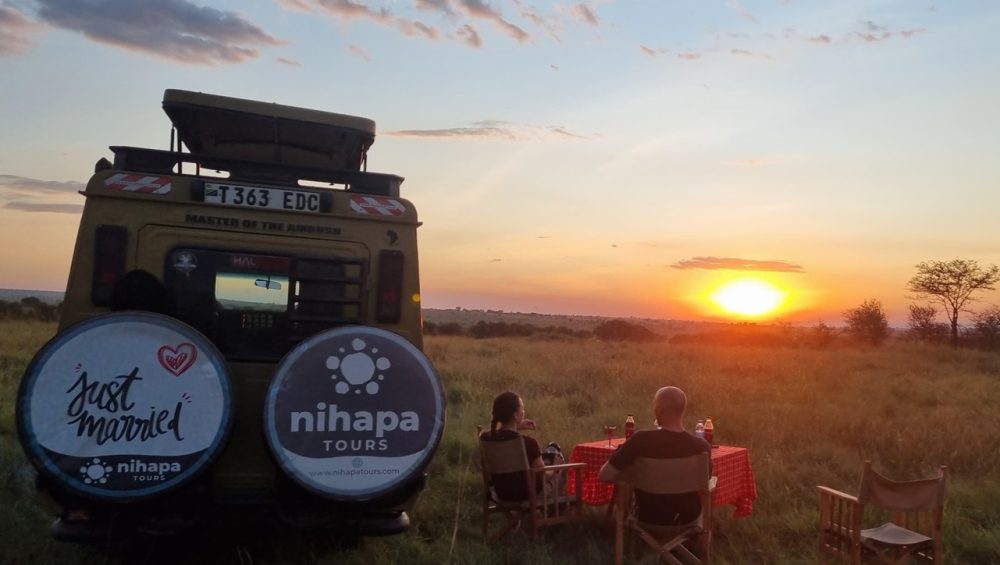
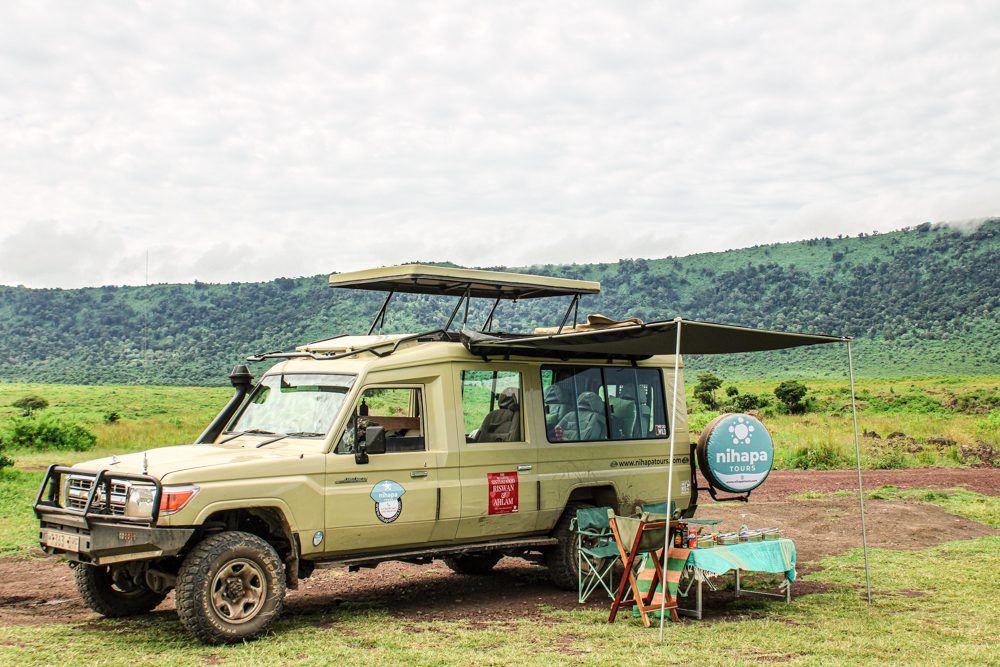
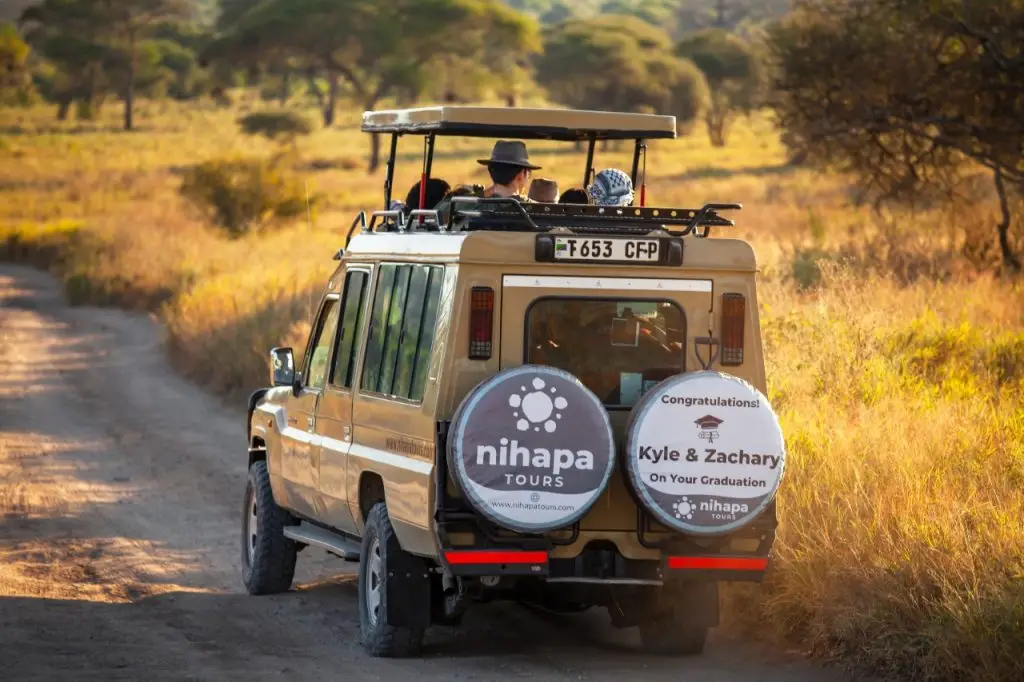
Most safari operators, including Nihapa Tours, use specially modified 4×4 vehicles such as Toyota Land Cruisers or Land Rovers. These vehicles are built for durability and performance in remote environments where paved roads are limited or completely absent. They feature reinforced suspension systems, high ground clearance, and strong engines that allow them to navigate muddy tracks, rocky paths, and uneven safari roads found in parks like the Serengeti and Ngorongoro.
One of the most important features of a safari vehicle is the pop-up roof. This design allows travelers to stand up safely inside the vehicle while observing wildlife in all directions. It significantly enhances visibility, especially during game drives when animals may be far away or moving through tall grass. The pop-up roof also provides an excellent photography advantage, enabling guests to capture clear, unobstructed images of lions, elephants, giraffes, and other iconic species in their natural habitat.
Another critical aspect of safari transportation is its off-road capability. In vast ecosystems such as the Serengeti National Park and the dramatic landscapes of the Ngorongoro Crater, wildlife movement is unpredictable. Safari vehicles often need to follow animal tracks or adjust routes based on migration patterns or recent sightings. A strong 4×4 system ensures that guides can safely reach remote areas where wildlife activity is highest, giving travelers a more authentic and immersive experience.
Fuel is typically included in most Tanzania safari packages, meaning guests do not need to worry about additional transportation costs during game drives or inter-park transfers. This inclusion ensures that the safari remains smooth and uninterrupted, allowing the itinerary to proceed without logistical concerns.
Airport pickup and drop-off are also standard inclusions in most safari packages. Upon arrival in Tanzania, guests are greeted by their safari driver-guide and transferred directly to their hotel or lodge. This seamless transition is especially important for international travelers arriving at airports such as Kilimanjaro International Airport or Arusha Airport, as it eliminates the stress of navigating unfamiliar transport systems.
Safari transportation also varies depending on the package type. Budget safaris may use shared vehicles with slightly fewer comfort features, while mid-range and luxury safaris often provide private vehicles with more spacious seating, charging ports, refrigerator units, and enhanced comfort for long journeys. Luxury safaris may also include exclusive use of the vehicle, allowing travelers full flexibility over timing and game drive routes.
For travelers comparing different travel styles, it is also worth exploring the difference between road-based safaris and fly-in safaris. While road safaris offer a more immersive experience across landscapes and local communities, fly-in safaris reduce travel time by using domestic flights between parks. Each option offers a unique perspective of Tanzania’s wilderness depending on budget, time, and travel preferences.
Professional Safari Guides in Tanzania
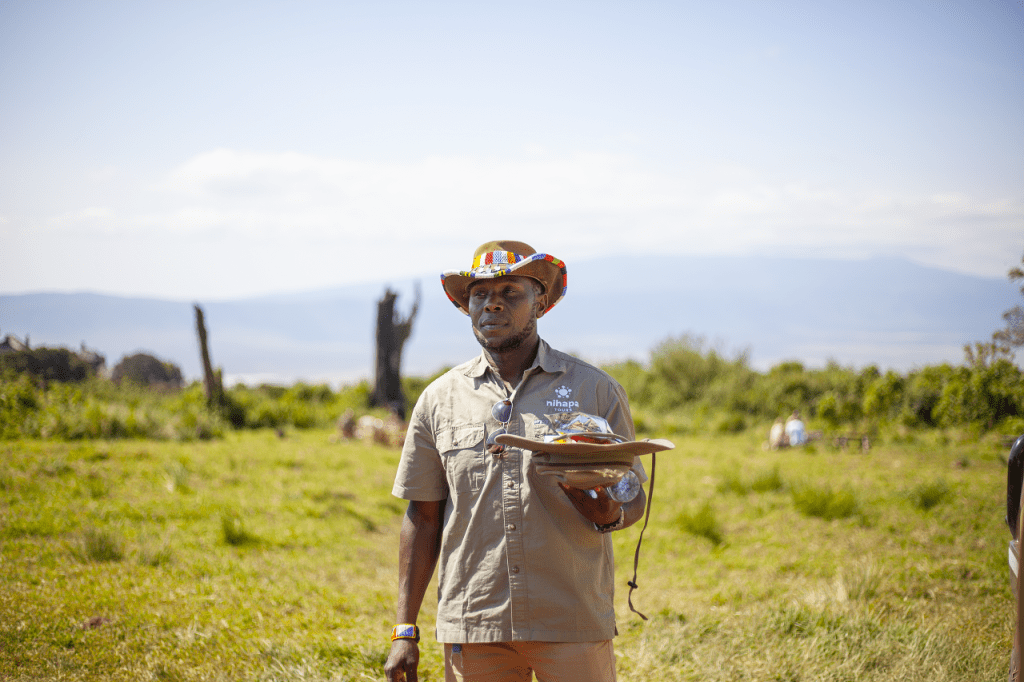
A professional safari guide is one of the most important elements of any Tanzania safari package, often making the difference between a good trip and an unforgettable one. While landscapes, wildlife, and lodges all contribute to the experience, it is the guide who connects everything and transforms a simple journey into a meaningful adventure across the wild. At Nihapa Tours, we carefully select experienced guides who understand both wildlife behavior and guest expectations, ensuring every safari is smooth, educational, and memorable.
In most Tanzania safari packages, the guide also serves as the driver, operating the 4×4 safari vehicle while navigating long distances between national parks and game viewing areas. These guides are highly trained professionals with deep knowledge of Tanzania’s wildlife, ecosystems, and road conditions. At Nihapa Tours, our guides are not only skilled drivers but also passionate storytellers who take pride in sharing the beauty of their homeland. Their expertise ensures that travelers not only reach their destinations safely but also experience the best possible wildlife sightings along the way.
One of the most valuable skills a safari guide possesses is wildlife tracking. In vast and open ecosystems such as the Serengeti National Park, animals are constantly moving across wide territories. Experienced guides can interpret subtle signs in the environment, such as footprints, bird movements, or vehicle radio updates, to locate predators like lions or leopards, or large herds of elephants and wildebeests. This skill significantly increases the chances of witnessing rare and dramatic wildlife moments.
Safety is another critical responsibility of a safari guide. While Tanzania’s national parks are well-managed, guests are still in proximity to wild animals. Guides are trained to maintain safe distances, understand animal behavior, and respond quickly to any unexpected situations. Whether navigating through the dramatic terrain of the Ngorongoro Crater or crossing open savannahs, their primary role is to ensure that every guest feels secure throughout the journey.
Beyond driving and safety, safari guides also play a vital educational role. They bring the landscape to life through storytelling, explaining animal behavior, cultural traditions, and the ecological balance that sustains Tanzania’s rich biodiversity. At Nihapa Tours, we believe this storytelling element is what transforms a safari from sightseeing into a deep cultural and natural immersion. It helps travelers understand not just what they are seeing, but why it matters in the broader ecosystem.
Language support is another key benefit provided by professional guides. Most speak fluent English, and many are trained to communicate with travelers from different regions of the world. This ensures clear communication, smooth coordination, and a more personalized experience throughout the safari.
Ultimately, the quality of a safari guide defines the quality of the entire safari experience. A knowledgeable and passionate guide can turn a simple game drive into a once-in-a-lifetime journey filled with discovery, connection, and unforgettable wildlife encounters, which is exactly what Nihapa Tours aims to deliver on every safari.
Accommodation Types in Tanzania Safaris
Accommodation is one of the most important parts of any Tanzania safari package because it directly affects comfort, experience, and how close travelers feel to nature. From simple budget camps to exclusive luxury lodges, Tanzania offers a wide range of stays that cater to different travel styles and budgets. At Nihapa Tours, we carefully select accommodation options that balance comfort, location, and authenticity, ensuring every guest enjoys a memorable stay in the wild.
Budget Camps: Simple and Close to Nature
Budget camps are the most affordable accommodation option in Tanzania safaris and are ideal for travelers who want a more adventurous and raw experience. These camps are usually located inside or near national parks and provide basic but functional facilities.
In budget camps, guests typically stay in dome tents or simple permanent tents with essential bedding such as mattresses, blankets, and pillows. Bathroom facilities are often shared, and hot showers may be limited depending on the camp. Meals are usually prepared in a central dining area and are simple but filling, designed to provide energy for long safari days.
While budget camps may not offer luxury comfort, they provide something equally valuable: closeness to nature. Falling asleep to the sounds of wildlife in the distance creates an authentic safari atmosphere that many travelers find unforgettable.
Mid-Range Lodges: Comfort with Authentic Safari Feel
Mid-range lodges are the most popular choice for many travelers because they offer a balance between comfort and affordability. These lodges are usually located either inside or just outside major national parks such as the Serengeti National Park or the Ngorongoro Crater.
Rooms in mid-range lodges are more spacious and typically include private bathrooms with hot showers, comfortable beds, mosquito nets, and sometimes private verandas overlooking the wilderness. Guests enjoy buffet-style or plated meals prepared with a mix of local and international cuisine.
These lodges provide a comfortable retreat after long game drives while still maintaining a strong connection to the surrounding environment. Many travelers appreciate the combination of relaxation and proximity to wildlife viewing areas.
Luxury Tented Camps: Exclusive Wilderness Experience
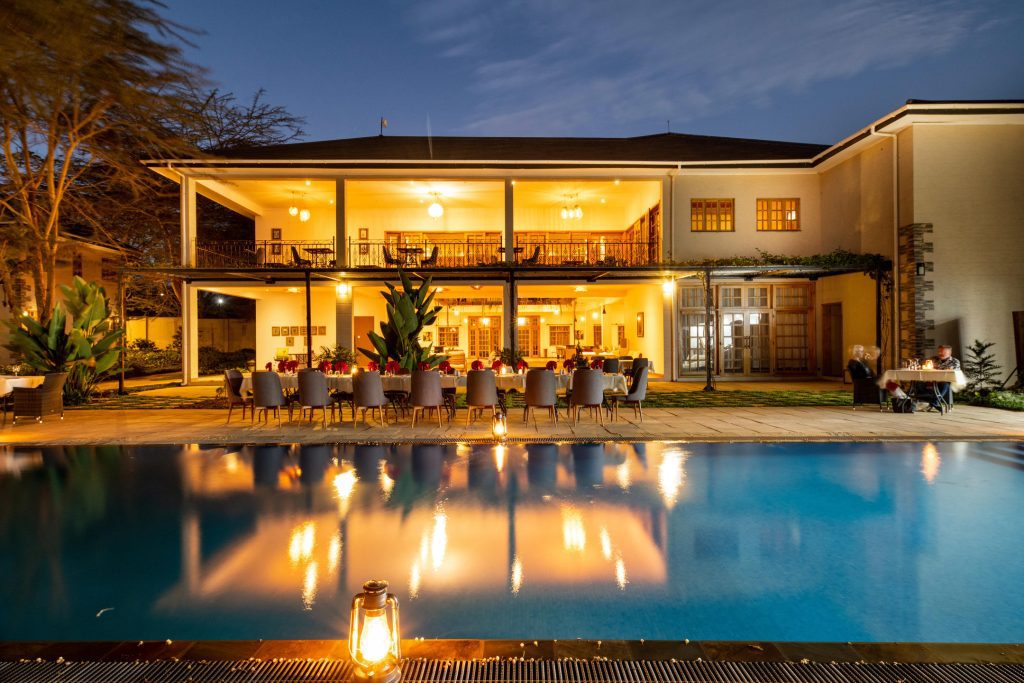
Luxury tented camps offer the highest level of comfort while still preserving the feeling of being in the heart of the wild. These camps are often located in prime wildlife areas, allowing guests to experience nature without sacrificing modern comfort.
In luxury camps, tents are spacious and beautifully furnished with king-size beds, en-suite bathrooms, hot showers, and private decks overlooking the savannah. Some even include bathtubs, fine dining, and personalized butler service.
At Nihapa Tours, we often recommend luxury tented camps for honeymooners, families seeking comfort, or travelers looking for a premium safari experience. The combination of elegant design and untouched wilderness creates a powerful emotional experience that stays with guests long after their journey ends.
Inside the Park vs Outside the Park
One key factor that affects accommodation is location. Staying inside national parks means guests are closer to wildlife and can enjoy early morning and late evening game drives without long travel times. However, these accommodations can be more expensive and limited in availability.
On the other hand, lodges outside parks often offer more affordability and additional facilities, but require longer drives to reach wildlife areas. Both options have advantages, and the choice depends on budget, travel style, and safari priorities.
The Emotional Experience of Staying in the Wild
No matter the accommodation type, staying on safari in Tanzania creates a unique emotional connection to nature. Waking up to the sound of birds, watching sunsets over endless plains, and hearing distant wildlife at night all contribute to a deeply immersive experience.
Whether it is a simple camp or a luxury lodge, every stay becomes part of the safari story. At Nihapa Tours, we ensure that each accommodation option enhances this connection, allowing travelers to experience Tanzania as authentically and memorably as possible.
For travelers who want to explore more options, you can also read our guides on Serengeti camps and luxury tented camps to understand the differences in detail and choose the perfect stay for your safari journey.
Meals, Drinks & Dining Experience on a Tanzania Safari
Food and dining are an essential part of any Tanzania safari package, shaping not only comfort but also the overall experience of exploring the wild. Most safari itineraries are designed on a full-board basis, meaning breakfast, lunch, and dinner are included throughout the journey. At Nihapa Tours, we ensure every meal is carefully prepared to match the rhythm of safari life, combining freshness, convenience, and authentic taste while keeping guests energized for long game drives.
Full Board System Explained
The full board system means all main meals are included from the start to the end of your safari. This removes the stress of finding restaurants in remote wilderness areas and allows travelers to fully enjoy their adventure. Breakfast is usually served early in the morning at the lodge or camp before departure for the day’s game drive. It typically includes a mix of hot and cold options such as eggs, toast, fruits, cereals, and beverages. Dinner is served after returning from the safari, offering a relaxing and satisfying end to the day.
Hot Packed Lunch in Hampers by Nihapa Tours
During game drives, especially in vast parks like the Serengeti National Park and the Ngorongoro Crater, guests often remain inside the park for extended hours to maximize wildlife viewing opportunities. At Nihapa Tours, we provide hot, packed lunches in specially prepared safari hampers, ensuring travelers enjoy fresh, warm, and well-balanced meals even in the heart of the wilderness.
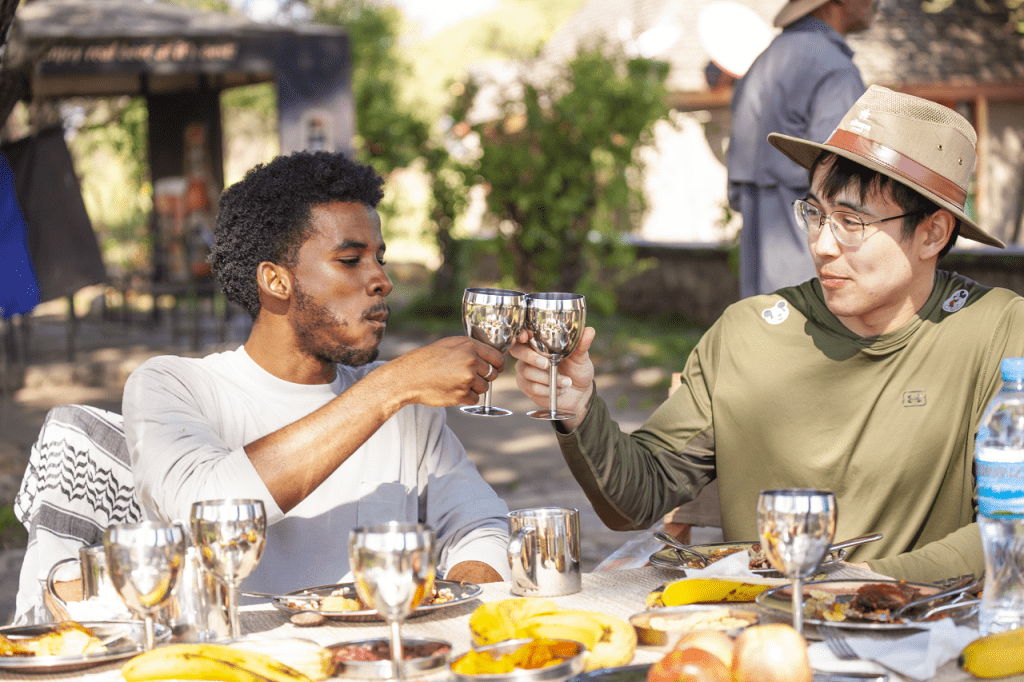
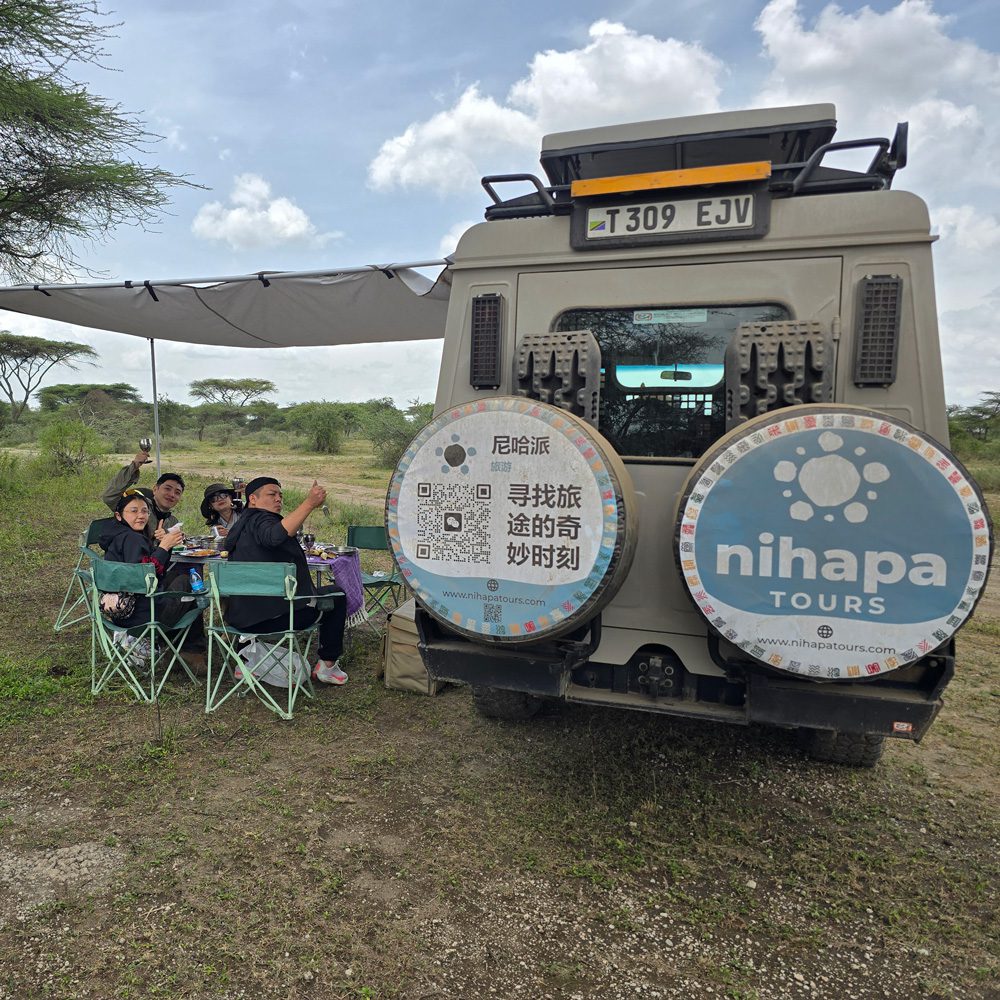
These hampers are carefully packed before departure and designed for convenience, hygiene, and comfort. Guests enjoy their meals at designated picnic sites surrounded by nature, making lunch not just a break, but a memorable part of the safari experience. Whether overlooking open savannahs or resting under acacia trees, dining in the wild adds a unique emotional connection to the journey.
Picnic and Bush Lunch Experience
In addition to packed hampers, some safari days may include picnic-style lunches at scenic park locations. These moments allow travelers to pause their adventure and enjoy nature at its purest. In select luxury experiences, bush dining can also be arranged, where meals are served in beautifully set outdoor locations within safe areas of the wilderness.
Drinking Water Safety
Safe drinking water is always included in Tanzania safari packages. Bottled water is provided throughout game drives and transfers to ensure guests remain hydrated in the warm safari climate. At Nihapa Tours, we prioritize health and safety by ensuring clean, sealed drinking water is available throughout the journey.
Luxury Dining Upgrades
For guests choosing luxury safari packages, dining experiences can be enhanced with premium meal selections, fine wines, cocktails, and personalized service. Some lodges also offer private dining setups, especially for honeymooners or special celebrations, creating unforgettable moments under the African sky.
Dietary Requirements and Flexibility
Tanzania safari operators are highly experienced in catering to different dietary needs. Whether vegetarian, vegan, gluten-free, or allergy-sensitive meals are required, arrangements can be made in advance. At Nihapa Tours, we always encourage guests to share their preferences before arrival so our team can ensure every meal is suitable, safe, and enjoyable.
Dining on safari is not just about eating; it is part of the adventure. From hot-packed lunches in safari hampers to elegant dinners at camp, every meal becomes a meaningful pause in the journey through Tanzania’s extraordinary wilderness.
Game Drives & Daily Safari Activities in Tanzania
Game drives are the heart of every Tanzania safari package, offering travelers the most direct and exciting way to experience Africa’s iconic wildlife. Each day on safari is carefully structured around these drives, ensuring guests are in the right place at the right time to witness nature at its most active and dramatic. At Nihapa Tours, we design our safari itineraries to maximize wildlife encounters while allowing enough flexibility for guests to fully enjoy each moment in the wild.
Morning Game Drives: The Best Time for Wildlife
Morning game drives usually begin at sunrise, when the wilderness is at its most active. This is the ideal time to observe predators such as lions, leopards, and hyenas as they complete their nighttime hunts or move back to rest. The cool temperatures also encourage herbivores like zebras, giraffes, and antelopes to feed in open areas, making wildlife easier to spot.
In parks like the Serengeti National Park, morning drives often deliver some of the most unforgettable safari moments, especially when the Great Migration is in motion. The golden light of sunrise also creates perfect photography conditions, adding a magical glow to the landscape.
Afternoon Game Drives: Golden Light and Relaxed Viewing
Afternoon game drives typically begin after lunch and continue until sunset. During this time, the heat of the day begins to ease, and animals become more active again. Elephants move in herds toward water sources, predators begin to stir, and birds become especially lively.
The afternoon light, often called the “golden hour,” creates stunning visual conditions for photography. This is also when many iconic safari scenes are captured, with silhouettes of acacia trees, grazing animals, and glowing skies.
Full-Day Safari Structure
Some Tanzania safari packages include full-day game drives, especially in large ecosystems such as the Ngorongoro Crater. In this format, guests leave early in the morning with a packed hot lunch in safari hampers and spend the entire day exploring different habitats without returning to the lodge.
This structure allows travelers to cover more ground and increases the chances of seeing rare wildlife interactions, especially during migration seasons or predator activity peaks.
Wildlife Expectations: The Big Five and Beyond
One of the main highlights of a Tanzania safari is the opportunity to see the Big Five: lion, leopard, elephant, buffalo, and rhinoceros. These animals are spread across different parks, with some of the best sightings occurring in Serengeti and Ngorongoro.
In addition to the Big Five, travelers can expect to see large herds of wildebeest, zebras, giraffes, hippos, crocodiles, and hundreds of bird species. Tanzania’s ecosystems are incredibly rich, making every game drive unique and unpredictable.
The Great Migration Experience
One of the most spectacular wildlife events in the world is the Great Migration in the Serengeti. Millions of wildebeest and zebras move across the plains in search of fresh grazing, followed closely by predators. Witnessing river crossings, hunting scenes, and massive herds in motion is often the highlight of any safari experience.
Photography Tips for Game Drives
Safari photography is all about patience and timing. Early morning and late afternoon light provide the best conditions. Keeping cameras ready at all times is important because wildlife encounters can happen unexpectedly. A zoom lens is highly recommended for capturing distant animals without disturbing them. Staying quiet and following your guide’s instructions also improves your chances of getting the perfect shot.
The Emotional Experience of Game Drives
Beyond wildlife sightings, game drives create deep emotional connections with nature. Watching elephants protect their young, seeing lions resting under acacia trees, or witnessing thousands of animals moving across endless plains create moments that stay with travelers forever. The silence of the wilderness, broken only by natural sounds, brings a sense of peace and wonder that is difficult to find elsewhere.
At Nihapa Tours, we believe game drives are not just activities but life-changing experiences. Every journey is designed to help travelers slow down, observe deeply, and truly connect with the wild beauty of Tanzania.
National Park Fees & Conservation Charges in Tanzania
National park fees are an essential part of every Tanzania safari package, yet they are often misunderstood by first-time travelers. These fees are not simply entry costs; they are vital contributions that help protect Tanzania’s world-famous wildlife and preserve its natural ecosystems for future generations. At Nihapa Tours, we always ensure our guests clearly understand how these charges work so that every aspect of their safari feels transparent and well-explained.
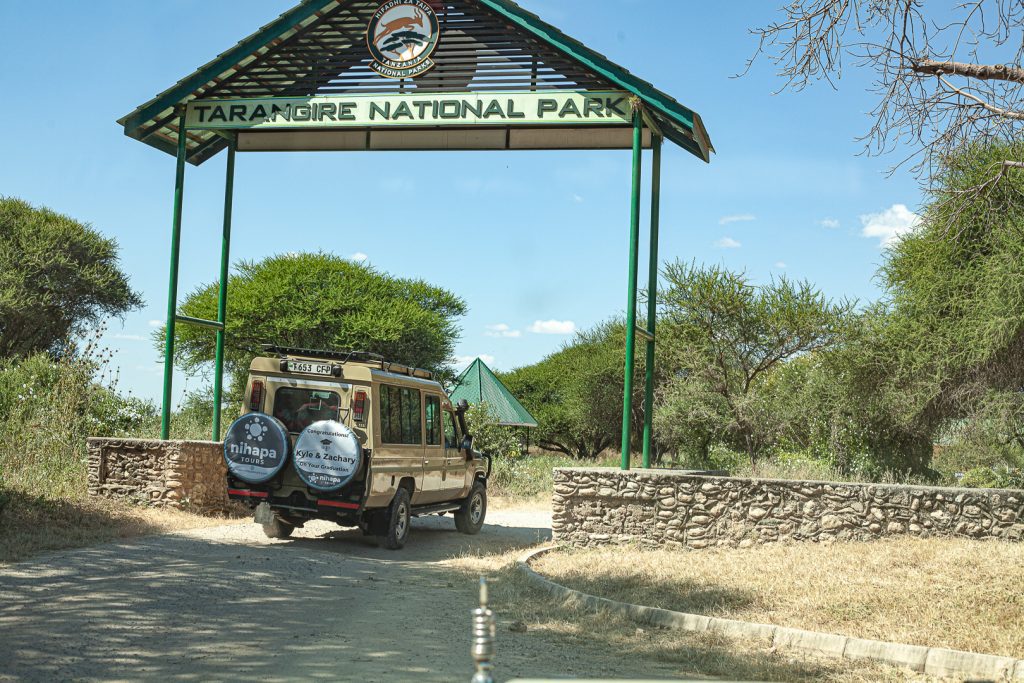
Park fees generally cover access to protected areas such as the Serengeti National Park, where vast herds of wildlife roam freely across open plains, and the Ngorongoro Crater, one of the most unique wildlife conservation areas in the world. These fees are set by the Tanzanian government and are included in most safari packages to ensure that visitors can enter and explore these protected landscapes legally and responsibly.
The main purpose of park fees is conservation. Tanzania’s national parks require significant resources to maintain roads, protect wildlife, prevent poaching, and support environmental research. Rangers, conservation officers, and ecological programs all depend on this funding to keep ecosystems balanced and safe. Without these contributions, the long-term survival of iconic wildlife species such as lions, elephants, and black rhinos would be at risk.
While travelers often see park fees as part of the safari cost, it is more accurate to view them as a conservation investment. Every visitor plays a role in protecting the environment simply by entering the park. This system helps ensure that tourism directly supports wildlife preservation and local communities that depend on conservation-related employment.
In most Tanzania safari packages, park fees are calculated based on the number of days spent in each park and the type of destination visited. For example, conservation-heavy areas like Ngorongoro include additional service charges due to the unique management requirements of the crater ecosystem. These crater service fees help regulate the number of vehicles entering the area each day, protecting the delicate balance between tourism and conservation.
The Ngorongoro Crater is especially sensitive because it is a self-contained ecosystem with a high concentration of wildlife. Managing visitor numbers, maintaining access roads, and preserving natural habitats requires continuous funding. This is why crater service fees are included as a separate component within the overall safari cost structure.
Understanding park fees helps travelers appreciate that a safari is not just a leisure activity but also a contribution to one of the most successful wildlife conservation models in the world. At Nihapa Tours, we are committed to responsible tourism, ensuring that every journey supports both unforgettable experiences and long-term environmental protection across Tanzania’s national parks.
Taxes, Logistics & Safari Management in Tanzania
Behind every smooth and unforgettable safari experience lies a carefully coordinated system of taxes, planning, and operational management. While travelers often focus on wildlife and scenery, the behind-the-scenes structure is what ensures everything runs safely, legally, and efficiently. At Nihapa Tours, we place strong emphasis on transparent pricing, detailed planning, and reliable on-ground support so guests can enjoy their safari without worrying about logistics.
One important component of any Tanzania safari package is government taxes. These include value-added tax (VAT) and other tourism-related charges that are regulated by the Tanzanian government. In most professionally organized packages, these taxes are already included in the total cost, ensuring there are no hidden charges during the journey. This transparency allows travelers to plan their budgets more confidently and understand exactly what they are paying for.
Safari logistics involve far more than simply moving from one destination to another. Each itinerary is carefully designed based on distances, road conditions, wildlife movement patterns, and seasonal changes. Routes between key destinations such as the Serengeti National Park, Ngorongoro Crater, and Tarangire National Park are planned to minimize travel fatigue while maximizing time spent on game drives.
Route planning is especially important in Tanzania due to the vast distances between parks. Experienced operators consider fuel stops, accommodation locations, and optimal game viewing times when designing each day of the safari. This ensures that guests experience a smooth flow throughout their journey without unnecessary delays or rushed schedules.
Emergency handling is another critical part of safari management. Although Tanzania’s national parks are safe and well-regulated, unexpected situations such as vehicle issues or medical needs can occur. Professional operators maintain contingency plans, backup vehicles, and communication systems to respond quickly when needed. This level of preparedness ensures that guest safety is always prioritized.
In addition, 24/7 operator support plays a key role in delivering a stress-free safari experience. From the moment guests arrive in Tanzania until the end of their journey, support teams are available to assist with any questions or issues. Whether it is adjusting schedules, handling special requests, or providing real-time assistance during the safari, this continuous support ensures peace of mind throughout the trip.
At Nihapa Tours, we believe that strong logistics and professional management are just as important as wildlife sightings. By combining careful planning, transparent pricing, and reliable support, we create safari experiences that are not only exciting but also safe, organized, and completely worry-free.
What Is NOT Included in a Tanzania Safari Package
Understanding what is not included in a Tanzania safari package is just as important as knowing what is included. Many first-time travelers focus only on the main inclusions, such as accommodation, transport, and park fees, but a clear awareness of exclusions helps avoid misunderstandings and ensures a smoother travel experience. At Nihapa Tours, we believe in full transparency so that guests can plan realistically and enjoy their safari without unexpected costs or confusion.
One of the most common exclusions in any international safari package is the cost of international flights. Flights to and from Tanzania are not included in safari pricing because travelers join from different countries and destinations. Whether arriving at Kilimanjaro International Airport or other entry points, guests are responsible for booking their own international airfare separately from the safari package.
Visa fees are also not included. Most travelers visiting Tanzania require a tourist visa, which can be obtained online or on arrival, depending on nationality. These fees are set by the government and must be paid individually at the time of entry. While the process is generally straightforward, it is important for travelers to prepare in advance to avoid delays upon arrival.
Travel insurance is another essential but non-included item. Although it is not mandatory in all cases, it is highly recommended for all safari travelers. Insurance covers unexpected situations such as medical emergencies, trip cancellations, or lost luggage. Since insurance requirements vary by country and personal preference, it is always handled separately from the safari package.
Tips and gratuities for safari guides, drivers, and lodge staff are also not included in most packages. While not compulsory, tipping is a widely appreciated practice in Tanzania’s tourism industry. It serves as a gesture of appreciation for excellent service and supports the hardworking teams who make each safari experience memorable.
Alcoholic beverages and some personal drinks are generally excluded from standard safari packages. While meals and drinking water are included, items such as wine, beer, cocktails, and specialty drinks are usually considered personal expenses unless stated otherwise in a luxury package.
There are also optional activities that are not included in the base safari price. Experiences such as a hot air balloon safari over the Serengeti National Park offer a breathtaking aerial view of wildlife but come at an additional cost. Similarly, cultural experiences like visiting a Maasai village provide valuable insight into local traditions but are typically optional add-ons rather than standard inclusions.
These exclusions exist for practical and operational reasons. Every traveler has different preferences, budgets, and travel styles, so separating optional costs from core safari services allows flexibility in designing personalized experiences. It also ensures that base safari packages remain clear, structured, and easy to compare.
At Nihapa Tours, we clearly outline all inclusions and exclusions before booking so that travelers can make informed decisions. This transparency helps build trust, avoids surprises during the trip, and ensures that every guest can fully enjoy their Tanzania safari with confidence and peace of mind.
Hidden Costs & Budget Planning Tips for a Tanzania Safari
Planning a Tanzania safari requires more than just choosing a destination and booking a package. Many travelers focus only on the main safari price, but understanding potential hidden costs and how pricing works helps avoid surprises and ensures a smooth travel experience. At Nihapa Tours, we believe in transparent planning so that every guest can budget confidently and enjoy their safari without financial stress.
One of the most important steps in avoiding unexpected costs is understanding what is already included in your safari package. A well-structured package usually covers accommodation, transport, park fees, a professional guide, and meals. However, expenses such as international flights, visas, tips, and optional activities are often not included. Being aware of these early helps travelers prepare a realistic budget before arrival.
Budgeting for a safari also depends heavily on travel style. Luxury safaris naturally include higher-end lodges, private vehicles, and premium services, while budget safaris focus on simpler accommodation and shared logistics. Choosing the right package type is essential because it directly affects the overall cost and experience. At Nihapa Tours, we always guide travelers in selecting a package that matches both their expectations and budget, ensuring value without compromising quality.
Seasonal price differences also play a major role in safari budgeting. Tanzania has peak travel seasons, especially during wildlife events such as the Great Migration in the Serengeti National Park, when demand for accommodation and safari vehicles increases. During these periods, prices are generally higher due to limited availability. In contrast, low seasons may offer more affordable rates and fewer crowds, making them ideal for budget-conscious travelers who still want a high-quality safari experience.
Another important factor is the difference between group safaris and private safaris. Group safaris are more cost-effective because expenses such as transport and guide services are shared among multiple travelers. This makes them a great option for solo travelers or those looking to reduce costs. Private safaris, on the other hand, offer more flexibility, personalized schedules, and exclusive use of the vehicle, but at a higher price point. Understanding this balance helps travelers choose based on their priorities, cost savings versus comfort, and customization.
To avoid hidden costs, travelers should always ask for a detailed breakdown of what is included in the package. Clarifying details such as drinks, optional activities, and tipping expectations helps prevent misunderstandings during the trip. It is also advisable to set aside a small contingency budget for personal expenses such as souvenirs or last-minute activity upgrades.
At Nihapa Tours, we focus on clear communication and honest pricing so that travelers know exactly what they are paying for. By understanding seasonal pricing, package types, and potential extra costs, guests can plan better and enjoy a stress-free safari experience from start to finish.
Best Time to Visit Tanzania for Safari
Choosing the best time to visit Tanzania for a safari is one of the most important decisions for travelers because it directly affects wildlife visibility, weather conditions, pricing, and overall experience. Tanzania offers excellent safari opportunities throughout the year, but each season provides a different perspective of the wilderness. At Nihapa Tours, we guide travelers in selecting the right timing based on their expectations, whether they are looking for dramatic wildlife action, lush green landscapes, or budget-friendly travel periods.
The most popular time for a Tanzania safari is the dry season, which typically runs from June to October. During this period, rainfall is minimal, vegetation is thinner, and animals gather around rivers and water sources. This makes wildlife easier to spot, especially in open ecosystems like the Serengeti National Park and the Tarangire National Park. The dry season is also the best time for classic game viewing, as predators and herbivores are more concentrated in visible areas. However, this is also peak tourist season, meaning higher prices and more demand for accommodation.
In contrast, the green season, which runs from November to May, offers a completely different but equally beautiful safari experience. This period is characterized by lush landscapes, dramatic skies, and fewer tourists. While wildlife can be slightly harder to spot due to thicker vegetation, the scenery is stunning, and many animals give birth during this time, attracting predator activity. This season is ideal for travelers looking for photography opportunities, lower prices, and a more peaceful safari experience.
One of the most important highlights influencing travel timing is the Great Migration. This natural spectacle involves millions of wildebeest, zebras, and gazelles moving across the Serengeti ecosystem in search of fresh grazing. Depending on the month, travelers can witness different stages of the migration, including calving season in the southern Serengeti, dramatic river crossings in the northern regions, and large herd movements across the plains. The timing of this event makes Tanzania one of the most sought-after safari destinations in the world.
Weather conditions also play a key role in planning a safari. The dry season offers sunny days and cooler nights, making game drives more comfortable. The green season brings occasional rainfall, usually in short bursts, followed by clear skies and vibrant landscapes. Each season provides a unique atmosphere that appeals to different types of travelers.
Park-by-park timing is also important. For example, the Serengeti is excellent year-round due to migration patterns, while Tarangire is best during the dry season when elephants gather in large numbers near the river. The Ngorongoro Crater offers consistent wildlife viewing throughout the year due to its enclosed ecosystem, making it a reliable destination regardless of season.
Ultimately, the best time to visit Tanzania depends on what kind of safari experience you are looking for. Whether it is high-action wildlife encounters, peaceful green landscapes, or budget-friendly travel periods, Tanzania delivers unforgettable experiences in every season. At Nihapa Tours, we help travelers choose the perfect timing to ensure their safari matches their expectations and creates lasting memories in the heart of Africa.
Why Book with Nihapa Tours
Choosing the right safari operator is one of the most important decisions when planning a Tanzania safari, as it directly influences the quality, safety, and overall experience of your journey. At Nihapa Tours, we combine deep local expertise, responsible tourism practices, and personalized service to create safaris that are not only memorable but also meaningful from start to finish.
One of the strongest reasons to book with Nihapa Tours is our local expertise. Being based in Tanzania gives us firsthand knowledge of wildlife behavior, seasonal movements, and the best routes across iconic destinations such as the Serengeti National Park, Ngorongoro Crater, and Tarangire National Park. This allows us to design itineraries that maximize wildlife viewing opportunities while ensuring smooth travel between parks.
We are also deeply committed to sustainable tourism. At Nihapa Tours, we believe that tourism should protect nature rather than harm it. Our operations are designed to minimize environmental impact while supporting conservation efforts and promoting responsible travel behavior among guests. Every safari contributes to preserving Tanzania’s unique ecosystems for future generations.
A key part of our mission is community support through Nature Steward and Partners (NSP), our non-profit initiative. Through this partnership, a portion of safari proceeds goes directly toward community development and conservation projects. This includes supporting education programs, environmental awareness, and local livelihood initiatives that help surrounding communities benefit from tourism in a meaningful way.
Nihapa Tours also specializes in creating custom safari experiences tailored to different travel needs. Whether you are looking for a family safari designed for comfort and safety, a luxury safari with premium lodges and private services, or a budget-friendly adventure focused on value and exploration, we carefully design each itinerary to match your expectations and travel style.
Customer care and transparency are at the core of everything we do. From the first inquiry to the final day of your safari, our team provides clear communication, honest pricing, and continuous support. We ensure that every traveler understands exactly what is included in their package, helping to avoid confusion and build complete trust before and during the journey.
When you book with Nihapa Tours, you are not just choosing a safari operator; you are choosing a dedicated partner committed to delivering exceptional experiences across Tanzania. If you are ready to explore the wild beauty of Africa with confidence, you can book your safari today, request a personalized quote, or contact our team for expert guidance.