Tanzania Itinerary 7 Days: How we plan effectively
When travelers ask us how long they should spend on safari in Tanzania, our answer is rarely complicated. In most cases, seven days is the most sensible, rewarding, and time-tested choice. It is long enough to experience the diversity of northern Tanzania properly, yet short enough to remain comfortable and enjoyable, even for first-time visitors.
We have planned and operated safaris across Tanzania for many years, working with families, couples, photographers, and seasoned travelers. Over time, we have learned that a well-designed 7-day itinerary offers the right balance between wildlife viewing, travel distance, rest, and immersion. This guide explains how we approach a 7-day Tanzania itinerary, what it actually looks like on the ground, and what we believe every traveler should understand before booking.
This is not a generic itinerary copied from brochures. It reflects how safaris are traditionally done in Tanzania and how experienced local operators design journeys that work in real conditions.
Why Seven Days Works So Well in Tanzania
Seven days has always been considered the classic safari length in northern Tanzania. Long before modern tourism marketing existed, safaris were designed around similar timeframes. The reason is simple. The distances between parks, the rhythm of wildlife, and the physical demands of game drives all point toward this duration.
In seven days, we can include Tarangire, Serengeti, and Ngorongoro without rushing. We can plan early morning drives properly, allow time for long but scenic road journeys, and choose accommodation based on location rather than convenience alone. Most importantly, seven days allows guests to slow down mentally. Safari is not just about sightings. It is about learning to observe, to wait, and to notice patterns in nature.
Shorter itineraries often force compromises. They reduce time in the Serengeti or replace road travel with flights that remove context from the journey. Longer itineraries are excellent for repeat visitors or highly specific interests, but for most travelers, seven days delivers depth without fatigue.
How We Design a 7-Day Tanzania Safari Itinerary
When we plan a safari, we never start with park names. We start with the season, the traveler’s expectations, and how much time we have to work with. Only then do we decide where each night should be spent and how each day should unfold.
A good itinerary flows naturally. Each day builds on the previous one. Long drives are balanced by slower days. Intense wildlife areas are followed by quieter landscapes. This approach has been refined over decades of safari planning in Tanzania, and it remains as relevant today as it was in the past.
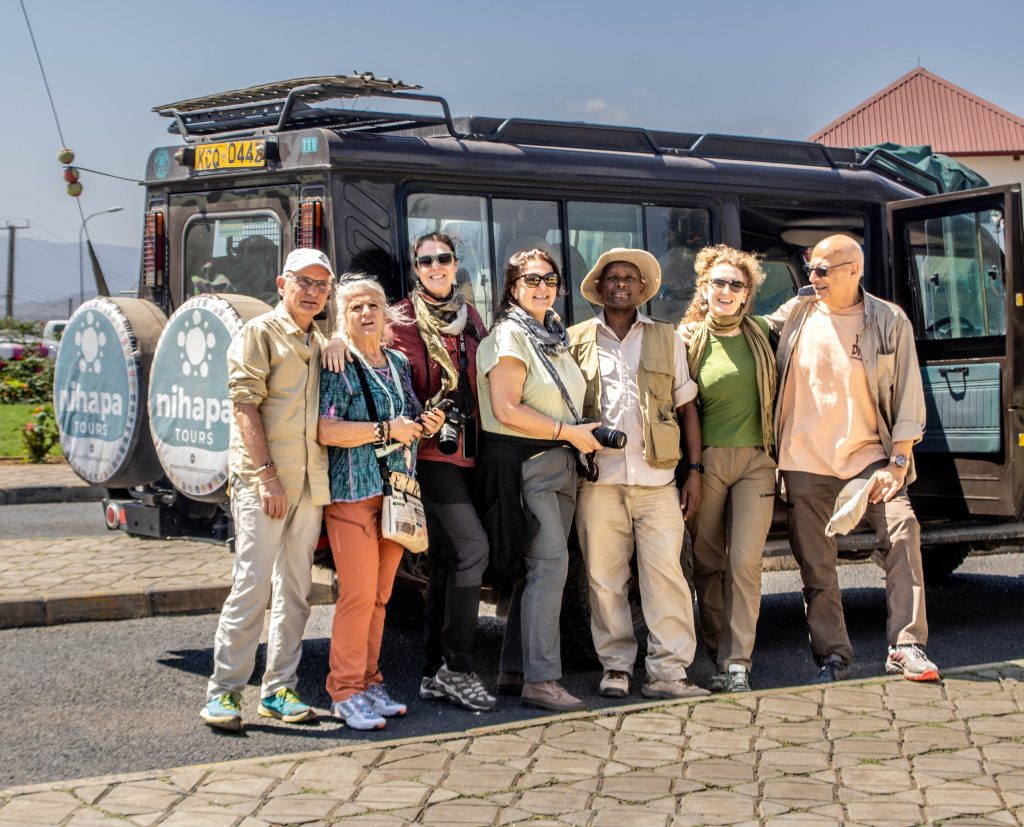
Day 1: Arrival in Arusha – Preparing for Safari Life
The first day of a Tanzania safari is often underestimated. Many travelers are eager to see animals immediately, but experience has taught us that a calm, well-organized arrival day improves the entire journey.
Guests usually arrive at Kilimanjaro International Airport and transfer to Arusha, the traditional safari capital of northern Tanzania. Arusha is not chosen by accident. Its location, altitude, and infrastructure make it the ideal starting point for overland safaris.
On this day, we focus on rest and orientation. We meet our guests, go through the itinerary, answer questions, and make sure expectations are aligned with reality. This is also when travelers begin to adjust to the pace of safari life. Early nights are encouraged because the following days begin early.
This day sets the tone. A relaxed start leads to a better safari.
Day 2: Arusha to Tarangire National Park
Tarangire National Park is often our first wildlife stop, and there is a reason it has always played this role. Tarangire introduces travelers to Tanzania’s wildlife in a way that feels natural rather than overwhelming.
The drive from Arusha to Tarangire passes through rural landscapes and small towns, offering a first glimpse of daily life outside the parks. Once inside Tarangire, the environment changes quickly. The land opens up, baobab trees dominate the skyline, and the Tarangire River becomes the lifeline for animals, especially during the dry season.
This park is particularly known for its elephant population. Watching large herds move slowly through the landscape, often against the backdrop of ancient baobabs, is a powerful introduction to safari. Predators are present too, but Tarangire’s strength lies in its sense of space and rhythm.
We usually spend the full afternoon here, moving slowly and allowing wildlife encounters to unfold naturally. Rushing through Tarangire misses its essence.
Day 3: Tarangire to Serengeti – Entering the Heart of the Safari
The journey from Tarangire to the Serengeti is one of the most important transitions in a Tanzania safari. It is a long drive, but it is not wasted time. The road takes us through the Ngorongoro Highlands, where the climate cools and the scenery becomes greener. Maasai communities are visible along the way, reminding travelers that these landscapes have been shared between people and wildlife for centuries.
Entering the Serengeti is always a moment. The land opens dramatically, and the scale becomes difficult to describe until it is seen. This is where many travelers feel they have truly arrived in Africa.
We usually enter the Central Serengeti, also known as the Seronera region. This area supports wildlife throughout the year, making it reliable regardless of season. Afternoon game drives here often reveal lions, elephants, giraffes, and sometimes leopards resting in riverine trees.
The first night in the Serengeti is often when guests realize how different safari life is from ordinary travel. The sounds of the bush, the darkness, and the sense of isolation are part of the experience.
Day 4: A Full Day in Serengeti National Park
A full day in the Serengeti is essential. Without it, the experience feels incomplete. This is the day we build around wildlife activity rather than fixed schedules.
We begin early, when predators are active and temperatures are cool. Morning game drives offer the best light and the highest chances of witnessing natural behavior. Depending on the time of year, we may focus on resident big cats, follow migration herds, or explore river systems where animals gather.
We return to camp for rest during the heat of the day, then head out again in the afternoon. This rhythm is traditional, practical, and effective. It respects both wildlife patterns and human energy levels.
This day is rarely about covering distance. It is about patience. Some of the most memorable sightings happen when we stop trying to find animals and allow them to reveal themselves.
Day 5: Serengeti to Ngorongoro Conservation Area
After a final morning in the Serengeti, we begin the journey toward Ngorongoro. This transition day plays an important role in balancing the itinerary.
Leaving the open plains behind, we climb back into the highlands. The air becomes cooler, the vegetation denser. The Ngorongoro Conservation Area is unique in that it balances wildlife protection with human presence. It is one of the few places in Africa where pastoral communities and wild animals coexist within the same protected landscape.
We usually overnight near the crater rim or in the nearby highlands. This positioning allows for an early start the next morning, which is critical for the crater visit.
Day 6: Ngorongoro Crater – A Natural Sanctuary
The Ngorongoro Crater is one of Tanzania’s most remarkable natural features. Formed by a collapsed volcano thousands of years ago, it creates a contained ecosystem where wildlife remains present year-round.
Descending into the crater early in the morning offers the best experience. Wildlife density is high, and sightings are frequent. Lions, elephants, hippos, and large herds of grazers are common. With luck, travelers may also see the endangered black rhino, one of the crater’s most protected residents.
Because the crater is compact, the game drive feels intense. There is little downtime between sightings. For many travelers, this day provides a sense of closure to the safari, bringing together everything they have seen so far.
After the crater tour, we begin the return journey toward Arusha or Karatu, depending on the schedule.
Day 7: Return to Arusha and Departure
The final day is deliberately unhurried. After breakfast, we drive back to Arusha, reflecting on the journey. For some guests, this is the end of the safari. For others, it is the beginning of a beach extension in Zanzibar.
Ending the safari calmly is important. Safari is an emotional experience, and allowing time to process it is part of doing it properly.
What We Always Explain Before Guests Book
One of the most important parts of our work happens before the safari begins. Clear expectations lead to better experiences.
Safari days start early. This is not negotiable if wildlife viewing is the priority. Animals are most active in the early morning and late afternoon, and this has always been the case. Guests who understand this enjoy their safari far more than those who resist it.
Driving is part of the safari experience. Tanzania safaris have traditionally been overland journeys. The landscapes between parks, the villages, and the gradual changes in scenery add context and meaning. Flying removes these elements and often creates a fragmented experience.
Accommodation location matters more than luxury. A well-placed tented camp close to wildlife movement offers better sightings than a luxury lodge far from activity. Comfort is important, but proximity to wildlife is what defines a great safari.
Guides shape the entire journey. A good guide understands animal behavior, not just animal names. Experience, patience, and intuition matter more than speed or technology.
The Safari Vehicle: Where the Experience Actually Happens
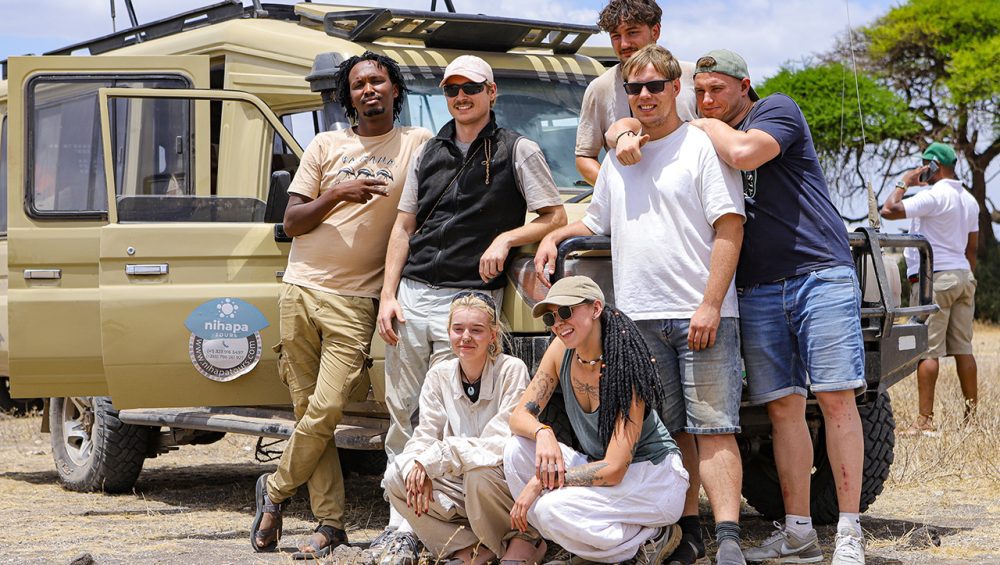
When people imagine a safari, they often think first about animals or landscapes. In reality, the safari vehicle is where most of the experience takes place. This is where guests spend hours observing wildlife, asking questions, eating picnic lunches, and sharing reactions in real time. For this reason, we pay close attention to the type of vehicle we use and how it is prepared for each journey.
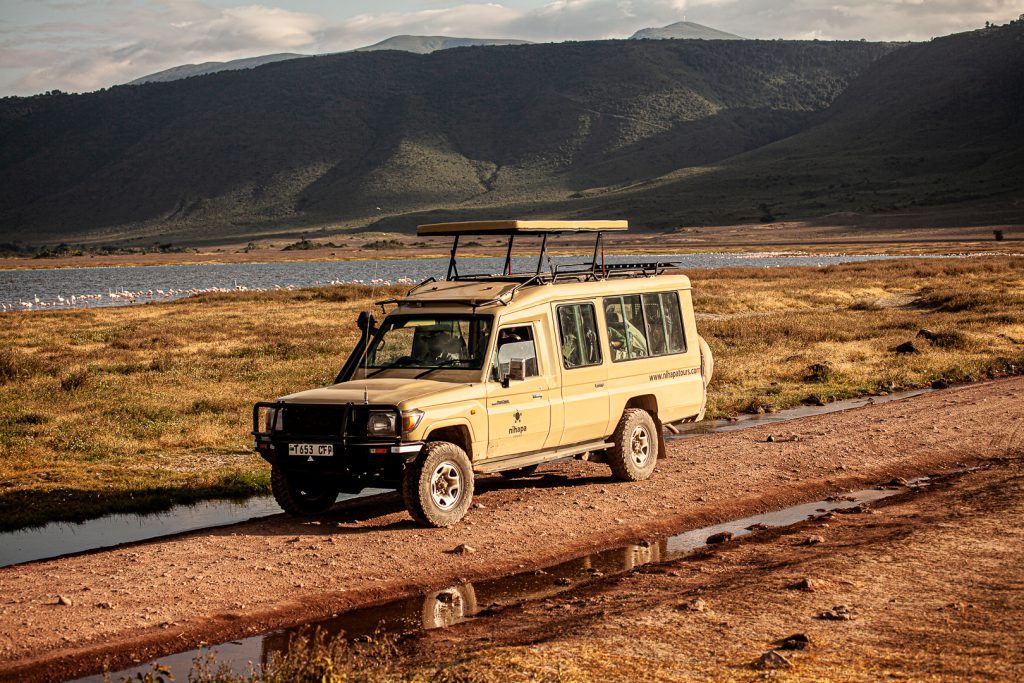
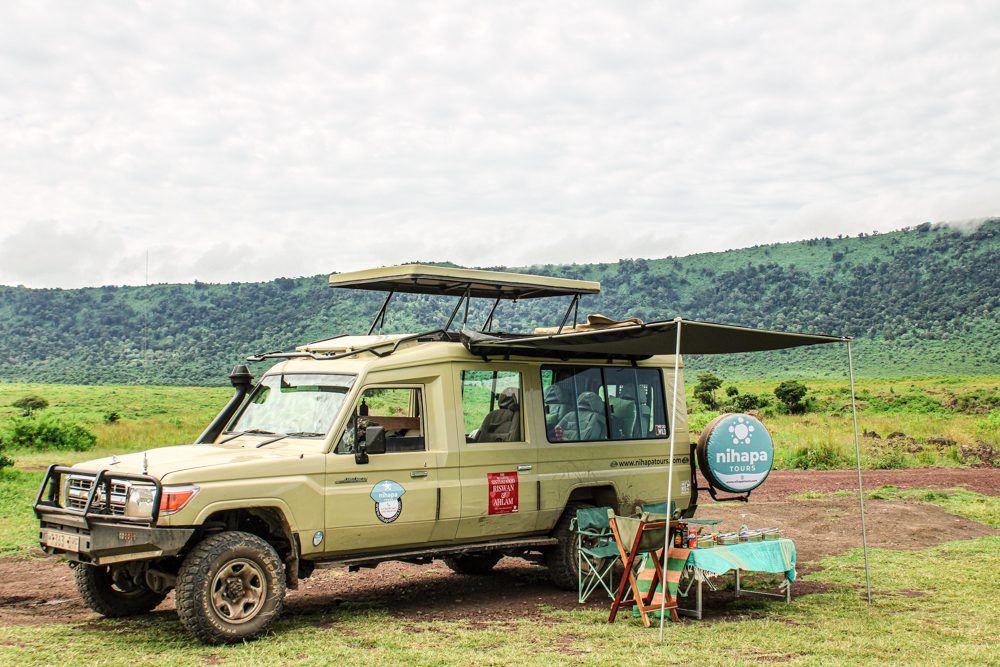
Our safaris are conducted in custom-built 4×4 Land Cruisers designed specifically for African conditions. These vehicles are not chosen for comfort alone, but for reliability, visibility, and safety. Pop-up roofs allow unobstructed wildlife viewing and photography, while large windows ensure every guest has a clear line of sight. The seating arrangement is planned so that no one feels cramped or blocked, even on long game drive days.
Just as important is how the vehicle is used. Safari driving is not about speed. It is about positioning, patience, and understanding animal behavior. A skilled guide knows where to stop, when to wait, and how to approach wildlife without causing stress. The vehicle becomes an extension of the guide’s experience rather than just a mode of transport.
We also prepare each vehicle based on the itinerary and the guests traveling. Families, photographers, and private couples all have different needs. Extra space, charging points, cooler boxes, or specialized seating are considered in advance, not improvised on the day.
Accommodation: Why Location Always Comes First
Accommodation is one of the most misunderstood aspects of safari planning. Many travelers focus on luxury levels without realizing that location has a far greater impact on their experience. Over the years, we have learned that a modest tented camp in the right place can deliver far more wildlife encounters than a high-end lodge located far from animal movement.
When selecting accommodation, we prioritize proximity to wildlife corridors, water sources, and known animal territories. This reduces driving time and increases time spent observing animals. It also allows for earlier starts and later returns, which are crucial for quality game viewing.
We work with a range of accommodation styles, from seasonal mobile camps to permanent lodges. Each serves a purpose. Mobile camps follow wildlife movements and offer an immersive, traditional safari feel. Permanent lodges provide additional comfort and stability, especially for families or travelers seeking more amenities.
The choice of accommodation is always guided by the traveler’s expectations, physical needs, and travel season. We do not place guests in the same camps by default. Every stay is chosen to support the overall flow of the itinerary rather than simply filling nights on a map.
Meal Plans: How Food Fits Into Safari Life
Meals on safari are more than just nourishment. They are part of the daily rhythm and often one of the most enjoyable social moments of the journey.
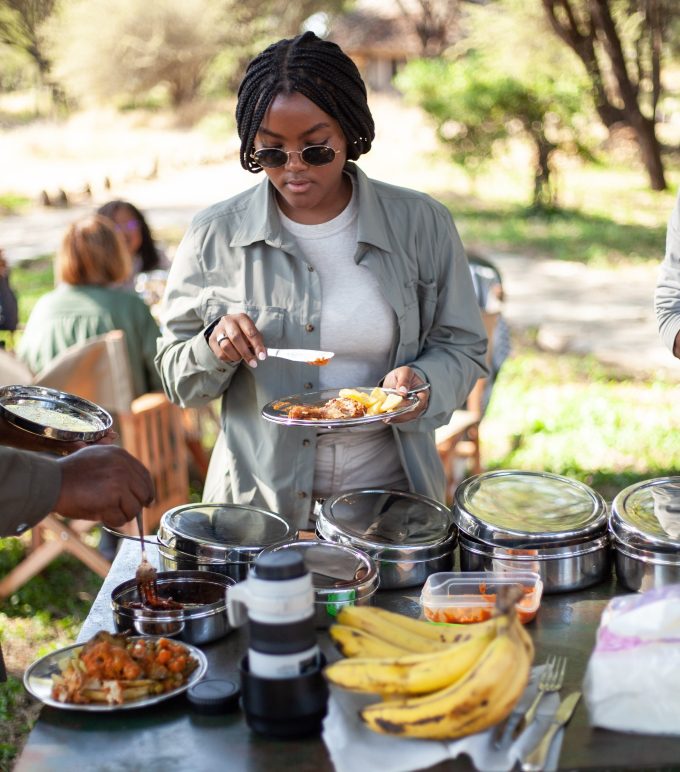
Most safari accommodations operate on a full-board basis, which includes breakfast, lunch, and dinner. On game drive days, meals may be taken at camp or served as picnic lunches inside the parks. These picnic lunches are carefully prepared and enjoyed in designated areas, allowing guests to remain close to wildlife rather than returning to camp mid-day.
We always discuss dietary requirements in advance. Vegetarian, vegan, halal, gluten-free, and medical dietary needs are accommodated when communicated early. Safari kitchens are experienced in adapting menus, but planning is essential to ensure consistency across different camps.
Timing also matters. Early breakfasts are common, especially on Serengeti and Ngorongoro days. Lunches are lighter to suit game drive schedules, while dinners are more relaxed, allowing guests to reflect on the day’s experiences. This rhythm has been refined over generations of safari operations and remains the most effective way to balance comfort and activity.
Personalization: How We Tailor Every Safari
No two travelers experience Tanzania in the same way, and we do not believe in one-size-fits-all itineraries. Personalization begins long before arrival and continues throughout the safari.
When planning a 7-day itinerary, we consider travel dates, interests, energy levels, and previous travel experience. Some guests want long game drives and minimal lodge time. Others prefer shorter drives with more rest. Families may need flexible schedules, while photographers may want extended time in specific locations.
Seasonal adjustments are also critical. Wildlife movement changes throughout the year, and we adapt routes, accommodations, and focus areas accordingly. A safari planned for February looks very different from one planned for August, even if the number of days is the same.
Personalization does not stop once the safari begins. Guides adjust daily plans based on weather, wildlife activity, and guest preferences. If a particular sighting captures interest, time is adjusted. If guests are tired, the pace slows. This flexibility is one of the defining features of a well-run safari.
Why These Details Matter
Vehicles, accommodation, meals, and personalization may not be the most glamorous topics, but they are what determine whether a safari feels effortless or exhausting. When these elements are planned properly, guests stop thinking about logistics and begin fully engaging with the experience.
This level of planning comes from experience, not templates. It is shaped by years of guiding, listening to guests, and understanding how Tanzania’s landscapes and wildlife behave in different seasons.
Is a 7-Day Tanzania Safari Right for You?
In our experience, a seven-day safari is ideal for first-time visitors who want a complete and meaningful introduction to Tanzania. It is also suitable for travelers who value quality over quantity and prefer a traditional safari approach.
For photographers, migration specialists, or repeat visitors, we often recommend longer itineraries focused on specific regions. For those with very limited time, shorter safaris are possible, but they require careful planning and realistic expectations.
Closing Perspective
A 7-day Tanzania safari is not defined by the number of parks visited, but by how thoughtfully each day is designed. When vehicles are right, accommodations are well-located, meals are well-timed, and the itinerary is personalized, the safari becomes something deeper than a trip. It becomes a journey that feels natural, unforced, and memorable.