Guide to Ndutu – Everything You Should Know
Understanding Ndutu: Where the Migration Unfolds
Ndutu is not a place that announces itself loudly, and that is precisely why it holds such power in the story of the Great Migration. Located between the southern Serengeti plains and the Ngorongoro Conservation Area, Ndutu does not fit neatly into traditional safari definitions. It is not a national park, nor a single fenced reserve; yet, year after year, it becomes the setting for one of the most important wildlife events on Earth.
To understand Ndutu properly, it is essential to move beyond maps and borders. Ndutu is defined instead by seasonality, grass conditions, rainfall patterns, and animal instinct. When these elements align, the land comes alive in a way few places on the continent can rival.
Table of contents
What Exactly Is Ndutu?
Ndutu refers to a broad area of open plains, seasonal lakes, and acacia woodland that lies partly within the Ngorongoro Conservation Area and partly within the southern Serengeti ecosystem. Its importance is not political or administrative, but ecological. This is one of the few regions in East Africa where wildlife movement remains largely dictated by natural factors rather than human infrastructure.
When the short rains arrive, usually toward the end of the year, Ndutu’s plains regenerate rapidly. Fresh, mineral-rich grasses emerge, precisely what pregnant wildebeest require in the final stages of gestation. This natural alignment is why the migration consistently returns here, year after year, without guidance or hesitation.
Why Ndutu Matters in the Great Migration
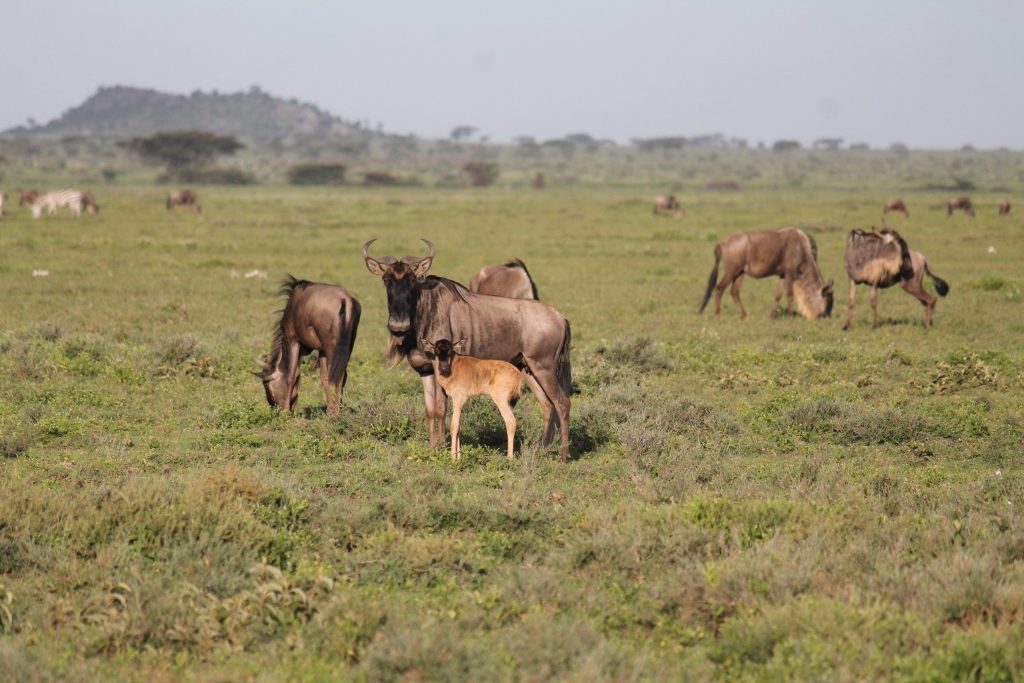
While river crossings often dominate migration imagery, Ndutu represents something far more fundamental. This is where the migration renews itself. Between January and March, hundreds of thousands of wildebeest gather on these plains to give birth, creating the highest concentration of newborn large mammals anywhere in the world.
For visitors, this transforms the migration from a distant spectacle into an intimate, ground-level experience. The landscape is wide and open, visibility is excellent, and wildlife behavior unfolds continuously. There is no single dramatic moment to wait for; Instead, the story of survival plays out hour by hour.
The Ndutu Safari Experience: Closer, Quieter, More Intense
One of Ndutu’s defining characteristics is the ability to drive off-road in many areas. This single factor fundamentally changes the safari experience. Rather than remaining on fixed tracks, guides can carefully position vehicles to observe natural behavior without disturbing wildlife.
This allows guests to witness:
- Wildebeest calving at close but respectful distances
- Predators move naturally across the plains
- Interactions that would be missed from a roadside view
For photographers, this means better angles and light. For wildlife enthusiasts, it means a deeper understanding rather than rushed sightings.
A Seasonal Destination That Rewards Timing
Ndutu is not designed to be visited at any time of year, and this is where many misunderstand its role. Outside the migration window, the herds move on, and the plains grow quieter. Ndutu returns to a subtle, almost private rhythm, beautiful in its own way but far less dramatic.
This seasonality is not a weakness; it is Ndutu’s strength. Those who arrive at the right time, with clear expectations, are rewarded with an experience that feels purposeful and alive. Knowing when to visit Ndutu is not simply helpful; it is essential.
Who Ndutu Is Really For
Ndutu tends to attract travelers who value context over checklists. It appeals to those who want to understand why animals are here, how long they remain, and what happens when conditions change. Many visitors find that a single morning in Ndutu reveals more about predator-prey dynamics than several days elsewhere.
At its core, Ndutu is about beginnings. It is where the migration resets, where life starts under open skies, and where East Africa feels most honest. To experience Ndutu properly is not to rush through it, but to allow the land and its rhythms to speak for themselves.
In the sections that follow, we will explore how Ndutu fits into the wider migration cycle, the best months to visit, the wildlife behavior that makes it unique, and how to plan a safari here with clarity and purpose. Understanding Ndutu is the first step toward experiencing it properly, and once understood, it is rarely forgotten.

Plan Your Trip to Tanzania
Chat with a local specialist who can help organize your trip.
Where is Ndutu Located?
The Ndutu Plain is located within the Ngorongoro Conservation Area. Lie on the fringes of the Southern Serengeti and offers a breathtaking safari experience. These vast plains are dotted with majestic acacia trees, creating a picturesque setting that stretches across Lake Ndutu and Lake Masek.
Renowned as one of the best predator-viewing spots in the Ngorongoro region. Ndutu provides an unparalleled opportunity to witness the thrilling interactions between hunters and prey. This area serves as a crucial calving ground during the Great Wildebeest Migration, where thousands of wildebeest give birth between December and March, attracting lions, cheetahs, and hyenas in search of easy prey.
With its unique blend of short grass plains, soda-rich Lake Masek, seasonal marshes, and lush woodlands, It Also supports an incredible diversity of both resident and migratory wildlife, making it a prime destination for an unforgettable safari adventure.
Read Also:- Complete Guide to Serengeti National Park
How to Get There
Ndutu can be accessed by road from Arusha, with a scenic 6-hour drive through the Ngorongoro Conservation Area, offering breathtaking landscapes and potential wildlife sightings along the way.
Alternatively, travelers can reach by air, with flights from Arusha landing at nearby airstrips such as Ndutu Airstrip, Kusini Airstrip, and Seronera Airstrip, providing a faster and more convenient travel option.
Where Ndutu Fits in the Great Migration
To truly understand Ndutu, it is necessary to step back and view the Great Migration not as a single event, but as a continuous cycle shaped by rainfall, grass growth, and survival instincts. Ndutu is not a stopover by chance. It is one of the most critical locations in the entire migration system, because what happens here determines the future of the herds for the year ahead.
The Great Migration involves more than a million wildebeest, accompanied by hundreds of thousands of zebra and gazelle, moving in a vast circular pattern across the Serengeti–Mara ecosystem. While river crossings often capture attention, they represent only one chapter. Ndutu is where the story resets.
The Logic Behind the Migration Cycle
The migration is driven primarily by rainfall patterns, not geography. As rains move across the ecosystem, fresh grass follows, and the herds follow the grass. This movement is not random. Over thousands of years, wildebeest have evolved to recognize where nutrients will be richest at specific times of year.
Why the Southern Plains Matter
The southern Serengeti and Ndutu plains are unique because of their volcanic soil, rich in minerals such as calcium and phosphorus. These nutrients are essential for pregnant wildebeest in late gestation and for the rapid development of newborn calves. No other part of the ecosystem offers the same combination of open plains, short grass, and mineral density at the right moment.
This is why, as the short rains begin, the migration naturally drifts southward. Ndutu becomes a magnet, not because of water alone, but because it offers the best possible conditions for birth and early survival.
Ndutu as the Calving Heart of the Migration
Between January and March, Ndutu transforms into the calving nucleus of the Great Migration. During this period, the majority of wildebeest calves are born within a relatively short window. This concentration is not accidental. By synchronizing births, the herds overwhelm predators through sheer numbers, increasing the chances that most calves survive.
What Makes Calving Season So Critical
Calving season is not simply about new life; it is about population renewal. The strength of the migration later in the year, including river crossings and long-distance movement, depends on how many calves survive these first weeks.
Ndutu offers:
- Flat terrain that allows calves to run within minutes of birth
- Excellent visibility to detect predators early
- Grass is short enough for calves to feed easily
Without Ndutu, the migration as we know it would not function.
Predator-Prey Balance in Ndutu
Where the herds gather, predators follow. Lions, cheetahs, hyenas, and jackals all concentrate in Ndutu during calving season, creating one of the most intense predator-prey environments in Africa.
Why Predator Sightings Are So Reliable Here
Unlike river crossings, which are unpredictable in timing, Ndutu offers consistent daily action. Predators do not need to chase herds across vast distances; the food supply is concentrated and constant. This leads to:
- Frequent daytime hunts
- An extended predator presence in one area
- Clear behavioral patterns that can be observed over several days
For visitors, this creates a deeper understanding of how the ecosystem truly works, rather than isolated dramatic moments.
How Ndutu Differs From Other Migration Locations
It is important to recognize that Ndutu plays a different role than other famous migration zones.
Ndutu vs Northern Serengeti and Mara River
In the north, the migration is defined by obstacles such as rivers, steep banks, and crossings driven by pressure from behind. In Ndutu, the movement is slower and more deliberate. Animals spread out across vast plains, grazing, resting, giving birth, and regrouping.
This difference changes the safari experience entirely. Ndutu is less about waiting for a single event and more about immersing yourself in an ongoing natural process.
Timing Is Everything in Ndutu
Ndutu’s importance within the migration is inseparable from timing. Arriving too early or too late changes the experience dramatically. When conditions align, Ndutu is unmatched. When they do not, it becomes a quiet, almost contemplative landscape.
This is why Ndutu works best as part of a well-planned seasonal itinerary, often combined with Central Serengeti or Ngorongoro. Understanding its role in the migration allows travelers to place Ndutu at exactly the right point in their journey.
Why Ndutu Is Essential to Understanding the Migration
For travelers who want to understand the Great Migration in its entirety, Ndutu is not optional; it is foundational. This is where the next generation is born, where predator populations thrive, and where the migration regains its strength before moving on.
Ndutu does not offer spectacle for spectacle’s sake. It offers context. It explains why the herds move north later in the year, why river crossings happen at all, and why the migration continues to endure despite immense challenges.
In the next section, we will look closely at how Ndutu compares to other regions within the Serengeti ecosystem, helping you decide whether it is the right choice for your safari, and, just as importantly, when it is not.
The Best Time to Visit Ndutu
The best time to visit Ndutu is from December to March when the Great Wildebeest Migration arrives in the region. During this period, thousands of wildebeest gather to give birth, attracting predators like lions and cheetahs, and creating some of the most thrilling safari moments. The weather is also dry and pleasant, providing excellent game-viewing conditions.
However, Ndutu can be visited year-round, with each season offering unique wildlife experiences and birdwatching opportunities:
June to October (Dry Season): Ideal for game drives and walking safaris, as wildlife congregates around water sources.
April to May & November to December (Wet Season): The landscape transforms into a lush, green paradise, offering beautiful scenery, newborn animals, and an abundance of migratory birds.
Whether you visit during the migration or in the quieter months, Ndutu always delivers an unforgettable safari experience
Table 0.1 shows a month-to-month guide
| Month | Migration Activity | Wildlife Highlights | Visitor Notes |
|---|---|---|---|
| January | Early calving begins; herds gather on southern plains | First calves born, predators positioning | Fewer crowds; great for witnessing build-up to calving |
| February | Peak calving; highest herd density | Massive predator activity; frequent hunts | Most intense wildlife action; must book early |
| March | Calving slows; herds begin subtle movement north/west | Predators active but dispersed; fewer calves | Strong wildlife encounters with smaller crowds |
| April–May | Herds move away; plains quiet | Resident wildlife only; few predators | Good for solitude, birding, or landscape photography |
| June–December | Migration has left; Ndutu is no longer the main focus | Resident wildlife only | Better to visit Central or Northern Serengeti during this period |
Ndutu vs Serengeti vs Masai Mara: Choosing the Right Migration Experience
Understanding the differences between Ndutu, the Serengeti, and the Masai Mara is essential for any traveler seeking to experience the Great Migration thoughtfully. While all three regions offer spectacular wildlife encounters, each provides a distinct safari experience shaped by timing, terrain, wildlife behavior, and visitor density. Choosing the right destination ensures your expectations align with reality, and your safari delivers the experience you came for.
Ndutu vs Central Serengeti
Ndutu is widely recognized for its role in the calving season, which occurs between January and March. Here, hundreds of thousands of wildebeest gather to give birth on nutrient-rich southern plains. Predator activity is concentrated, offering close-range sightings of lions, cheetahs, and hyenas. The terrain is open, the light is excellent for photography, and many areas allow off-road driving for optimal observation.
In contrast, Central Serengeti provides year-round wildlife viewing. While it lacks the intense calving concentration of Ndutu, it offers more consistent sightings of the Big Five and other resident wildlife, regardless of the season. The landscape is slightly more rolling, and visitor density is moderate compared to Ndutu during peak calving.
Travelers seeking dramatic, seasonal wildlife events with intimate predator-prey interactions should choose Ndutu. Those who prioritize consistent wildlife encounters across all months will find Central Serengeti more reliable.
Ndutu vs Northern Serengeti
Northern Serengeti is famous for its Mara River crossings, a spectacle that occurs when the migration reaches the northern plains between July and September. This region delivers high drama, with wildebeest navigating crocodile-infested waters under the watchful eyes of predators. The river crossings are iconic, widely photographed, and highly sought after by international visitors.
Ndutu, on the other hand, offers slower, more contemplative wildlife experiences. Predators are concentrated, but the herds move gradually across open plains. There are no dramatic river crossings here; instead, visitors witness calving, survival, and natural predator-prey dynamics unfold in real time. The experience is intimate, quiet, and rewarding for those who value observation over spectacle.
For travelers focused on action-packed, large-scale migration drama, Northern Serengeti is the ideal choice. For those seeking closeness to nature, detailed wildlife behavior, and off-road flexibility, Ndutu excels.
Ndutu vs Masai Mara
The Masai Mara in Kenya is perhaps the most famous migration destination globally, largely due to its high-profile river crossings and well-established safari infrastructure. Visitor density during peak months can be very high, making it challenging to find private, uninterrupted viewing moments. The Mara’s migration window is shorter and slightly earlier than Ndutu’s calving season, making timing critical.
Ndutu provides a less crowded, more intimate experience during calving season. The plains are expansive, vehicles are fewer, and off-road driving is often allowed under strict conservation guidelines. While the Mara excels at delivering iconic, photographic moments like river crossings, Ndutu offers immersion in the natural rhythm of life, particularly the intense but subtle dynamics of newborn calves and predators.
Summary
Ndutu, Central Serengeti, Northern Serengeti, and the Masai Mara each offer unique perspectives on the Great Migration. Ndutu shines for seasonal, intimate, and concentrated wildlife events, particularly calving. Central Serengeti provides consistent wildlife diversity year-round. Northern Serengeti and the Masai Mara deliver dramatic river crossings that are unmatched anywhere else.
Choosing the right destination comes down to timing, objectives, and preferences. For travelers who prioritize close-range, off-road experiences during calving season, Ndutu is unmatched. For those seeking dramatic river crossings or year-round reliability, other regions may be better suited.
Plan Your Trip to Tanzania
Chat with a local specialist who can help organize your trip.
Wildebeest Calving Season in Ndutu: What Really Happens
Ndutu is best known for one of the most extraordinary natural events on the planet: the wildebeest calving season. Between January and March, hundreds of thousands of wildebeest arrive on the nutrient-rich southern plains to give birth, creating an intense concentration of life, movement, and predator-prey interaction that cannot be experienced anywhere else.
Understanding this event in detail is essential for any traveler who wants to experience Ndutu with both insight and respect for the wildlife.
The Timing of Calving: Nature’s Precision
Calving in Ndutu is not random. It is highly synchronized, with the majority of births occurring within a narrow window of weeks. This synchronization is a natural survival strategy, allowing wildebeest to overwhelm predators and increase the odds that a majority of calves survive the first critical weeks of life. In January, the first calves appear as the herds begin to gather. Early-born calves often face fewer predators due to lower predator concentration.
By February, peak calving occurs, with thousands of calves born daily, and predator activity reaches its highest intensity. March marks the slowing of calving, but many calves are still vulnerable, and predator behavior remains active as herds begin to move toward the western plains.
This precise timing makes Ndutu the heart of the migration cycle. Without this concentrated calving period, the survival rates and population dynamics of the Great Migration would be fundamentally different.
Predator Dynamics During Calving Season
The concentration of newborn calves in Ndutu creates unparalleled opportunities to observe predator-prey interactions. Lions, cheetahs, hyenas, and jackals all target calves, each species employing its own hunting strategy. Lions often hunt in coordinated groups, focusing on calves separated from their mothers, while cheetahs rely on stealth and speed to capture young calves that have just gained mobility.
Hyenas hunt opportunistically and often follow lion kills to capitalize on easy meals, while jackals target the weakest calves, typically those born slightly earlier or later than the main peak. While predators are active, the sheer volume of calves ensures that most survive, highlighting the importance of synchronized birthing. For visitors, this concentration allows prolonged observation of natural hunting behavior, far closer and more detailed than in other migration zones.
The Role of the Plains and Grass
Ndutu’s plains are not just a backdrop; they are an active participant in calving success. The short grasses and flat terrain allow calves to stand and run within minutes of birth, which greatly improves survival odds. The volcanic soil enriches the grasses with essential nutrients such as calcium and phosphorus, giving mothers the resources needed to feed newborn calves efficiently. In addition, the open landscape provides visibility for both predators and herbivores, influencing hunting strategies and escape behaviors. This combination of terrain, vegetation, and soil quality makes Ndutu uniquely suited for calving season.
Calving Behavior: What You See on Safari
Visitors to Ndutu witness moments rarely seen elsewhere. Newborn calves instinctively follow their mothers, learning the subtle behaviors necessary for survival. Predators approach cautiously, demonstrating intelligence and strategy in their hunting methods.
Calves often cluster together for safety, forming groups that make the plains appear like living mosaics of movement. These observations are more than scenic; they provide real insight into survival strategies perfected over millennia, offering a deeper understanding of the ecosystem’s complexity.
Best Practices for Visitors
Experiencing calving season responsibly is critical. Travelers should rely on local guides, who know the safest distances and off-road routes that minimize stress to animals. Noise should be kept to a minimum, as wildlife behavior is highly sensitive to sound. Photographers are advised to use long lenses to capture remarkable moments while respecting the animals’ space.
Patience is essential; the magic of Ndutu calving unfolds in the details, and rushed drives often miss the most interesting behavior. By approaching the experience with respect and patience, visitors gain insight, photographs, and memories that last a lifetime.
Why Calving Season Defines Ndutu
No other region in the Serengeti ecosystem concentrates birth, predator activity, and herd movement as intensely as Ndutu during these months. While Northern Serengeti and Masai Mara offer dramatic river crossings, and Central Serengeti provides year-round wildlife, Ndutu is where the migration renews itself. The calves born here form the next wave of the migration, and the predators observed are part of a finely balanced ecosystem that depends on this precise timing. For photographers, naturalists, and serious safari travelers, calving season is the defining reason to include Ndutu in any migration-focused itinerary.
Summary
Ndutu’s wildebeest calving season is not just a wildlife event; it is a cornerstone of the Serengeti ecosystem. The timing, concentration of life, predator-prey dynamics, and the intimate nature of the plains combine to create an experience that is both educational and awe-inspiring. Understanding the intricacies of calving season allows travelers to plan intelligently, observe responsibly, and fully appreciate why Ndutu holds its unparalleled place in the migration story.
Targeting Ndutu during the calving months offers the most authentic, intense, and intimate migration experience possible. Proper timing, knowledgeable guides, and respect for wildlife ensure a journey that will be remembered for a lifetime.
How Many Days to Spend in Ndutu: Getting the Most Out of Your Safari
Choosing how long to stay in Ndutu is one of the most critical decisions for a safari focused on the Great Migration. While Ndutu is relatively small compared to the Serengeti’s entire ecosystem, it offers an intense concentration of wildlife and predator activity, especially during the calving season. The ideal duration depends on your goals, season, and level of immersion desired.
Short Visit: 2–3 Days
A short stay of two to three days allows travelers to experience the essence of Ndutu, particularly during the calving season. Visitors can witness newborn calves, observe predator-prey interactions, and enjoy the open plains without committing to a long itinerary. For photographers or wildlife enthusiasts with limited time, a 2–3 day visit provides sufficient opportunity to capture key moments while avoiding travel fatigue.
However, shorter visits come with limitations. Wildlife sightings may be more rushed, and the unpredictable nature of predator behavior can mean missing some of the most spectacular interactions. Visitors planning a short stay should work with experienced guides who can maximize time on the plains and direct attention to the most active areas.
Ideal Stay: 4–5 Days
Four to five days in Ndutu is considered the optimal duration for most travelers, particularly those seeking a deep understanding of the calving season or the migration in general. This timeframe allows visitors to follow the herds, observe predator strategies, and enjoy multiple sunrise and sunset drives across the southern plains.
With 4–5 days, travelers can witness the subtle rhythms of the ecosystem, including calf behavior, predator positioning, and herd movement. It also provides flexibility in case of rain, unexpected herd movement, or other delays, ensuring that the safari experience remains rich and unhurried. Many experienced guides recommend this duration because it strikes a balance between intensity, rest, and observation, giving visitors a comprehensive view of Ndutu’s significance in the Great Migration.
Extended Stay: 6–7 Days or More
For dedicated wildlife enthusiasts, photographers, or researchers, an extended stay of six to seven days (or more) offers the most immersive Ndutu experience. This allows travelers to explore multiple regions within the southern Serengeti plains, track herds over different terrain, and observe long-term predator-prey dynamics. Extended stays also provide the chance to combine Ndutu with nearby regions such as Central Serengeti or Ngorongoro Crater, creating a holistic safari experience.
Extended visits require careful planning to ensure accommodations, logistics, and park fees are managed efficiently. While time-intensive, the reward is a deeper understanding of the migration, repeated opportunities for photography, and the ability to witness rare behaviors that short-term visitors might miss.
Consider this 6 Day Ndutu Migration Safari Package designed specifically for the calving season
Factors to Consider When Planning Your Stay
Several factors influence the ideal duration in Ndutu. First, the season dictates wildlife concentration. Peak calving (January–March) benefits from longer stays, while visits outside this period may not require as much time. Second, travel logistics matter; Ndutu is remote, and reaching it from Arusha or other safari hubs involves travel time that can reduce the effective time on the plains. Third, personal goals play a role: photographers may require more time for lighting conditions and positioning, while casual wildlife observers may be satisfied with shorter visits.
Finally, accommodation style can influence duration. Luxury lodges and mobile camps provide opportunities to maximize game drives with minimal fatigue, while budget options may require additional planning to optimize the safari experience.
Plan Your Trip to Tanzania
Chat with a local specialist who can help organize your trip.
Ndutu Safari Itinerary Recommendations: 3–7 Days of Wildlife Immersion
Planning a safari in Ndutu requires balancing wildlife opportunities, travel logistics, and personal preferences. The following itineraries are designed to optimize your experience, whether you have just a few days or a full week to explore the southern Serengeti plains. Each itinerary highlights key wildlife hotspots, game drive patterns, and optimal times for observation to ensure you witness the essence of Ndutu.
3-Day Ndutu Safari: The Essentials
A three-day safari is ideal for travelers with limited time who want to witness calving season highlights and predator activity. Day one begins with arrival at Ndutu, followed by an afternoon game drive to spot wildebeest herds, resident predators, and the first newborn calves. Day two focuses on a full-day exploration of the southern plains, including early morning and late afternoon drives to capture wildlife behavior in the best lighting. Final Day three is reserved for a final morning game drive before departure, ensuring you experience as much of the plains as possible within a compact schedule.
This itinerary is perfect for visitors who prioritize intense, concentrated experiences and are willing to travel quickly between activities. It provides a snapshot of Ndutu’s highlights while maintaining a relaxed pace during game drives.
4–5 Day Ndutu Safari: The Optimal Experience
For most travelers, a four- to five-day safari strikes the ideal balance between intensity and immersion. The first day involves arrival, orientation, and a short afternoon game drive. Days two through four focus on full-day game drives, tracking calving herds, observing predator-prey dynamics, and exploring different sections of the plains. Morning drives often begin before sunrise to capture wildlife at its most active, while afternoon drives provide opportunities for dramatic photography during golden hour.
A fifth day offers flexibility: you can revisit areas where wildlife was abundant, track predators more closely, or simply enjoy a slower-paced exploration of Ndutu’s unique landscapes. This duration allows for unpredictable wildlife movement, ensuring that visitors witness rare behaviors without feeling rushed.
6–7 Day Ndutu Safari: Immersive Exploration
Extended safaris of six to seven days provide the most comprehensive experience. Travelers can explore Ndutu in depth, follow herd movements across multiple plains, and observe long-term predator-prey interactions. Extended stays also allow combining Ndutu with Central Serengeti or Ngorongoro Crater, giving visitors a holistic perspective on the Great Migration and surrounding ecosystems.
A typical day includes early morning drives to catch predators on the hunt, midday rest periods at lodges or camps, and late afternoon excursions to track herds or photograph wildlife. Evenings can be spent enjoying local cuisine, wildlife briefings from expert guides, or simply absorbing the quiet vastness of the plains. This itinerary is ideal for wildlife enthusiasts, photographers, and repeat safari-goers seeking a full Ndutu immersion.
Tips for Choosing the Right Itinerary
Selecting the right itinerary depends on your time, objectives, and energy levels. Short visits capture highlights efficiently, while longer safaris provide flexibility to track unpredictable wildlife and maximize photographic opportunities. Travelers should also consider seasonality, as peak calving months require slightly longer stays to ensure observation of the full cycle. Collaborating with an experienced guide is essential for tailoring drives to current wildlife activity, ensuring visitors see the most dramatic and authentic behaviors.
Accommodation choice also influences itinerary planning. Luxury lodges and mobile camps allow easy access to game drives and can reduce fatigue, while budget or more remote options may require careful scheduling to optimize time on the plains.
Wildlife Highlights in Ndutu: What to Expect on Safari
Ndutu is not just a backdrop for the Great Migration; it is a living, breathing ecosystem where wildlife interactions are both intense and intimate. From newborn wildebeest calves to apex predators and rare bird species, Ndutu offers an unparalleled safari experience that few regions can match. Understanding which animals are most active, when to observe them, and how they behave will help travelers maximize their time on the plains.
See all Nihapa Tours’ Tanzania safaris
Wildebeest and Calving Season
The wildebeest are Ndutu’s most famous residents, particularly during calving season from January to March. During this period, thousands of calves are born daily, creating a dynamic environment where predator-prey interactions are frequent and intense. Visitors can observe calves learning to stand, follow their mothers, and navigate the open plains within hours of birth.
Wildebeest behavior is fascinating beyond calving season as well. Their migration patterns, grazing habits, and herd dynamics reveal how the species has adapted over millennia to survive in a predator-rich ecosystem. For wildlife photographers, the concentration of animals during calving season provides unmatched opportunities to capture movement, interaction, and the fragile beauty of new life.
Predators: Lions, Cheetahs, and Hyenas
Ndutu is home to some of the most skilled predators in Africa. Lions dominate the plains, often hunting in coordinated groups to target newborn or weaker calves. Observing lions in this environment reveals the subtle tactics they use to position themselves, communicate silently, and time their attacks.
Cheetahs provide a stark contrast. Solitary and agile, they rely on speed and stealth to capture prey, often moving across the plains in short bursts of intense activity. Hyenas, always opportunistic, are present throughout calving season and follow the movements of both predators and herds. Understanding these predator behaviors adds depth to any safari experience and emphasizes the delicate balance of life and survival in Ndutu.
Zebras, Gazelles, and Other Herbivores
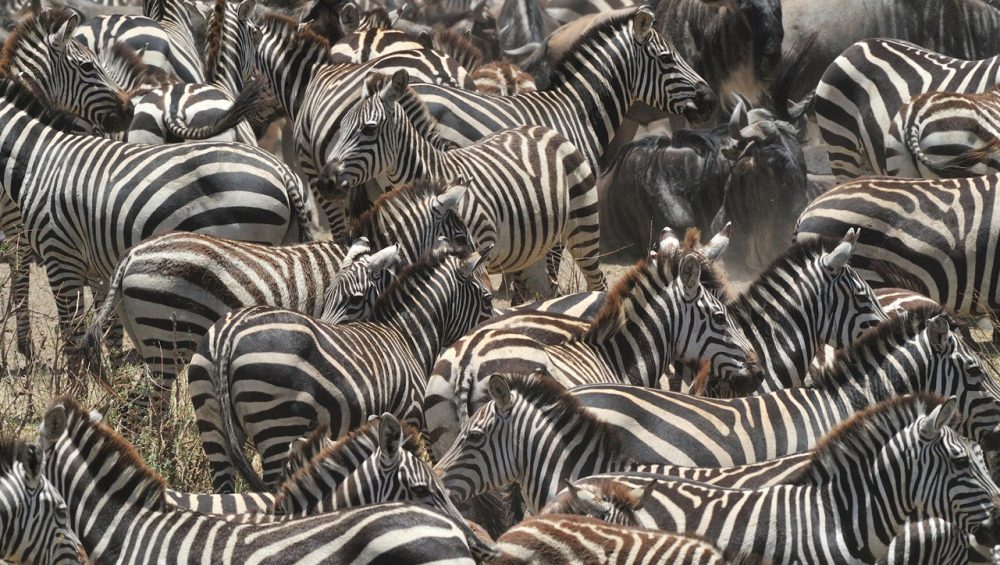
While wildebeest dominate the plains, zebras and Thomson’s gazelles are also key players in Ndutu’s ecosystem. Zebras often graze alongside wildebeest, their bold black-and-white stripes creating striking visual contrasts in photographs. Gazelles, smaller and more agile, are frequently seen darting across the plains, alert to predators and always moving with instinctive caution.
These herbivores not only provide visual diversity but also play critical roles in the ecosystem, maintaining grassland health and serving as prey for predators, which in turn sustains the balance of the plains.
Birds: A Paradise for Birdwatchers
Ndutu is also a hidden gem for birdwatchers, especially during the wet season when migratory species arrive. The plains host flamingos, storks, vultures, and other water-associated species around the shallow lakes and ephemeral waterholes. Raptors such as eagles, kites, and secretary birds soar above, hunting or scanning for carrion. For travelers who enjoy bird photography or detailed wildlife observation, Ndutu offers a variety and accessibility that complements its larger mammal spectacles.
Unique Behavior and Photography Opportunities
One of Ndutu’s greatest appeals is the ability to observe rare or subtle animal behaviors. Calves nursing, predators coordinating hunts, birds scavenging, and even social interactions among zebras and wildebeest provide natural storytelling moments. For photographers, the combination of open plains, flat terrain, and soft morning and evening light creates near-perfect conditions for capturing wildlife in its most authentic form.
Unlike the heavily trafficked northern Serengeti or Masai Mara, Ndutu allows vehicles to navigate closer to animals under strict conservation rules, providing intimate viewing experiences without disrupting natural behaviors.
Tips for Maximizing Your Ndutu Safari Experience
Ndutu offers some of the most intense and intimate wildlife experiences in Africa, but maximizing your time on the plains requires planning, preparation, and local knowledge. From timing your visit to choosing the right guides and vehicles, every detail matters when observing calving herds, predators, and resident wildlife.
Timing Your Visit
The season you choose is the single most important factor in getting the most out of an Ndutu safari. The calving season from January to March is the peak period, offering the densest concentrations of wildebeest, newborn calves, and predator activity. Early in January, the first calves are born, offering quieter viewing with fewer vehicles, while February provides the height of activity with dramatic predator-prey interactions. By March, the herds begin moving west, and wildlife sightings are still abundant, but the intensity of calving diminishes.
For travelers outside the calving months, visiting Ndutu still offers rewarding wildlife experiences, but they should adjust expectations. Understanding migration timing, rainfall patterns, and herd movements allows visitors to plan game drives strategically and avoid disappointment.
Choosing the Right Guide
A knowledgeable local guide is essential in Ndutu, particularly during peak calving season. Guides understand animal behavior, herd movements, and predator patterns, enabling visitors to witness rare interactions safely and efficiently. Experienced guides also know which roads and tracks are accessible for off-road drives, ensuring the safari is both intimate and respectful to the wildlife.
Selecting a guide with years of experience in Ndutu provides insight that cannot be gained from maps or online research alone. Their understanding of subtle environmental cues—like predator signs or herd rest areas- can make the difference between a good safari and an unforgettable one.
Plan Your Trip to Tanzania
Chat with a local specialist who can help organize your trip.
Game Drive Strategies
Morning and late afternoon game drives are the most productive in Ndutu, as animals are most active during cooler hours. Early mornings often reveal predators on the hunt, calves taking their first steps, and zebras or gazelles feeding with caution. Afternoon drives offer dramatic lighting for photography and opportunities to observe social behaviors as animals prepare for nightfall.
Travelers should allow flexibility in daily plans. Wildlife is unpredictable, and sticking rigidly to a schedule may result in missed encounters. Spending time watching a single interaction, such as a predator stalking a calf, can provide richer experiences than covering large distances superficially.
Photography Tips
Ndutu is a photographer’s dream. The open plains, gentle morning and evening light, and flat terrain create ideal conditions for capturing wildlife behavior. Long lenses are recommended for close-up shots of predators or shy herbivores, while wide-angle lenses can showcase the scale of migrating herds and landscapes. Patience is key; some of the most dramatic photographs occur when staying in one spot and observing interactions over extended periods.
Respect for wildlife is equally important. Maintaining a safe distance, avoiding sudden movements, and following guide instructions ensures animals are not stressed, allowing photographers to capture natural behavior.
Health, Safety, and Comfort
Ndutu is remote, and conditions can be harsh. Travelers should carry sufficient water, wear sun protection, and dress in layers to accommodate early morning chills and midday heat. Safari vehicles may be open, so insect repellent and hats are essential. Additionally, understanding park rules, vehicle restrictions, and off-road guidelines is important to protect both visitors and wildlife.
Choosing accommodations that are close to the southern plains reduces travel time and allows for more frequent game drives. Mobile camps and lodges with experienced staff enhance comfort without sacrificing proximity to key wildlife areas.
Accommodation in Ndutu: Where to Stay for the Best Safari Experience
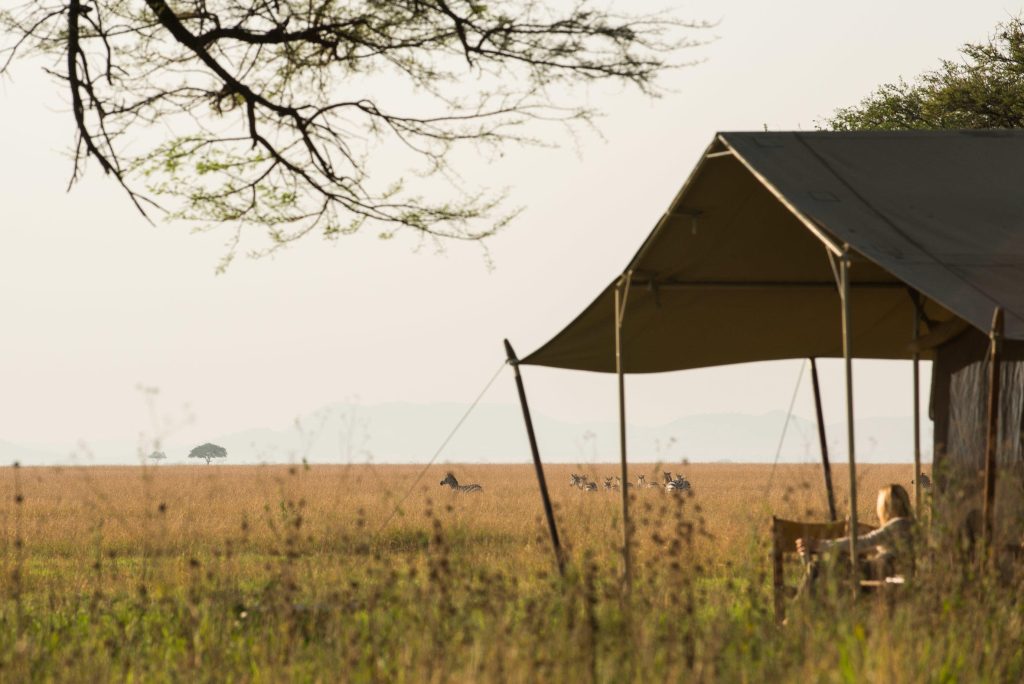
Choosing the right accommodation is as important as selecting the right safari duration when visiting Ndutu. The southern Serengeti plains are remote, and lodges and camps vary in style, comfort, and proximity to wildlife hotspots. Planning ensures that visitors maximize their game drives, minimize travel time, and enjoy a safe, comfortable stay in one of Africa’s most remarkable ecosystems. Companies like Nihapa Tours specialize in arranging personalized Ndutu safaris, pairing travelers with accommodations that suit both budget and luxury preferences while ensuring the best access to wildlife.
Lodges: Comfort Close to the Plains
Ndutu offers several lodges that provide luxury, comfort, and convenience, ideal for travelers seeking a high-end safari experience. Lodges are typically located near key wildlife areas, allowing for early morning and late afternoon drives with minimal travel. Many lodges include private guides, personalized game drives, and meals that reflect local flavors, ensuring guests experience both nature and comfort.
Nihapa Tours works closely with lodge partners to secure prime locations and tailor itineraries, ensuring visitors wake up just steps from the plains where wildebeest calving and predator activity are most intense. This combination of proximity and service ensures that your safari is immersive without compromising on comfort.
Budget-Friendly Options
Ndutu also offers budget-friendly accommodations for travelers who prioritize wildlife experiences over luxury amenities. Smaller camps and lodges provide essential facilities, safe environments, and access to game drives at a fraction of the cost of luxury lodges. While these options may not offer the same level of service or proximity, they still allow visitors to experience Ndutu’s iconic plains and calving herds.
With Nihapa, even budget travelers can benefit from expert planning. The company ensures that all accommodations, regardless of price point, are strategically located and well-reviewed, offering the best balance between cost and wildlife accessibility.
Choosing the Right Accommodation
Selecting accommodation depends on several factors: the season of your visit, the level of comfort desired, and the type of safari experience you want. Lodges offer luxury and convenience, mobile camps provide immersive wildlife encounters, and budget-friendly options ensure access without overspending. Working with a trusted safari operator like Nihapa Tours allows travelers to make informed decisions, book in advance, and customize their safari to align perfectly with expectations.
The expertise of companies like Nihapa also ensures access to limited seasonal lodges and camps, which can sell out quickly during calving season. Their local knowledge guarantees that travelers not only stay in the best locations but also maximize every day spent on the plains.
Frequently Asked Questions About Ndutu Safaris
Ndutu itself is not known for major river crossings like the Mara or northern Serengeti. However, visitors can witness dramatic predator-prey interactions, calving herds, and seasonal herd movements. For river crossings, combining Ndutu with northern Serengeti drives is recommended.
While calving season attracts more safari vehicles due to its global fame, Ndutu is less crowded than the northern Serengeti or Masai Mara crossings. Expert guides from Nihapa Tours know the best spots and times to observe wildlife, providing a private and immersive experience.
Yes. Ndutu offers excellent year-round wildlife viewing, although the focus shifts from newborn calves to predator activity, resident herbivores, and migratory herd movements. Visiting outside calving season is ideal for travelers who prefer fewer crowds and a more relaxed safari pace.
Most travelers enjoy 4–5 days to fully experience calving season and predator interactions. Shorter stays of 2–3 days capture highlights, while 6–7 days provide a deeper, immersive safari with opportunities to explore nearby Central Serengeti or Ngorongoro Crater.
Wildebeest, zebras, Thomson’s gazelles, lions, cheetahs, and hyenas are the main species. Birdwatchers will also enjoy flamingos, storks, raptors, and migratory species, especially around seasonal waterholes.
Early mornings and late afternoons are the most active times. Animals are cooler and more active, predators hunt, and the lighting is ideal for photography. Midday can be quieter, as wildlife rests in the shade.
Ndutu offers luxury lodges, seasonal mobile camps, and budget-friendly options. Lodges provide comfort and convenience, mobile camps allow close-up wildlife immersion, and budget options give access without overspending. Working with experts like Nihapa Tours ensures strategic booking and the best location for wildlife observation.
Yes. Ndutu safaris are suitable for families with older children who can handle early mornings and game drives. Guides from Nihapa Tours can tailor itineraries for family-friendly experiences while maintaining safety and engagement for all ages.
Booking through a trusted operator like Nihapa Tours guarantees access to the best accommodations, experienced guides, and fully customized itineraries. Early booking is recommended, especially during calving season, as lodges and camps fill quickly.