6 Days Ndutu Migration Safari
6 Days Ndutu Migration Safari
Price
Duration
Max People
Min Age
Tour Type
Overview
This 6-day Ndutu Migration safari takes you to three of Tanzania’s most spectacular wildlife destinations: Ndutu, Central Serengeti, and Ngorongoro Crater. Spend two nights in Ndutu, where the Great Migration unfolds across the vast plains, followed by two nights in the wildlife-rich Central Serengeti.
Conclude your adventure with a night near the breathtaking Ngorongoro Crater, home to diverse wildlife in a stunning natural setting. The tour begins and ends in Arusha, ensuring a smooth and well-planned experience. With our experienced driver guides leading the way, this journey promises to be an unforgettable safari of a lifetime.
Tour Highlights
- Departure and Return Place: We can start/end this tour from any hotel in Moshi/Arusha or from Kilimanjaro/ Arusha Airport(Google Maps)
- Departure Time: Please be ready by 6:45 AM for a prompt departure at 7:15 AM.
- Return Time: Approximately 4:30 PM.
- Dress Code: Casual. Comfortable outdoor clothing, a hat, and spare clothing.
- Customizations: Can be amended/customized upon request, to suit your requirements.
- Extensions: Trip Extensions are available on request.
- Season: The best season for a 6-day Ndutu Migration Safari is from late December to March. This period coincides with the calving season of the Great Migration in the Ndutu region, which lies in the southern part of the Serengeti
- Your private guide and driver for in-depth wildlife touring based on your interests.
- Firsthand, sophisticated destination knowledge and recommendations from our native travel specialists.
- Around-the-clock support from your travel designer and concierge before, during, and after your trip.
Why Choose This Tour
The 6-day Ndutu Migration safari offers a front-row seat to one of nature’s most spectacular events—the wildebeest migration in the Serengeti. This incredible journey follows seasonal rains and fresh, nutrient-rich grass. Each phase of the migration is crucial for the survival of the herds.
As short rains arrive in November, thousands of wildebeest and zebras move into the Ndutu region and northern Ngorongoro Conservation Area. The short-grass plains here provide ideal grazing conditions.
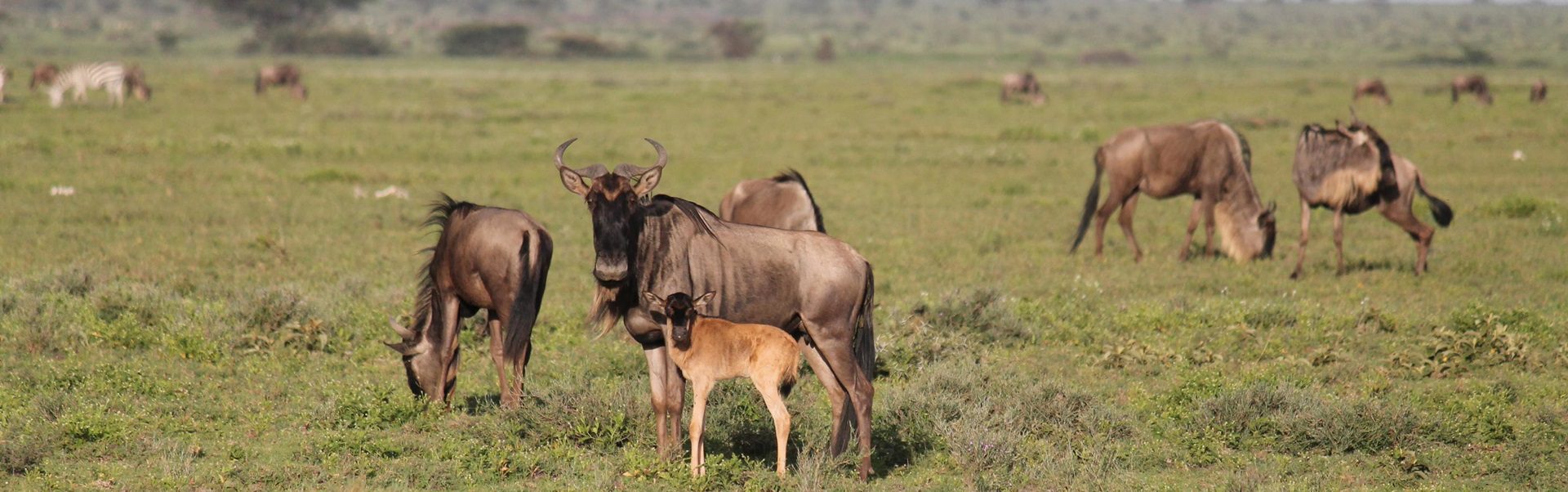
The migration reaches its peak in February during the calving season. Thousands of wildebeest give birth, drawing predators like lions and hyenas. This creates some of the year’s most thrilling wildlife encounters.
By April, the herds begin moving westward, crossing the Serengeti’s Western Corridor in search of fresh grazing. This epic journey spans thousands of miles. It defines the Serengeti ecosystem and offers an unmissable experience for safari enthusiasts.
Best Month for Ndutu Migration Safari
Based on migration patterns observed in recent years, the best time to witness the Great Migration in the Ndutu region is from the last week of December to March. During this period, large herds of wildebeest gather in the area for calving season, attracting predators and offering incredible wildlife viewing opportunities.
Therefore, this 6-day Ndutu Migration safari is best suited for travel dates between late December and March to maximize your chances of experiencing this natural spectacle.
For more Insight, Read This Guide:- Complete Guide to Ndutu
What to Expect on Tour
- Great Migration: Witness the incredible wildebeest calving season, with over 2 million wildebeest and thousands of predators.
- Big Five: Spot Africa’s Big Five (elephants, lions, leopards, buffalo, and rhinos) across the Serengeti and Ngorongoro Crater.
- Predator Action: Experience thrilling predator-prey interactions, especially during the calving season in Ndutu.
- Ngorongoro Crater: Explore the world’s largest inactive volcanic caldera, home to abundant wildlife, including the rare black rhino.
- Scenic Landscapes: Enjoy breathtaking views of the Serengeti’s endless plains, Ngorongoro’s lush greenery, and the iconic kopjes.
- Expert Guides: Learn from knowledgeable guides who provide insights into wildlife, ecosystems, and conservation.
- Comfortable Accommodations: Relax in cozy, well-appointed lodges offering excellent meals and rest after exciting game drives.
Costs Includeds/Excludes
- All Mentioned Safari Activities
- Air Ambulance Service by AMREF Flying Doctors
- Hotel Accommodations According to the Itinerary
- Transportation in 4×4 Land Cruiser with a pop-up roof for easy game viewing and photography
- All Park Fees
- Experienced English-speaking safari guide
- All Meals according to the Itinerary
- Bottled water and soft drinks throughout the tour
- Binocular (1 per Vehicle)
- Medical kit
- All Taxes on Tour Fees & Services
- Crew salaries
- Air tickets
- Visa fees
- Lunch and dinner in hotel (only before and after safari)
- Travel insurance
- Tips to your safari guide ($20-$45 per day per car)
- Other optional activities
- Personal expenses
Day 1 Arusha to Ndutu – Into the Wild!
Your adventure begins at 8:00 AM with a pick-up from your hotel in Arusha. The scenic 5.5-hour drive to Ndutu takes you through the breathtaking landscapes of the Ngorongoro Conservation Area, where rolling hills give way to the endless grasslands of the Serengeti.
Upon arrival, embark on your first thrilling half-day game drive with a picnic lunch in the heart of the migration path. From December to April, Ndutu’s fertile plains transform into calving grounds, drawing thousands of wildebeest, zebras, and an array of predators on the hunt.
Keep an eye out for the Big Cats—leopards, lions, cheetahs, and even the elusive caracal and serval. As the sun sets, head to your comfortable lodge, where a delicious dinner awaits.
Day 2 Ndutu – Follow the Great Migration
Wake up to the sights and sounds of the African wilderness! You have two options for your game drive today:
- Depart at 6:00 AM for an early morning safari, return for breakfast, and head out again in the afternoon.
- Enjoy a leisurely breakfast and set off for a full-day safari at 9:00 AM, with a packed lunch to keep you energized.
Today, you'll follow the Great Migration, witnessing the circle of life unfold before your eyes. The vast herds, stretching as far as the horizon, attract hungry predators like lions, cheetahs, hyenas, and jackals, making this an exhilarating wildlife experience.
As the day ends, return to your lodge for a well-deserved rest and another hearty dinner.
Day 3 Ndutu to Central Serengeti – Journey into the Heart of Africa
After breakfast, say goodbye to Ndutu and venture deeper into the legendary Serengeti National Park, home to the world’s most diverse and abundant wildlife.
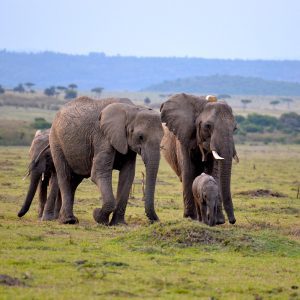
As you traverse the golden plains, you'll see herds of elephants, giraffes, zebras, and the famous “Big Five” (lion, leopard, elephant, rhino, and buffalo).
The Seronera region, known for its dense predator population, offers prime opportunities for spotting lions in action.
A picnic lunch in the heart of the park makes for a perfect break before continuing your exciting game drive.
After an eventful day, unwind at your accommodation with a delicious dinner under the African night sky.
Day 4 Central Serengeti – A Day with the Big Cats
Today, explore the wild heart of Serengeti. Choose between:
- A 6:00 AM sunrise safari, returning for breakfast before an afternoon game drive.
- A full-day safari, departing at 9:00 AM with a packed lunch.
The Seronera Valley, with its permanent water sources, attracts a high density of wildlife, making it one of the best places to spot lions, leopards, cheetahs, and hyenas.
This region is alive with action, offering some of the best game viewing in Africa. After an exhilarating day, return to your lodge for a peaceful evening and another flavorful meal.
Day 5 Central Serengeti to Ngorongoro
After breakfast, enjoy a final morning game drive in Serengeti before heading to the Ngorongoro Conservation Area, a UNESCO World Heritage Site. Ngorongoro is home to over 30,000 animals, including the rare Black Rhino, making it one of Africa’s most incredible wildlife destinations.
As you drive towards your lodge on the crater rim, enjoy breathtaking views of the largest intact volcanic caldera in the world. A hearty dinner and a cozy bed await you, preparing you for tomorrow’s unforgettable adventure.
Day 6 Ngorongoro Crater – A Natural Wonderland
Rise early for an incredible 6:30 AM descent into the Ngorongoro Crater, one of the Seven Natural Wonders of Africa. This wildlife paradise boasts an unparalleled concentration of animals, including elephants, hippos, buffalos, cheetahs, and an abundance of lions. Capture breathtaking photos of the stunning landscape and keep your camera ready for rare sightings!
After a scenic picnic lunch by the Hippo Pool, begin your ascent and start the journey back to Arusha. Arriving around 6:00 PM, you’ll be dropped off at your hotel or preferred location, carrying unforgettable memories of an extraordinary safari.
Tour Pricing
| Number of People | Cost Per Person in US($) Budget Camping | Cost Per Person in US($) Standard |
|---|---|---|
| 1 Person | On Request | $5,433 |
| 2 People | On Request | $3,622 |
| 3 People | On Request | $3,554 |
| 4 People | On Request | $3,118 |
| 5 People | On Request | $3,178 |
Tour Accommodations
| Tour Day | Budget Camping Package | Standard Package |
|---|---|---|
| Day 1 | On Request | Ndutu Lodge |
| Day 2 | On Request | Ndutu Lodge |
| Day 3 | On Request | Serengeti Serena Hotel |
| Day 4 | On Request | Serengeti Serena Lodge |
| Day 5 | On Request | Ngorongoro Serena |
What’s the cost of a migration safari?
When does the tour end?
When does the tour start?
Who are your operators in Tanzania?
Will I see wildlife?
Will the safari be dusty?
Will there be wildlife roaming at the camps and lodges?
Will I see the famous ‘Big 5’?
What is the Great Wildebeest Migration?
When is the best time to see the migration?
- Calving season (January–March): In southern Serengeti, ideal for baby animals and predator action.
- River crossings (July–October): In northern Serengeti and Maasai Mara, famous for dramatic scenes as wildebeest cross crocodile-filled rivers.
- Migration on the move (April–June and November–December): Best for quieter safari experiences as herds traverse central and western Serengeti.
How long does the migration last?
Are river crossings dangerous?
Is the migration only about wildebeest?
What travel documents do I need?
What is the maximum group size per vehicle?
What if I have special dietary requirements?
Do you arrange Airport pick-up and Drop off?
How far in advance do I need to book a Safari?
How much does a safari cost?
I would like to book but I have group is large group, is this a problem?
What about bathrooms in the bush?
What about snakes and insects?
What about the roads on safari?
What about tipping the safari driver guides?
What can I expect on a typical safari day?
What do you mean by game drives?
What happens if I get sick or injured on safari?
Am I allowed to walk around the national parks?
Are drinks provided in the safari vehicle?
Similar Tours
Book This Tour
Chat to a Safari Specialist!
WhatsApp
Why Book With Us?
- Middle-man Free Pricing
- Customer care available 24/7
- Hand-picked Tours & Activities
- Evacuation by AMREF Flying Doctors
- Liability Insurance Cover up to $1M
- Fully Personalized Travel Experiences
- Secure and Flexible Payment Options
- Proudly 100% Tanzanian Owned and Operated
Other Similar Tours
Daily Day Trip Deals