Tanzania Wildlife Encounters: What to Expect on Your Safari
A safari in Tanzania is one of the most extraordinary wildlife experiences in the world. From the endless plains of the Serengeti to the dramatic landscapes of the Ngorongoro Crater, Tanzania offers travelers the opportunity to witness nature in its purest form. Every game drive brings moments of anticipation, excitement, and discovery as animals roam freely across some of Africa’s most iconic ecosystems.
This Tanzania Wildlife Encounters guide explores what travelers can truly expect on safari, including the famous Big 5, rare wildlife sightings, ethical safari practices, and the best times and locations for unforgettable game viewing experiences.
Tanzania is home to an incredible concentration of wildlife. Lions rest under acacia trees, elephants move across open plains, giraffes browse peacefully in the distance, and cheetahs scan the horizon for prey. In many parks, wildlife sightings begin within minutes of entering the reserve.
At Nihapa Tours, safaris are carefully designed to combine exceptional wildlife viewing with comfort, expert guiding, and authentic experiences that connect travelers with the natural beauty of Tanzania.
Understanding the Big 5: Key Species to Spot
The term “Big 5” originally referred to the five most challenging animals to hunt on foot in Africa. Today, the phrase represents the most iconic wildlife species travelers hope to encounter during a safari. Tanzania is one of the best destinations in Africa to see all members of the Big 5 in their natural habitat.
Lion Encounters in Tanzania
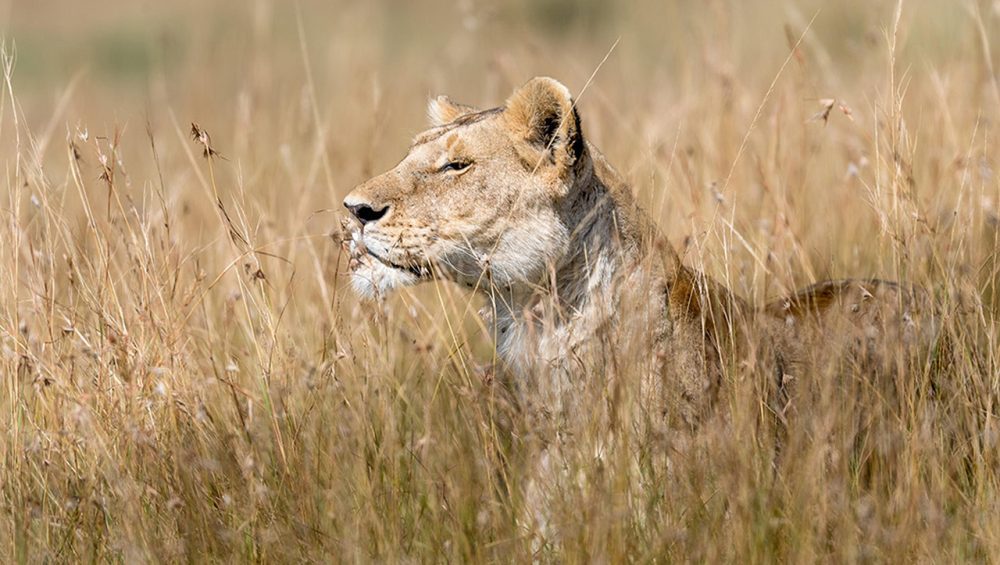
The Lion is often considered the symbol of the African safari. Tanzania has one of the largest lion populations in Africa, especially within the Serengeti National Park ecosystem.
Lions are frequently seen resting beneath trees, walking through grasslands, or hunting during early morning and evening hours. Large prides can often be spotted in central Serengeti, where abundant prey supports healthy predator populations.
One of the most unique wildlife encounters in Tanzania is observing lions interact socially within their pride. Travelers may witness cubs playing, females coordinating hunts, or dominant males protecting territory.
The best times to spot lions are during cooler hours shortly after sunrise or before sunset when they are most active.
Leopard Sightings on Safari
The elusive Leopard is among the most exciting animals to encounter on safari. Leopards are solitary, secretive, and masters of camouflage, making sightings feel especially rewarding.
Leopards are commonly found in areas with large trees and dense vegetation. In Tanzania, the Seronera region of Serengeti is particularly famous for leopard sightings because of its river systems and acacia woodlands.
Travelers should watch tree branches carefully during game drives, as leopards often rest above the ground after hunting. Early morning game drives provide the highest chance of spotting these remarkable predators before they retreat into cover during the heat of the day.
African Elephant Encounters
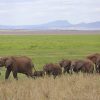
The African bush elephant is the largest land animal on Earth and one of the most unforgettable wildlife sightings in Tanzania.
Large elephant herds roam through parks such as Tarangire National Park, Serengeti, and the Ngorongoro Conservation Area. Tarangire is especially famous for its massive elephant populations and ancient baobab trees.
Watching elephants interact socially is one of the highlights of a safari. Travelers often observe calves protected within family groups while older matriarchs lead herds across rivers and grasslands.
Dry season months from June to October provide excellent elephant viewing opportunities because animals gather around reliable water sources.
African Buffalo on the Plains
The African buffalo is one of Africa’s most resilient and powerful animals. Buffalo are highly social and often travel in large herds that can number in the hundreds.
Buffalo sightings are common throughout Tanzania’s major parks, including Serengeti and Ngorongoro Crater. Herds are usually found grazing in open plains or near water sources.
Although buffalo may appear calm, they are highly protective and unpredictable. Their strong herd instincts make them fascinating to observe during predator interactions.
Black Rhinoceros in Tanzania
The critically endangered Black rhinoceros is the rarest member of the Big 5 and one of the most special animals to encounter in Tanzania.
The Ngorongoro Crater offers one of the best chances to spot black rhinos in East Africa. Because rhino populations are carefully protected, sightings are less common but extremely rewarding.
Travelers often use binoculars during rhino sightings since these animals are usually viewed from a respectful distance. Seeing a black rhino in the wild represents one of the most memorable safari experiences possible.
Unique Wildlife Encounters Beyond the Big 5
While the Big 5 attract much attention, Tanzania’s wildlife diversity extends far beyond these famous species. Many travelers are surprised to discover how rich and varied the country’s ecosystems truly are.
Tree-Climbing Lions of Lake Manyara
One of Tanzania’s most unique wildlife spectacles is the tree-climbing lions found in Lake Manyara National Park.
Unlike most lions, these cats frequently rest in tree branches during the heat of the day. Scientists still debate exactly why this behavior developed, but sightings create incredible photographic opportunities and unforgettable safari moments.
The Great Wildebeest Migration
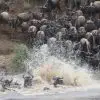
The Great Wildebeest Migration is considered one of the greatest wildlife events on Earth. More than two million wildebeest, zebras, and gazelles move across the Serengeti ecosystem searching for fresh grazing.
River crossings filled with crocodiles, massive dust clouds, and predator interactions create dramatic safari experiences that attract travelers from around the world.
The migration changes location throughout the year, making timing an important part of safari planning.
Rare Birds and Birdwatching Opportunities
Tanzania is a paradise for bird lovers, with more than 1,100 recorded bird species. Flamingos gather around alkaline lakes, fish eagles soar above rivers, and colorful bee-eaters brighten the savannah landscape.
Birdwatching is especially rewarding in parks such as Lake Manyara, Tarangire, and the Ngorongoro Highlands.
Rare and beautiful species include crowned cranes, lilac-breasted rollers, secretary birds, hornbills, and kingfishers.
Cheetahs, Wild Dogs, and Hyenas
The Cheetah is frequently spotted in Serengeti’s open plains, where its speed and hunting ability make it one of Africa’s most admired predators.
African wild dogs, though rare, occasionally appear in southern Tanzania ecosystems. Hyenas, often misunderstood, are intelligent hunters and scavengers that play vital ecological roles.
Hippos and Crocodiles Along Rivers
Rivers and waterholes provide opportunities to observe hippos and crocodiles in their natural environments. Hippo pools are especially common in Serengeti and Ruaha National Park.
Watching crocodiles wait silently along riverbanks during migration crossings is one of the most dramatic wildlife encounters travelers can witness.
Best Practices for Wildlife Viewing on Safari
Responsible wildlife viewing helps protect animals, preserve ecosystems, and ensure future generations can continue enjoying Tanzania’s incredible biodiversity.
Respecting Wildlife and Natural Behavior
Animals should always be observed without disturbance. Safari vehicles should maintain safe distances and avoid blocking animal movement.
Professional safari guides understand animal behavior and know how to position vehicles responsibly without causing stress to wildlife.
Respectful observation creates more authentic and rewarding safari experiences for travelers.
Staying Safe During Game Drives
Safety is extremely important during safaris. Travelers should remain inside safari vehicles unless instructed otherwise by guides.
Sudden movements, loud noises, or attempts to attract animal attention should always be avoided. Wild animals may appear calm but remain unpredictable.
Listening carefully to guide instructions ensures both safety and enjoyable wildlife encounters.
Ethical Photography on Safari
Photography is one of the highlights of a safari, but ethical practices are essential.
Travelers should avoid using flash photography near animals, especially during nighttime game drives. Patience often produces the best wildlife photographs because animals behave naturally when left undisturbed.
Long camera lenses and binoculars help travelers enjoy close views while maintaining respectful distances.
Supporting Sustainable Tourism
Responsible tourism supports conservation efforts and local communities. Choosing ethical safari operators helps protect wildlife habitats and contributes to sustainable tourism development.
At Nihapa Tours, safaris prioritize conservation awareness, respectful wildlife viewing, and meaningful travel experiences that benefit both visitors and local communities.
Planning Your Safari: Timing and Locations
Choosing the right season and destinations can greatly influence wildlife encounters during a Tanzania safari.
Best Time for Wildlife Viewing in Tanzania
The dry season from June to October is widely considered the best time for general wildlife viewing. During these months, vegetation becomes thinner and animals gather near rivers and water sources.
Game drives are especially productive because wildlife becomes easier to spot across open landscapes.
The Best Time to See the Great Migration
The Great Wildebeest Migration moves through different parts of the Serengeti throughout the year.
From December to March, herds gather in the southern Serengeti for calving season. Thousands of wildebeest calves are born during this period, attracting predators such as lions and cheetahs.
Between July and September, dramatic river crossings often occur in the northern Serengeti near the Mara River.
Top Parks for Wildlife Encounters
Serengeti National Park is Tanzania’s most famous safari destination and offers exceptional predator sightings, migration experiences, and endless plains filled with wildlife.
Ngorongoro Crater provides one of the highest wildlife densities in Africa and excellent opportunities to spot the Big 5 in a single day.
Tarangire National Park is known for elephant herds, baobab trees, and seasonal wildlife concentrations.
Lake Manyara National Park offers diverse habitats, flamingos, forest wildlife, and famous tree-climbing lions.
Ruaha National Park and Nyerere National Park provide more remote safari experiences with fewer crowds and exceptional biodiversity.
Combining Wildlife Regions for the Best Experience
Many travelers combine several parks to experience Tanzania’s incredible ecological diversity. Northern circuit safaris often include Tarangire, Serengeti, Ngorongoro Crater, and Lake Manyara in one itinerary.
This combination provides opportunities to see a wide variety of wildlife, landscapes, and safari environments within a single journey.
Frequently Asked Questions About Tanzania Wildlife Encounters
Travelers commonly see lions, elephants, giraffes, zebras, wildebeest, buffalo, hippos, crocodiles, hyenas, antelope species, and many bird species during safari tours.
Yes, Tanzania is one of the best countries in Africa to see the Big 5, especially in the Serengeti and Ngorongoro Crater.
The dry season from June to October is generally considered the best time for wildlife viewing.
The Great Migration takes place in the Serengeti ecosystem throughout the year, with river crossings often occurring in the northern Serengeti between July and September.
Yes, safaris are very safe when guided by professional safari experts who follow wildlife safety regulations and ethical viewing practices.
A camera with a zoom lens, binoculars, spare batteries, memory cards, and dust protection equipment are highly recommended for safari photography.
Conclusion
Tanzania offers some of the most extraordinary wildlife encounters on Earth. From close-up elephant sightings in Tarangire to dramatic predator action in Serengeti and rare rhino encounters in Ngorongoro Crater, every safari creates unforgettable memories.
Beyond the famous Big 5, Tanzania’s rich ecosystems provide opportunities to witness migration herds, rare birds, tree-climbing lions, and countless other remarkable species in their natural habitats.
At Nihapa Tours, expertly guided safaris combine wildlife expertise, comfort, ethical tourism practices, and authentic experiences to help travelers fully experience the beauty of Tanzania’s wilderness.
A safari in Tanzania is more than a vacation. It is a journey into one of the world’s last great wildlife frontiers.