Understanding the Culture of Tanzania: A Traveler’s Guide
Tanzania is known worldwide for its incredible safaris, the Great Wildebeest Migration, Mount Kilimanjaro, and the tropical beaches of Zanzibar. However, beyond the wildlife and landscapes lies one of Africa’s richest cultural identities. This Tanzania Culture Guide introduces travelers to the traditions, languages, cuisine, and cultural experiences that make Tanzania truly unforgettable.
Home to more than 120 ethnic groups, Tanzania is a country where diversity and unity coexist. Travelers quickly discover that Tanzanian culture is deeply connected to hospitality, storytelling, music, food, and community life. Whether visiting the Serengeti, exploring local villages near Mount Kilimanjaro, or wandering through the streets of Zanzibar, cultural encounters add depth and meaning to every journey.
At Nihapa Tours, cultural experiences are considered essential to travel because they help visitors connect with the heart of Tanzania.
Table of contents
Traditional Tanzanian Cultures and Heritage
Tanzania is one of the most culturally diverse countries in East Africa. Every region has unique customs, traditions, dances, and ways of life that have been preserved for generations. While modernization continues to grow in urban areas, traditional values remain deeply respected throughout the country.
The Maasai Culture of Northern Tanzania
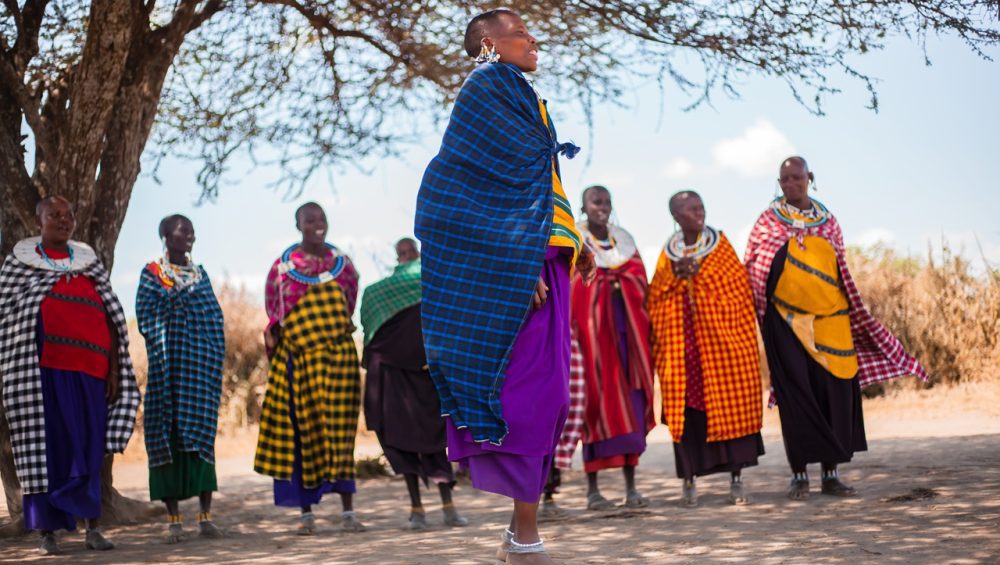
One of the most recognized ethnic groups in Tanzania is the Maasai. The Maasai are known for their colorful red clothing, beadwork, cattle-herding lifestyle, and strong warrior traditions. Many travelers encounter Maasai communities while visiting the Serengeti and Ngorongoro regions.
Cattle play a central role in Maasai culture and symbolize wealth, identity, and social status. Traditional ceremonies, dances, and rites of passage continue to shape Maasai community life today. Visitors are often fascinated by the famous jumping dance known as Adumu, where young warriors compete by jumping high while maintaining rhythm and posture.
Despite modern influences, many Maasai communities continue to preserve their traditions while participating in cultural tourism experiences that support local livelihoods.
The Sukuma People and Agricultural Traditions
The Sukuma are Tanzania’s largest ethnic group and primarily live near Lake Victoria in northwestern Tanzania. Sukuma communities are traditionally known for farming, cattle keeping, music, and dance.
Agriculture remains an important part of daily life, and traditional ceremonies often celebrate harvest seasons, marriages, and important family milestones. Music and drumming are deeply connected to Sukuma identity and are commonly performed during social gatherings.
Chaga Culture on the Slopes of Mount Kilimanjaro
The Chaga people live around Mount Kilimanjaro and are well known for coffee farming and advanced agricultural systems. Fertile volcanic soil helped the Chaga develop successful farming communities for centuries.
Travelers visiting Kilimanjaro often explore Chaga villages to learn about local history, coffee production, and traditional homes. Underground caves once used during tribal conflicts can still be visited today as part of cultural tours.
Hospitality is highly valued in Chaga culture, and guests are often welcomed with traditional banana dishes or locally brewed beverages.
Oral Traditions and Storytelling in Tanzania
Before written records became common, Tanzanian communities preserved history through oral storytelling. Elders passed knowledge, traditions, and moral lessons from one generation to another using folktales, songs, and proverbs.
Storytelling remains important today because it helps preserve cultural identity and community values. Many traditional stories teach lessons about respect, courage, honesty, family, and coexistence with nature.
Traditional Music, Dance, and Festivals
Music and dance play an important role in Tanzanian cultural life. Traditional performances are used during weddings, harvest celebrations, religious ceremonies, and community festivals.
Different ethnic groups have unique dance styles, instruments, and rhythms that reflect their cultural heritage. Drumming, singing, and dance are often performed together and create powerful communal experiences.
Festivals across Tanzania celebrate art, music, film, food, and traditional culture. Coastal regions especially showcase strong Swahili and Arab influences during celebrations and ceremonies.
Languages Spoken in Tanzania
Language is one of the strongest foundations of Tanzanian identity. Despite its large number of ethnic groups, Tanzania has maintained strong national unity through the widespread use of Swahili.
Swahili as Tanzania’s National Language
Swahili, also known as Kiswahili, is the national language of Tanzania and is spoken throughout the country. It is used in schools, government offices, markets, transportation, and everyday conversations.
Swahili developed through centuries of trade along the East African coast and includes influences from African Bantu languages, Arabic, Persian, Portuguese, and English.
Travelers who learn a few Swahili phrases often enjoy warmer interactions with local communities. Simple words such as “Jambo” for hello, “Asante” for thank you, and “Karibu” for welcome are widely appreciated.
The Role of English in Tanzania
English is commonly used in tourism, higher education, and business. Safari guides, hotel staff, and tourism professionals usually speak English fluently, making travel easy for international visitors.
However, outside tourist centers and large cities, Swahili remains the primary language for daily communication.
Indigenous Languages and Cultural Identity
Tanzania is home to more than 120 indigenous languages spoken by different ethnic communities. These languages represent centuries of history, identity, and cultural knowledge.
Languages such as Maa among the Maasai and Chaga among the Chaga people continue to preserve traditional songs, ceremonies, and oral histories.
Language is more than communication in Tanzania. It reflects belonging, social respect, and cultural pride.
How Language Strengthens Social Unity
One of Tanzania’s greatest achievements is the way Swahili unites diverse communities across the country. Unlike many nations with strong ethnic divisions, Tanzania promotes national identity through shared language and cultural cooperation.
This strong social cohesion contributes to the country’s peaceful reputation and welcoming atmosphere for visitors.
Culinary Traditions of Tanzania
Tanzanian cuisine reflects the country’s cultural diversity and historical trade connections. Food is deeply connected to family, hospitality, and community life.
Traditional Tanzanian Foods Every Traveler Should Try
One of the most common foods in Tanzania is ugali, a thick maize dish served with vegetables, meat, fish, or sauces. Ugali is considered a staple meal across much of the country.
Another popular dish is nyama choma, which means grilled meat in Swahili. Usually prepared with goat or beef, nyama choma is often enjoyed during social gatherings and celebrations.
Other popular foods include pilau rice, chapati, samosas, grilled fish, roasted bananas, and local stews prepared with coconut milk and spices.
The Influence of Indian and Arab Cultures on Tanzanian Cuisine
Centuries of trade along the Indian Ocean greatly influenced Tanzanian food culture. Indian and Arab traders introduced spices, cooking techniques, and dishes that became part of local cuisine.
Today, foods such as biryani, chapati, samosas, and spiced tea are widely enjoyed throughout Tanzania.
Coastal Swahili cuisine is especially rich in flavor because it combines African, Arab, and Indian culinary traditions.
Zanzibar and the Spice Trade Legacy
Zanzibar is famous for its spice farms and culinary heritage. Often called the “Spice Island,” Zanzibar produces cloves, cinnamon, vanilla, black pepper, and nutmeg.
Spice tours allow travelers to learn about the island’s role in historical trade networks while experiencing the aromas and flavors that shaped Swahili cuisine.
Communal Eating and Hospitality in Tanzania
Meals in Tanzania are often shared among family and friends, emphasizing togetherness and hospitality. Offering food to guests is considered a sign of respect and welcome.
In many households, people traditionally eat with their hands, especially when enjoying ugali or rice dishes. Washing hands before meals is an important cultural custom.
Tea and coffee also play important social roles. Sharing chai tea often creates opportunities for conversation, storytelling, and hospitality.
Cultural Experiences for Travelers
Cultural experiences add meaning and authenticity to travel in Tanzania. Beyond wildlife viewing, travelers have opportunities to connect with local communities, traditions, and everyday life.
Visiting Traditional Villages
Village visits allow travelers to experience Tanzanian culture firsthand. Guests can learn traditional cooking methods, farming practices, music, dance, and local customs.
Cultural tourism programs also support local communities economically while helping preserve traditions and heritage.
Exploring Local Markets and Artisan Communities
Markets are among the best places to experience everyday Tanzanian life. Travelers can explore colorful stalls filled with spices, fabrics, handmade crafts, jewelry, fruits, and local foods.
Markets in Arusha, Moshi, and Stone Town showcase the country’s cultural diversity and vibrant atmosphere.
Learning Through Cultural Tours
Cultural tours provide opportunities to explore Maasai villages, Chaga communities, coffee farms, and historical sites. These experiences help travelers understand the traditions and lifestyles connected to different regions of Tanzania.
At Nihapa Tours, cultural experiences are carefully integrated into safari itineraries to create deeper and more memorable journeys.
Respectful Travel and Cultural Etiquette
Respect is highly valued in Tanzanian society. Travelers should always greet people politely, ask permission before taking photographs, and dress modestly when visiting villages or religious areas.
Learning a few Swahili phrases can also create stronger connections and show appreciation for local culture.
Responsible cultural tourism encourages meaningful interactions while supporting local communities and preserving traditions.
Why Cultural Experiences Enhance a Tanzania Safari
A safari becomes more meaningful when travelers understand the people and traditions connected to the landscapes they explore.
Understanding Communities Near National Parks
Many Tanzanian communities have coexisted with wildlife for generations. Learning about traditional lifestyles and conservation practices provides valuable insight into the relationship between people and nature.
For example, Maasai pastoral traditions developed alongside wildlife migration patterns in northern Tanzania.
Connecting With Local Safari Guides
Tanzanian safari guides often share stories, traditions, and local knowledge throughout a journey. These conversations help travelers gain a deeper understanding beyond wildlife sightings.
Professional guides play an important role in connecting visitors with Tanzania’s cultural identity.
Combining Wildlife and Culture in One Journey
The best Tanzania itineraries combine safari adventures with cultural experiences. A morning game drive in the Serengeti followed by an afternoon village visit creates a balanced and enriching travel experience.
Travelers often discover that cultural interactions become some of the most memorable moments of their journey.
Frequently Asked Questions About Tanzanian Culture
Tanzania has many ethnic cultures, but the Swahili culture strongly influences national identity through language, food, music, and coastal traditions.
Swahili is the most widely spoken language in Tanzania, while English is commonly used in tourism and business.
Tanzania is famous for ugali, nyama choma, pilau rice, chapati, seafood dishes, and Zanzibar spices.
Yes, Tanzania is one of Africa’s most culturally diverse countries with more than 120 ethnic groups.
Yes, travelers can join cultural tours and village visits that allow respectful interaction with local communities.
Swahili helps unite Tanzania’s many ethnic groups and plays a major role in national identity and communication.
Conclusion
Tanzania is not only a destination of wildlife and natural beauty but also a country rich in culture, traditions, and human connection. From Maasai communities in the north to Swahili culture along the coast, every region offers unique experiences that deepen a traveler’s understanding of the country.
This Tanzania Culture Guide shows that meaningful travel goes beyond sightseeing. Cultural encounters, local cuisine, storytelling, language, and traditional customs all help create unforgettable memories.
Nihapa Tours, combining authentic cultural experiences with world-class safari adventures, allows travelers to experience the true spirit of Tanzania.