How Travel Agencies Can Find a Trusted Safari Partner in Tanzania
Tanzania is one of the most powerful safari destinations in the world. It is home to legendary wildlife ecosystems, iconic landscapes, and globally recognized national parks such as the Serengeti National Park, the Ngorongoro Crater, and Tarangire National Park, an elephant-rich wilderness.
For international travel agencies, Tanzania represents a high-value destination with strong demand from Europe, North America, Asia, and emerging luxury markets. However, there is one critical truth that determines success in selling Tanzania safaris:
Your local safari partner defines your brand experience.
No matter how strong your marketing is or how well-designed your itinerary looks, the entire client experience depends on the local operator handling logistics on the ground. From airport pickup to game drives, lodge coordination, guide quality, and emergency handling, your Tanzanian partner is the operational backbone of your product.
This is why selecting a trusted safari partner in Tanzania is not just a procurement decision; it is a strategic business investment.
In this guide, we will explore how travel agencies can identify, evaluate, and build long-term partnerships with reliable safari operators and Tanzania safari DMCs, ensuring consistent quality, safety, and profitability.
Table of contents
- How Travel Agencies Can Find a Trusted Safari Partner in Tanzania
- What Is a Safari Partner in Tanzania?
- Why Travel Agencies Depend on Local Safari DMCs
- Key Qualities of a Trusted Safari Operator in Tanzania
- How to Verify a Tanzania Safari DMC
- Safari Operations and Ground Handling Standards
- Why Local Expertise Matters in Tanzania Safaris
- Sustainability and Ethical Safari Operations
- Common Mistakes Travel Agencies Make
- Benefits of Working with a Trusted Tanzania Ground Handler
- Why Partner with Nihapa Tours
- How to Start a Partnership
- Final Thoughts: Choosing the Right Partner Defines Your Success
- Read More of Our Articles
What Is a Safari Partner in Tanzania?
A safari partner in Tanzania is a local tour operator or Destination Management Company (DMC) responsible for executing safari itineraries on behalf of international travel agencies. In simple terms, they are the operational backbone that transforms a planned itinerary into a real, on-the-ground travel experience.
While international agencies focus on marketing, client acquisition, and itinerary design, the Tanzania safari DMC ensures that everything promised to the client is delivered seamlessly within the destination. This includes ground handling services, safari vehicle operations, professional driver-guides, accommodation coordination, park logistics and permits, airport transfers, and emergency and on-trip support.
A safari partner is not just a booking facilitator. It is a fully operational tourism company that manages every detail of the safari once the traveler arrives in Tanzania. This role becomes especially important because Tanzania is a complex safari destination where logistics must be handled precisely across vast distances, changing weather conditions, and strict national park regulations.
A Tanzania safari DMC operates with licensed safari vehicles, certified guides, local logistics teams, and direct working relationships with lodges, camps, and national park authorities. This operational structure allows them to coordinate multiple moving parts in real time, ensuring that the guest experience remains smooth from arrival to departure.
This is particularly important in destinations such as the Serengeti ecosystem, where wildlife movements influence route planning, or in the Ngorongoro Conservation Area, where descent timing and vehicle coordination must follow strict park rules. Without an experienced ground handler, even a perfectly designed itinerary can face disruptions that affect the entire guest experience.
The role of a safari partner also extends beyond logistics. They are responsible for guest safety, communication, and problem-solving throughout the journey. Whether it is a vehicle breakdown in a remote area, a sudden change in weather, or a last-minute lodge adjustment, the safari partner must respond quickly and efficiently.
For travel agencies, working with a reliable Tanzania safari DMC reduces operational risk and ensures brand consistency. The local partner becomes the face of the agency in Tanzania, meaning their professionalism directly impacts client satisfaction, reviews, and repeat business.
In competitive travel markets, the difference between average and exceptional safari experiences often comes down to the quality of the ground handler. A strong safari partner ensures not only smooth logistics but also enhances the overall storytelling, wildlife experience, and cultural engagement that travelers expect from an African safari.
Ultimately, without a reliable safari partner in Tanzania, even the best-designed safari itinerary can fail due to logistical gaps, communication breakdowns, or a lack of on-ground expertise.
Why Travel Agencies Depend on Local Safari DMCs
International travel agencies cannot operate directly in Tanzania without strong local support. The safari industry in Tanzania is highly structured and regulated, and successful operations depend on real-time coordination in the field. Unlike standard travel products, safaris involve dynamic environments, long-distance travel between national parks, strict conservation rules, and constantly changing wildlife conditions. Because of this complexity, local expertise is not optional; it is essential.
A trusted Tanzania safari DMC acts as the operational arm of international travel agencies, ensuring that every itinerary is executed smoothly on the ground. While agencies are responsible for marketing, client acquisition, and itinerary design, the DMC handles everything that happens after the traveler arrives in Tanzania.
A reliable safari partner provides real-time safari execution, ensuring that each day of the itinerary runs according to plan while remaining flexible to natural conditions. They manage on-ground problem-solving, which includes handling unexpected challenges such as vehicle issues, weather disruptions, lodge availability changes, or road conditions in remote areas.
They also play a critical role in wildlife route optimization. Experienced local teams understand animal movement patterns across ecosystems such as the Serengeti National Park and can adjust game drive routes to increase the chances of high-quality sightings, including the Great Migration or predator activity. This kind of real-time decision-making cannot be done from outside the country.
Guest safety management is another core responsibility. A professional Tanzania safari DMC ensures that all operations follow safety standards, including vehicle maintenance, driver training, communication systems, and emergency protocols. In case of any incident, the local team can respond immediately, which is crucial in remote safari environments far from major cities.
Cultural interpretation through guides is also a key value provided by local operators. Professional safari guides do more than locate wildlife; they explain ecosystems, share cultural insights, and provide context that transforms a safari into an educational and emotional journey. This adds depth to the experience that international agencies alone cannot deliver.
For travel agencies, this means you are not just selling a product or itinerary, you are selling a fully managed experience executed by a local expert team on the ground. The success of that experience depends entirely on how well the safari partner performs in real time.
The quality of execution directly impacts client satisfaction, online reviews, and referrals. It also shapes long-term brand reputation in competitive international markets. A smooth, well-managed safari leads to positive testimonials and repeat bookings, while poor execution can damage an agency’s credibility even if the original itinerary was well designed.
This is why choosing the right Tanzania safari DMC is not simply a supplier decision; it is a strategic partnership decision that determines business growth, client trust, and long-term success in the African safari market.
Key Qualities of a Trusted Safari Operator in Tanzania
Not all safari operators in Tanzania deliver the same level of service. For travel agencies, selecting the right partner requires evaluating operational strength, consistency, and professionalism rather than focusing only on price. A trusted Tanzania safari DMC must demonstrate reliability across all aspects of safari planning and execution, from communication to field operations.
1. Transparency in Communication
A reliable safari operator provides clear, detailed itineraries and honest pricing structures. Every element of the safari should be explained in advance, including inclusions, exclusions, park fees, accommodation standards, and transfer arrangements. There should be no hidden costs or unclear terms that could lead to misunderstandings later.
Strong communication also means fast response times and professional handling of inquiries. Travel agencies depend on timely updates, especially when dealing with international clients in different time zones. A transparent operator builds trust through clarity and consistency in all communications.
2. Proven Operational Experience
Experience is one of the most important indicators of a trustworthy safari partner. Operators must demonstrate the ability to manage multi-day safaris across Tanzania’s major destinations, including the Serengeti National Park, the Ngorongoro Crater, and other key wildlife regions.
This includes a deep understanding of Serengeti migration routes, Ngorongoro Crater descent logistics, and Tarangire seasonal wildlife movements. Experienced operators know how to adjust itineraries based on real-time conditions such as weather, road access, and wildlife behavior, ensuring a smooth and rewarding experience for clients.
3. Strong Fleet and Infrastructure
A professional safari operator must invest in a reliable and well-maintained fleet of 4×4 safari vehicles. These vehicles are essential for navigating Tanzania’s diverse terrain and ensuring guest comfort and safety throughout the journey.
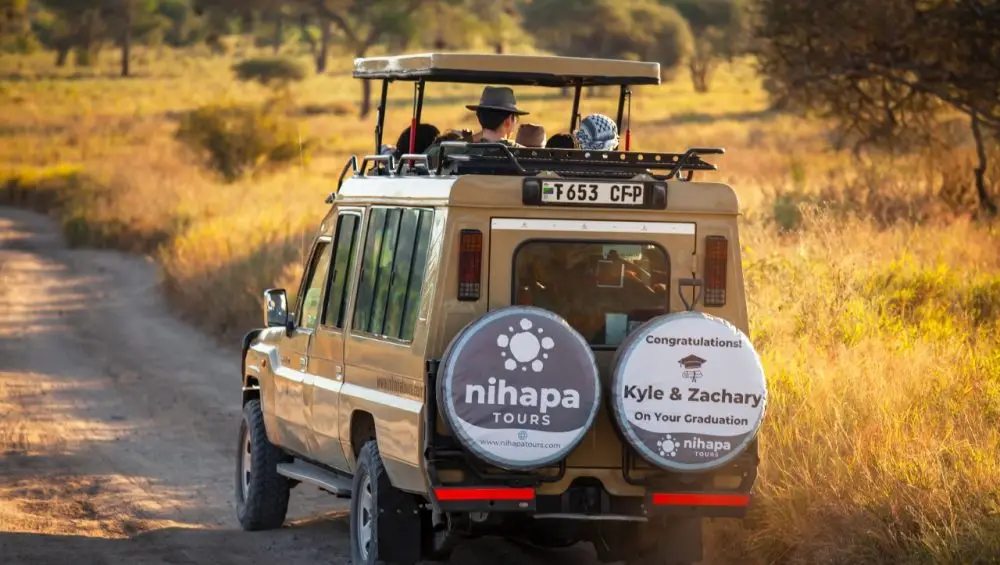
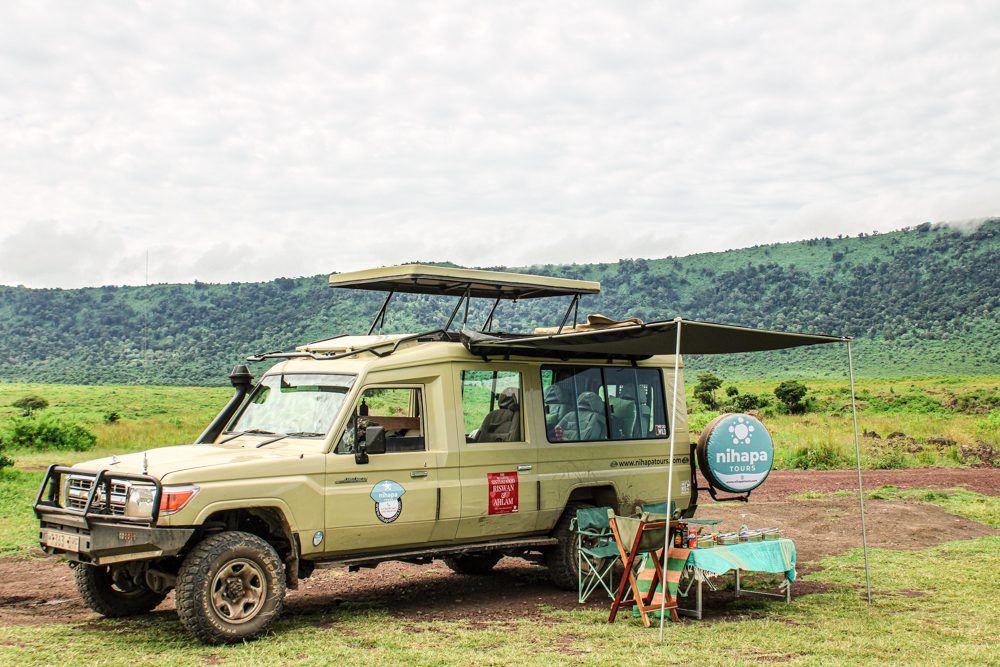
Standard infrastructure should include well-maintained Toyota Land Cruisers with pop-up roofs for game viewing, onboard communication radios for coordination, and charging ports for guest convenience. Additionally, a strong operator always has backup vehicles available in case of breakdowns, especially in remote areas where immediate replacement is necessary.
4. Qualified Safari Guides
Safari guides are the core of the entire safari experience. A trusted operator invests heavily in training and developing professional guides who are knowledgeable, experienced, and guest-focused.
Key areas of development include wildlife identification and behavior tracking, safety certification and emergency response, strong English communication skills, and guest experience management. A great guide does more than drive; they interpret wildlife behavior, share cultural insights, and transform a safari into an educational journey.
5. Financial and Operational Stability
A stable safari operator is capable of handling high-volume operations without compromising service quality. This includes managing peak season demand, coordinating group bookings, handling last-minute itinerary changes, and fulfilling long-term contracts with international travel agencies.
Financial stability also ensures that the operator can maintain vehicles, retain skilled staff, and invest in operational improvements. This reliability is critical for travel agencies that depend on consistent service delivery for their global clients.
How to Verify a Tanzania Safari DMC
Before entering into any partnership, travel agencies must conduct proper due diligence to ensure they are working with a reliable and professional Tanzania safari DMC. The quality of your local partner directly affects your brand reputation, client satisfaction, and long-term business growth. A structured verification process helps reduce risk and ensures consistency in service delivery.
Company Registration and Licensing
The first and most important step is verifying that the safari operator is officially registered in Tanzania and recognized by relevant tourism authorities. A legitimate operator should be able to provide valid business registration documents, tourism operating licenses, and compliance with local regulations.
This step ensures that the company is legally allowed to operate safaris within Tanzania’s national parks and conservation areas, such as the Serengeti National Park and the Ngorongoro Crater. Working with a licensed operator also guarantees that your clients are protected under official tourism frameworks, including safety standards and operational accountability.
Online Reputation and Reviews
A strong digital presence is a key indicator of credibility in today’s travel industry. Travel agencies should carefully review online feedback across multiple platforms to assess real client experiences.
Important sources include Google reviews, TripAdvisor feedback, and testimonials from other travel agencies or B2B partners. Consistent positive reviews indicate reliability, while repeated complaints about communication, delays, or service quality should be treated as warning signs.
B2B references are especially valuable because they reflect long-term professional relationships rather than single-traveler experiences. A trustworthy Tanzania safari DMC should be able to provide references from international agencies they currently work with.
Sample Itineraries and Pricing Transparency
A professional safari operator will always provide clear and detailed sample itineraries. These should include day-by-day breakdowns, accommodation details, park visits, transportation arrangements, and activity descriptions.
Transparency in pricing is equally important. All costs should be clearly explained, including park fees, accommodation categories, transport, guide services, and any optional activities. There should be no hidden charges or unclear inclusions.
This level of clarity allows travel agencies to confidently present accurate products to their clients without the risk of unexpected changes later in the booking process.
Communication Speed and Professionalism
Communication is one of the most reliable indicators of operational efficiency. A professional Tanzania safari DMC responds promptly, provides clear answers, and maintains structured communication throughout the inquiry and booking process.
Slow or inconsistent communication at the planning stage often reflects potential delays in actual field operations. Since safaris involve real-time coordination across lodges, parks, and vehicles, communication efficiency is critical to overall performance.
Agencies should evaluate how quickly the operator responds, how clearly information is presented, and how well they manage follow-up questions.
Trial Booking Test
One of the most effective ways to verify a safari partner is by conducting a trial booking. This allows travel agencies to evaluate real service delivery before committing to long-term collaboration.
During a trial, agencies should assess service quality, guide professionalism, vehicle condition, communication flow, and overall logistics execution. Feedback from travelers during this stage provides valuable insight into how the operator performs in real conditions.
A successful trial booking builds confidence and serves as the foundation for a long-term partnership. It also helps ensure that the operator can consistently deliver high-quality safari experiences in destinations such as the Serengeti National Park and beyond.
Safari Operations and Ground Handling Standards
A strong ground handler ensures smooth execution across all safari stages, from the moment guests arrive in Tanzania to the final day of their journey. This level of coordination is what separates an average safari experience from a professionally managed and seamless adventure. In destinations such as the Serengeti National Park and the Ngorongoro Crater, where logistics are complex and distances are long, operational excellence becomes even more critical.
Airport arrival services are the first impression a client receives, and they set the tone for the entire safari experience. A professional safari partner ensures meet and greet services at key entry points such as Kilimanjaro International Airport. Guests are welcomed upon arrival, assisted with transfers, and guided through immigration or airport procedures where necessary. From there, seamless transfer coordination is arranged to major safari hubs like Arusha or Moshi. Many operators also provide a pre-safari briefing, where clients are introduced to their itinerary, guides, and important travel information before the journey begins.
Vehicle operations form the backbone of daily safari logistics. Reliable operators conduct daily maintenance checks to ensure all safari vehicles are in excellent mechanical condition. Clean and safe interiors are maintained consistently to provide comfort during long game drives. Experienced drivers are assigned to each safari, ensuring not only safe transportation but also expert navigation across national parks, rough terrain, and wildlife zones. These drivers are often trained to double as guides, offering valuable insights throughout the journey.
Lodge coordination is another essential component of ground handling. A professional safari operator ensures timely check-ins at all accommodations, avoiding unnecessary delays that can disrupt the itinerary. They also manage special guest requests, such as honeymoon arrangements, room preferences, or celebration setups. Dietary requirement support is carefully handled, ensuring that vegetarian, vegan, gluten-free, or allergy-sensitive meals are properly communicated to lodges in advance.
Emergency handling is a critical part of safari operations, especially in remote areas where immediate external support may not be available. A strong ground handler must have systems in place for medical evacuation support, ensuring that guests can be transported quickly to appropriate medical facilities if needed. Vehicle backup systems are essential in case of breakdowns, allowing safaris to continue with minimal disruption. In addition, a 24/7 communication line ensures that both guests and partner agencies can reach support teams at any time, providing reassurance and immediate response capabilities.
Together, these operational standards define the reliability of a safari partner in Tanzania. They ensure that every stage of the safari experience is carefully managed, allowing guests to focus entirely on the wildlife, landscapes, and unforgettable moments that Tanzania has to offer.

Why Local Expertise Matters in Tanzania Safaris
Tanzania is not a static destination. Wildlife movement, weather patterns, and park accessibility change constantly throughout the year. This dynamic nature makes local expertise one of the most important factors in delivering a successful and memorable safari experience. Without it, even the best-planned itineraries can miss key wildlife moments or face avoidable logistical challenges.
Local expertise ensures accurate timing for migration viewing in the Serengeti National Park, where millions of wildebeest and zebras move across vast plains depending on rainfall patterns. Knowing where herds are likely to be at different times of the year requires real-time field knowledge, not just general information. Experienced local operators can position guests in the right areas at the right time, significantly increasing the chances of witnessing dramatic wildlife events.
It also ensures safe and well-coordinated crater descent planning in the Ngorongoro Crater. The crater has strict entry regulations, limited vehicle numbers, and specific timing requirements. Local safari experts understand how to schedule descents efficiently, avoid congestion, and maximize wildlife viewing within the limited time allowed inside the crater.
In regions such as Tarangire National Park, local knowledge plays a major role in seasonal elephant viewing. Elephant herds shift their movement patterns depending on water availability and vegetation cycles. Only experienced guides who operate regularly in the area can anticipate these movements and adjust routes accordingly.
Local guides understand animal behavior patterns in depth. They can interpret signs in the environment, track predator movements, and identify early indicators of wildlife activity. This allows guests to experience more meaningful and immersive game drives rather than random sightings.
They also have practical knowledge of road conditions, which is essential in remote safari areas where terrain can change quickly due to weather. This ensures safer and more efficient travel between parks and lodges.
Park congestion timing is another critical advantage. Experienced local operators know peak traffic hours in popular areas and can adjust schedules to avoid crowded viewing spots, giving guests a more exclusive safari experience.
Weather shifts are also closely monitored by local experts. Sudden rain or temperature changes can impact wildlife behavior and road accessibility, so real-time decision-making is essential for smooth operations.
This level of insight cannot be replaced by online research or foreign-based planning alone. It requires years of hands-on experience inside the parks and continuous interaction with the ecosystem.
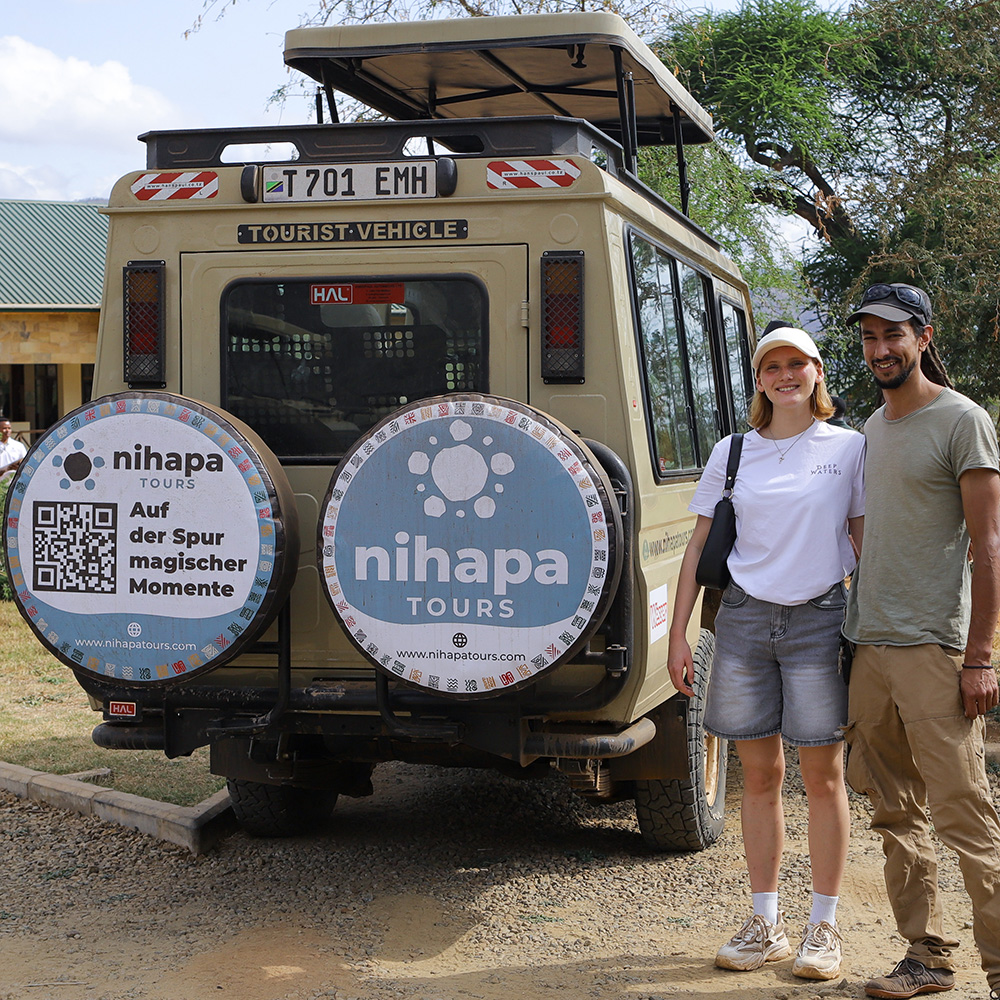
This is where companies like Nihapa Tours provide strong value. As a locally based operator, Nihapa Tours combines on-the-ground expertise with professional safari planning to ensure that every itinerary is adapted to real conditions in Tanzania. Their guides and operations team understand seasonal wildlife patterns, park logistics, and guest expectations, allowing them to deliver more accurate, safe, and rewarding safari experiences across Tanzania’s major national parks.
Sustainability and Ethical Safari Operations
Modern safari clients are increasingly conscious of the environmental and social impact of their travel choices. This means that sustainability is no longer just a branding advantage—it is a core expectation from international travelers, especially in premium safari markets. For travel agencies, partnering with a responsible Tanzania safari DMC is essential for meeting these expectations and maintaining long-term credibility.
A responsible safari operator in Tanzania should demonstrate a strong commitment to ethical tourism practices across all levels of operation. This begins with fair wages for guides, drivers, porters, and support staff. Ensuring that field teams are properly compensated and treated with respect not only improves service quality but also strengthens staff motivation and retention, which directly impacts guest experience.
Environmental conservation practices are equally important. A professional operator must actively minimize environmental impact by following park regulations, reducing vehicle emissions where possible, and supporting conservation initiatives within protected areas such as the Serengeti National Park and the Ngorongoro Crater. Responsible driving behavior, adherence to wildlife viewing rules, and respect for designated routes all contribute to protecting fragile ecosystems.
Another important aspect is the reduction of plastic usage in parks and safari operations. Many modern operators are shifting toward reusable water bottles, eco-friendly packaging, and waste management systems that reduce environmental pollution. These small operational changes have a significant long-term impact on Tanzania’s national parks and wildlife habitats.
Community engagement projects also play a vital role in sustainable tourism. Ethical safari companies often support local communities through education programs, employment opportunities, cultural tourism initiatives, and conservation awareness campaigns. This ensures that tourism revenue benefits local people living near wildlife areas, creating a positive cycle of development and conservation.
Sustainable tourism is not only an ethical responsibility, it is also a powerful selling point for international markets. Travelers today actively prefer companies that demonstrate environmental and social responsibility, making sustainability a key factor in booking decisions.
Common Mistakes Travel Agencies Make
Many travel agencies lose clients not because Tanzania lacks great safari experiences, but because of avoidable mistakes made during the selection of a local safari partner. Choosing the wrong Tanzania safari DMC can lead to operational failures, poor guest experiences, and long-term damage to brand reputation.
One of the most common mistakes is choosing a partner based only on a low price. While competitive pricing is important in a crowded market, the cheapest option often comes with hidden compromises such as older vehicles, inexperienced guides, weak logistics systems, or poor customer support. In safari tourism, especially in destinations like the Serengeti National Park and the Ngorongoro Crater, quality and reliability matter far more than marginal cost savings.
Another frequent mistake is ignoring communication quality during the selection process. If a safari operator is slow to respond, unclear in explanations, or inconsistent in follow-ups, it often reflects deeper operational inefficiencies. Strong communication is a direct indicator of how well the company will handle real-time issues during a safari.
Many agencies also fail to test the operator before committing to large bookings. A small trial booking is one of the most effective ways to evaluate service quality, guide professionalism, vehicle condition, and overall operational performance. Without this step, agencies take unnecessary risks with their clients’ experience.
Working without formal contracts is another critical error. Contracts clearly define responsibilities, inclusions, pricing, cancellation terms, and service expectations. Without them, misunderstandings can easily arise, leading to disputes and client dissatisfaction.
Overlooking licensing and compliance is also a serious risk. A legitimate safari operator must be properly registered and authorized to operate within Tanzania’s tourism sector. Compliance ensures legal protection, operational accountability, and adherence to national park regulations.
Ultimately, these mistakes are often avoidable, yet they continue to affect many agencies entering the Tanzania safari market without proper due diligence. The cheapest operator is rarely the most reliable, and in safari tourism, reliability is what protects both the client experience and the agency’s reputation.
Benefits of Working with a Trusted Tanzania Ground Handler
Partnering with a reliable Tanzania safari DMC brings significant long-term advantages for travel agencies looking to grow in the African safari market. A strong ground handler is not just an operational supplier but a strategic partner that directly influences customer satisfaction and business performance.
One of the biggest benefits is seamless guest experiences. From airport pickup to game drives in the Tarangire National Park or wildlife viewing in the Serengeti ecosystem, every stage of the journey is professionally managed, ensuring smooth transitions and stress-free travel for clients.
Higher review scores are another direct outcome of working with a trusted operator. When logistics, guiding quality, and service delivery are consistently strong, clients naturally leave positive feedback, which strengthens the agency’s online reputation and improves future conversions.
Reliable ground handling also leads to fewer operational issues. Well-maintained vehicles, experienced guides, and efficient coordination systems reduce the likelihood of delays, breakdowns, or miscommunication during safaris. This stability is essential in remote destinations where quick fixes are not always possible.
A strong partnership also enhances brand positioning. Travel agencies that work with reputable Tanzania safari operators are able to offer premium experiences with confidence, which helps them stand out in competitive international markets.
Finally, long-term profitability improves significantly. Consistent service quality leads to repeat bookings, stronger B2B relationships, and increased trust from both clients and partners. Over time, this creates a stable revenue stream and sustainable business growth.
In highly competitive safari markets, reliability becomes a key selling advantage. Agencies that prioritize dependable ground handlers over low-cost alternatives are far more likely to build strong, long-lasting success in the Tanzania safari industry.
Why Partner with Nihapa Tours
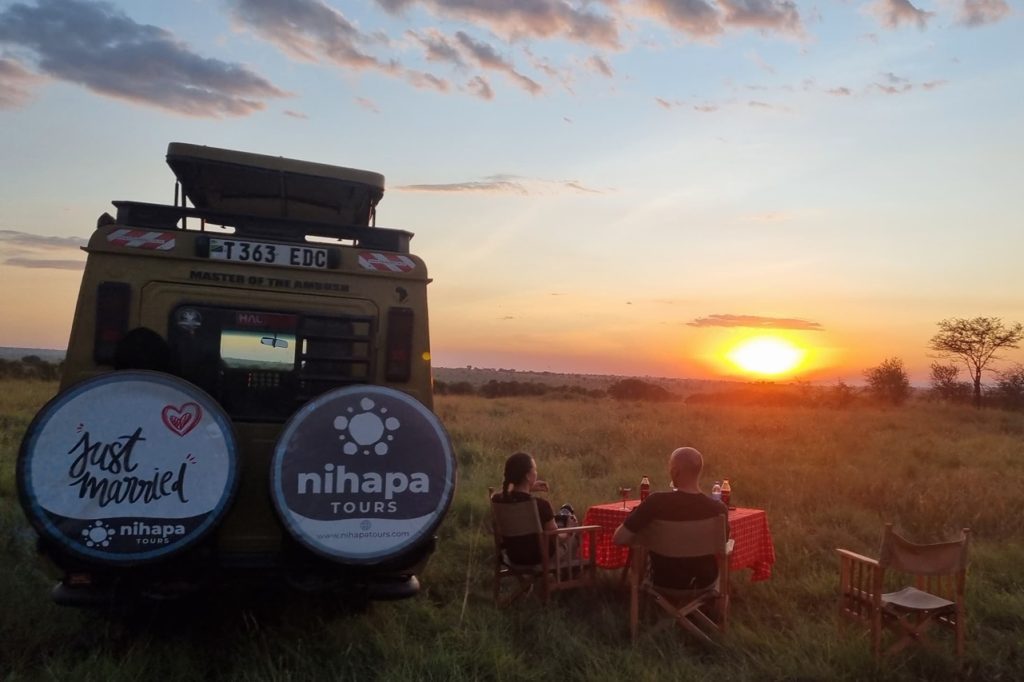
At Nihapa Tours, we position ourselves as a reliable Tanzania safari DMC built on deep local expertise, operational strength, and a strong commitment to delivering consistent safari excellence across Tanzania. Our experience spans major safari destinations, including the Serengeti National Park, the iconic landscapes of the Ngorongoro Crater, and the wildlife-rich ecosystems of Tarangire National Park, allowing us to deliver well-coordinated and high-quality safari experiences for international travel partners.
Our strength begins with local expertise across Tanzania’s major parks. Being based in the destination allows us to understand real-time wildlife movements, seasonal variations, park regulations, and logistical conditions. This ensures that every itinerary is not only well planned but also optimized for real conditions on the ground.
We also rely on professional driver-guides with extensive field experience. Our guides are not only trained in wildlife knowledge and safety but are also skilled in guest engagement, storytelling, and cultural interpretation. This transforms every safari into an educational and immersive journey, where clients gain a deeper understanding of Tanzania’s ecosystems and heritage.
Strong operational systems and logistics support form the backbone of our service delivery. From airport pickups to daily game drives and lodge coordination, every detail is carefully managed to ensure smooth execution. Our internal systems are designed to minimize delays, improve communication, and maintain consistency across all safari operations.
Ethical and sustainable tourism values are central to how we operate. We believe tourism should positively impact both the environment and local communities. This includes responsible wildlife viewing practices, supporting fair treatment of staff, and encouraging environmentally conscious operations across all safari routes.
We also specialize in customized B2B solutions for travel agencies. We understand that every agency has different market needs, client expectations, and pricing structures. Our role is to adapt to those requirements while maintaining high operational standards and reliability.
At Nihapa Tours, we recognize that travel agencies are not just looking for suppliers; they are looking for long-term partners who can protect their brand reputation in a highly competitive global market. Our focus is on building trust, delivering consistency, and supporting sustainable business growth for our partners.
How to Start a Partnership
Starting a partnership with Nihapa Tours is a simple and transparent process designed to ensure clarity and confidence from the very beginning.
The process begins with an initial inquiry and requirements sharing, where travel agencies provide details about their target market, preferred destinations, and client expectations. This allows us to understand your business needs and tailor our response accordingly.
Next, we develop a sample itinerary based on your requirements. This includes detailed routing, accommodation suggestions, activity planning, and logistical structure to ensure the proposed safari aligns with your market positioning.
Once the itinerary is agreed upon, we proceed with pricing discussions and contract finalization. This stage ensures full transparency in costs, inclusions, and service expectations, creating a clear foundation for cooperation.
A test booking is then executed to evaluate real-time service delivery. This allows agencies to assess our operational quality, guide performance, vehicle standards, and overall guest experience before scaling the partnership.
Finally, successful collaborations move into long-term partnership scaling. This includes consistent bookings, priority support, and ongoing collaboration to expand product offerings and improve market competitiveness.
Final Thoughts: Choosing the Right Partner Defines Your Success
Tanzania stands as one of the most extraordinary safari destinations in the world, offering unmatched wildlife encounters, iconic landscapes, and immersive cultural experiences. From the vast plains of the Serengeti National Park to the dramatic ecosystem of the Ngorongoro Crater and the elephant-rich wilderness of Tarangire National Park, the country delivers a safari experience that is both powerful and unforgettable. However, delivering this experience successfully requires far more than well-designed itineraries.
It requires a reliable ground partner who understands the land, the wildlife, the logistics, and most importantly, the expectations of international travelers. Tanzania is a dynamic safari environment where conditions change daily, and only an experienced local operator can ensure smooth execution from arrival to departure.
A trusted safari partner in Tanzania is not just a supplier of services. It is an extension of your brand on the ground. Every interaction your clients have, whether with guides, drivers, or operational staff, reflects directly on your agency’s reputation. Choosing a Tanzania safari DMC is one of the most critical business decisions for any travel company entering or operating in the African safari market.
When agencies choose the right partner, they unlock significant long-term value. Better client satisfaction becomes a natural outcome of well-managed logistics, professional guidance, and seamless coordination. Strong brand reputation develops as travelers share positive experiences and leave high-quality reviews. Higher conversion rates follow as trust in the product increases. Most importantly, sustainable long-term growth is achieved through repeat bookings and strong referral networks.
At Nihapa Tours, we understand this responsibility deeply. We position ourselves as a trusted Tanzania safari DMC committed to delivering consistent, high-quality safari operations for international travel agencies. Our focus on local expertise, professional guides, strong logistics systems, and ethical tourism ensures that every itinerary is executed with precision and care. We work as an extension of your brand, ensuring your clients receive the level of service they expect and deserve.
The difference between an average safari business and a highly successful one often comes down to a single decision made at the beginning of the journey.