Ngorongoro Crater Safari from Zanzibar: Flights, Itineraries and Planning Guide
A Ngorongoro Crater safari from Zanzibar lets you combine an Indian Ocean beach holiday with one of Tanzania’s best-known wildlife destinations. You can fly from the island to northern Tanzania, meet your safari guide and continue by road to the Ngorongoro Conservation Area. Depending on your schedule, you can visit the crater on a long day trip or stay overnight and enjoy a more relaxed two- or three-day safari. The right option depends on flight availability, travel dates, budget and how much time you want to spend on the mainland.
At Nihapa Tours, we help travellers connect Zanzibar with mainland Tanzania without making the journey more complicated than it needs to be. We plan the flights, transfers, accommodation and game drives around the time you have available. This guide explains the different ways to visit Ngorongoro from Zanzibar, what you can see, how to choose a route and what to check before booking. If you have only one day available, read our separate Zanzibar to Ngorongoro day-trip guide for the specific flight and timing considerations.
Quick recommendation: choose a day trip only when the flight schedule provides enough time for the crater visit and return journey. If you want a slower pace, more time for wildlife viewing or the chance to add another destination, plan at least one overnight on the mainland. We confirm the actual flights and transfer times for your dates before recommending an itinerary.
1. Why combine Zanzibar with a Ngorongoro safari?
Zanzibar and Ngorongoro offer very different experiences. Zanzibar is known for beaches, warm ocean water, Swahili culture and island excursions. Ngorongoro offers highland scenery, volcanic landscapes and wildlife viewing inside a large caldera. Combining them gives you a varied Tanzania holiday without needing to choose between a beach break and a safari. The main planning decision is how much time you can spend away from the island and which travel style suits your group.
A beach holiday with a wildlife experience
Many travellers arrive in Tanzania for a beach holiday and later decide they would like to see wildlife on the mainland. A short safari extension can fit into a longer stay in Zanzibar. You can spend most of the holiday at the coast and set aside one or more days for the crater. This works well for couples, families and friends who want variety without moving between hotels throughout the entire trip. The flight and transfer schedule should be planned before you choose the safari duration.
Ngorongoro offers concentrated wildlife viewing
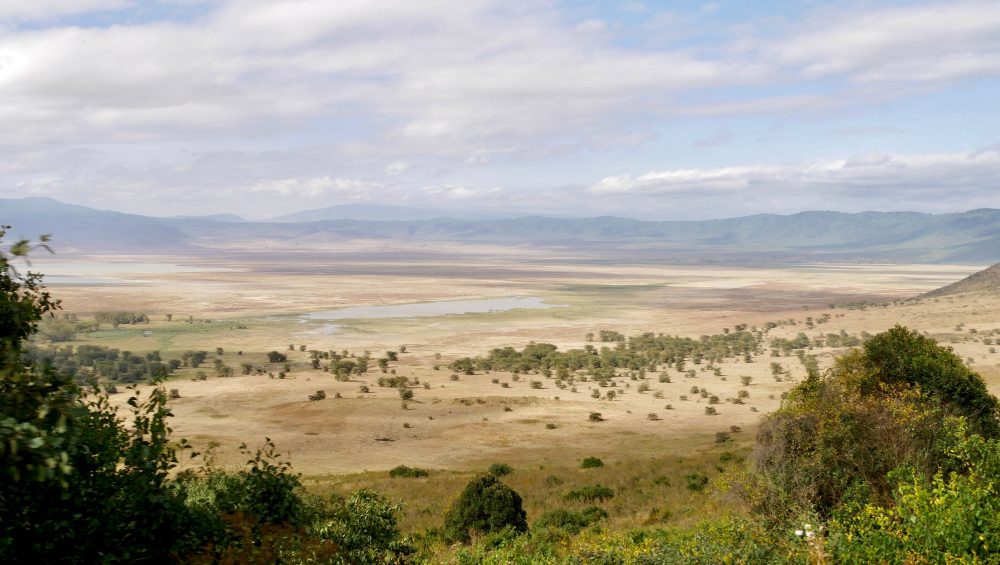
The crater floor includes grasslands, wetlands, woodland and a soda lake. These habitats support a wide range of wildlife in a relatively compact area. Visitors may see elephants, buffalo, zebras, wildebeest, hippos, hyenas, lions and many bird species. Black rhinos are present but can be difficult to find, and sightings are never guaranteed. This concentration of wildlife makes Ngorongoro a strong choice for a short safari extension, especially when your time on the mainland is limited.
A good option for couples and families
Couples can combine a beach stay with a private game drive and a comfortable lodge in the highlands. Families may appreciate the variety of landscapes and wildlife, although the travel day and game-drive length should be suitable for the children’s ages. If you are travelling with older family members or guests with mobility needs, tell us before booking. We can discuss the transfer arrangements, accommodation access and whether a day trip or overnight itinerary will be more comfortable.
2. How to travel from Zanzibar to Ngorongoro
The journey normally combines a domestic flight with a road transfer or, where available and suitable, a flight to an airstrip closer to the safari area. The exact route depends on airline schedules, the date, seat availability and your itinerary. Some flights arrive at Arusha or Kilimanjaro, while other services may use a closer airstrip. We check the complete route rather than assuming that the same flight operates every day.
Flying from Zanzibar to Arusha or Kilimanjaro
Flights from Zanzibar may connect with Arusha Airport or Kilimanjaro International Airport, depending on the airline and schedule. After landing, your safari guide meets you and continues by road toward Ngorongoro. This arrangement is common for multi-day safaris because it allows you to travel overland through the northern circuit. The drive time depends on the arrival airport, traffic and road conditions. If you have an international connection later in the day, allow a suitable buffer rather than planning a tight transfer.
Using a closer airstrip when available
Some itineraries may use an airstrip closer to the Ngorongoro region, depending on the flight services operating on your date. This can reduce the road transfer, but it does not automatically make the overall trip shorter or cheaper. Check the arrival time, airstrip transfer, baggage allowance and return routing. We compare the complete journey before recommending a fly-in option. If the flight schedule does not support a comfortable game drive, an overnight itinerary may be more practical.
Road transfers and private safari vehicles
Once you reach the mainland, a private 4×4 safari vehicle and professional guide provide transport to the conservation area and game drives. Confirm whether the vehicle is private or shared, how many people it accommodates and whether luggage space is sufficient. For a multi-day safari, the guide can also help you plan the route between Ngorongoro, Karatu and other parks. A clear itinerary should identify the pick-up point, accommodation and expected transfer times.
3. Day trip, two days or three days: which itinerary is best?
The best duration depends on your holiday schedule and the experience you want. A day trip keeps you based in Zanzibar, but it is a long day and depends heavily on flight timing. A two-day safari gives you an overnight stay and a more relaxed crater visit. Three days can allow you to add Tarangire or spend more time exploring the northern circuit. We compare the options according to your dates rather than assuming that one itinerary suits every traveller.
One-day Ngorongoro Crater safari
A day trip can work when an early flight and suitable return connection are available. You travel from Zanzibar to northern Tanzania, transfer to the crater, enjoy a game drive and return to the island later the same day. The schedule is demanding and leaves limited flexibility if a flight is delayed. We confirm the complete routing and the time available in the crater before accepting the booking. Read our dedicated day-trip guide for more detail.
Two-day Ngorongoro safari
A two-day itinerary usually includes a flight from Zanzibar, a road transfer to the Ngorongoro or Karatu area, an overnight stay and a crater game drive the following day. This gives you more breathing room than a same-day return. Depending on the flight schedule, you may have time for a short activity or a relaxed evening at the lodge. After the crater visit, you return to the airport for your flight back to Zanzibar or continue to another destination if your itinerary allows.
Three-day safari with Tarangire or another destination
With three days, you may be able to combine Ngorongoro with Tarangire National Park or another northern-circuit destination. Tarangire is known for elephants, baobab trees and varied birdlife. A longer route gives you more time for game drives and reduces the pressure to return to the airport immediately after the crater visit. The exact sequence depends on flight times and accommodation availability. If you want to include Serengeti, we normally recommend more days so the trip does not become dominated by transfers.
4. What wildlife can you see in Ngorongoro Crater?
Ngorongoro’s crater floor supports a wide range of wildlife because it contains several habitats and permanent water sources. The animals move freely, and sightings vary by day and season. A private guide can adjust the route according to recent sightings and the time available, but no one can guarantee that a specific animal will appear. The best approach is to enjoy the full ecosystem and give the guide time to explore more than one habitat.
Elephants, buffalo and other large mammals
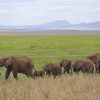
Elephants and buffalo are among the large mammals visitors may encounter in the crater. You may also see wildebeest, zebras, gazelles and other grazing animals across the open grasslands. The mix of species creates interesting viewing throughout the day. Your guide can explain how the crater’s grassland, woodland and wetland habitats support different animals. Keep a respectful distance and follow the guide’s instructions when wildlife is close to the vehicle.
Lions, hyenas and other predators
Lions are regularly seen in the Ngorongoro ecosystem, and hyenas are also an important part of the wildlife community. Other predators may be present, but sightings depend on behaviour, location and conditions. Leopards are elusive, so do not expect a guaranteed sighting during a short visit. A good guide will explain what you are observing and help you understand predator-prey relationships without disturbing the animals or putting pressure on a sighting.
Black rhinos and birdlife
Ngorongoro is one of the places where visitors may have an opportunity to see the endangered black rhinoceros, although sightings are not guaranteed. The crater also supports a variety of birds around the lake, wetlands and grasslands. Depending on conditions, you may see flamingos, waterbirds, raptors and other species. Bring binoculars if birdwatching is important to you, and ask your guide to include suitable stops when time allows.
5. Best time to visit Ngorongoro from Zanzibar
Ngorongoro can be visited throughout the year. The dry season often provides easier road conditions and good general wildlife viewing, while the green season brings fresh vegetation and changing scenery. The best time for your trip also depends on flight availability from Zanzibar and whether you plan to add other parks. If your dates are fixed, we check the practical travel arrangements first and then explain the seasonal conditions you can expect.
June to October: drier months
The drier months are popular for northern Tanzania safaris. Grass may be shorter in some areas, and animals can be easier to spot around water sources. The weather in the highlands can be cool, especially in the morning, so bring a light jacket. This is a busy period for many safari destinations, and accommodation for overnight extensions can fill up. If you want a specific lodge or room category, plan ahead.
November to March: green landscapes
The green season can bring attractive scenery, fresh grass and good birdwatching. Rainfall varies, and showers can affect road conditions or transfer times. If you are interested in the wildebeest calving season, remember that the main calving areas are in the southern Serengeti and Ndutu rather than inside Ngorongoro Crater. You can combine the crater with a longer migration itinerary if you have enough days. Our month-by-month migration guide explains the seasonal movement.
April and May: long rains
April and May can bring heavier rain and slower road conditions. The landscape can be green and visitor numbers may be lower, but a same-day itinerary has less room for disruption. If you are considering a day trip during this period, we check the flight and transfer schedule carefully. An overnight option may be more suitable if you want to reduce the pressure of returning to the airport after the game drive.
6. Where to stay during an overnight safari
If you choose a two- or three-day safari, accommodation can be arranged near Karatu, on the Ngorongoro highlands or in another suitable area according to the route. The right location depends on your budget, the number of nights and whether you want to visit another park. Compare the actual property, room type and transfer time rather than choosing only by the accommodation category.
Luxury lodges and tented camps
Luxury accommodation can offer spacious rooms or tents, scenic views, refined dining and attentive service. Some properties are located close to the crater rim, while others sit in the highlands or around Karatu. If you are celebrating a special occasion, ask about room categories and any optional arrangements. The best property is one that fits your route and provides the comfort you want without adding unnecessary transfers.
Mid-range lodges
Mid-range lodges can provide comfortable rooms, private bathrooms and meal plans at a more moderate cost. Many are located around Karatu, which can be a practical base for the crater and other northern-circuit destinations. Check the drive time to the crater gate, meal arrangements and whether early breakfast or packed lunch can be provided for your game drive. If you have dietary needs, share them before booking.
Budget accommodation and campsites
Budget travellers may choose simple lodges or campsites, depending on the itinerary and availability. Facilities are more basic, and the location may involve a longer transfer. Confirm bathroom arrangements, meals, bedding and what equipment is provided. If you are travelling with children or older family members, make sure the accommodation is suitable for their needs. Our guide to Tanzania safari accommodation types explains the main options.
7. What affects the cost of a Ngorongoro safari from Zanzibar?
The total cost depends on flights, ground transfers, vehicle arrangements, accommodation, park and conservation charges and the number of travellers. A day trip has a different cost structure from an overnight safari because the day trip relies on flights and same-day logistics, while a longer itinerary adds accommodation and additional services. We prepare a quote for your exact dates rather than relying on an old online rate that may no longer reflect current flight or authority charges.
Flight costs and availability
Domestic flights are a major part of the total. Prices depend on route, date, airline, seat availability and baggage conditions. If a flight to a closer airstrip is available, compare it with a flight to Arusha or Kilimanjaro and a road transfer. The most convenient route is not always the cheapest. Ask whether the quote includes all flight segments, airport transfers and any applicable baggage charges.
Park and conservation charges
Ngorongoro has its own conservation-area and crater-related charges. The applicable fees depend on visitor category, age, vehicle and current tariff rules. These charges are set by the relevant authorities and can change. Ask your operator to confirm which fees are included and whether the quotation includes applicable taxes. Do not assume that a general statement such as “park fees included” covers every charge connected with a crater visit.
Private guide, vehicle and group size
A private safari gives your party a dedicated vehicle and guide, while a group arrangement shares selected operating costs with other travellers. The per-person price usually changes with the number of guests. Confirm the maximum number of people in the vehicle, seating, luggage space and whether the itinerary is private. For a full breakdown of Tanzania safari price factors, read our Tanzania safari cost guide.
8. Practical travel advice before leaving Zanzibar
Because the safari involves a flight and a long day on the mainland, preparation is important. Keep your passport and flight details accessible, pack within the airline’s baggage rules and confirm the hotel pick-up time. If you are travelling with medication, children or special equipment, tell us before the trip so we can check the arrangements. Leave enough time after the safari before any separate international flight or fixed activity in Zanzibar.
Documents and entry requirements
Carry your passport and the documents required for your travel within Tanzania. International visitors should check visa and entry rules before arrival, including any current health documentation and mandatory inbound insurance requirements that apply to their first point of entry. Read our Tanzania entry requirements guide and mandatory inbound travel insurance guide before departure.
Clothing, sun protection and camera gear
Wear comfortable clothing and closed shoes. The crater rim can be cool in the morning, while the crater floor can be warmer later. Bring a light jacket, hat, sunglasses, sunscreen and a waterproof layer during rainy months. If you bring a camera, keep spare batteries and memory cards in your hand luggage. Binoculars can improve wildlife viewing, especially for animals at a distance. Our safari packing list covers the practical essentials.
Food, water and special requirements
Confirm whether the safari includes a picnic lunch and drinking water. Tell us about allergies, dietary requirements or mobility considerations before booking. If you need a specific type of meal, we can check with the provider in advance. Keep personal medication with you rather than in checked baggage. If anyone in your group is unsure about the long travel day, consider an overnight safari so the experience is more comfortable.
9. Responsible wildlife viewing in Ngorongoro
Ngorongoro is a protected conservation area with important wildlife and cultural values. Visitors should follow the guide’s instructions and the rules issued by the conservation authorities. Responsible viewing protects animals and helps keep the experience safe for guests and guides. The goal is to observe natural behaviour without disturbing the wildlife or damaging the environment.
Respect wildlife distance and movement
Do not ask your guide to approach too closely, block an animal’s route or leave designated tracks. Keep noise low and allow wildlife to move naturally. If an animal shows signs of stress or moves away, let it go. A good photograph is never more important than the animal’s welfare. Your guide knows how to position the vehicle while following park regulations and safe viewing practices.
Follow park rules and picnic-site instructions
Stay in the vehicle except at designated areas where visitors are permitted to get out. Follow instructions at picnic sites, dispose of rubbish properly and never feed wildlife. Keep food secured and do not approach animals on foot. These simple steps help protect visitors and wildlife in a busy conservation area.
Support local guides and responsible operators
Choose an operator that uses professional local guides, maintains its vehicles and communicates clearly about the itinerary. Ask how the company handles park rules, wildlife sightings and unexpected changes. A responsible safari should respect the conservation area and provide honest information about what can and cannot be guaranteed. We plan our trips with local knowledge and aim to make the experience beneficial for guests and the people who support tourism in Tanzania.
10. Frequently asked questions
Can I visit Ngorongoro Crater from Zanzibar in one day?
Yes, when the flight schedule and transfer times allow enough time for the crater game drive and return journey. It is a long day and depends on the actual flights operating on your date. We check the complete schedule before confirming the day trip.
Is it better to fly to Arusha or Kilimanjaro?
The best arrival airport depends on the flight schedule, transfer time and your overall itinerary. We compare the available routes for your date rather than assuming one airport is always better. A closer airstrip may also be an option when suitable flights are operating.
How many days do I need for Ngorongoro from Zanzibar?
One day may be possible with suitable flights, but two days are more relaxed and allow an overnight stay near the crater. Three days can provide time to add another park such as Tarangire. The best duration depends on your available holiday time and travel preferences.
Can I combine Ngorongoro with Serengeti?
Yes. A Serengeti extension is possible if you have enough days. We normally recommend a longer itinerary so you have time for the transfers and meaningful game drives in both destinations. A one-day trip is not enough to explore both areas properly.
Will I see the Big Five?
Ngorongoro offers opportunities to see several of the Big Five, but no sighting is guaranteed. Black rhinos and leopards can be difficult to find. Your guide will look for wildlife based on current conditions and the time available.
What is included in the safari price?
Inclusions vary by itinerary. A proposal may include domestic flights, airport transfers, private vehicle, guide, crater and conservation charges, picnic lunch and drinking water. Confirm every item in writing, along with exclusions such as tips, personal purchases and travel insurance.
Can children join the safari?
Children can join suitable Ngorongoro safaris, but the flight schedule, transfer duration and game-drive length should be considered. Tell us the children’s ages so we can discuss whether a day trip or overnight safari is more appropriate.
11. Plan your Ngorongoro safari from Zanzibar with Nihapa Tours
We are a Tanzania-based safari operator, and we arrange the route from Zanzibar to Ngorongoro according to your travel dates and preferred pace. We can compare a day trip with an overnight safari, check the flight options and prepare a proposal that identifies the accommodation, transfers, game drives and inclusions. We will explain when a same-day return is practical and when a longer trip is the better choice.
To begin, share your Zanzibar hotel, preferred dates, number of travellers and whether you want a day trip or a multi-day safari. If you have children or special requirements, include those details. We will check the available flights and recommend an itinerary that fits your time on the mainland.
Explore our day-trip guide, compare our Tanzania safari from Zanzibar options, or contact Nihapa Tours to request a personalized proposal. We will help you combine Zanzibar and Ngorongoro with a clear itinerary and practical travel arrangements.